Guide to Administering Medication to Animals | How to Use Oral Medications, Topical Medicines, and Medicated Baths and Precautions
Explains proper medication administration methods for reptiles, birds, small animals, and fish. Introduces procedures and precautions for oral medications, topical medicines, and medicated baths, along with tips to reduce stress.
Key Takeaways
Explains proper medication administration methods for reptiles, birds, small animals, and fish. Introduces procedures and precautions for oral medications, topical medicines, and medicated baths, along with tips to reduce stress.
Related Species
Important Points to Confirm Before Administering Medication
When you notice your animal is feeling unwell, it's natural to want to grab medication right away. However, medication is only effective with proper diagnosis and understanding of dosage and administration methods. Administering the wrong type of medication, concentration, or timing can become fatal stress for the animal rather than providing treatment.
First, it is essential to identify the cause of the illness. Even if symptoms appear similar—such as white spot disease, water mold disease, bacterial infection, or parasites—the medication needed varies depending on the actual cause. Key observation points for symptoms are three things: "abnormalities on the body surface (white spots, cotton-like patches, bleeding, ulcers)," "changes in behavior (sinking to the bottom, gasping at the surface, unsteadiness)," and "presence or absence of appetite." Record these observations before establishing a medication plan.
Before using medication, always check the water quality. In cases where ammonia, nitrite, pH, or water temperature are outside the appropriate range, recovery often occurs simply by prioritizing water quality improvement. The basic principle is to proceed with both medication and water quality management in tandem.
How to Use Oral Medications
Oral medications are administered by mixing them with food for oral intake. They are primarily used to treat bacterial diseases such as pop-eye, dropsy, and internal infections. Representative antibiotic-class fish medications include "oxytetracycline" and "erythromycin."
Basic Administration Procedure
- Dissolve the prescribed amount of medication in a small amount of water
- Soak artificial feed or frozen bloodworms with the solution (allow to soak for 30 minutes to 1 hour)
- Offer the medicated feed to the animal and remove any uneaten portions immediately
Forced medication of individuals with reduced appetite is difficult, so use during the early stages when appetite is still present is most effective. Additionally, considering the impact on filter bacteria, the use of a separate tank (quarantine tank) during treatment is strongly recommended.
The administration period varies depending on the type of medication, but continuing for 5 to 7 days even after symptoms disappear helps prevent recurrence. Stopping midway can create resistant bacteria, so it is important to follow the prescribed course of treatment.
How to Use Topical Medications
Topical medications are applied directly to wounds, ulcers, or parasites on the body surface. In fish, medications such as "iodine tincture" and "diluted malachite green" are sometimes used topically. For reptiles and amphibians, veterinarian-prescribed ointments and antibacterial sprays are the mainstream approach.
Important Points When Applying
- Keep the time the animal is out of water to a minimum (for fish, within 30 seconds to 1 minute)
- Apply gently to the affected area using a cotton swab or gauze, being careful not to damage mucous membranes
- Avoid direct application near the eyes, gills, or mucous membranes
- Return to clean water promptly after application
While topical medications have high localized effects, their effectiveness against systemic infections is limited. They are often used in combination with antibacterial medications to prevent secondary infection from wounds, but attention must be paid to drug interactions. If using multiple medications simultaneously, prioritize consulting with a specialist.
How to Use Medicated Baths
A medicated bath is an administration method where the animal is immersed in water dissolved with therapeutic medication for a set period of time. It is the most widely used treatment method for aquatic creatures such as fish, shrimp, and coral. It is highly effective against white spot disease, pepper disease, water mold disease, and external parasites.
Basic Procedure for Medicated Baths
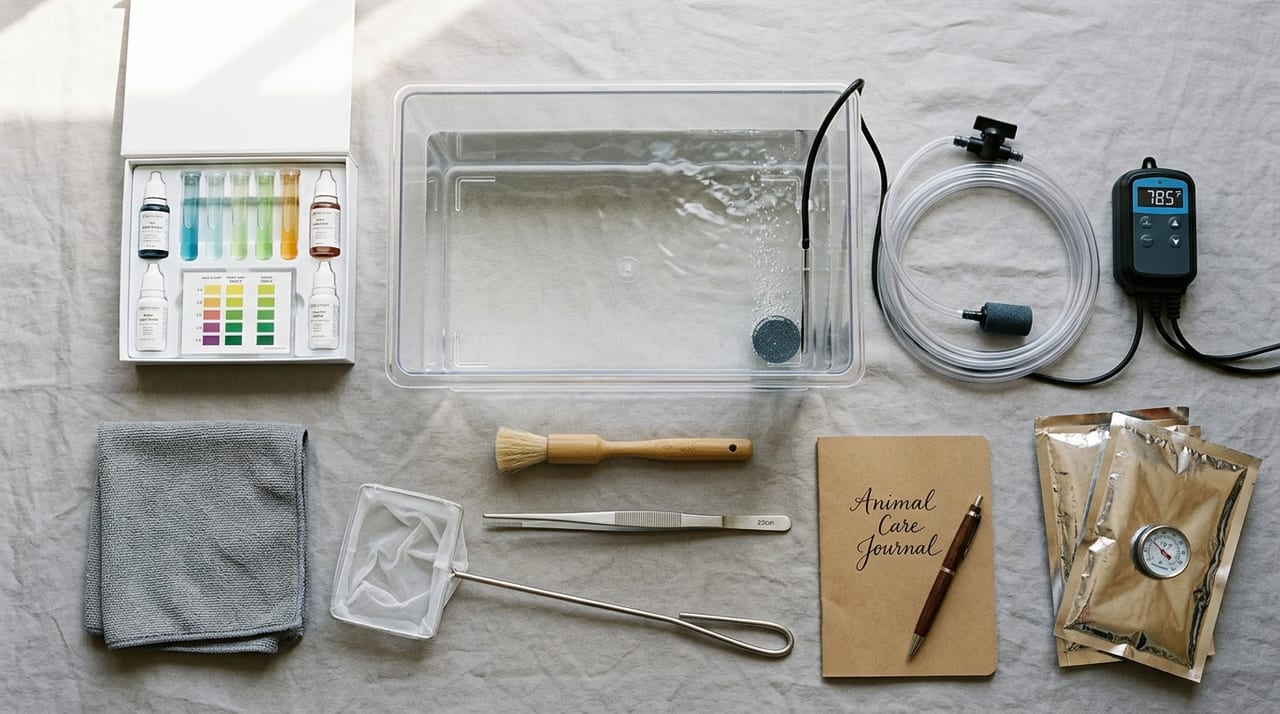
- Prepare a quarantine tank: Medicated baths in the main tank damage bacteria and invertebrates. Always use a separate tank.
- Match water temperature and pH: Align with the main tank within ±0.5°C to minimize stress from water acclimation.
- Strictly adhere to the prescribed concentration: Use the calculation formula "Required volume (mL) = Water volume (L) × Concentration (mL/L)" to prevent overdosing.
- Always provide aeration: Dissolved oxygen levels tend to drop during medicated baths, so supply oxygen using an air pump.
- Follow the prescribed time: Some medications have different administration methods—brief high-concentration baths (minutes) versus prolonged low-concentration baths (days)—so always check the package.
Observation Points During Medicated Bath
Always observe for 15 to 30 minutes after starting the medicated bath. If abnormal thrashing, rolling over, or difficulty breathing is observed, stop immediately and transfer to fresh water. Mild agitation (only the first few minutes) is within an acceptable range, but if it continues, the concentration may be too high.
Care and Water Changes After Medicated Baths
After the medicated bath, removing any remaining medication is key to recovery.
Procedure for Removing Medication
- Perform a 50% water change from the medicated bath and gradually acclimate to clean water.
- Temporarily use an activated carbon filter to absorb medication components.
- Before returning to the main tank, perform water acclimation for 30 minutes or more at a ratio of "main tank water : quarantine tank water = 1 : 1".
Continue observing for 1 to 2 weeks after recovery. It is important not to miss signs of recurrence or secondary infection (reduced appetite, changes in body surface).
Additionally, equipment used in the medicated bath (buckets, air tubes, droppers) should be disinfected with a diluted sodium hypochlorite solution and dried before storage. Insufficient disinfection risks spreading pathogens to other tanks.
Common Mistakes and Species-Specific Points to Note
Common Medication Mistakes
- Overdosing: Cases where the prescribed amount is exceeded due to urgency to cure quickly. Overdosing causes drug poisoning and can lead to death.
- Forgetting to remove filter media: If filter media containing activated carbon is left in place during the medicated bath, the medication will be immediately absorbed and rendered ineffective.
- Neglecting water changes: Water quality deteriorates during prolonged medicated baths, and the animal's condition worsens from water quality stress more than from the disease itself.
- Changing medications midway: Changing to a different medication before effects appear prevents accurate evaluation and increases stress on the animal.
Species-Specific Precautions
Many saltwater fish species are more sensitive to medications than freshwater fish and may show acute reactions even at the same concentration. Coral and invertebrates are extremely sensitive to copper-based medications (such as copper sulfate) and can be lethal even in minute amounts, so their use in the main tank is strictly prohibited.
Crustaceans such as shrimp and crabs are also vulnerable to copper, formalin, and malachite green. In tanks containing these species, consider using alternative medications such as praziquantel or fenbendazole.
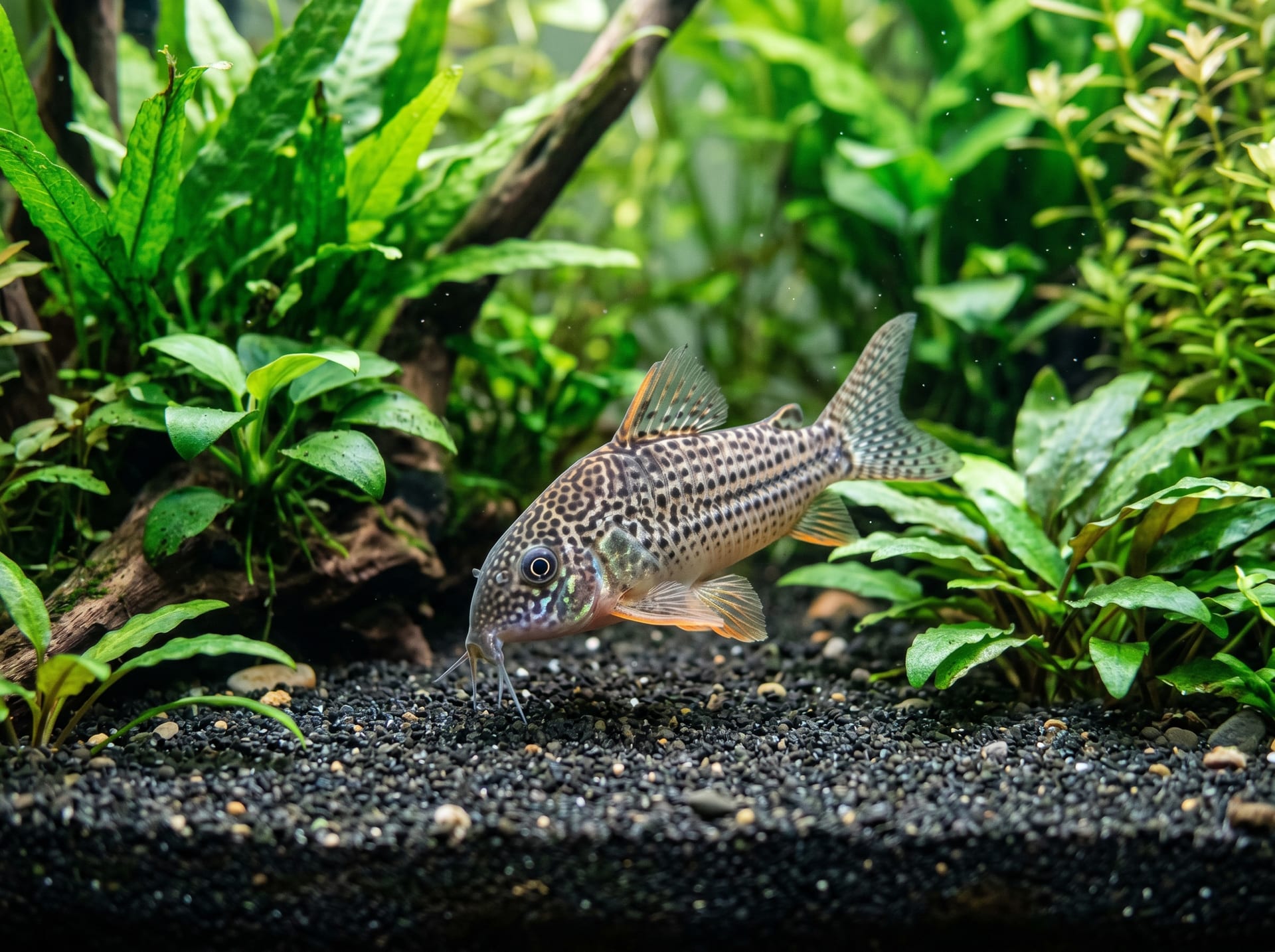
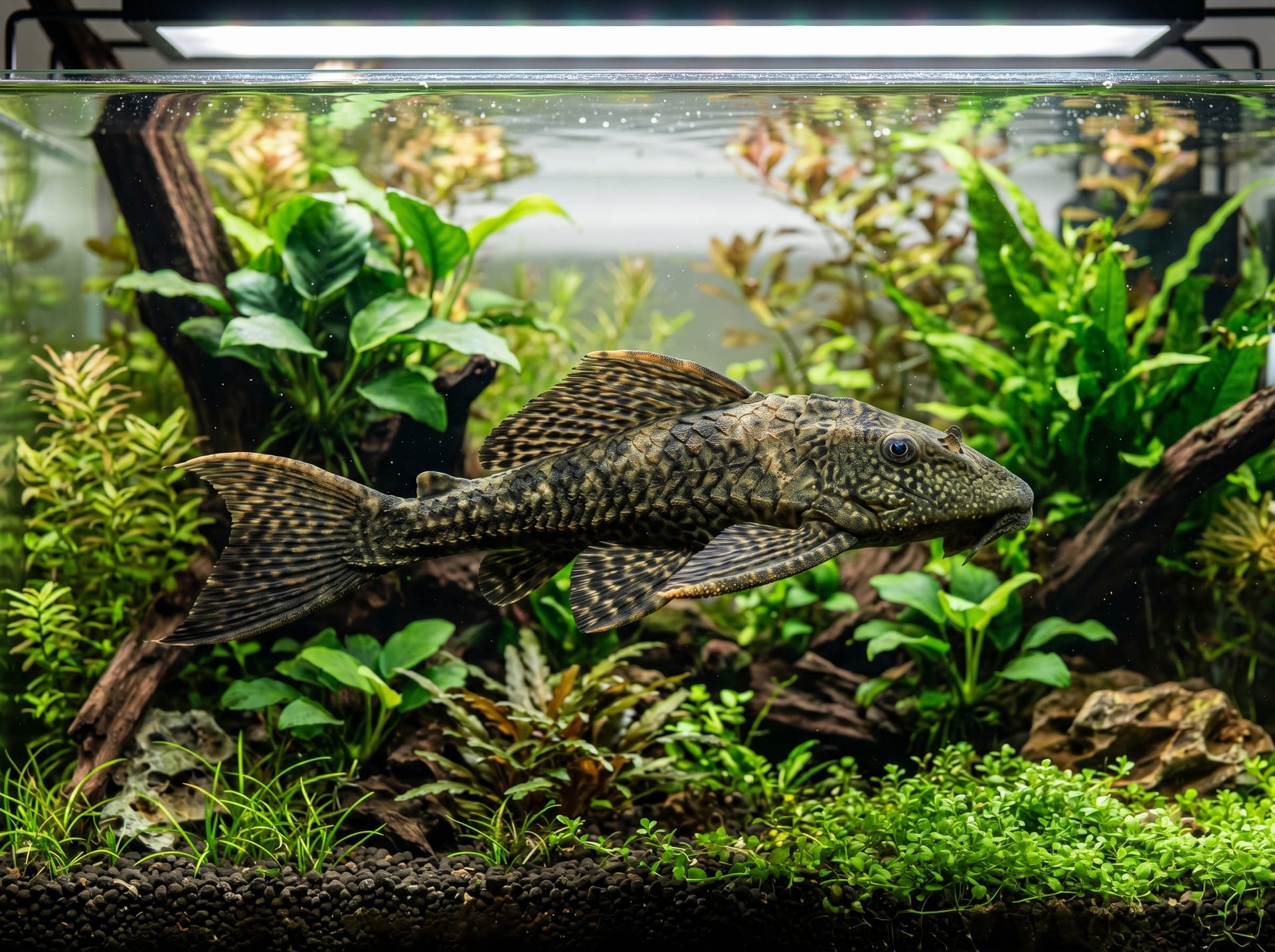
Drug sensitivity varies significantly by species among tropical fish. Scaleless fish (such as corydoras, plecos, and catfish) have few scales on their body surface, resulting in higher medication absorption rates, so starting with half the prescribed amount is recommended as a safety measure.
When used correctly, medication is a powerful tool to save the animal's life, but incorrect use can be counterproductive. In cases where the animal merely seems "a bit under the weather," the shortcut to long-term breeding success is to first try water changes and environmental improvements, and only select appropriate medication after confirming clear symptoms. When in doubt, do not hesitate to consult with a trusted specialist store or veterinarian.