Aquarium Equipment Cleaning & Maintenance: Tips for Equipment Longevity
We introduce methods for properly maintaining tank equipment such as filters, heaters, and lighting to ensure a long lifespan.
Key Takeaways
We introduce methods for properly maintaining tank equipment such as filters, heaters, and lighting to ensure a long lifespan.
When aquarium equipment lacks regular maintenance, its performance degrades, and in the worst cases, failures can cause serious harm to aquatic life. Conversely, with proper cleaning and maintenance, you can significantly extend the lifespan of equipment and reduce running costs. This article explains maintenance methods for major aquarium equipment in detail.
Filter Maintenance
The filter is the most critical piece of equipment for maintaining water quality. Maintain its performance through regular maintenance.
External Filters
- Filter media cleaning (1–2 times per month): Rinse filter media lightly only in aquarium water. Washing with tap water kills bacteria and causes sudden water quality swings. Transfer aquarium water to a bucket, and gently rub the filter media within it.
- Hose cleaning (once every 2–3 months): Biofilm and algae accumulate inside hoses. Use a dedicated hose brush to remove debris. If the hose becomes stiff or discoloration is noticeable, it is time for replacement.
- Impeller cleaning (once every 3–6 months): If water flow weakens, clean the impeller (rotating shaft). Debris tangled around it places stress on the motor, causing failure. Use an old toothbrush to gently remove dirt.
- O-ring (gasket) inspection: O-rings at filter joints can cause water leaks if degraded. Check the O-ring condition during cleaning, and replace it if you notice hardening or cracking. Applying a thin layer of silicone grease can slow degradation.
Top Filters and Undergravel Filters
Rinse wool mats in aquarium water when visibly dirty, and replace them once they deteriorate. Activated charcoal loses its adsorptive capacity in about a month, so replace it regularly.
Heater Maintenance
Heaters directly affect the survival of aquatic life. Sudden water temperature swings from equipment failure can be fatal.
- Surface cleaning (once per month): When calcium deposits or algae accumulate on the heater surface, heat transfer efficiency drops. Wipe away surface dirt with a soft sponge. Do not use hard brushes, as scratches on the glass tube cause equipment failure.
- Operation check (once per week): Make it a habit to check with a thermometer that the heater is working normally. A digital thermometer provides accurate temperature readings. If the temperature differs by 2 degrees or more from the set point, suspect heater failure.
- Replacement timeline: Auto heaters typically last 1–2 years. After 2 years of use, have a backup heater on hand to prepare for sudden failure. Replacement with a new unit at the start of the season (early fall) is ideal.
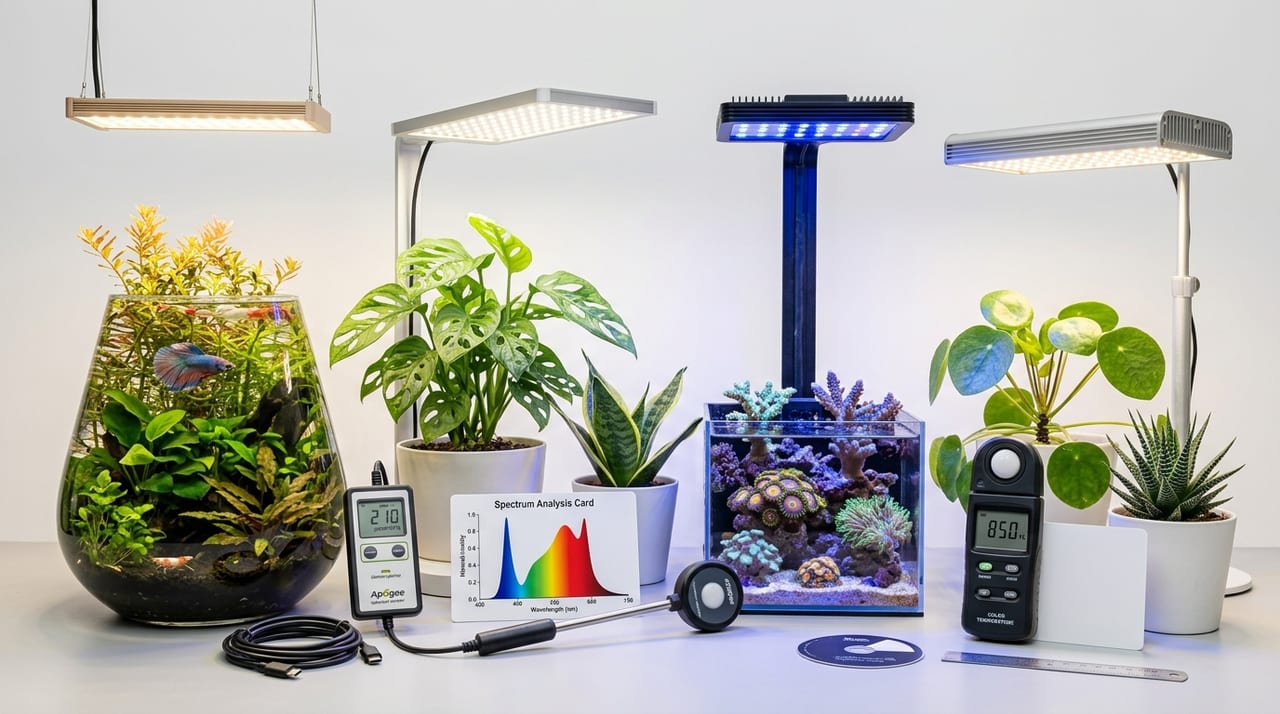
Lighting Maintenance
- Lens and cover cleaning (1–2 times per month): When salt spray or water droplet marks build up on the light lens or cover, light output decreases. Wipe with a damp cloth and finish with a dry cloth. In saltwater tanks, salt spray sticks more easily, so frequent cleaning is necessary.
- Reflector cleaning: Fluorescent-type lighting has a reflector. When the reflector becomes dirty, light efficiency drops, so wipe it down regularly.
- LED element degradation check: LEDs have a longer lifespan than fluorescent tubes, but light output gradually diminishes with prolonged use. Extra attention is needed when keeping corals, as reduced light output can cause coral bleaching.
Air Pump Maintenance
- Diaphragm replacement (once per year): When an air pump's discharge decreases, it is often due to diaphragm (rubber membrane) degradation. Replacement diaphragms are sold by each manufacturer and can be easily replaced yourself.
- Intake filter cleaning: When dust clogs the intake, discharge decreases. Remove the filter, rinse it with water, dry it thoroughly, and reinstall it.
Protein Skimmer Maintenance
Protein skimmers, essential equipment for saltwater tanks, also require regular maintenance.
- Cup cleaning (1–2 times per week): The cup that collects wastewater should be removed and cleaned 1–2 times per week. When dirt hardens, cleaning becomes difficult, so doing it frequently is key.
- Air stone replacement (once per month): For skimmers using wood stone, replacement is needed about once per month. When bubble quality becomes coarser, it is time to replace.
Creating a Maintenance Schedule
Create a schedule table so you don't forget when to maintain each piece of equipment. Using your smartphone's reminder function is also convenient. Regular maintenance not only extends equipment lifespan but also stabilizes water quality, ultimately supporting the health of your aquatic life. To keep aquatic life purchased through BreederDirect healthy and thriving for years to come, perform equipment maintenance consistently.
Common Mistakes and Solutions
The most frequent mistake in equipment cleaning is overdoing it.
- Mistake 1: Washing filter media with tap water Chlorine kills bacteria, causing ammonia spikes the day after cleaning. Always rinse filter media lightly only in aquarium water.
- Mistake 2: Cleaning the filter and substrate on the same day Touching biological filter locations at once temporarily disrupts biological filtration. The rule is to stagger filter cleaning, substrate cleaning, and water changes on different days.
- Mistake 3: Residual detergent or chemicals Even though you think you rinsed equipment washed with dish soap, surfactants remain. Use a dedicated equipment sponge, avoid detergent, and for stubborn dirt use citric acid or vinegar, rinsing thoroughly with running water.