Essential Biosecurity for Breeders: Hygiene Management Protocols to Prevent Disease Introduction and Spread | ブリちょく
Tips| ✍️ BreederDirect Editorial
Essential Biosecurity for Breeders: Hygiene Management Protocols to Prevent Disease Introduction and Spread
This article explains biosecurity principles and practical hygiene management methods for breeders managing multiple animals to prevent disease spread.
Key Takeaways
This article explains biosecurity principles and practical hygiene management methods for breeders managing multiple animals to prevent disease spread.
For breeders of living animals, biosecurity (biological safety management) is a critical issue directly linked to business survival. There are various routes through which infectious diseases can be introduced into facilities—pathogens brought in by newly introduced animals, infection risks from wild animals and insects entering from outside, and pathogens transmitted by humans. It is not uncommon for entire breeding groups to collapse due to a single infected individual, and establishing appropriate protocols becomes the most important defense strategy to protect valuable animals.
Visitors and workers: Pathogens may attach to clothing, shoes, and hands after visiting other facilities
Equipment and materials: Shared equipment or purchased used materials may harbor pathogens
Feed and bedding: Feed from infected animals, wild-collected bedding, or perches
Wild animals: Wild birds, rodents, and insects may transmit pathogens
Aerosol transmission: Airborne infection from adjacent facilities with insufficient ventilation (particularly in birds)
Facility Zoning Design
Dividing the entire facility into zones based on cleanliness levels is the foundation of biosecurity.
Clean zone: Core area where healthy breeding animals live. External movement routes are physically blocked
Isolation and quarantine zone: Dedicated space for managing newly introduced animals for a specified period. Ideally, ventilation systems should be independent
Buffer zone (intermediate area): Transition area where changing clothes, hand washing, and disinfection occur
✍️
BreederDirect Editorial
The BreederDirect editorial team specializes in care information for animals, covering veterinary care and breeding to deliver beginner-friendly guides.
External contact zone: Entrance, package receiving area, visitor reception area
Whenever crossing zones, strict rules for changing clothes, hand washing, and shoe sole disinfection must be followed. Posting diagrams in the facility showing this traffic flow helps all staff and family members adhere to it, increasing effectiveness.
Quarantine Protocol for Newly Introduced Animals
Recommended Quarantine Duration
Newly introduced animals should undergo a minimum of 2–4 weeks (up to 8 weeks depending on species and source) of quarantine. During this period, complete isolation from existing animals is maintained, and dedicated equipment is used separately.
Mammals (dogs, cats, rodents, etc.): 4–6 weeks
Birds: 4–8 weeks (longer due to risks of avian influenza, psittacosis, etc.)
Reptiles and amphibians: 4–6 weeks (careful monitoring including parasite screening)
Saltwater and freshwater fish: 2–4 weeks (using treatment tanks with medicinal baths)
Corals and marine invertebrates: 2–4 weeks (pathogen screening)
Daily Observation Checklist During Quarantine
Develop a habit of recording daily observations on a form.
Changes in appetite and water intake
Fecal condition (color, shape, frequency, presence of blood or mucus)
Behavioral changes (lethargy, abnormal behavior, isolation from group)
Weight changes (weigh at least weekly)
Condition of skin, feathers, scales, and body surface
If abnormalities are observed, consult a veterinarian immediately. Always be aware of the risk that "waiting to see" can lead to disease spread.
Pre- and Post-Introduction Health Screening
If possible, veterinary health examination and fecal testing (parasite and bacterial screening) before and after introduction is ideal. Particularly for imported animals, wild-caught animals, or animals from unknown sources, do not spare costs and prioritize testing. Many pathogens such as Salmonella bacteria and various herpes viruses have incubation periods lasting weeks before symptoms appear.
Daily Hygiene Management Protocol
Hand Washing and Hand Disinfection
Hand washing should be performed before and after handling animals, and whenever moving between different animals or cages. Wash with soap and running water for at least 30 seconds as the standard, using quick-drying alcohol disinfectant (70% ethanol) as supplementary. Be careful not to miss between fingernails and on wrists.
Equipment and Material Disinfection
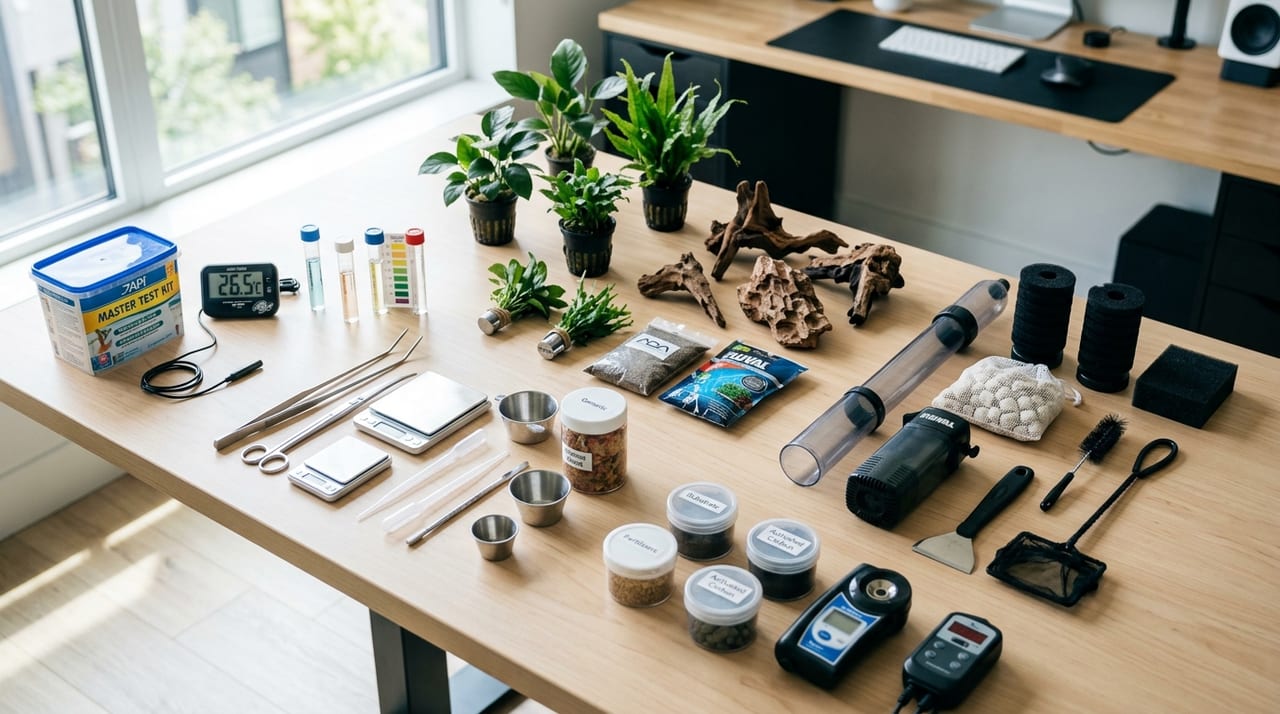
Shared equipment (tweezers, scissors, spoons, droppers, etc.) should be used separately per animal/cage or disinfected after each use. Select disinfection method based on material characteristics.
Sodium hypochlorite solution (0.5–1%): Effective against a wide range of pathogens. Soak for 10 minutes, then thoroughly rinse with water to remove residual chlorine
70% ethanol: Fast-acting and convenient for wiping. However, effectiveness decreases if organic matter (such as feces) remains, so always clean dirt before use
Heat disinfection (boiling): Certain sterilization for heat-resistant equipment. Boil for 10 minutes in boiling water
Ultraviolet (UV-C) lamp: Effective as supplementary space disinfection. Note that it does not reach areas not directly exposed to UV light
Cage and Facility Cleaning Schedule
Standardize cleaning frequency and content, and keep records to prevent oversights in management.
Daily: Remove feces and leftover food, wash water containers and replace with fresh water
Weekly: Wash and disinfect cage furnishings (perches, shelters, etc.)
Monthly: Disassemble cage, clean thoroughly, and disinfect all surfaces
1–2 times yearly: Thorough facility-wide cleaning and disinfection (consider using professional services if possible)
Response to Visitors and External Contractors
Often overlooked in biosecurity is infection risk transmitted through humans. Visits from breeder colleagues, feed and equipment deliveries, and animal transfers to buyers—each instance is a potential infection route.
Clear Visitor Rules
Require hand washing, disinfection, and disposable shoe covers before entering animal areas
Refuse entry to animal areas or require clothes change if visitors have recently visited other animal facilities
Conduct viewings and transfers as much as possible only in the entrance or external contact zones
Keeping visitor records (visit date, name, whether other facilities were visited recently) is helpful for tracing if infection occurs.
Record Management and Emergency Response
Records to Keep
Records are "evidence" of biosecurity and tools for investigating problems if they occur.
History of newly introduced animals, source, and quarantine log
Health observation log for each animal (date, observer, observations)
Disinfection work records (disinfectant used, concentration, person performing)
Disease incident response records (time, symptoms, treatment, progress)
Visitor records
Using spreadsheets or note-taking apps makes searching and tabulation easier. Especially in facilities with multiple staff members, shareable digital records are essential. See "Digital Record Management for Breeders" for specific ways to use digital record management tools.
Initial response steps when suspected infection occurs
Immediately isolate the symptomatic animal and disinfect all equipment that made contact
Contact a veterinarian and request examination and testing as soon as possible
Increase health observation of other animals in the same facility to multiple times per day
Suspend external access to the facility
Consult with the veterinarian to determine isolation and disinfection ranges to prevent spread
Continue daily response records until the situation is resolved
Biosecurity is not something to rush to implement after an infection occurs. The accumulation of small daily habits becomes the greatest shield protecting the entire facility from sudden outbreaks. A willingness to not spare cost or effort, in the long term, supports your reputation as a trusted breeder and the continuity of your business. As of 2026, with heightened societal awareness of infectious diseases, breeders should practice the highest standards of hygiene management.