Sugar Glider Complete Care Guide — Diet, Temperature & Bonding Tips
Complete sugar glider care guide covering diet, temperature, humidity, bonding steps, and common health issues.
Key Takeaways
Complete sugar glider care guide covering diet, temperature, humidity, bonding steps, and common health issues.
Related Species
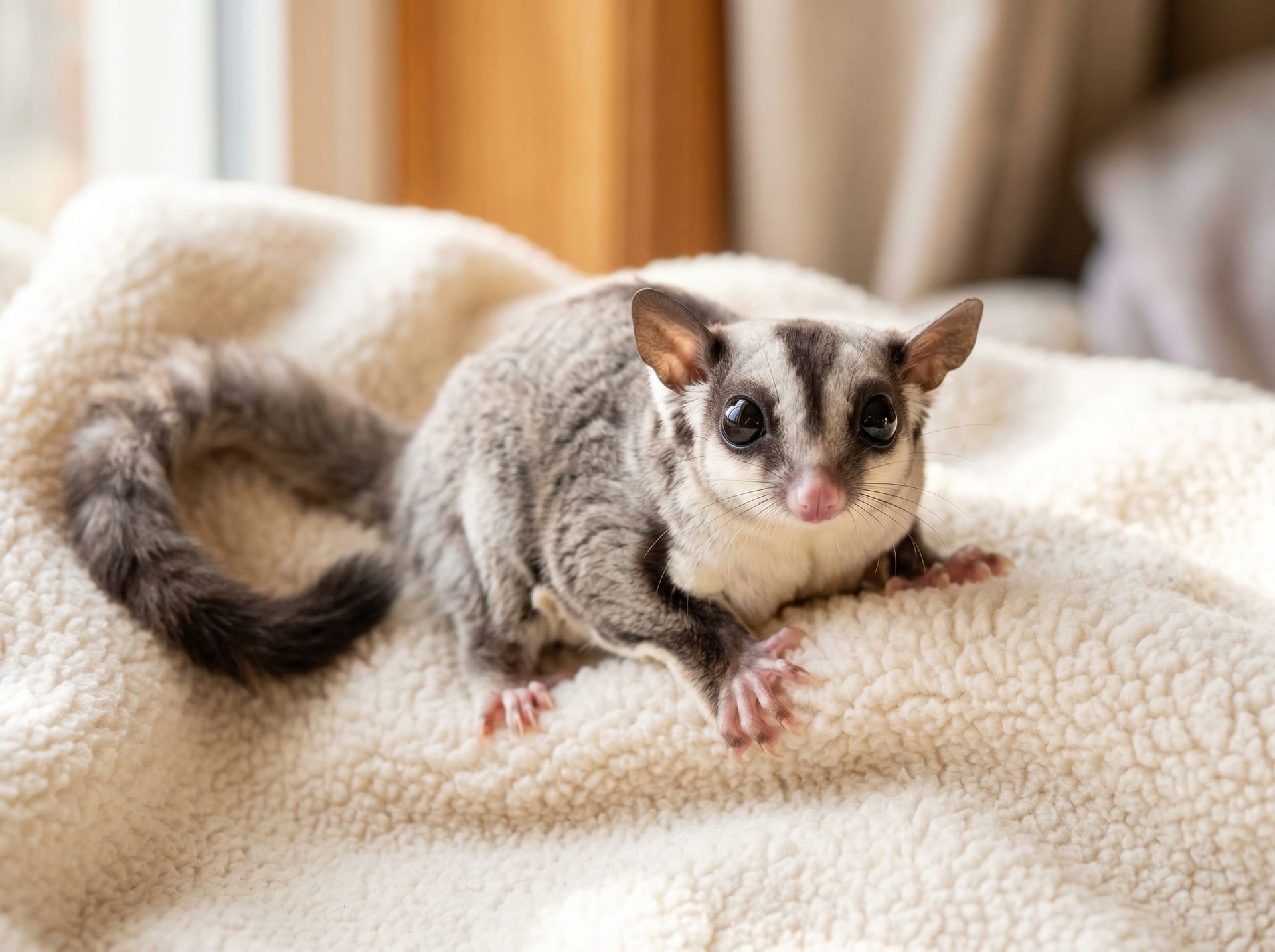
Sugar gliders are charming marsupials with large eyes and fluffy fur. These unique animals with pouches (marsupium) have surged in popularity as pets in Japan in recent years. However, their biology differs significantly from dogs and cats, and starting to keep one without proper knowledge leads to health problems and bonding difficulties. This article systematically covers the essential knowledge for sugar glider care.
Basic Biology and Characteristics
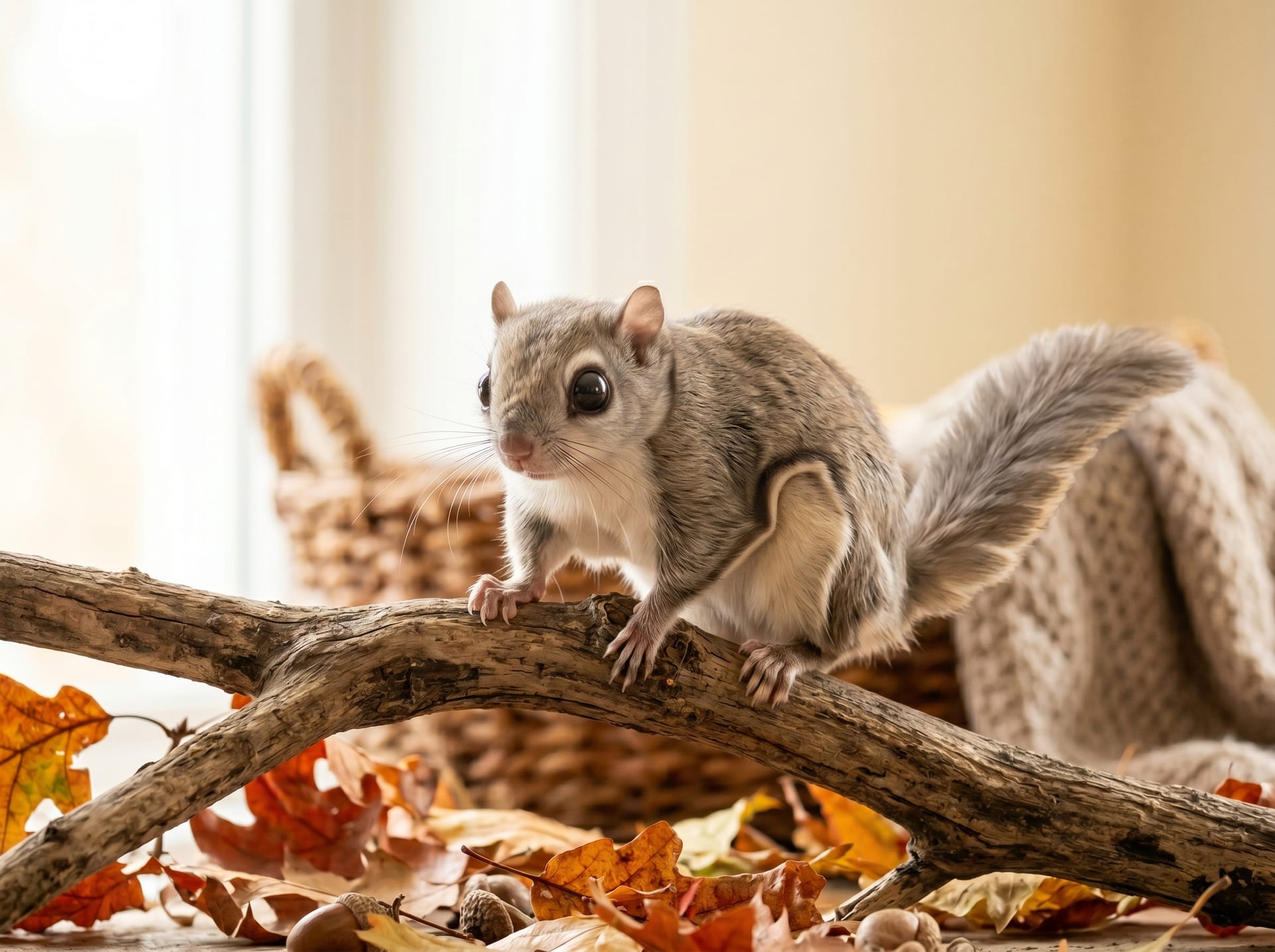
Sugar gliders are marsupials native to Australia and Indonesia, measuring 12-15cm in body length and weighing approximately 100-160 grams. They have a membrane (patagium) between their front and hind legs, enabling them to glide from tree to tree. Even in captivity, you can observe them spreading their patagium when leaping from high places.
Being nocturnal is their most defining characteristic. They sleep most of the day, becoming most active from dusk through late night. Some owners may feel this clashes with their lifestyle, but once acclimated, some individuals adjust to wake up around their owner's return time.
They are highly social animals, living in groups of 10-15 in the wild. A single sugar glider can bond with its owner as a substitute for group members, but if you're away for long periods frequently, consider keeping multiple gliders. Loneliness causes serious stress for sugar gliders and can lead to self-mutilation (biting their own body). Their lifespan under proper care is relatively long at 12-15 years.
Diet Management: Building a Balanced Menu
Diet management is the most important and challenging aspect of sugar glider care. In the wild, they consume a diverse diet including insects, tree sap, nectar, fruit, and small vertebrates. This diversity must be replicated in captivity.
The basic diet composition should be approximately 50% protein sources and 50% vegetables and fruits. Suitable protein sources include sugar glider pellets, boiled eggs, mealworms, and crickets (live or dried). Vegetables such as sweet potato, pumpkin, broccoli, and carrots can be given steamed or raw. Offer fruits like apple, grape, melon, and banana in small quantities.
The calcium-to-phosphorus ratio (Ca:P) requires particular attention. When the Ca:P ratio falls below 2:1, the risk of metabolic bone disease (MBD) increases. Add sugar glider-specific calcium supplements to meals to maintain balance. Fruits are high in phosphorus and low in calcium, so be careful not to overfeed them. Always provide fresh water via a bottle-type waterer.