Heatstroke and Hypothermia in Small Animals | How to Identify Emergencies and Provide First Aid
Detailed explanation of heatstroke and hypothermia symptoms in small animals like hamsters, rabbits, and guinea pigs, first aid procedures, and temperature management for prevention.
Key Takeaways
Detailed explanation of heatstroke and hypothermia symptoms in small animals like hamsters, rabbits, and guinea pigs, first aid procedures, and temperature management for prevention.
Related Species
Small animals have small bodies and limited thermoregulation abilities, so even minor temperature fluctuations that would be harmless to humans can be life-threatening. Japan's extreme summer heat and harsh winters pose significant risks to small animals. Both heatstroke and hypothermia are high-emergency conditions where a pet owner's ability to quickly recognize symptoms and provide proper first aid can mean the difference between life and death. This article provides a detailed explanation of temperature-related emergencies in small animals.
Why Small Animals Are Vulnerable to Temperature Changes
There are clear physiological reasons why small animals are vulnerable to temperature fluctuations. First, because their bodies are small, the ratio of surface area to volume is large, making them susceptible to ambient temperature changes. Their body temperature rises and falls much more rapidly than in larger animals.
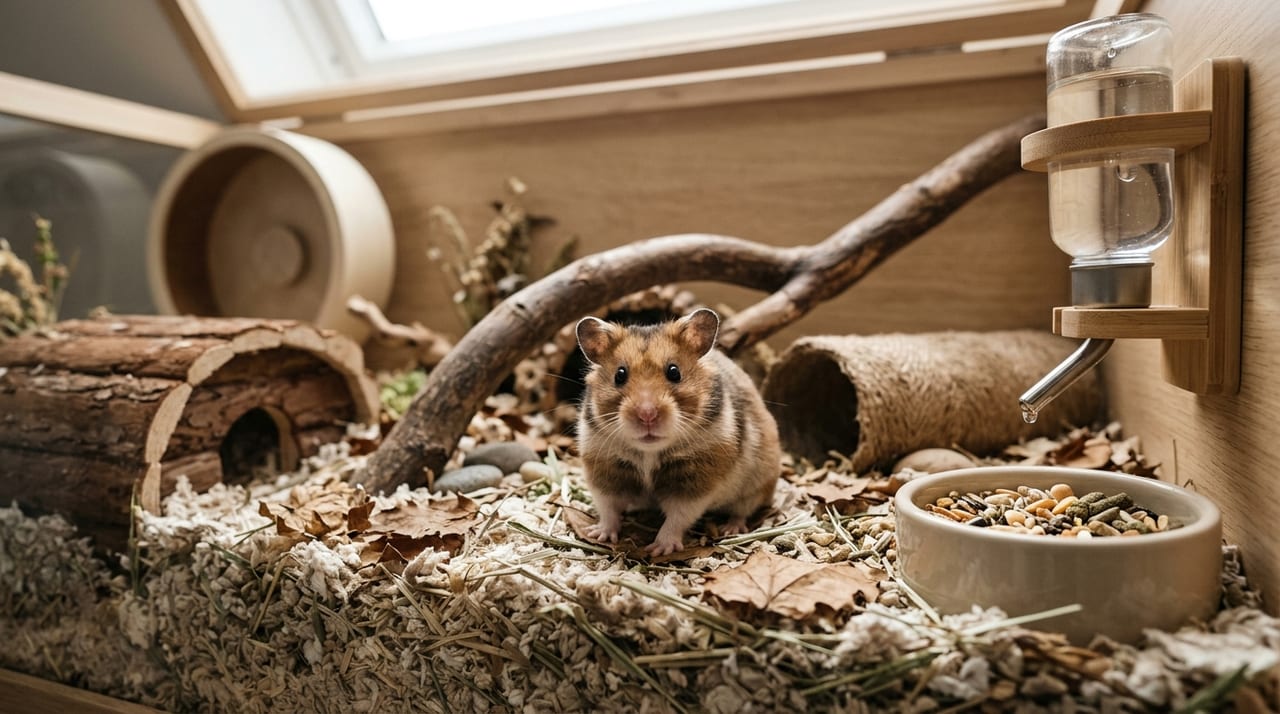
Most small animals have few or no sweat glands and cannot regulate body temperature through sweating. Rabbits expand blood vessels in their ears to dissipate heat, and hamsters cool themselves by applying saliva to their bodies to use evaporative cooling—but these limited thermoregulation methods are insufficient to cope with extreme summer heat.
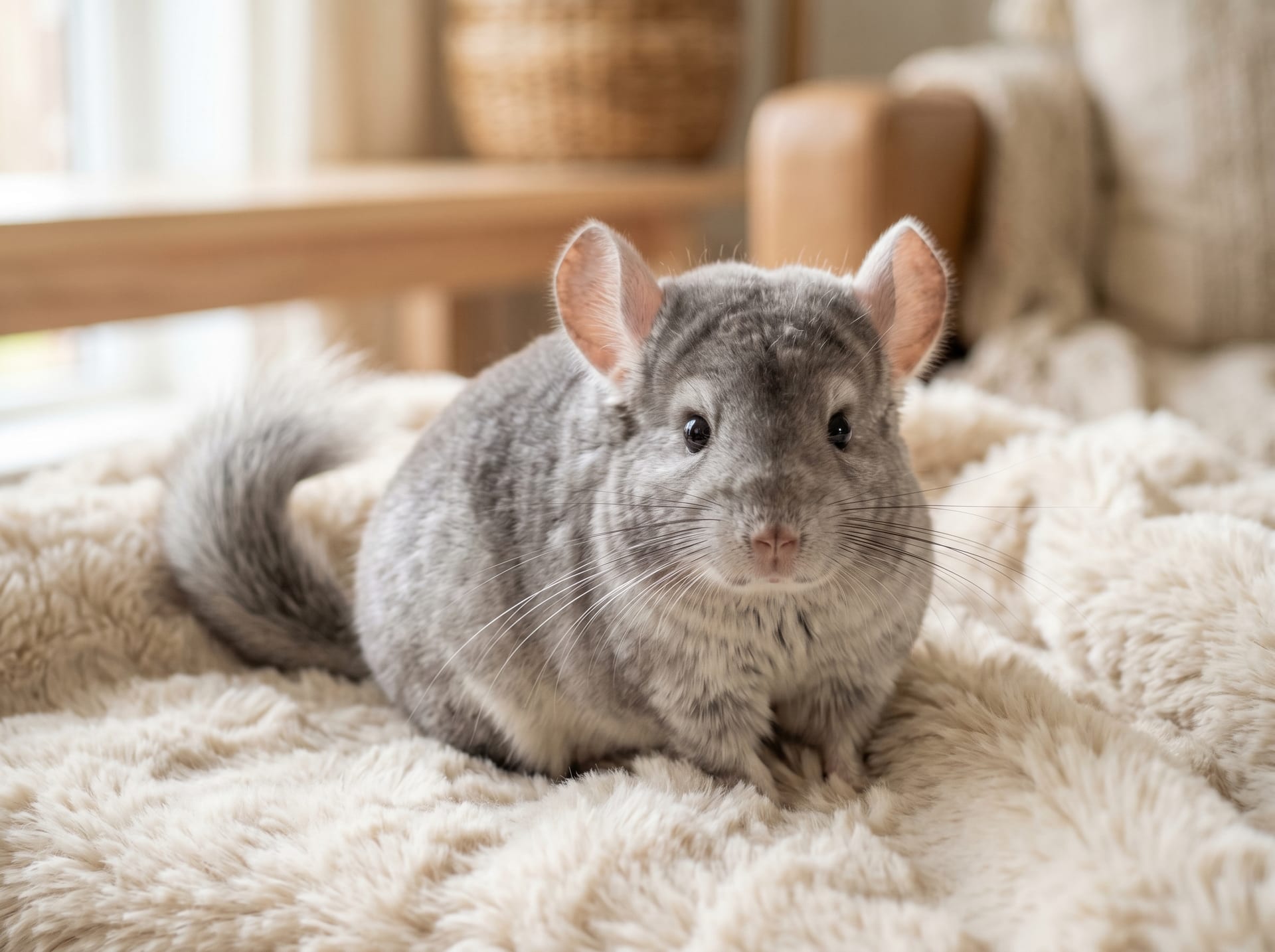
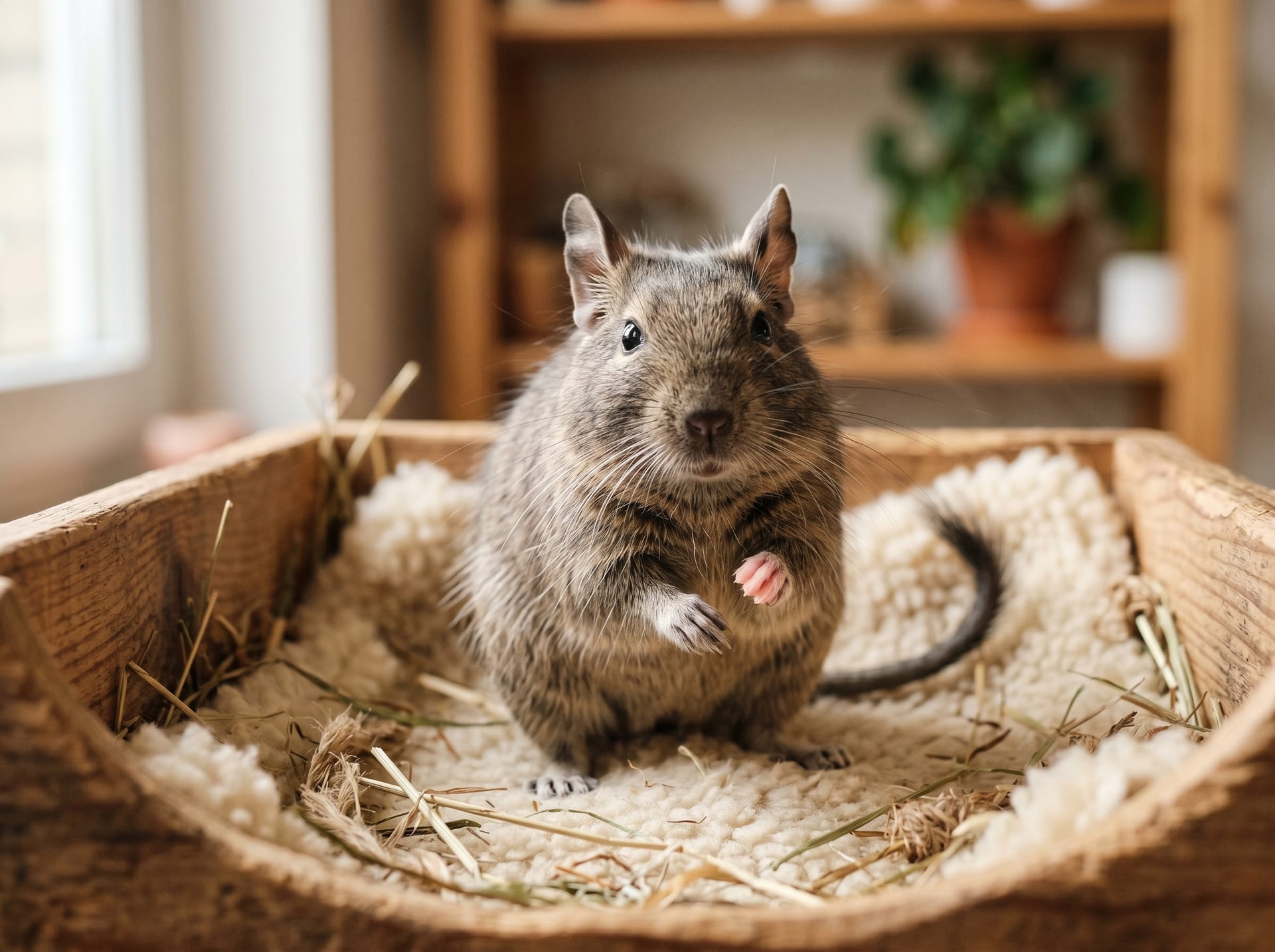
Let's check the appropriate temperature for each species. Hamsters: 20–26°C, Rabbits: 18–24°C, Guinea pigs: 18–24°C, Chinchillas: 15–22°C, Ferrets: 15–25°C, Degus: 20–25°C. Chinchillas are particularly heat-sensitive due to their dense fur, and the risk of heatstroke increases dramatically when temperatures exceed 25°C.
Heatstroke Symptoms and Emergency Severity by Stage
Heatstroke progresses in stages. Recognizing early symptoms is key to saving a life. In the mild stage, you may observe rapid breathing (panting), reddening of the ears or foot pads, lethargy and lying flat, excessive thirst, and searching for cool spots. If treated at this stage, the chances of recovery are high.
In the moderate stage, additional symptoms appear: excessive drooling, glazed eyes, loss of appetite, and a noticeably hot body to the touch. In rabbits, the nose becomes wet, breathing becomes labored, and the ears become extremely red and hot. This stage requires immediate action.
In severe cases, convulsions, confusion, a cold body (due to peripheral vasoconstriction), and bleeding from the nose or mouth may occur. Once severe heatstroke develops, organ damage is likely, and survival rates drop significantly.