Rescue Cats or Purebred Cats: Which Should You Choose?
When it comes time to bring a cat into your home, many people first wrestle with the choice between "rescue cats or purebred cats (pure breeds)." Both have appeal, and both suit certain people while not suiting others. In this article, we compare the two based on facts rather than emotions, offering hints to help you find the best choice for you.
What Are Rescue Cats? What Are Purebred Cats? Getting the Basics Straight
A rescue cat is a cat that has been taken in by an animal shelter, rescue organization, or private volunteer. Cats from various backgrounds—abandoned, lost, victims of hoarding situations—are waiting for new families. While most are adult cats, kittens are also rescued regularly.
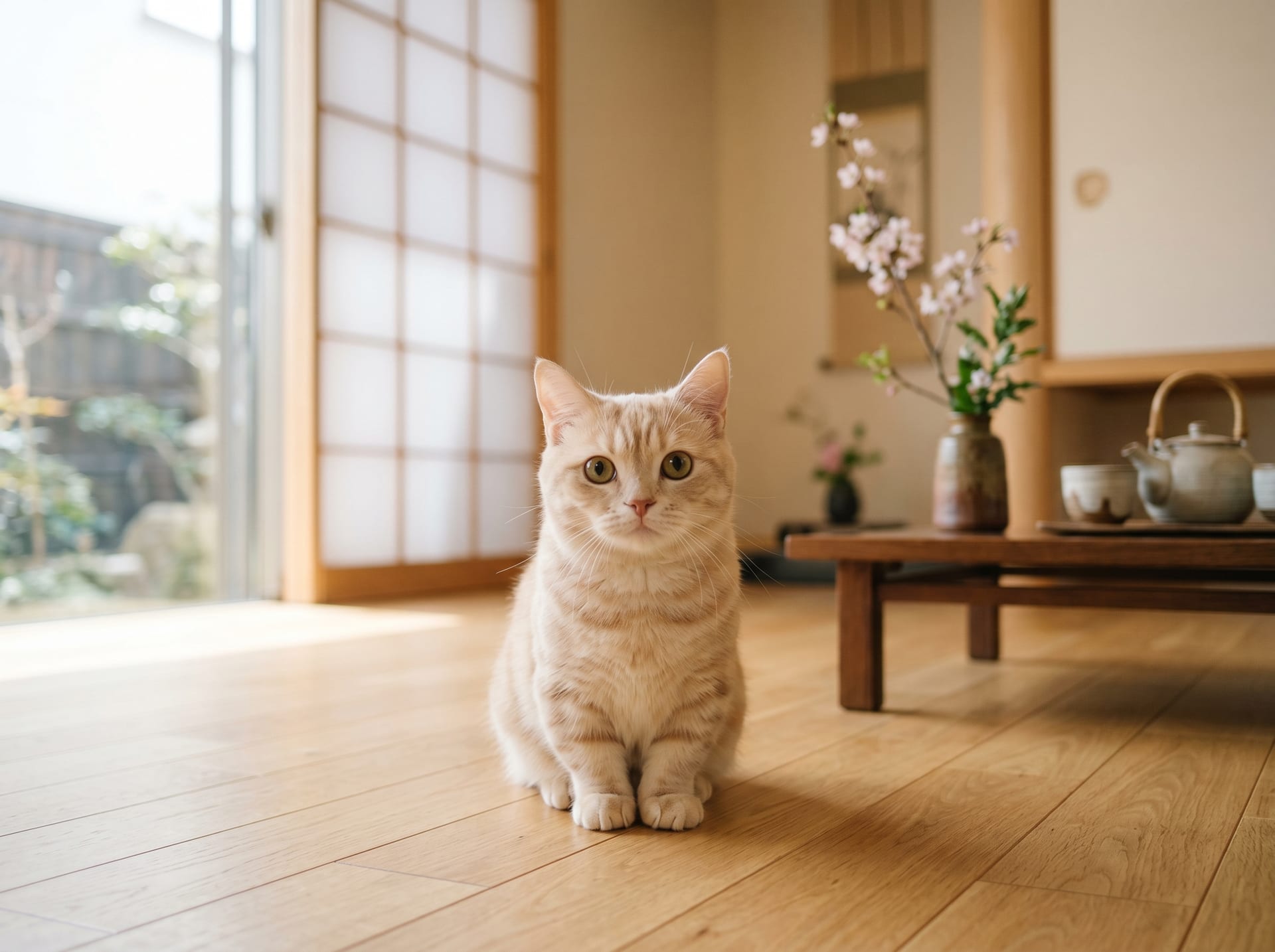
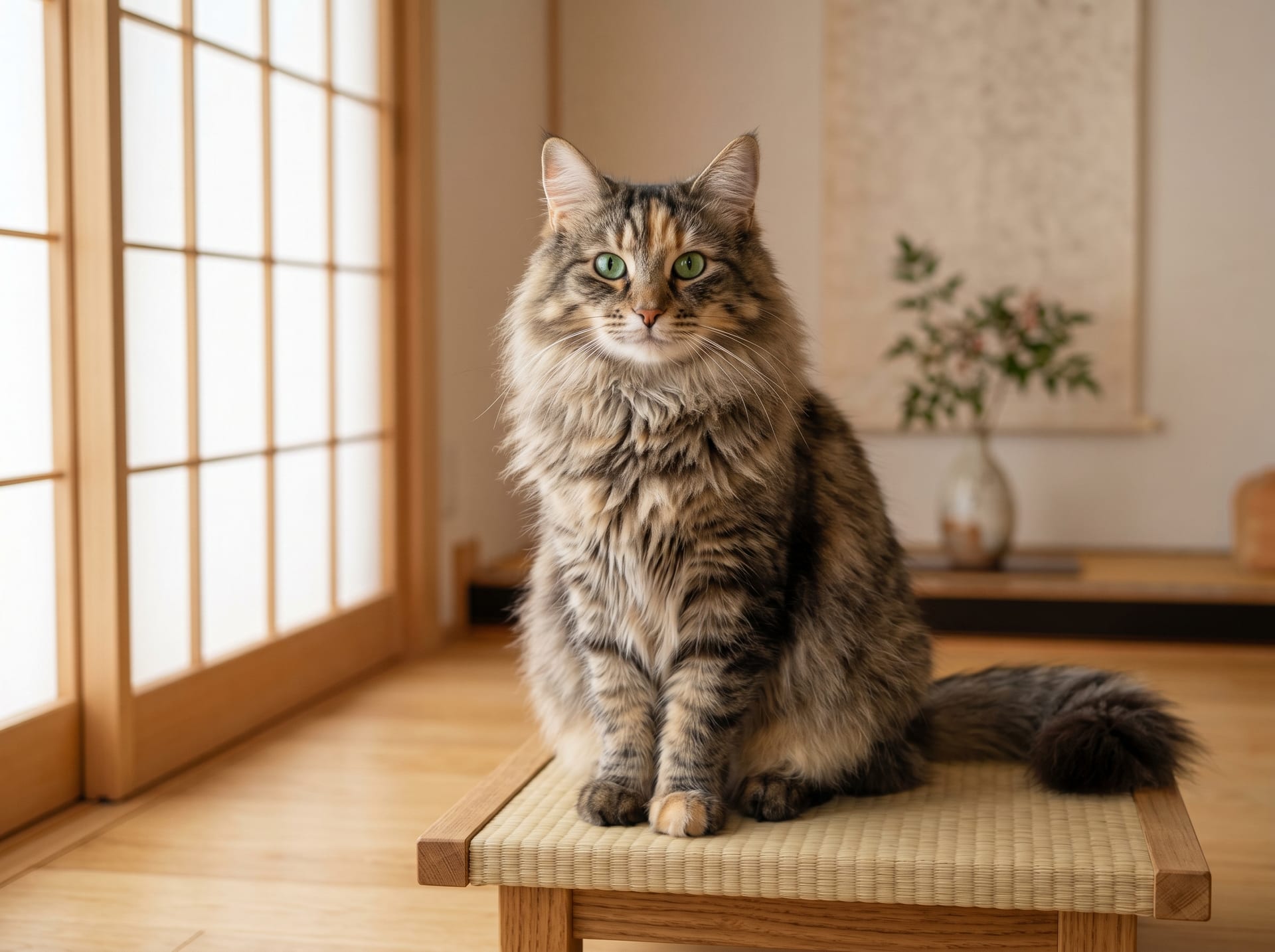
A purebred cat is a cat obtained from a registered, authorized breeder with organizations like the CFA (Cat Fanciers' Association) that maintains pedigree records. Breeds like Munchkins, Scottish Folds, and Norwegian Forest Cats have a major advantage: their body shape, coat color, and personality tendencies can be predicted to a reasonable degree.
Neither is inherently a "better cat"—what matters is matching their characteristics with your own lifestyle.
Cost Differences: Comparing Initial and Long-term Expenses
Rescue Cats
Adoption costs for rescue cats are generally modest. Most rescue organizations charge adoption fees of roughly ¥10,000–30,000, which cover vaccines, spay/neuter surgery, and microchipping. Some are free, though those may have stricter screening processes.
However, depending on their background, some may have chronic illnesses or dental issues, so be prepared for ongoing medical expenses. Daily supplies like food and litter are similar to those for purebred cats—budget around ¥10,000–20,000 per month.
Purebred Cats
Purebred cats from breeders often cost ¥50,000 to ¥300,000 or more, depending on breed and pedigree. Show-quality bloodlines or rare colors command even higher prices.
On the other hand, reputable breeders typically conduct thorough health screenings (such as HCM screening to check for genetic diseases) and often provide some health guarantee. Since you can learn about breed-specific health risks in advance, it's easier to plan long-term medical expenses. Different breeds have different concerns—Scottish Folds are prone to joint issues, Maine Coons may have heart problems—so it's important to ask your breeder about these breed-specific risks.
Differences in Adoption and Purchase Conditions: The Process of Bringing a Cat Home
Rescue Cat Adoption Requirements
Some rescue organizations have strict screening processes and may impose conditions such as:
- Some organizations will not adopt to single adults, elderly individuals, or those living alone
- Proof that rental properties allow pets is required
- A trial period (1–2 weeks) may be in place
- Some organizations request periodic updates after adoption
- If you have existing pets, compatibility checks may be required
These conditions exist to protect the cat's well-being, though some may find them restrictive. On the other hand, rescue organizations have a major advantage: they can provide detailed information about a cat's personality and health before adoption. Staff have observed the cat for weeks or months, allowing them to share details about personality (compatibility with other cats and dogs, preference for being held, activity level, etc.)—information harder to get from a breeder.
Breeder Purchase Conditions
Purchasing from a breeder mainly involves payment and signing a contract. However, reputable breeders may visit your home to verify your living environment before delivery. Contracts typically include clauses prohibiting abuse, resale, and breeding (for pet-grade sales), so it's crucial to choose breeders who take the cat's welfare seriously. Visiting the breeder directly to see their facilities and the parent cats provides valuable peace of mind.
Choosing by Lifestyle: Which Is Right for You?
Even though the desire to own a cat is the same, the right choice depends on your lifestyle.
Rescue Cats Are Better for:
- Those who prefer a calm, relaxed lifestyle: Adult cats have established personalities, so there are fewer surprises
- Those interested in making a social impact: You'll find meaning in saving a life
- Those wanting to minimize costs: Lower initial fees (though budget for medical emergencies)
- Those unconcerned with appearance: You'll find unique personalities among mixed breeds and domestic shorthairs
- Those wanting to carefully check compatibility with existing cats: Organizations with trial periods help minimize risks
Purebred Cats Are Better for:
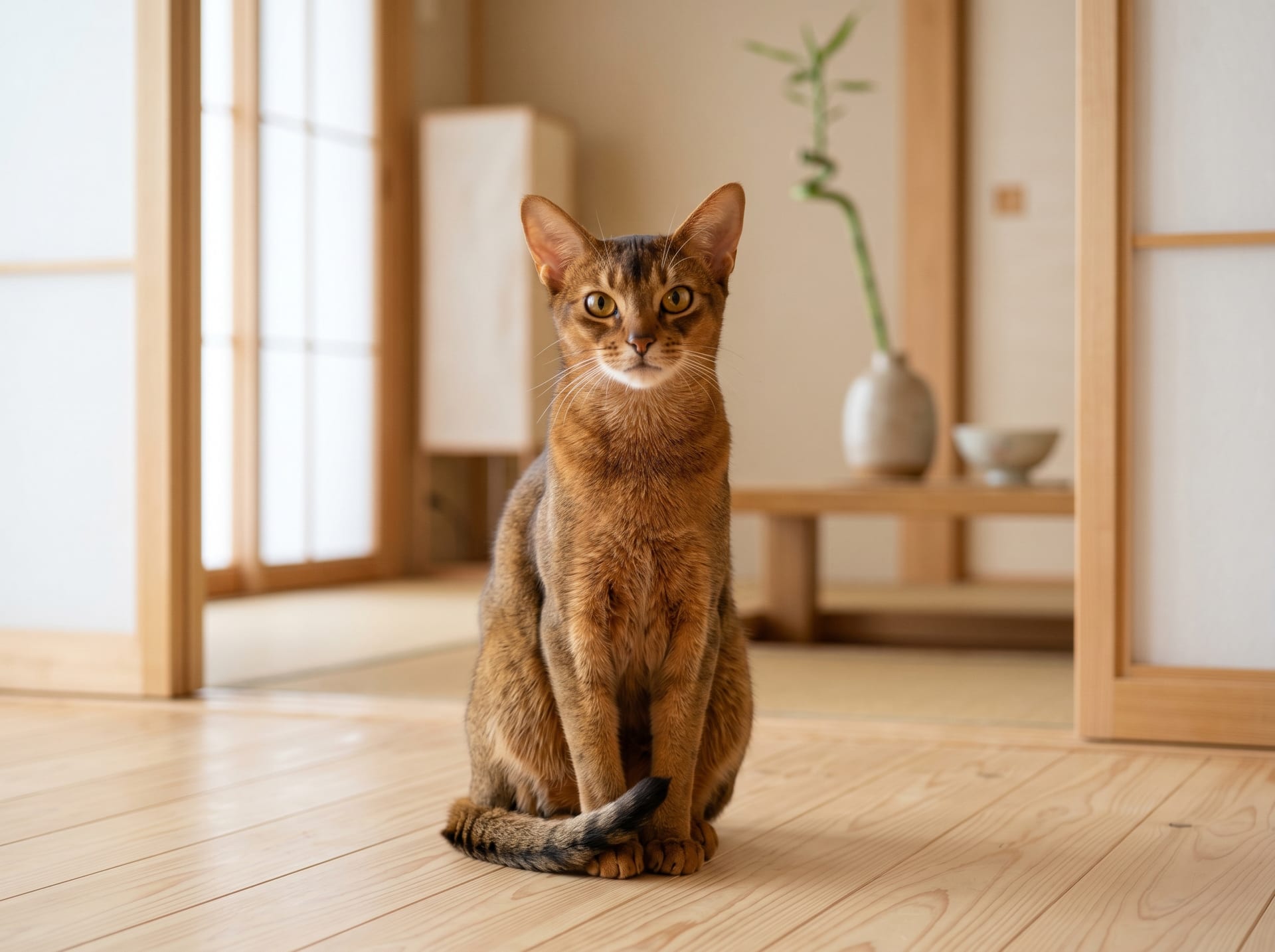
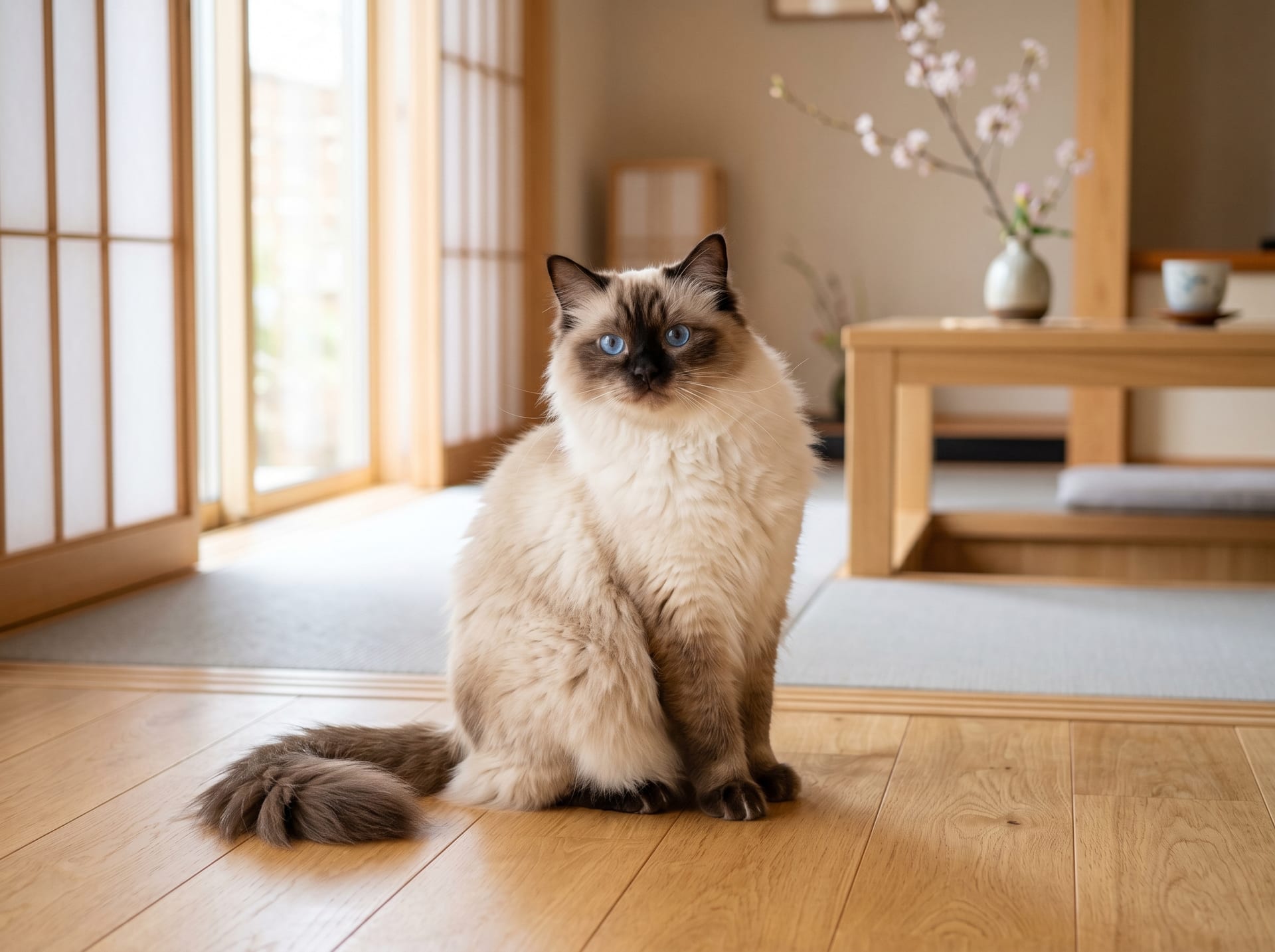
- Those wanting to know breed temperament and size in advance: Abyssinians are active, Ragdolls are laid-back—breed traits are reliable guides
- Those concerned about allergies: You can choose breeds like Siberians or Balinese marketed as "low in allergens (Fel d 1 protein)" (though the scientific basis for breed differences is not well established; individual variation and sex/neutering status have greater influence)
- Those interested in showing or breeding: You'll need pedigree-registered cats
- Those wanting to raise a kitten from a young age: Breeders typically have younger kittens available
- Those with specific appearance preferences: Long-haired, short-haired, or particular coat colors—breed characteristics are consistent
Things to Confirm Before Bringing a Cat Home
Regardless of your choice, proper preparation greatly affects your quality of life with a cat. Please use the following checklist:
- Prepare your home: Cat trees, litter boxes (one per cat plus one extra), and hiding spots
- Find a veterinarian: Research local animal hospitals and schedule your first appointment before bringing your cat home
- Get family consensus: Discuss allergies, long-term care responsibilities, and where the cat will stay during trips
- Financial preparation: Budget for monthly food and litter, annual vaccinations and checkups (roughly ¥30,000–50,000 per year), plus an emergency medical fund
- Align with your life plan: Cats live 15–20 years—think long-term about moves, career changes, marriage, and having children
- Prevent escapes: Install escape-prevention nets or fences on doors and windows
"Financial preparation" is often overlooked. Whether rescue or purebred, the total cost of caring for one cat over its lifetime can easily exceed ¥1,000,000–2,000,000. We recommend considering pet insurance early.
Summary: Regardless of Your Choice, Commitment and Preparation Matter Most
Choosing either a rescue cat or a purebred is a wonderful decision. What matters is not "which is better," but honestly assessing "which matches your lifestyle and values."
Rescue cats offer the opportunity to save a life; purebreds allow you to become part of a breed's cultural heritage. Whichever path you choose, a happy life with your cat is built on commitment and lifelong love.
On BreederDirect, you can adopt cats directly from trusted breeders. We provide an environment where you can directly ask breeders about pedigrees, breed characteristics, and their expertise. If you're interested in a particular breed or have specific requirements, please consult directly with our breeders.