Ectothermy and How Reptile Temperature Works
Reptiles are ectothermic animals (poikilothermic). Unlike mammals and birds, they have limited ability to generate heat internally and regulate their body temperature by absorbing heat from their environment. This characteristic goes beyond merely being a difference in temperature regulation—it profoundly affects immune function, digestive capacity, reproductive function, and metabolism.
The reason reptile keepers prioritize temperature management as their top priority is that body temperature directly determines the animal's fundamental physiological output.
What is POTZ: The Concept of Optimal Body Temperature Range
POTZ (Preferred Optimal Temperature Zone)
A crucial concept in reptile husbandry literature is POTZ (Preferred Optimal Temperature Zone). It is the temperature range that each species "chooses," and within this range, physiological functions are maximized.
| Species | POTZ (Daytime Activity) |
|---|
| Leopard Gecko | 28–32°C |
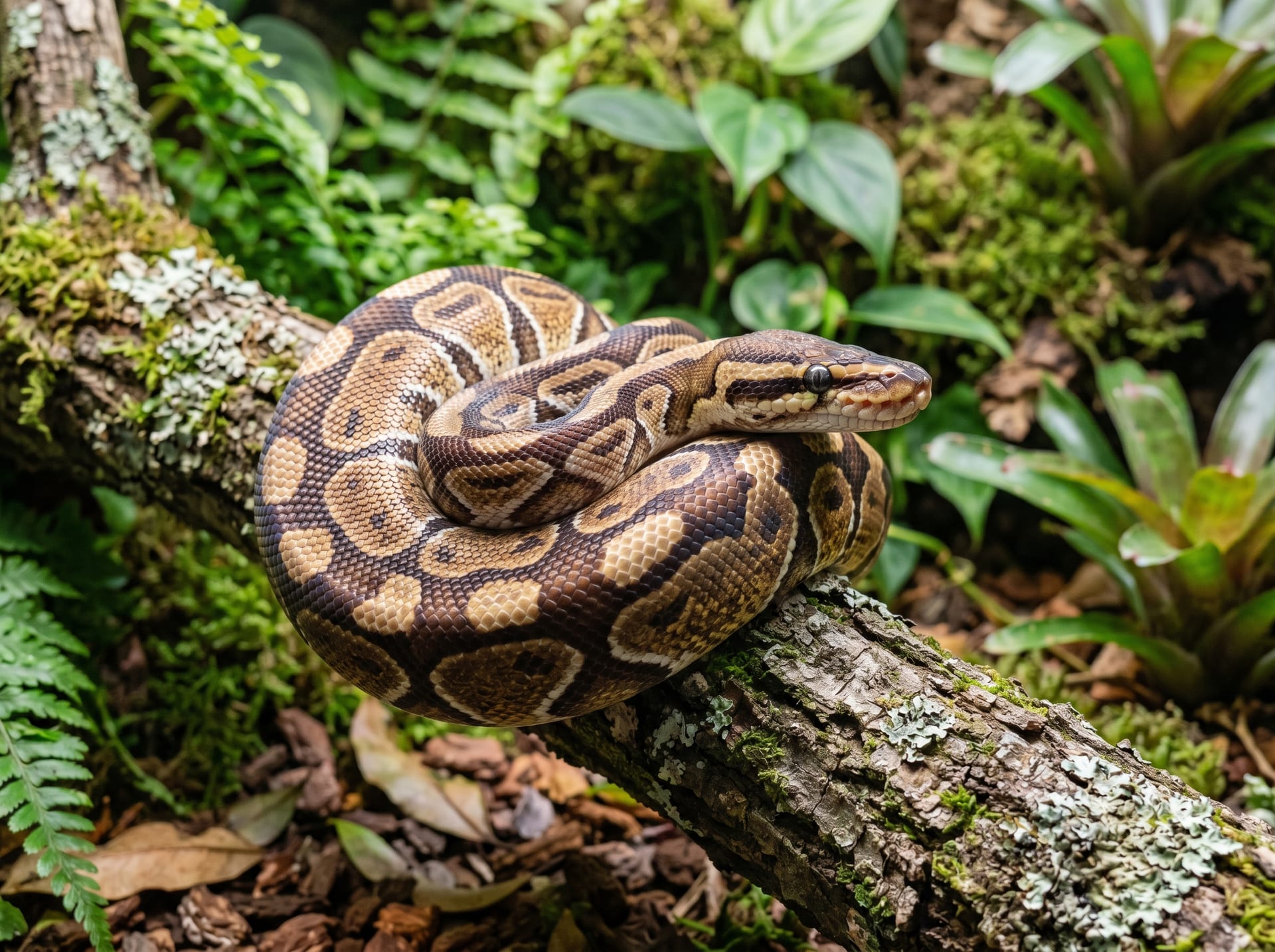
| Ball Python | 30–33°C (Hot Spot) |
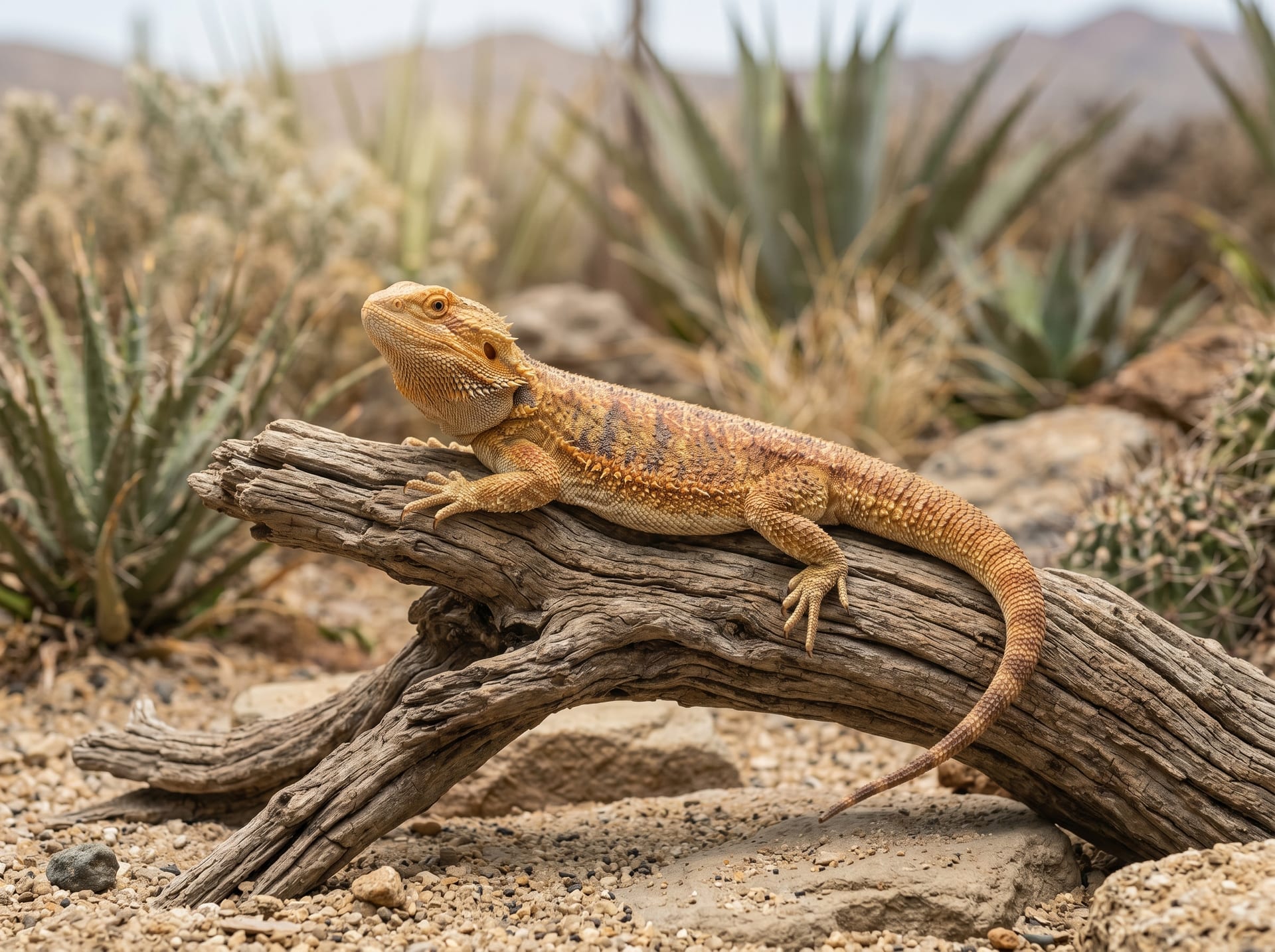
| Bearded Dragon | 35–43°C (Basking Spot) |
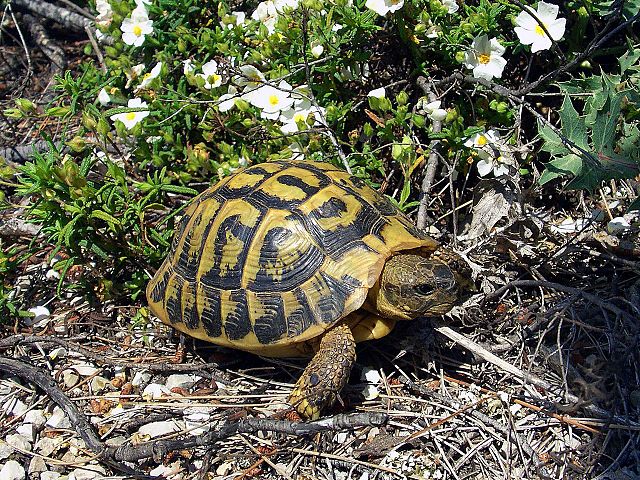
| Hermann's Tortoise | 25–30°C (Ambient Temperature) |
| Chameleon | 26–30°C (Varies by species) |
Why Problems Occur Outside POTZ
Enzymes in a reptile's body function most efficiently within a specific temperature range. When body temperature falls below POTZ, enzyme activity decreases, triggering a cascade of problems.
Health Problems Caused by Hypothermia
1. Immune Function Decline
The activity of reptile white blood cells (neutrophils, macrophages, etc.) is temperature-dependent. Research shows that lowering body temperature by 2–4°C significantly reduces the migration and phagocytic capacity of immune cells.
Practical Impact: When body temperature is low, defense against commensal bacteria (Aeromonas, Salmonella, etc.) weakens, allowing normally harmless bacteria to cause opportunistic infections. Respiratory infections are particularly common during hypothermia.
2. Digestive Function Decline
Digestive enzyme activity is also temperature-dependent.
- Within POTZ: Digestion and absorption complete within 24–48 hours after feeding
- 2–3°C Below POTZ: Digestion may take 3–5 days
- Severe Hypothermia: Food rots in the intestines, causing enteritis, gas accumulation, and anorexia
Therefore, leaving an animal at low body temperature after feeding is particularly dangerous.
3. Impact on Shedding
Skin maturation and the shedding process are linked to metabolism. Prolonged hypothermia extends the shedding cycle, making old skin more likely to remain (incomplete shedding). Retained skin on the tips of fingers or around the eyes can cause necrosis.
Risks of Hyperthermia (Overheating)
The risk on the opposite end of hypothermia is equally important. Reptiles are more vulnerable to high temperatures than mammals.
Heat Stroke (Hyperthermia)
Heat stroke occurs when enclosure temperature exceeds the animal's tolerance threshold.
| Species | Approximate Lethal Temperature |
|---|
| Most species | 40–42°C or higher |
| Bearded Dragon | 45°C or higher (outside basking spot) |
| Ball Python | 38°C or higher for extended periods |
Symptoms include open-mouth breathing (gaping), unsteady gait, convulsions, and lying on its side. Severe heat stroke is a life-threatening emergency that can cause death within hours.
Chronic High-Temperature Stress
Even below lethal levels, constantly exceeding the upper limit of POTZ causes chronic stress, leading to sustained corticosterone (stress hormone) secretion. This results in immunosuppression and increased susceptibility to infections.
Temperature Gradient Design (Thermogradient)
Why Temperature Gradients Are Necessary
Reptiles naturally move around their enclosure to regulate body temperature (behavioral thermoregulation). By choosing between warm and cool areas, they can utilize optimal temperatures for different phases of immune regulation, digestion, sleep, and reproduction.
In an enclosure with uniform temperature, reptiles cannot engage in autonomous thermoregulation, resulting in physiological functions constantly operating at a compromise state.
Practical Temperature Gradient Setup
Create a hot spot at one end of the enclosure and a cool zone at the other.
Example: Bearded Dragon (Enclosure 90 cm or larger)
- Hot Spot (directly under basking lamp): 40–43°C
- Warm Zone (basking side floor): 35–38°C
- Cool Zone (opposite side floor): 24–28°C
- Night: Lower entire enclosure to 20–25°C (nighttime temperature drop is a natural stimulus)
Example: Ball Python (90–120 cm Enclosure)
- Hot Spot (heating pad surface): 32–35°C
- Cool Zone: 24–27°C
- Night: Can lower entire enclosure to 23–26°C
Seasonal Variation and Breeding Applications
Cooling (Artificial Temperature Reduction)
For many reptiles, cooling (seasonal temperature reduction) effectively stimulates breeding. Managing animals at 5–8°C below normal temperatures for 8–12 weeks stimulates hormone secretion and ovarian and testicular activity.
However, during cooling, metabolism decreases, causing rapid depletion of energy reserves. The fundamental principle is to ensure the animal is in good health before cooling and to perform cooling on an empty stomach.
Summary: Temperature Management is Equivalent to Medical Intervention
For reptiles, temperature management is not a matter of "comfort"—it is an act equivalent to "medical intervention" that directly affects immunity, digestion, reproduction, and lifespan.
- Understand POTZ and create an appropriate temperature gradient from hot spot to cool zone
- Install thermometers at multiple locations (floor, air, and directly under hot spot)
- Regularly check temperature as it fluctuates with season, ventilation, and equipment condition
- Always keep in mind that failure in temperature management can be the root cause of disease
A proper thermal environment is the most effective means of protecting a reptile's immunity and health.