How to Create Temperature Gradients for Reptile Care | Hot Spots and Cool Zones
Explains how to create essential temperature gradients for reptile health. Introduces how to use basking lamps, under-tank heaters, and thermostats, as well as proper temperatures for different species.
Key Takeaways
Explains how to create essential temperature gradients for reptile health. Introduces how to use basking lamps, under-tank heaters, and thermostats, as well as proper temperatures for different species.
Related Species
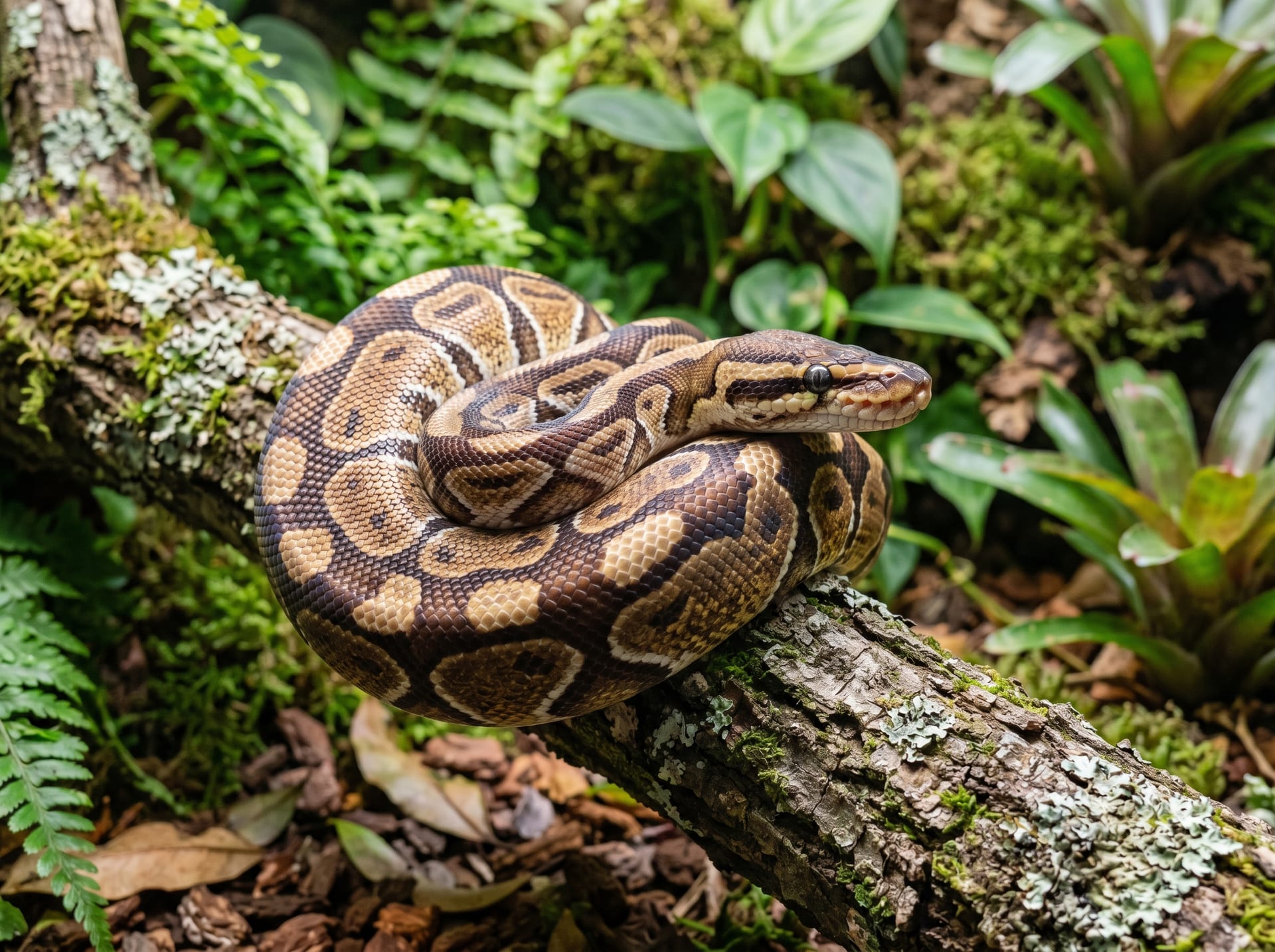
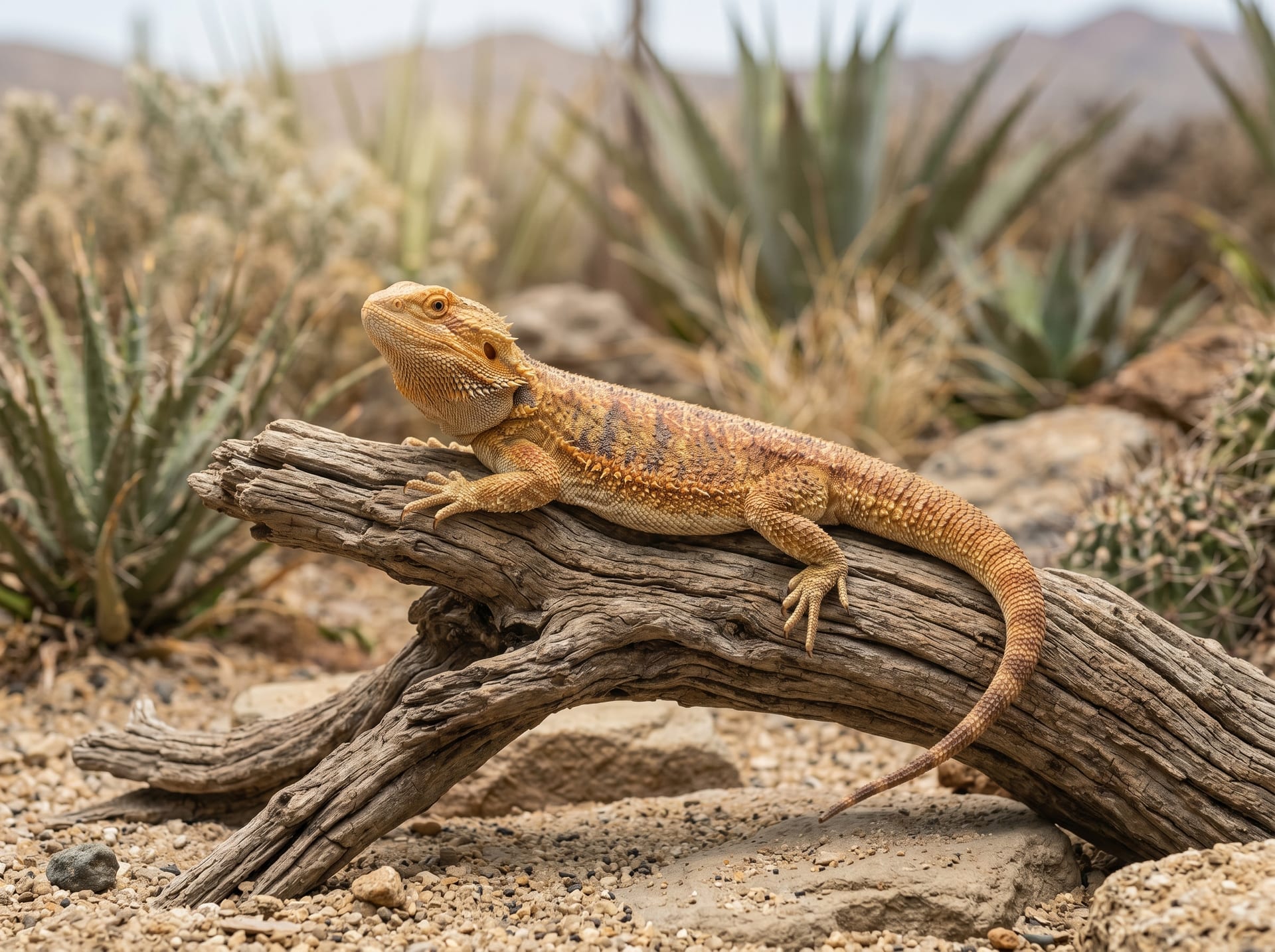
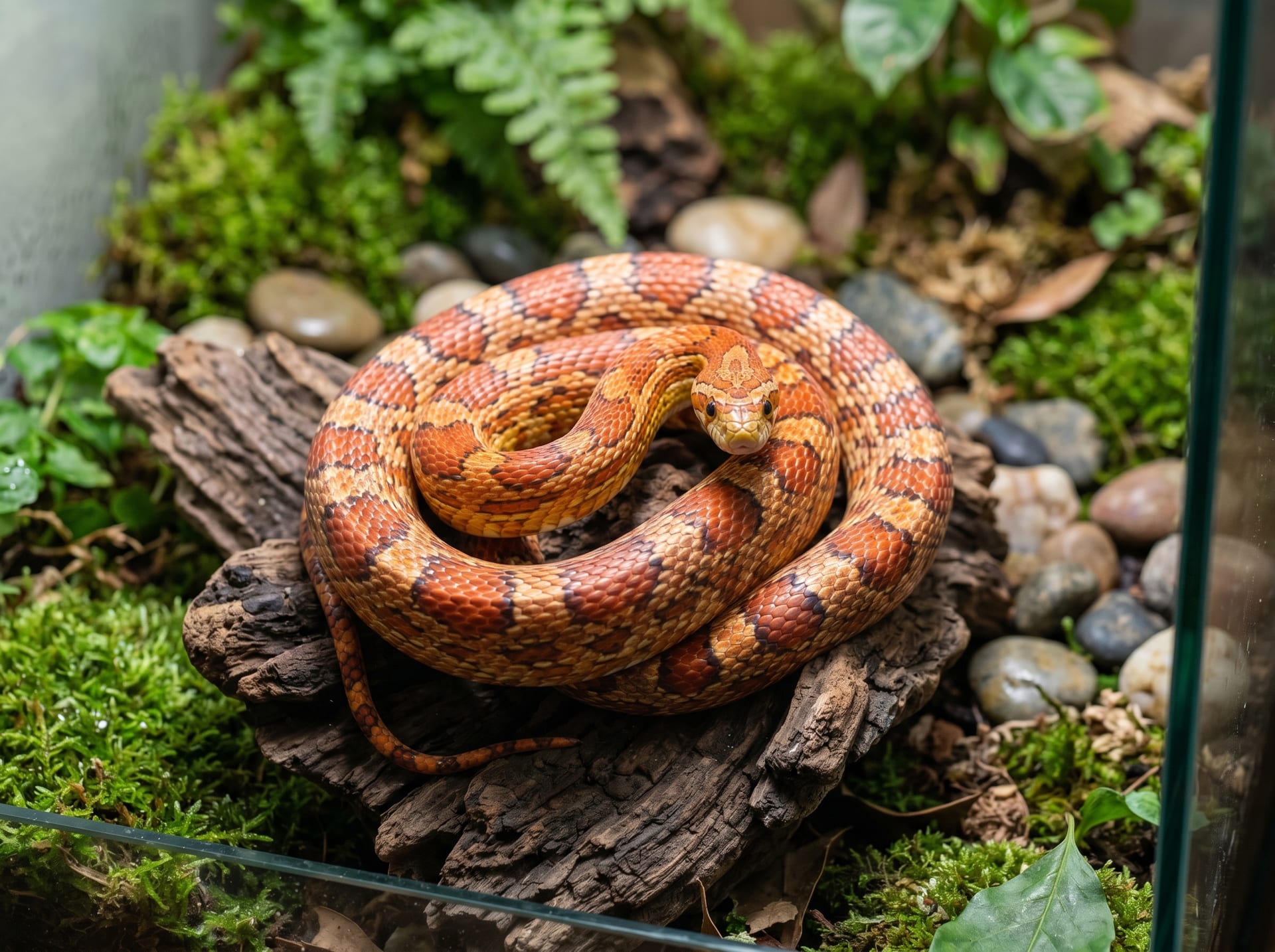
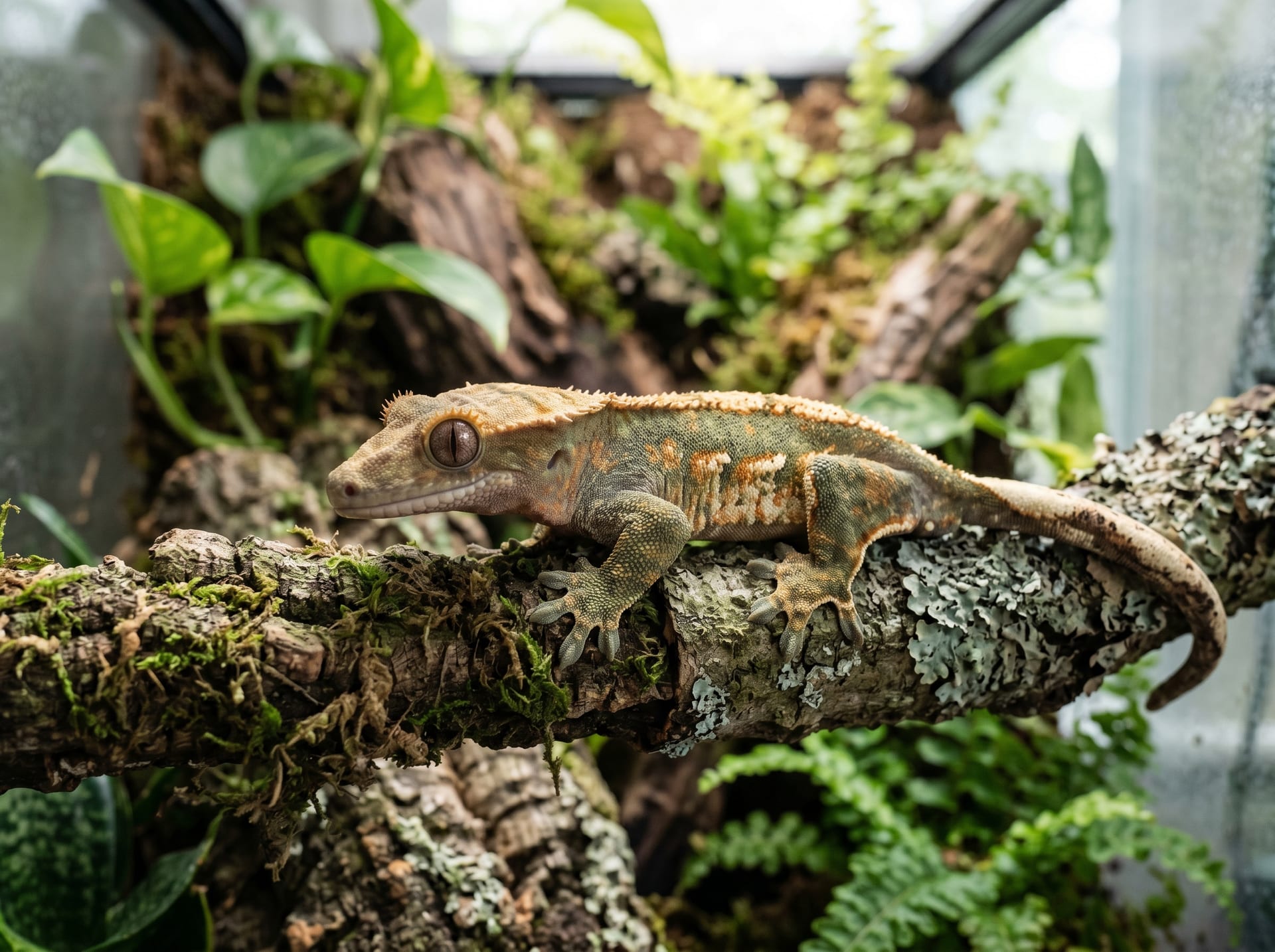
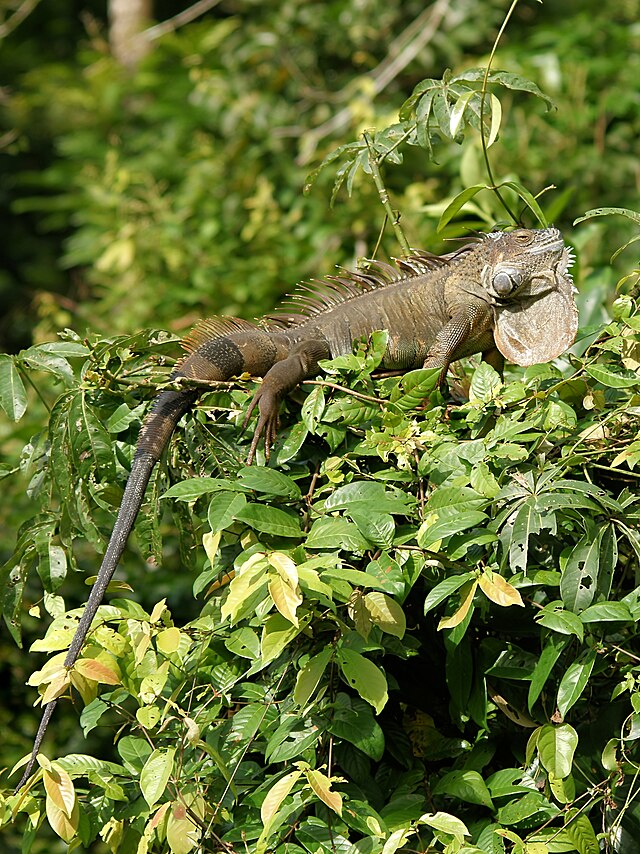
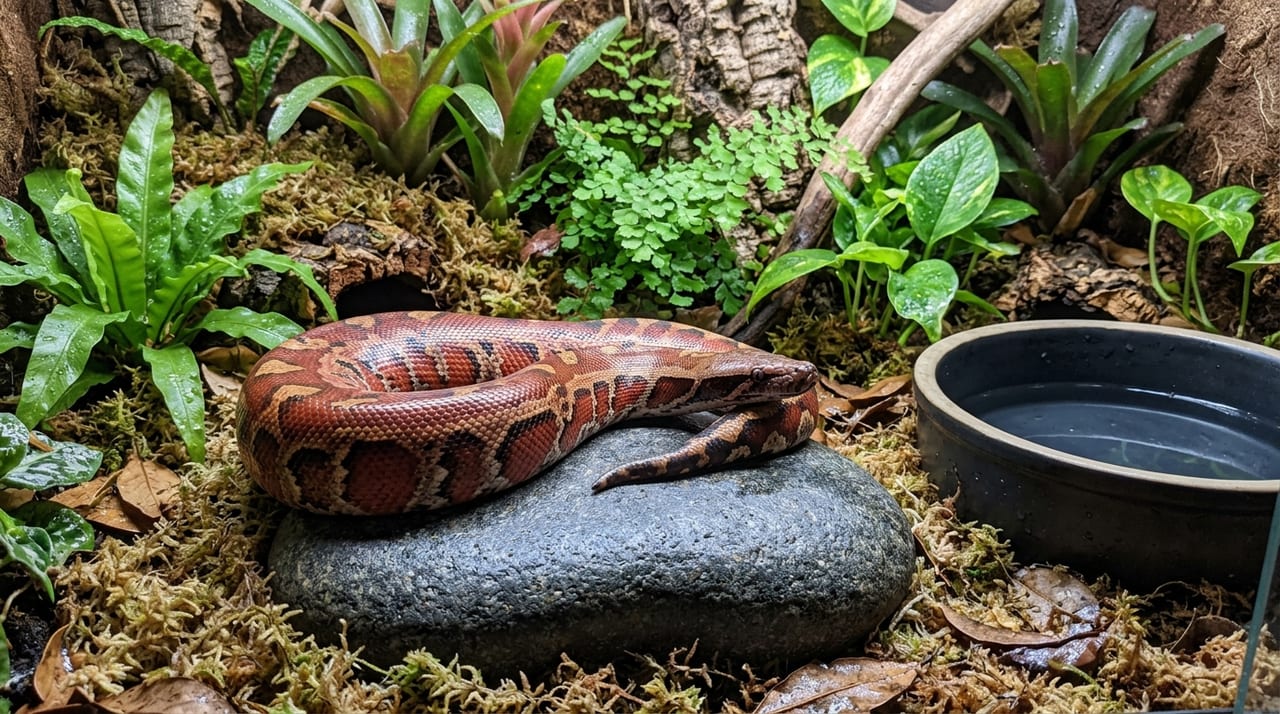
Reptiles are ectothermic animals and rely on environmental temperature to regulate their body temperature. Creating a temperature gradient in the enclosure—with a warm area (hot spot) and a cool area (cool zone)—is a fundamental technique essential to maintaining reptile health. This article explains in detail how to create temperature gradients and how to use heating equipment.
Why Is a Temperature Gradient Necessary?
Reptiles use "behavioral thermoregulation" to regulate their body temperature. When it's hot, they move to a cooler area; when it's cold, they move to a warmer area to adjust their body temperature. If the entire enclosure is the same temperature, this behavioral thermoregulation cannot occur.
Without a temperature gradient, various health problems occur, including poor digestion (from low temperature), dehydration (from high temperature), and decreased immunity. An appropriate temperature gradient provides an environment where reptiles can choose a comfortable body temperature of their own volition.
Types and Characteristics of Heating Equipment
- Basking Lamp (Spot Light): Concentrates intense light and heat at one end of the enclosure to create a hot spot. Essential for diurnal lizards such as Bearded Dragons and Green Iguanas. Placing a rock or branch beneath the lamp creates a basking spot where reptiles can warm their bodies. Wattage should be selected based on enclosure size and required temperature.
- Under-Tank Heater (Panel Heater): A heater placed under the enclosure floor that warms from below. By placing it over 1/3 to 1/2 of the enclosure floor, you can create a temperature difference between warm and cool areas. It is used as the primary heating equipment for nocturnal reptiles such as Leopard Geckos.
- Ceramic Heater: A heater that emits heat without producing light. It provides warmth at night without disturbing the reptile's sleep with light. It is used to raise the baseline temperature of the entire enclosure.
- Dantotsu (暖突): A thin panel heater attached to the enclosure ceiling, widely used in Japanese reptile husbandry. It efficiently warms the entire enclosure with radiant heat from above.
The Importance of Thermostats
Heating equipment must always be used in combination with a thermostat (temperature controller). Using heating equipment without a thermostat risks overheating the enclosure, potentially causing heat stroke or burns to the reptile.
Thermostats come in two main types.
- On/Off Type: A simple system that cuts power when the set temperature is reached and turns back on when it drops.
- Proportional Control Type (Pulse Proportional): A system that makes fine adjustments to power output to stabilize temperature, allowing for more precise temperature management. This type is suitable for basking lamps.
The placement of the temperature sensor (probe) is also important. Place it near the basking spot if measuring hot spot temperature, or near the center if managing overall enclosure temperature.
Temperature Setting Guide by Species
| Species | Hot Spot | Warm Side | Cool Side | Night | Notes |
|---|---|---|---|---|---|
| Bearded Dragon | Basking spot 38–42°C | 30–32°C | 24–26°C | 22–24°C is acceptable | |
| Leopard Gecko | Floor directly above under-tank heater 30–32°C | 25–27°C | 23–25°C | Basking lamp not required; under-tank heater is the primary heat source | |
| Ball Python | 30–32°C | 26–28°C | 24–26°C | A combination of under-tank heater and ceramic heater is typical | |
| Corn Snake | 28–30°C | 22–25°C | This species is relatively cold-tolerant, but ensure a warm area is provided for digestion | ||
| Crested Gecko | Approximately 28°C | This species is somewhat sensitive to high temperatures; room temperature husbandry (24–27°C) is the standard. Extra attention is necessary during summer heat |
Practical Temperature Management Techniques
- Install Multiple Thermometers: Place thermometers in both the hot spot and cool zone to verify that the temperature gradient is being maintained properly. A digital thermometer that records high and low temperatures is convenient.
- Seasonal Adjustments: In summer, enclosures tend to overheat; in winter, room temperature drops, requiring adjustments to heating equipment output. Since air conditioning use also affects temperature, it is helpful to keep temperature records year-round.
- Ensure Ventilation: Over-sealing the enclosure in pursuit of heat retention can lead to excessive humidity and poor air circulation. Maintain mesh areas and ensure adequate air flow.
Temperature Gradient Checklist
Here is a checklist to verify that a proper temperature gradient has been established.
- Is the hot spot reaching the appropriate temperature?
- Is the cool zone sufficiently cooler than the hot spot?
- Is the nighttime temperature dropping appropriately?
- Is the thermostat functioning normally?
- Are the thermometers showing accurate readings?
Check these regularly.
Welcome a Healthy Reptile from BreederDirect
Once the temperature environment is set up, you are fully prepared to bring a reptile into your home. At BreederDirect, you can purchase healthy reptiles raised under proper temperature management directly from breeders. Reference each breeder's care temperatures for species like Bearded Dragons, Leopard Geckos, and Ball Pythons to set up your home environment, and welcome your new companion smoothly.