Senior Reptile Care | Key Management Adjustments as Age Progresses | ブリちょく
Reptiles| ✍️ BreederDirect Editorial
Senior Reptile Care | Key Management Adjustments as Age Progresses
As reptile lifespans extend, caring for elderly individuals has become an important topic. This article explains aging signs in popular species like leopard geckos, bearded dragons, and tortoises, as well as dietary, temperature, and medical considerations.
Key Takeaways
As reptile lifespans extend, caring for elderly individuals has become an important topic. This article explains aging signs in popular species like leopard geckos, bearded dragons, and tortoises, as well as dietary, temperature, and medical considerations.
Reptile Lifespan and the Threshold of "Old Age"
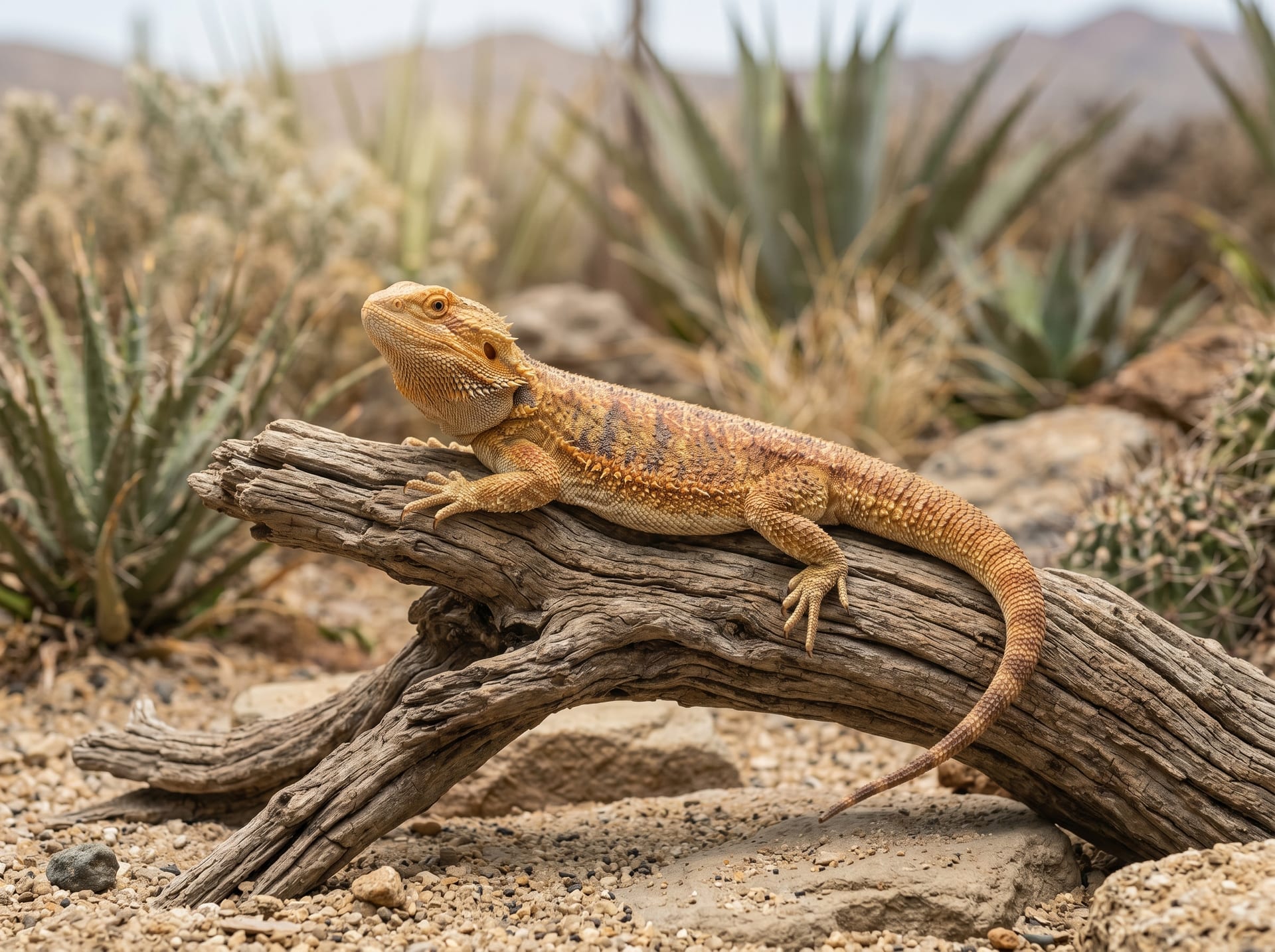
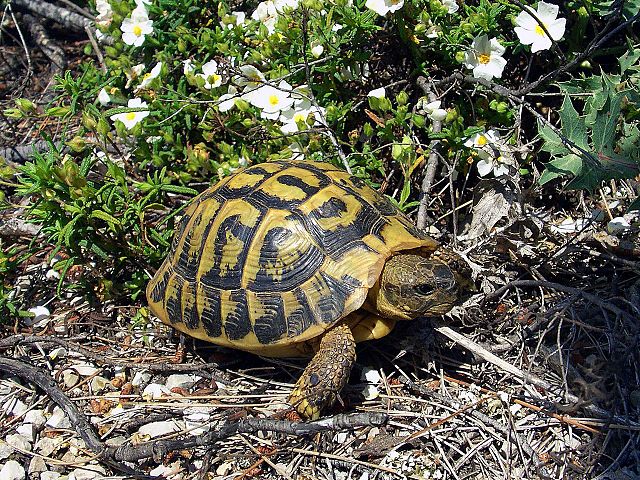
In recent years, as husbandry environments and food quality have improved, the average lifespan of reptiles has increased significantly. Leopard geckos live over 15 years, bearded dragons 10–12 years, and tortoises often exceed 50 years. While extended lifespans are encouraging, caring for elderly individuals presents new challenges.
✍️
BreederDirect Editorial
The BreederDirect editorial team specializes in care information for animals, covering veterinary care and breeding to deliver beginner-friendly guides.
Find Reptiles on BreederDirect
Buy directly from verified breeders
Browse Related Listings
Find Reptiles listings related to this article on BreederDirect. Buy directly from verified breeders.
Generally, a reptile enters the "senior" stage when reaching 70–80% of its species' average lifespan. For leopard geckos, this is around 10 years; for bearded dragons, around 7 years; and for Hermann's tortoises, around 40 years. However, individual variation is significant, and animals of the same age can show vastly different aging rates.
Recognizing Signs of Aging
Reptile aging progresses gradually, making daily changes easy to overlook. If you notice the following signs, it's time to consider senior care adjustments.
Changes in appetite: Refusing larger prey items, reduced food intake
Changes in weight and body shape: Thinning tail or abdomen, loss of skin elasticity
Incomplete shedding: Shed skin persisting around toes and eyelids
Cloudy eyes or mouth: Cataracts or oral erosion
These all reflect declining organ function and metabolic changes. We strongly recommend annual or semi-annual health check-ups with blood work to monitor liver and kidney function.
Dietary Adjustments and Hydration
Young reptiles require high-protein, high-calorie diets for growth, but seniors have reduced digestive capacity and organ stress increases. Adjust diet in the following ways:
Reduce prey size to ease chewing and digestion
Increase feeding frequency while reducing portion size per meal
Avoid high-fat prey like pinky mice; focus on insects and vegetables
For omnivorous tortoises, increase fiber and reduce protein
Continue calcium and D3 supplementation; add vitamin E as needed
Hydration is equally critical. Senior reptiles are prone to dehydration, which compounds declining kidney function and can lead to excretion problems. Keep water dishes clean and, depending on species, offer warm soaks (10–15 minutes in lukewarm water) 1–2 times weekly.
Fine-Tuning Temperature and Humidity
Senior reptiles have reduced thermoregulatory abilities, making clear temperature gradients even more essential. Set the hot spot slightly lower, with a 5–7°C difference between hot and cool ends. Avoid excessive nighttime temperature drops, as they impair immunity; review heating equipment.
For humidity, slightly higher levels than for juveniles help prevent shedding problems. Install humidity shelters and observe closely during shedding periods.
Medical Care and End-of-Life Considerations
With seniors, early detection through regular check-ups is paramount. Thin tails are early signs in geckos, dragging hind limbs in bearded dragons, and beak deformities in tortoises. Research and list reptile-experienced veterinarians in advance.
As end of life approaches, palliative care—minimizing pain and suffering—becomes important. Avoid force-feeding; maintain proper temperature, humidity, and a quiet environment to minimize stress. How you accompany a long-time companion in its final days reflects the maturity of reptile care.