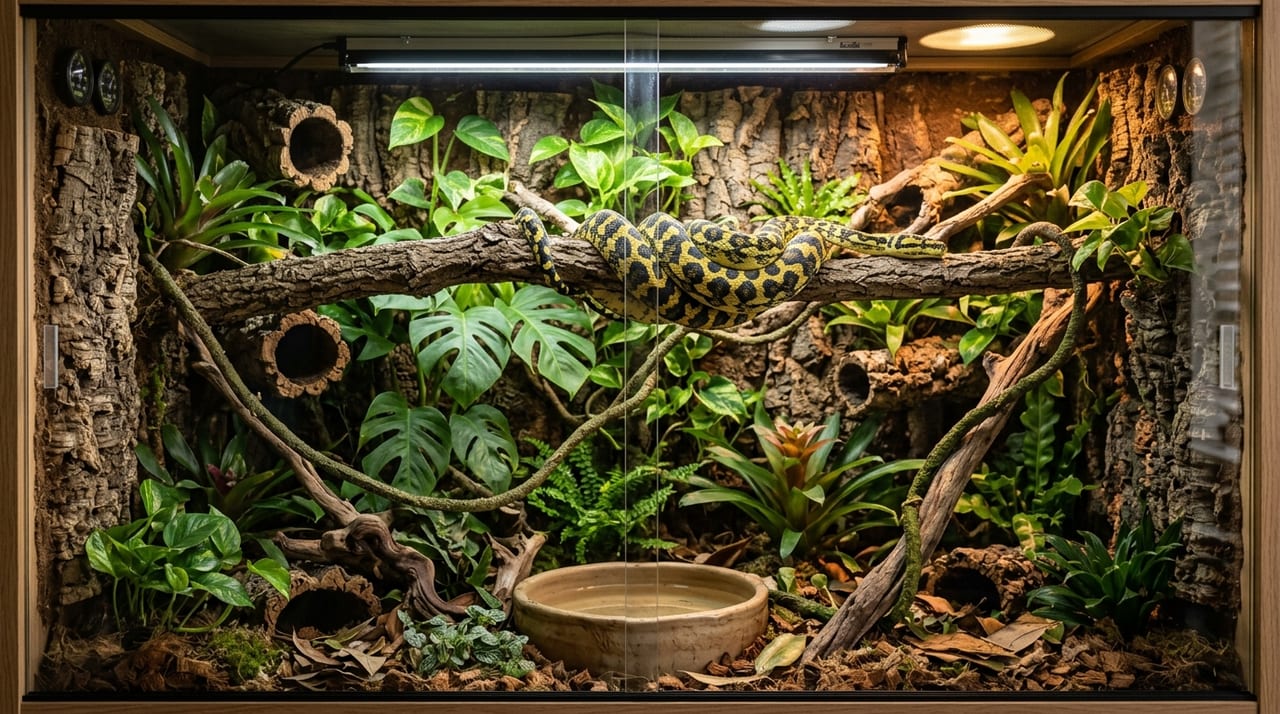
Reptile Buying Guide | How to Choose Between Breeders, Events, and Shops | ブリちょく
Reptiles| ✍️ BreederDirect Editorial
Reptile Buying Guide | How to Choose Between Breeders, Events, and Shops
A comparison of breeders, reptile expos, and pet shops for purchasing reptiles. Learn how to identify healthy individuals, what to check before purchase, and how to prepare before bringing one home.
Key Takeaways
A comparison of breeders, reptile expos, and pet shops for purchasing reptiles. Learn how to identify healthy individuals, what to check before purchase, and how to prepare before bringing one home.
✍️
BreederDirect Editorial
The BreederDirect editorial team specializes in care information for animals, covering veterinary care and breeding to deliver beginner-friendly guides.
Find Reptiles on BreederDirect
Buy directly from verified breeders
Browse Related Listings
Find Reptiles listings related to this article on BreederDirect. Buy directly from verified breeders.
Related Tools
Related Articles
Browse by Category
🪸Coral
🐠Marine Fish
🐟Tropical Fish
🐡Goldfish
🐟Medaka
🦎Reptiles
Share
Choosing Where to Buy: Essential Tips Before Bringing Home a Reptile
Reptiles are fundamentally different from dogs and cats—their health is directly tied to their environment and individual condition. Proper temperature and humidity control are non-negotiable, and each individual has unique personality traits and care requirements. For this reason, "where you purchase from" significantly shapes your entire experience as a reptile keeper.
Purchase sources generally fall into three categories: buying directly from a breeder, purchasing at a reptile expo, and shopping at a specialty store. Each has distinct advantages and considerations, so it's important to choose based on your lifestyle and the specific species or morph you're seeking. This article explains the characteristics of each purchasing method, how to identify healthy individuals, and what preparations you should make before bringing your new pet home.
---
Direct Purchase from Breeders: Benefits and Considerations
Strengths of Buying from a Breeder
The greatest advantage of purchasing directly from a breeder is having clear visibility into an individual's background. With captive-bred (CB) individuals, you can verify detailed information including parental history, breeding conditions, hatching date, and first feeding date. This data is invaluable for health management and establishing your care plan.
Access to husbandry environment and parental information: Understanding the conditions under which your animal was raised helps minimize transition stress
Accurate age and morph information: CB status is easier to verify, making it highly reliable when targeting specific morphs
Often excellent post-purchase support: Many breeders are willing to offer guidance on husbandry techniques, which is reassuring for beginners
Typically stable health status: With fewer intermediaries and lower transport stress, you're more likely to find individuals in excellent condition
Points to Note
Since you'll be dealing directly with individuals, it's crucial to verify the seller's credibility beforehand. Check their reputation on social media and in communities, review past transaction records, and confirm whether they'll provide photos and videos of the animal. If in-person exchange isn't possible, request multiple clear photos and videos so you can thoroughly assess the animal's condition.
---
Making the Most of Reptile Expos
The Appeal of Expo Purchases
Reptile and amphibian expos held regularly throughout the country bring together numerous breeders and dealers. In a single visit, you can directly compare and select from dozens or even hundreds of individuals, making expos especially ideal if you're searching for specific morphs or rare species.
See diverse individuals all at once: Comparing animals from multiple breeders side-by-side makes it easier to select individuals in better condition
Direct dialogue with breeders: You can ask about breeding history, current breeding status, feeding protocols, and more on the spot—an excellent opportunity for information gathering
Easy access to rare species and specific morphs: Individuals rarely seen in shops often make their way to expos
Considerations for Expo Shopping
Expo conditions—transport and long-term display—inevitably stress the animals. Individuals on display for extended periods may be fatigued, so carefully assess their movement and eye condition. The bustling atmosphere also makes impulse purchases easy; clarify what you're looking for before you go. Purchasing an animal before your enclosure and equipment are ready is never advisable.
---
Purchasing from a Specialty Shop: Key Points
Advantages of Shop Purchases
The primary appeal of specialty shops is being able to see and select animals in person. You can take your purchase home immediately after buying, shops are often conveniently located, and they're a reassuring option for first-time reptile keepers. With staff on hand, you can often receive husbandry advice on the spot.
Considerations
However, source and origin information may not always be clear. Imported (wild-caught) individuals or those with unclear supply chains carry some risk of parasites or disease. Staff knowledge varies between shops, so it's wise to verify care information from multiple sources. Pay close attention to the condition of display animals—avoid individuals showing lethargy or incomplete shedding.
---
Health Check: Key Points for Identifying Healthy Individuals
Regardless of your purchase method, it's essential to assess the animal's health with your own eyes. Always check the following points before making your purchase:
Area
What to Check
Eyes
Clear and well-defined (except before shedding). No cloudiness or swelling
Body shape
Not emaciated. Spine and tail base not protruding prominently
Skin
No shedding problems. No cuts, inflammation, or discoloration
Movement
Moves solidly during handling. Responses not sluggish
Mouth
Closes naturally. No excess mucus or foam
Vent
No soiling or swelling
Breathing
No abnormal sounds. Not breathing with mouth open
For snakes and lizards especially, weight loss is a key indicator of health. It's also important to ask the seller about the date of last feeding and how the animal ate.
---
Preparation Before Bringing Your Reptile Home
Setting up your environment before bringing your animal home is a keeper's basic responsibility. Buying an animal first and purchasing equipment later causes unnecessary stress to your new pet and can create life-threatening situations.
Pre-install enclosure, heating equipment, substrate, and hides: Each species has specific temperature and humidity requirements—research these thoroughly beforehand. Our Reptile Temperature Management Guide is also helpful
Identify local reptile-savvy veterinarians in advance: Veterinary clinics equipped to treat reptiles are limited, so making a list before bringing your animal home provides peace of mind
Learn fundamental care from books and online communities: Understanding feeding cycles, shedding management, temperature gradients, and other basics before bringing your animal home is ideal
Legal verification: Certain species may be subject to regulations regarding ownership and sale, such as designated invasive species or those protected under conservation laws. Always confirm legality before purchase
---
Safety and Security at br-choku
br-choku is a platform that directly connects domestic breeders with reptile enthusiasts. All sellers are verified domestic breeders, and listings include detailed animal information, husbandry conditions, parental morphs, and CB/WC designation.
You can message breeders and ask questions before purchasing, providing peace of mind for those in remote areas who find in-person meetings difficult. Since transactions occur through br-choku's system, the platform includes safeguards against financial disputes common in private sales.
Whether you're a first-time reptile keeper or a seasoned enthusiast, explore the reptile category on br-choku to find your ideal individual. By carefully reviewing husbandry information and selecting a healthy animal from a trustworthy breeder, you're taking the first step toward a long and rewarding reptile-keeping experience.