Summary of Licenses and Notifications Required for Reptile Keeping | Designated Animals & CITES
Explanation of Japanese laws, licenses, and notifications related to reptile keeping. Summary of designated animal keeping permits, CITES regulations, and requirements under the Animal Welfare Act.
Key Takeaways
Explanation of Japanese laws, licenses, and notifications related to reptile keeping. Summary of designated animal keeping permits, CITES regulations, and requirements under the Animal Welfare Act.
Related Species
Before beginning reptile keeping, understanding legal regulations is the duty of every keeper. In Japan, keeping certain reptiles requires permits, and many species fall under international trade regulations (CITES). Violating laws without awareness can result in penalties. This article organizes the Japanese laws related to reptile keeping.
Quick Reference Table of Laws Related to Reptile Keeping
All Crocodylia, Beaded Lizards, Large Pythons, Venomous Snakes, etc.
New keeping for companion purposes prohibited since June 2020 (Existing individuals may continue with notification)
Washington Convention (CITES)
Numerous species in Appendices I/II
International trade requires permits. Appendix I commercial trade is principally prohibited
Act on Conservation of Endangered Species
International rare species (CITES Appendix I, etc.)
Domestic transfer requires Environment Ministry registration and certificates
Invasive Species Act
Snapping Turtles, Green Anoles, etc.
Keeping, transport, and import principally prohibited (Existing may continue with notification)
✍️
BreederDirect Editorial
The BreederDirect editorial team specializes in care information for animals, covering veterinary care and breeding to deliver beginner-friendly guides.
Find Reptiles on BreederDirect
Buy directly from verified breeders
Browse Related Listings
Find Reptiles listings related to this article on BreederDirect. Buy directly from verified breeders.
Related Tools
Related Articles
Browse by Category
🪸Coral
🐠Marine Fish
🐟Tropical Fish
🐡Goldfish
🐟Medaka
🦎Reptiles
Share
Local Ordinances & Management Rules
Apartment buildings, etc.
Keeping may be prohibited; advance confirmation necessary
※ Red-eared Slider Turtles have been conditionally designated invasive species since June 2023 (home keeping allowed, but sale and release prohibited).
Designated Animals System
"Designated Animals" under the Animal Welfare Management Act are animals that may cause harm to human life and body. Following the June 2020 law revision, keeping designated animals for companion purposes was principally prohibited.
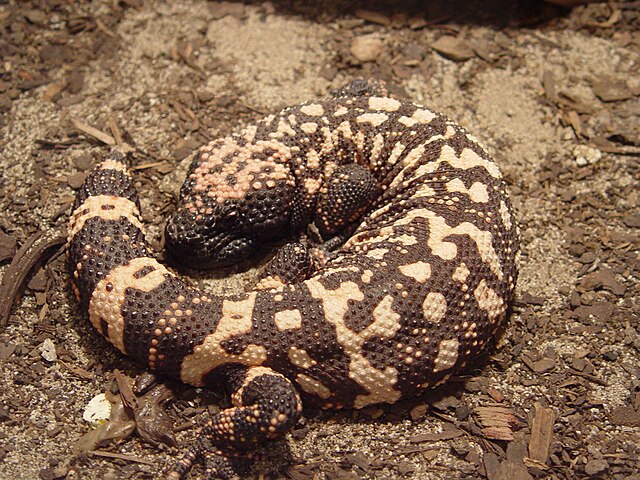
Reptiles designated as designated animals include: All Crocodylia (Alligators, Crocodiles, Gharials, etc.), Helodermatidae (Gila Monster, Beaded Lizard), certain Pythonidae (Reticulated Python, African Rock Python, and other species exceeding approximately 3m in length), certain Boidae, and many venomous snake species.
If you have been keeping such species since June 1, 2020 or earlier, continued keeping is possible by filing notification. However, breeding or acquiring new individuals is not permitted. Strict standards for keeping facilities (escape prevention measures, microchip installation, etc.) are also established.
CITES (Washington Convention)
CITES (Convention on International Trade in Endangered Species of Wild Fauna and Flora) is an international treaty regulating the international trade of wild plants and animals. Many reptiles are listed in CITES Appendices, requiring permits for import/export.
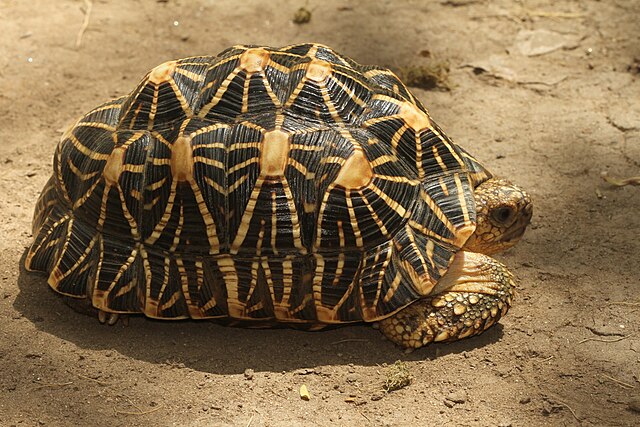
Appendix I: Species at highest risk of extinction, for which international trade for commercial purposes is principally prohibited. Examples include Galápagos Land Iguanas and Indian Star Tortoises (transferred from II to I in 2019).
Appendix II: Species at risk of extinction unless trade is regulated, which may be traded with exporting country permits. Many Chameleons, Geckos, Boas, and Pythons are included. Domestic sales are possible but may require registration under the Species Conservation Act.
Appendix III: Species requested for protection by specific nations for their own conservation.
Most reptiles circulating domestically are Appendix II species, having gone through legitimate import procedures. When purchasing, verify that individuals are legally obtained.
Species Conservation Act
The Act on Conservation of Endangered Species of Wild Fauna and Flora protects domestic rare wildlife species and international rare wildlife species.
Most species listed in CITES Appendix I are designated "International Rare Wildlife Species," requiring Environment Ministry registration for domestic transfer/delivery. Registered individuals receive registration certificates, which must be transferred along with the animal.
Invasive Species Act
Reptiles designated under the Act on Prevention of Ecological Damage by Invasive Species have keeping, transport, and import principally prohibited.
Reptiles designated as invasive species include Snapping Turtles, Red-eared Sliders (conditionally designated since June 2023; new home pet acquisitions require no notification and are permitted, but release, sale, and paid transfer are prohibited), Green Anoles, and Taiwan Striped Gecko. If keeping preceded the designation, continued keeping is possible by filing notification with the Environment Ministry, but newly starting to keep such species is prohibited.
Local Government Ordinances
Prefectures and municipalities may establish their own ordinances regarding animal keeping. Particularly in apartment buildings and condominiums, management rules may prohibit reptile keeping, so advance confirmation is necessary.
Things to Confirm When Purchasing
When purchasing reptiles, we recommend confirming the following points:
Whether the seller is registered as a licensed animal dealer. Whether the individual is legally obtained (CITES-related documentation). Whether it qualifies as a designated animal. Whether it is subject to the Invasive Species Act. If necessary, whether it has a Species Conservation Act registration certificate.
By confirming these points, you can begin keeping reptiles in compliance with the law with peace of mind.
Safe Compliant Trading with BreederDirect
At BreederDirect, you can directly purchase reptiles from trusted breeders registered as licensed animal dealers. Legally compliant transactions are guaranteed, and you can confirm details about individual origins and necessary documentation with the breeder. You can begin keeping reptiles with peace of mind, without worrying about legal risks.
Key Points of 2026 Legal Reforms
In recent years, reptile-related regulations have been strengthening. In particular, revisions to CITES (Washington Convention) Appendices have increased cases where previously freely traded species become regulated. As of 2026, all Crocodylia (regardless of body length) and venomous snakes designated as designated animals have principally prohibited general household keeping. Before beginning to keep reptiles, always confirm the latest laws, and contact your local government's animal welfare office if you have questions. If you unknowingly purchase an illegally imported individual, you as the owner may also face penalties, making it important to sufficiently verify the credibility of your purchase source for self-protection. Selecting captive-bred (CB) individuals from legal channels is the foundation of safe reptile keeping.