How Long Do Reptiles Live? A Guide to Extending Their Lifespan by Species
Reptile lifespans vary widely—from around 15 years for leopard geckos to over 50 years for tortoises. This article covers average lifespans for popular species and explains key husbandry practices for longevity, including temperature control, diet, and stress management.
Key Takeaways
Reptile lifespans vary widely—from around 15 years for leopard geckos to over 50 years for tortoises. This article covers average lifespans for popular species and explains key husbandry practices for longevity, including temperature control, diet, and stress management.
Related Species
Many people assume reptiles are short-lived compared to dogs and cats, but the opposite is often true. When kept in proper environments with appropriate care, many reptile species live 20 to 30 years or longer. Some tortoise species even exceed human lifespans.
That's why before bringing a reptile home, it's essential to ask yourself: "Can I care for this animal throughout its entire lifespan?" This article outlines average lifespans for popular species and provides species-specific husbandry tips for longevity based on current knowledge as of 2026.
Average Lifespans of Popular Reptile Species
Reptile lifespans vary significantly by species. Be sure to research this before acquiring one.
Extremely Long-Lived Species (20+ Years)
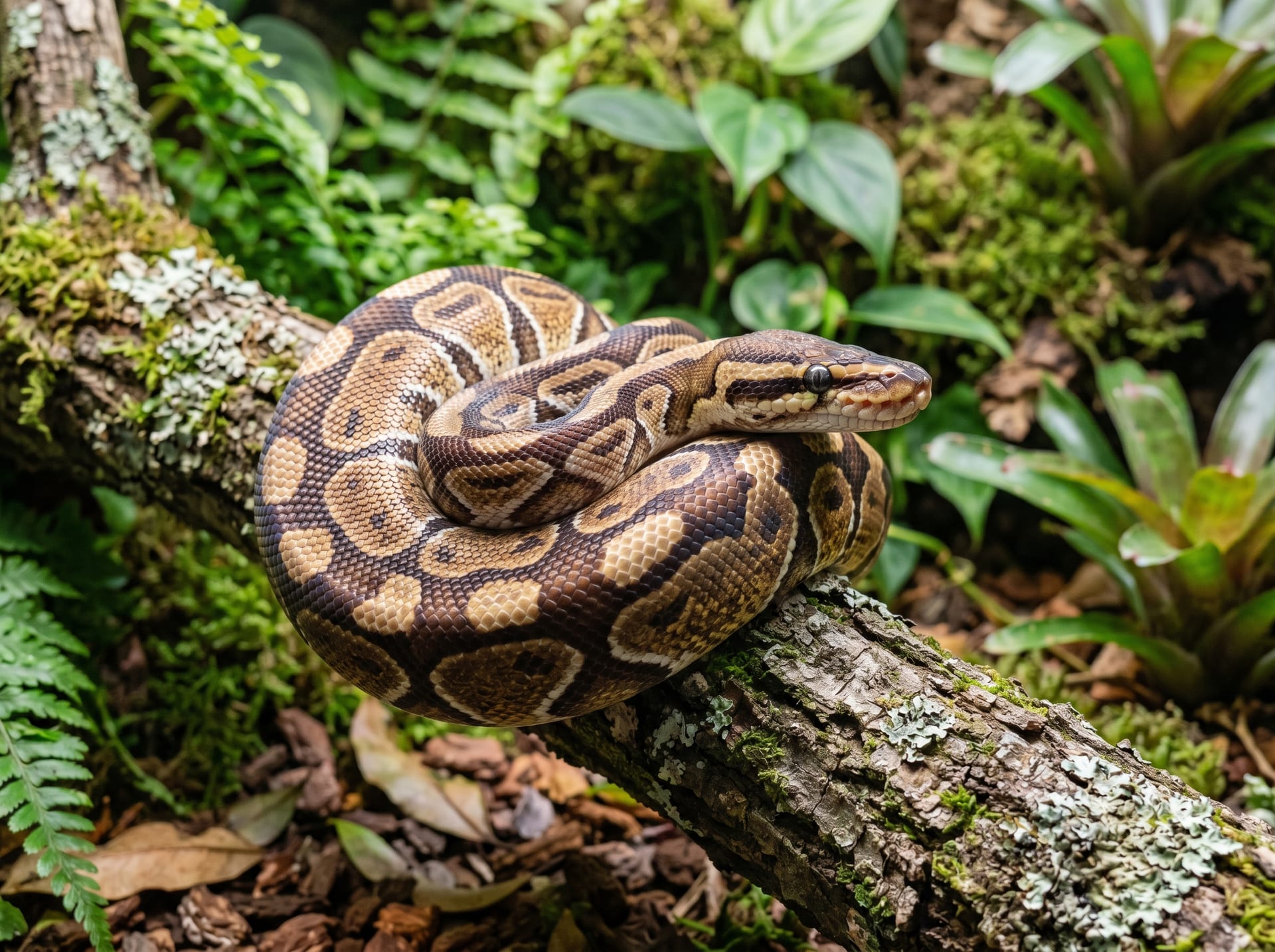
Ball Python: 20–30 years. With good husbandry, some have been recorded living over 50 years—a remarkably long-lived species.
Tortoises (Hermann's, Greek, Spurred, etc.): 50+ years. Some species may exceed 100 years. They're often passed down as family "heirlooms" rather than treated as typical pets.
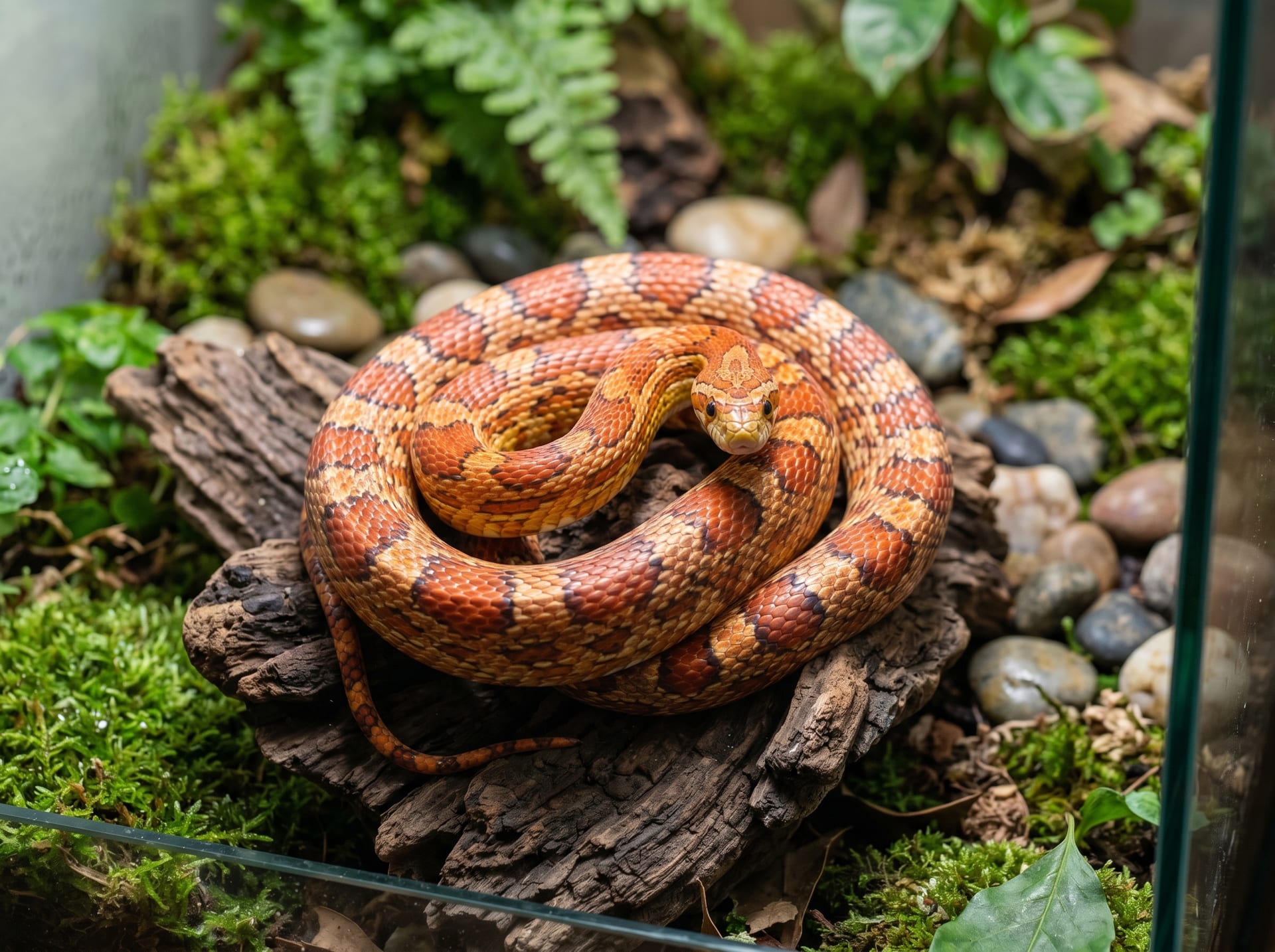
Corn Snake: 15–20 years. Relatively easy to manage temperatures, making them popular with beginners.
Long-Lived Species (10–20 Years)
Leopard Gecko: 15–20 years. Hardy, easy to care for, and a classic species for long-term companionship.
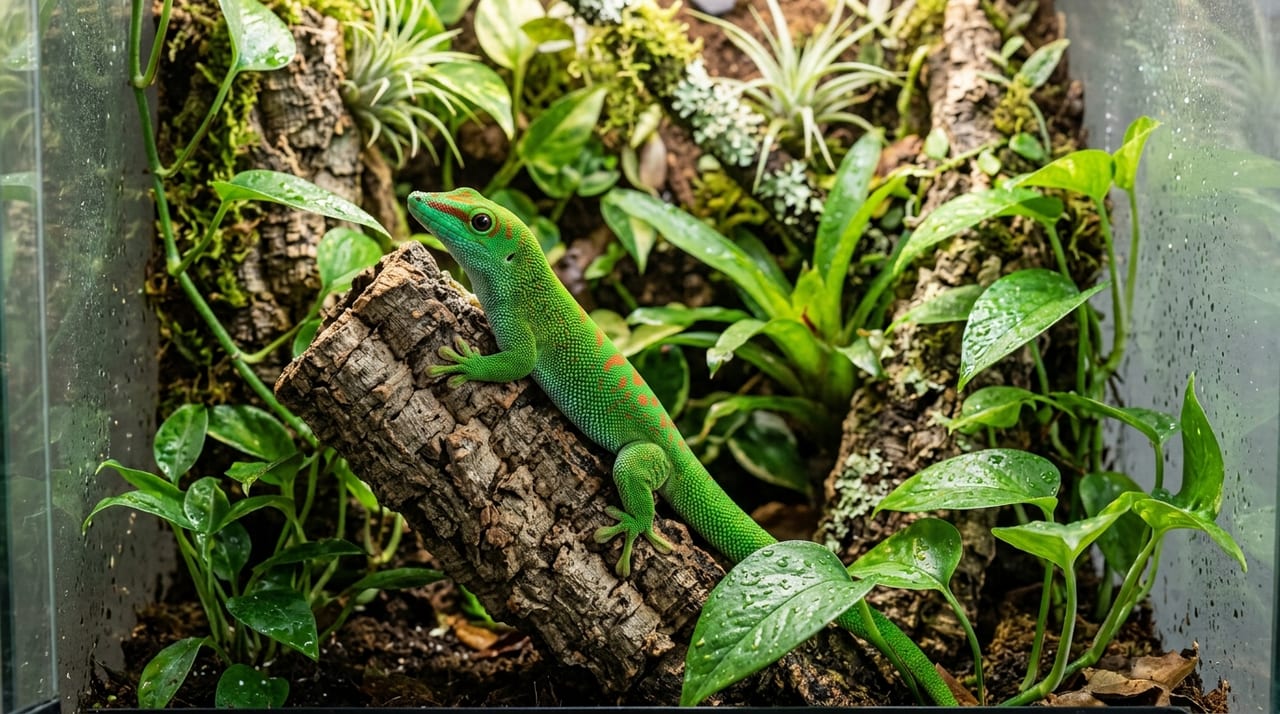
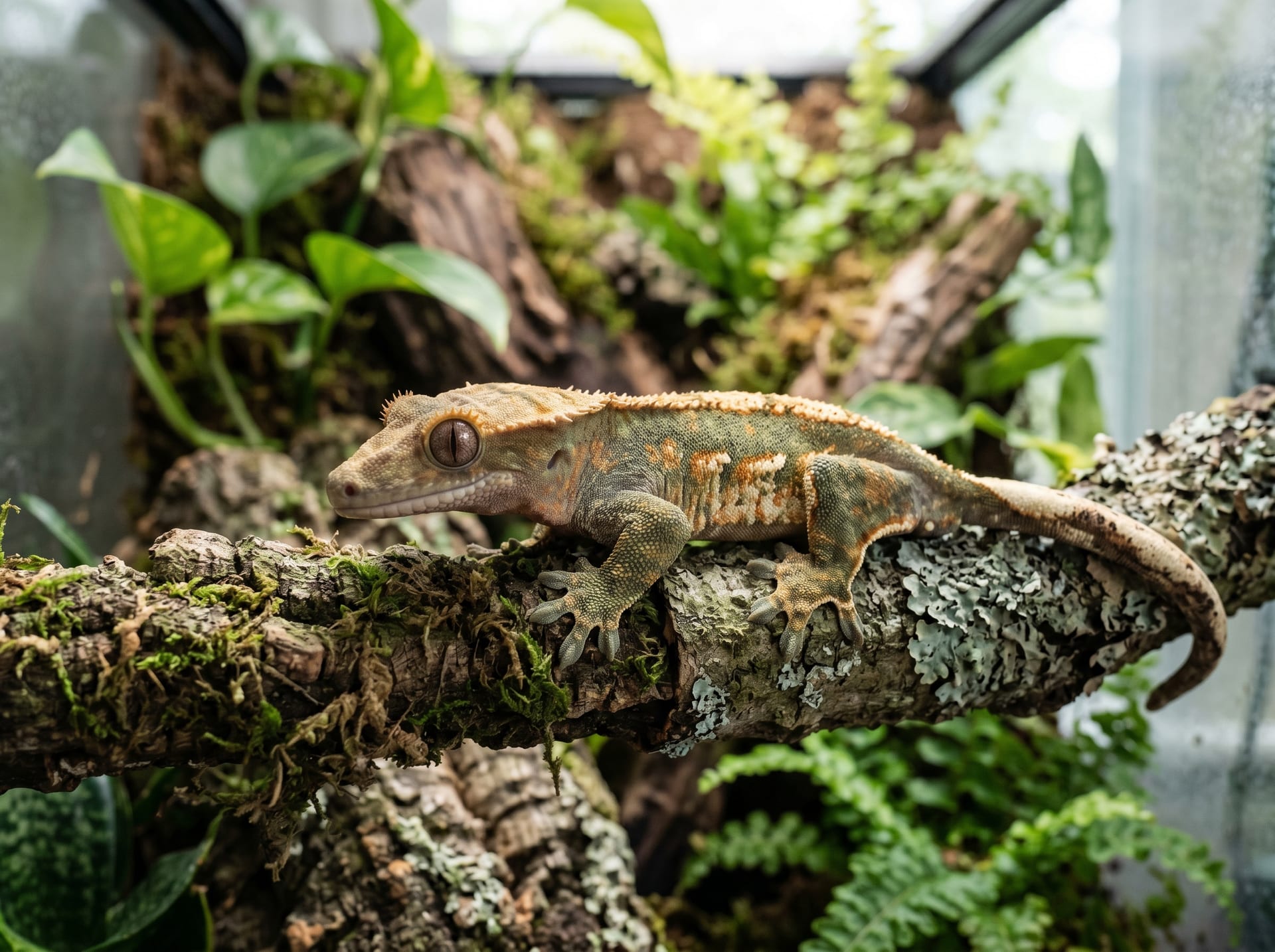
Crested Gecko: 15–20 years. This arboreal gecko is native to New Zealand and can be kept in relatively cool conditions.
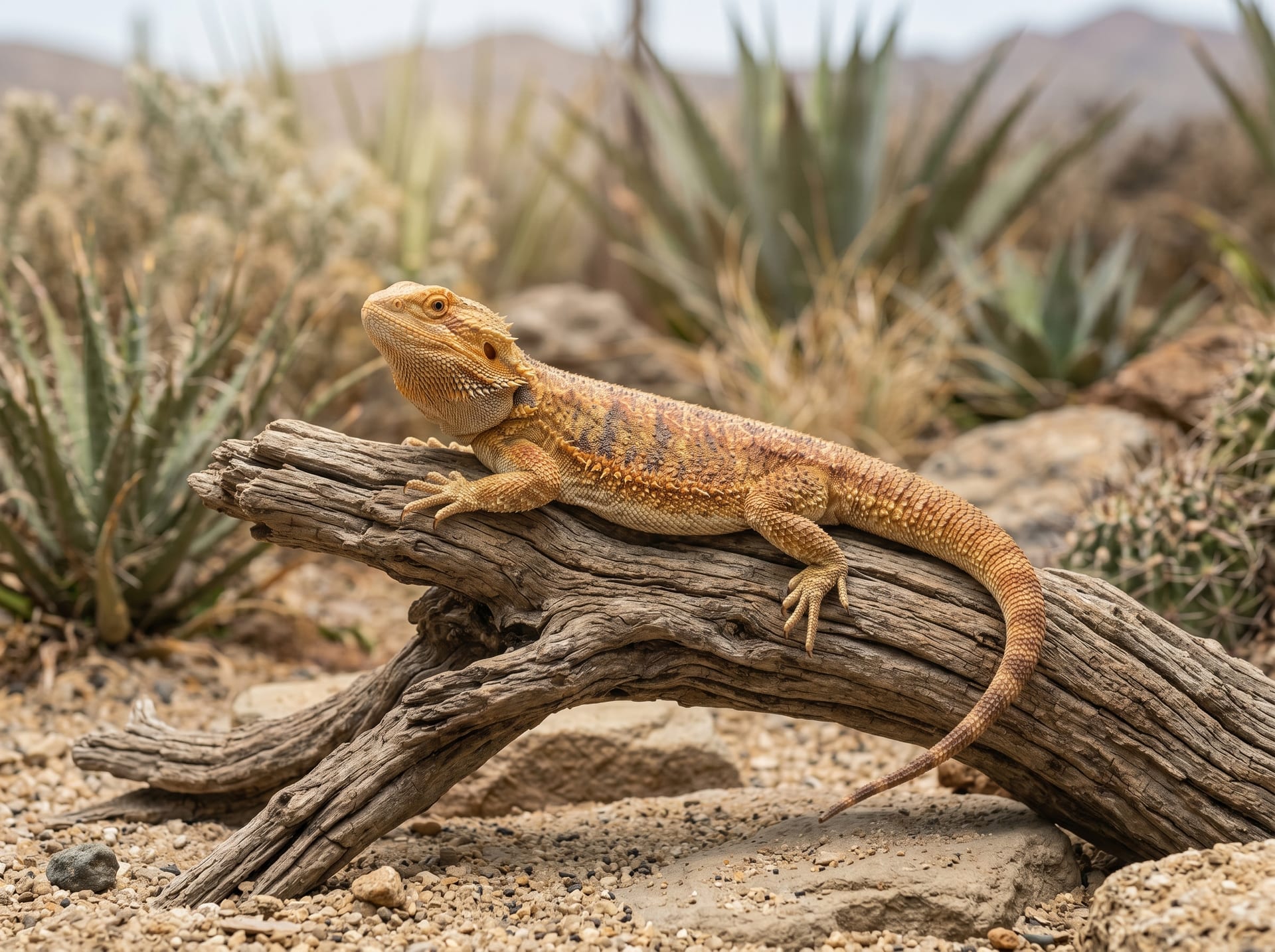
Bearded Dragon: 8–12 years. They readily become tame and enjoy handling—a popular lizard species.
Relatively Short-Lived Species (5–10 Years)
Japanese Grass Lizard: 5–7 years. Wild individuals are short-lived, but proper husbandry can extend their lifespan.
Anole: 5–8 years. Small and highly active. Proper humidity management is key to longevity.
✍️
BreederDirect Editorial
The BreederDirect editorial team specializes in care information for animals, covering veterinary care and breeding to deliver beginner-friendly guides.
Find Reptiles on BreederDirect
Buy directly from verified breeders
Browse Related Listings
Find Reptiles listings related to this article on BreederDirect. Buy directly from verified breeders.
Temperature and Humidity Management Determine Lifespan
Reptiles are ectothermic, meaning their body temperature fluctuates with their environment. Without proper temperature control, they develop digestive problems, weakened immunity, and metabolic disorders—all of which dramatically shorten their lifespan.
Establish a Basking Spot and Cool Zone
The key is creating both warm and cool areas within the enclosure. Reptiles thermoregulate by moving between areas, so an enclosure with temperature in only one direction will lead to health problems.
Nighttime Temperature: Around 25°C is appropriate for most species. Heater management is essential.
Don't Forget Humidity Management
Proper humidity levels vary significantly by species.
High-Humidity Species (Crested Geckos, Ball Pythons, etc.): 60–80%
Low-Humidity Species (Bearded Dragons, Leopard Geckos, etc.): 30–50%
Insufficient humidity causes shedding problems, while excessive humidity leads to respiratory disease and mold. Keep a thermohygrometer in the enclosure and check it regularly.
UVB Lighting and Nutritional Basics
The Role of UVB Light
UVB lighting is essential for diurnal reptiles like lizards and turtles. UVB exposure triggers vitamin D3 synthesis in the body, promoting calcium absorption. Insufficient UVB leads to metabolic bone disease (MBD), a serious skeletal condition.
Bearded Dragons, Tortoises, and Japanese Grass Lizards require high-output UVB lamps
Fluorescent UVB bulbs appear to emit light but lose significant UV output over 6–12 months, requiring regular replacement
Nocturnal species like Leopard Geckos and Ball Pythons can be kept without UVB, though some research suggests weak UVB may be beneficial
Calcium Dusting and Dietary Management
Insectivorous Species (Leopard Geckos, juvenile Bearded Dragons, etc.): "Dusting" is essential—coating crickets or dubia roaches with calcium powder. Aim for 2–3 times weekly.
Herbivorous and Omnivorous Species (Adult Bearded Dragons, Tortoises, etc.): Offer a varied diet centered on calcium-rich leafy greens like collards, bok choy, and dandelion greens. Avoid excessive spinach due to its high oxalate content.
Snakes (Ball Pythons, Corn Snakes, etc.): Feed appropriately sized frozen mice or rats. Frozen prey has lower parasite risk than live prey.
Feeding frequency varies by age. Juveniles are typically fed daily to every 3 days, while adults are fed 1–2 times weekly, but always follow species-specific guidelines.
Stress Reduction and the Importance of Health Checkups
Balancing Hiding Spots and Handling
In nature, reptiles are prey animals. Without hiding spots, they remain in constant stress, which weakens their immune system. Always provide shelters.
Species like Bearded Dragons and Leopard Geckos can become tame and enjoy handling. However, excessive handling in a single session causes stress. Start with short sessions and gradually increase duration based on the individual's comfort level.
Annual Health Checkups
Reptiles instinctively hide illness, so by the time an owner notices problems, the disease may be advanced. Even if your reptile appears healthy, have it examined by an exotic animal veterinarian once a year.
Fecal testing for parasites
Recording weight and length to track growth trends
Oral and skin examination
Having a regular veterinarian allows for quick response in emergencies. Research exotic animal veterinarians in your area in advance.
How BreederDirect Ensures Safety and Reliability
The "first step" when acquiring a reptile is crucial for long-term success. Rather than buying an unknown individual from a pet shop, acquiring directly from a specialist breeder provides detailed information about health status, dietary history, and temperament.
BreederDirect is a platform that directly connects specialist reptile breeders with prospective keepers.
Detailed Animal Information: You can verify birth date, diet type, recent shedding history, and other information essential for long-term care before purchase.
Direct Breeder Communication: Ask questions like "This is my first Leopard Gecko—is this individual beginner-friendly?" directly via chat.
Ongoing Support: After purchase, you can consult the breeder about problems or husbandry questions, ensuring robust support for long-term care.
Direct Trading: No middlemen means less stress during transport and a better chance of acquiring healthy animals.
Because reptiles live 20 to 30 years or longer, thorough research and choosing a trustworthy source before acquisition greatly determine the quality of care that follows. Find your ideal companion in BreederDirect's reptile category.