Gecko Egg Temperature-Based Incubation Guide: Sex Determination and Hatch Management | ブリちょく
Reptiles| ✍️ BreederDirect Editorial
Gecko Egg Temperature-Based Incubation Guide: Sex Determination and Hatch Management
A guide to incubating gecko eggs. Covers temperature-dependent sex determination, humidity management, and the timeline to hatching.
Key Takeaways
A guide to incubating gecko eggs. Covers temperature-dependent sex determination, humidity management, and the timeline to hatching.
Related Species
Gecko Egg Temperature-Based Incubation Guide: Sex Determination and Hatch Management
In gecko breeding, egg management is one of the most critical processes. Of particular importance is the mechanism known as "Temperature-dependent Sex Determination (TSD)"—the incubation temperature directly determines the sex of the hatchlings. This article explains everything from the fundamentals of TSD to incubator preparation and daily management techniques, presented in detail for anyone attempting breeding for the first time.
---
What is TSD (Temperature-Dependent Sex Determination)?
Unlike mammals and birds, many reptile species do not rely on sex chromosomes to determine sex. Instead, the temperature at which the egg is incubated determines the sex of the hatchling. This process is called Temperature-dependent Sex Determination (TSD).
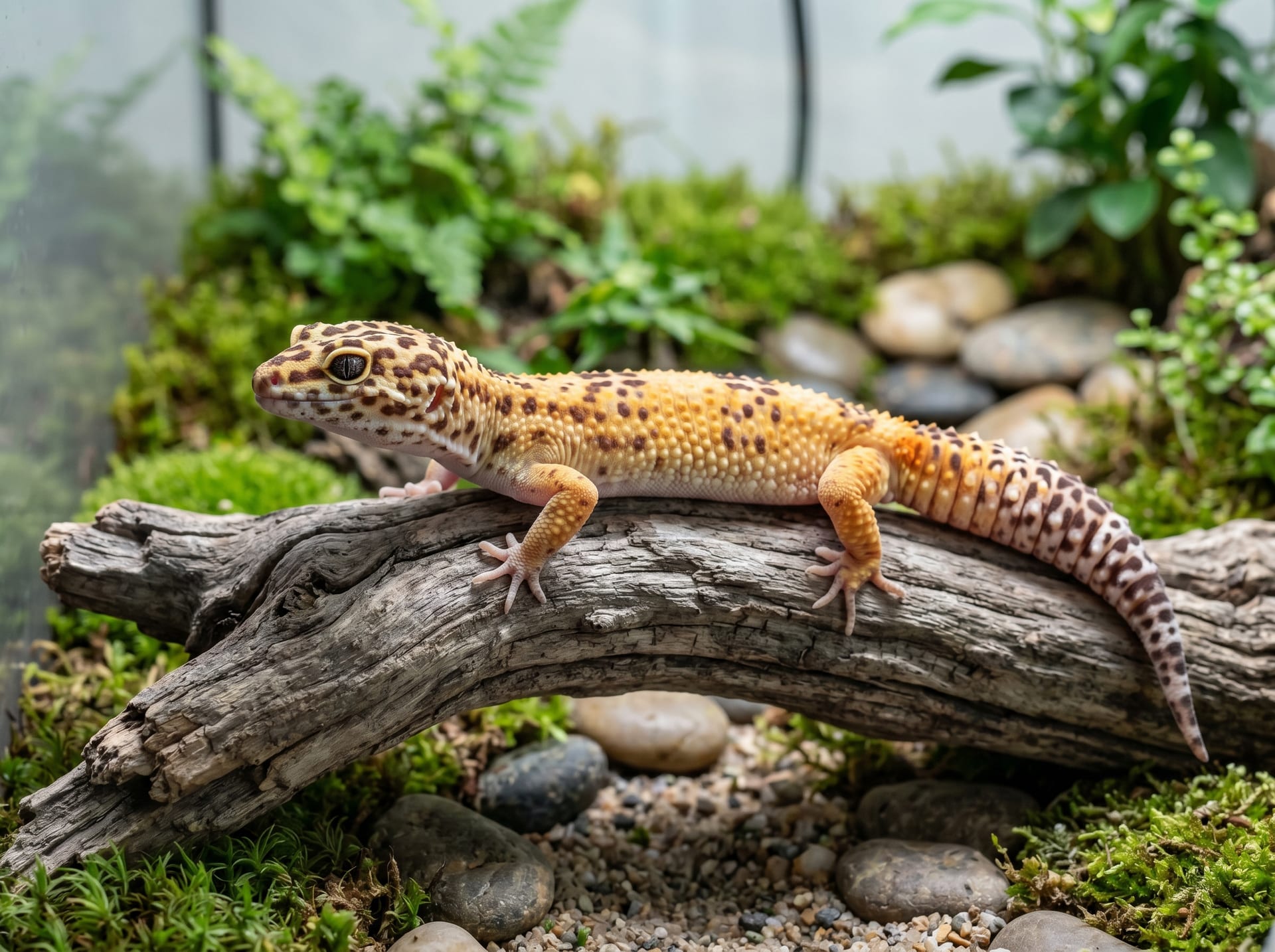
Among geckos, TSD is particularly pronounced in the Leopard gecko. By controlling incubation temperature, breeders can influence the sex ratio to some extent, making this knowledge essential for breeding planning.
Temperature and Sex Ratio Guidelines for Leopard Geckos
Temperature Range
Expected Sex
26–27℃
Nearly all female (90%+ female)
29–30℃
Mixed male/female (approximately 50/50)
31–33℃
Nearly all male (though high-temperature females also appear)
"High-temperature females" are female hatchlings born at around 33℃ and are often noted to have higher aggression and be unsuitable for breeding. Since high temperatures affect not just sex but also individual characteristics, extreme heat settings are best avoided.
✍️
BreederDirect Editorial
The BreederDirect editorial team specializes in care information for animals, covering veterinary care and breeding to deliver beginner-friendly guides.
Find Reptiles on BreederDirect
Buy directly from verified breeders
Browse Related Listings
Find Reptiles listings related to this article on BreederDirect. Buy directly from verified breeders.
Related Tools
Related Articles
Browse by Category
🪸Coral
🐠Marine Fish
🐟Tropical Fish
🐡Goldfish
🐟Medaka
🦎Reptiles
Share
Crested Geckos
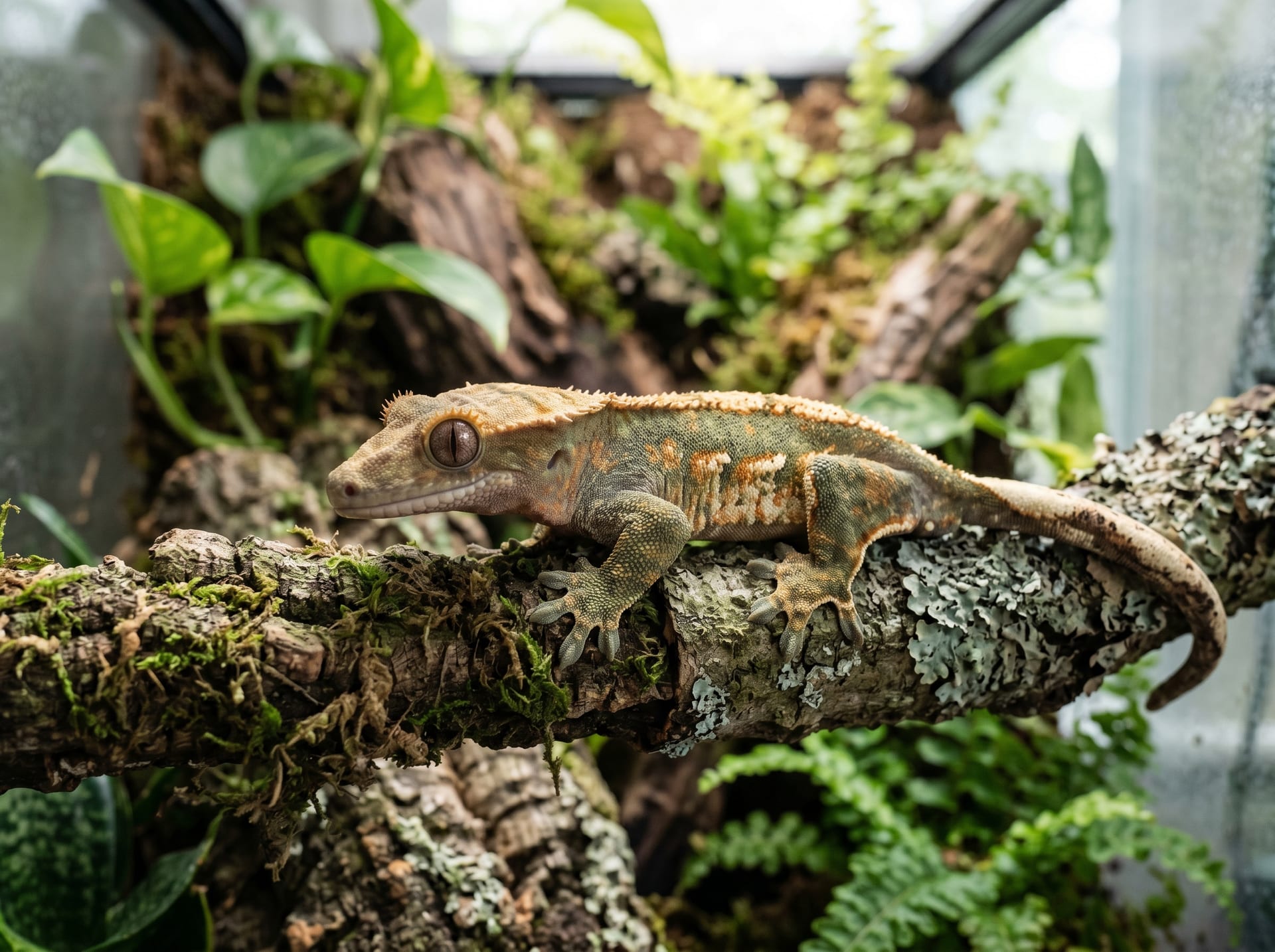
Crested geckos do not exhibit TSD and instead use Genetic Sex Determination (GSD). Sex is determined genetically rather than by temperature, so incubation temperature affects hatch rate and development speed but not sex ratio. The recommended temperature range is 22–26℃, requiring management in a relatively cool environment.
Incubation Conditions for Major Gecko Species
Species
Sex Determination
Recommended Incubation Temperature
Time to Hatching
Leopard gecko
TSD (sex determined by temperature)
26–30℃
Approximately 40–70 days (faster at higher temperatures)
Crested gecko
GSD (sex determined genetically)
22–26℃
Approximately 60–90 days
Humidity should be maintained so the substrate doesn't release water when squeezed. Moldy eggs should be isolated.
---
Selecting and Preparing an Incubator
Incubating eggs requires an incubator capable of maintaining a constant temperature. The options are primarily commercial incubators or DIY setups.
Benefits of Commercial Incubators
Commercial incubators offer precise temperature control and are ideal for beginners. Reptile-specific models are available, as are bird incubators, which can be adapted for use. They maintain minimal deviation from set temperatures and provide reliable hatch rates.
Simple temperature settings with digital displays
Many models include alarm functions for added safety
Price range: approximately ¥5,000–¥30,000
Building a DIY Incubator
For budget-conscious breeders, a DIY incubator is feasible. The basic setup includes:
Foam insulation box: High insulation and readily available
Heating panel: Placed on the bottom or side
Thermostat: Automatically turns off the heater when the set temperature is exceeded
Digital thermometer: Use one with ±0.1℃ precision and place it near the eggs
With DIY setups, temperature gradients are common, so place thermometers at multiple locations to verify uniformity.
Preparing for Power Loss and Equipment Failure
Power outages and equipment failures pose significant risks to successful hatching. Wrapping insulation materials (fleece or reflective sheet) around the incubator prevents sudden temperature drops. For long-term incubation, consider installing a UPS (Uninterruptible Power Supply).
---
Types of Incubation Substrate and Usage
The choice of substrate directly affects hatch rate. The substrate provides appropriate humidity to the egg while supporting its shape without crushing it.
Vermiculite
The most commonly used substrate. This mineral-based material offers a good balance of water retention and breathability. Mix water and substrate at a 1:1 weight ratio. The appropriate moisture level is when squeezed, the substrate doesn't release water.
Perlite
More breathable than vermiculite, making it less prone to excessive moisture. It suits environments prone to drying or species requiring precise moisture management.
Hatchrite
A commercial substrate developed specifically for reptile egg incubation. Moisture is pre-adjusted, making it ready to use straight out of the package—ideal for beginners. While pricier, it significantly reduces management effort.
---
Daily Management and Important Considerations
Incubation spans weeks to months from laying to hatching. During this period, keep these points in mind:
Never Change Egg Orientation
Once laid, eggs must remain in the same orientation—never rotate them. Changing orientation shifts the embryo's position and can cause hatching failure. When confirming egg-laying, immediately mark the top with a pen (candling mark) for safety.
Humidity Management
Check substrate moisture every 2–3 days. If drying out, add a small amount of water around the substrate (not directly on the egg). Excessive moisture also causes mold, so avoid overwatering.
Dealing with Mold
If you spot moldy eggs, isolate them immediately to prevent contamination. When mold appears only on the shell surface, hatchings can still succeed, so don't discard immediately—observe the situation. Remove eggs showing clear internal rot.
---
Candling to Monitor Development
Candling is shining an LED pen light through the egg to observe internal development. It's typically performed 1–2 weeks after laying.
Fertile egg: A reddish network of blood vessels is visible
Infertile egg: Uniformly white and opaque; no blood vessels visible
Dead egg: Blood vessels disappear; interior becomes dark and uniform
Note that some species have thick eggshells difficult to see through. Avoid applying excessive light to prevent heat damage—complete candling quickly and efficiently.
---
Safe and Reliable Practices at Breeder Direct
Gecko breeding is complex, and managing eggs alone can be daunting for beginners. Breeder Direct lets you purchase individuals directly from experienced gecko breeders while also providing concrete advice on incubation temperature settings, substrate selection, and other breeding-related questions during your interactions.
With the ability to ask questions before purchase, you can directly confirm details like "Which incubator should I choose?" or "How reliable is TSD for this species?" with knowledgeable breeders. If you want to confidently start your breeding journey, explore Breeder Direct to find trustworthy breeders for your needs.