Reptile Escape Prevention — Enclosure Security & Recovery Tips
Preventing reptile escapes: high-risk species, cage locks, mesh lids, and search strategies when escapes occur.

Key Takeaways
Preventing reptile escapes: high-risk species, cage locks, mesh lids, and search strategies when escapes occur.
Related Species
An escape is one of the most frightening accidents a reptile owner can experience. Escaped animals are at high risk of never being found, and incidents can escalate into neighborhood complaints or legal issues. However, with proper precautions, escapes can be prevented almost entirely. This article covers escape prevention basics through to search methods in case the worst happens.
Species with High Escape Risk
All reptiles have the potential to escape, but understanding which species pose the greatest risk is important for taking appropriate precautions.
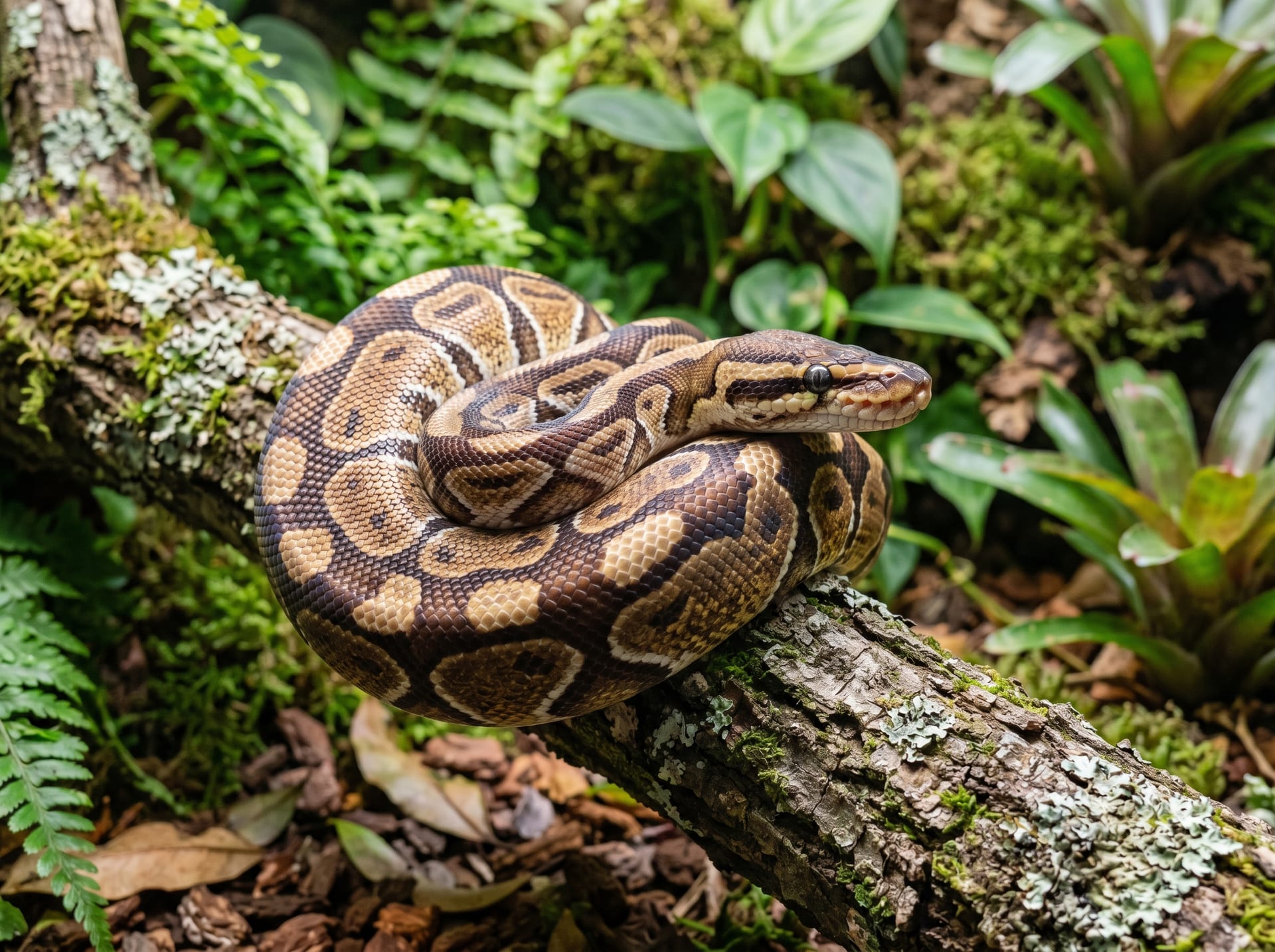
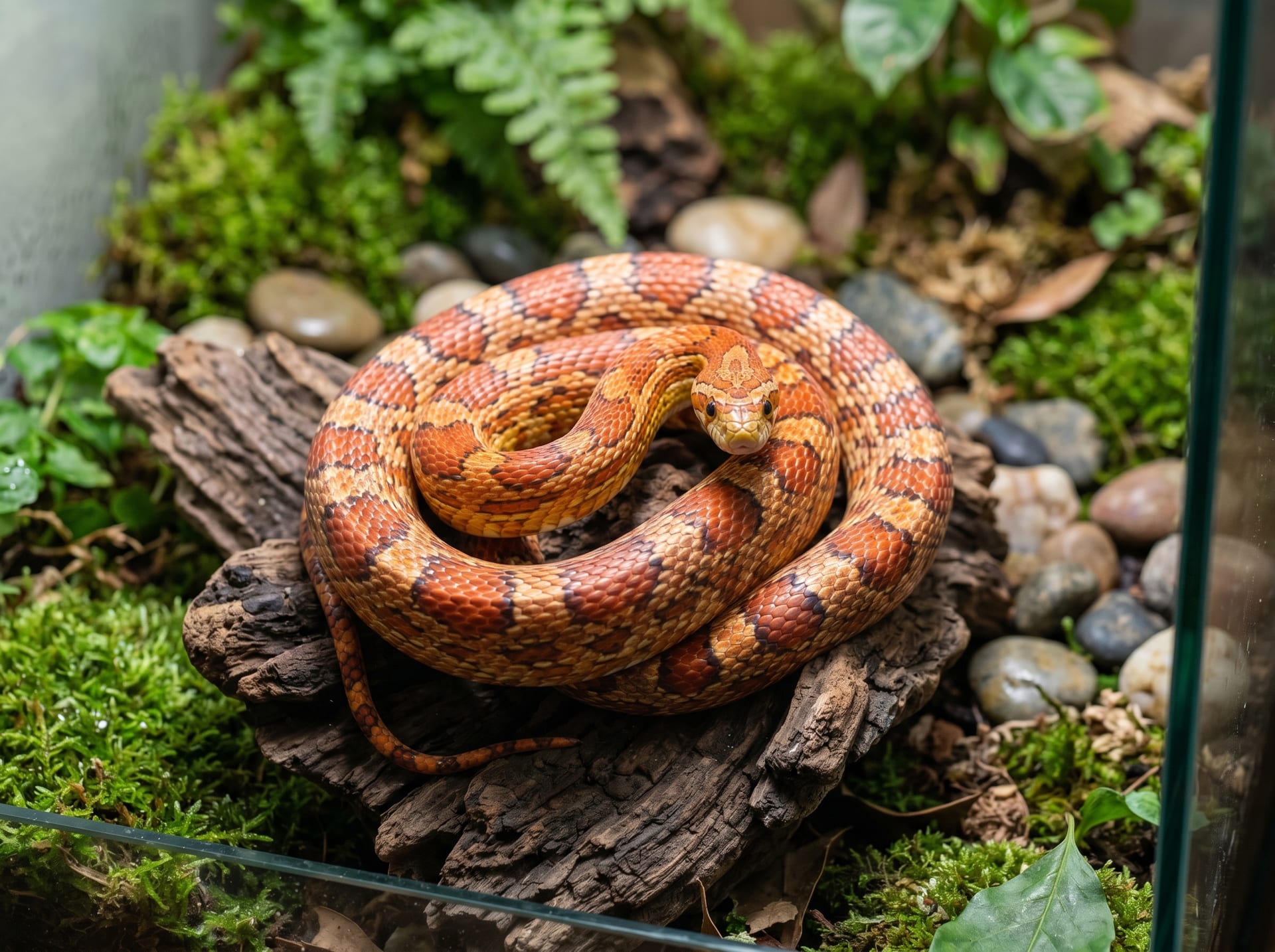
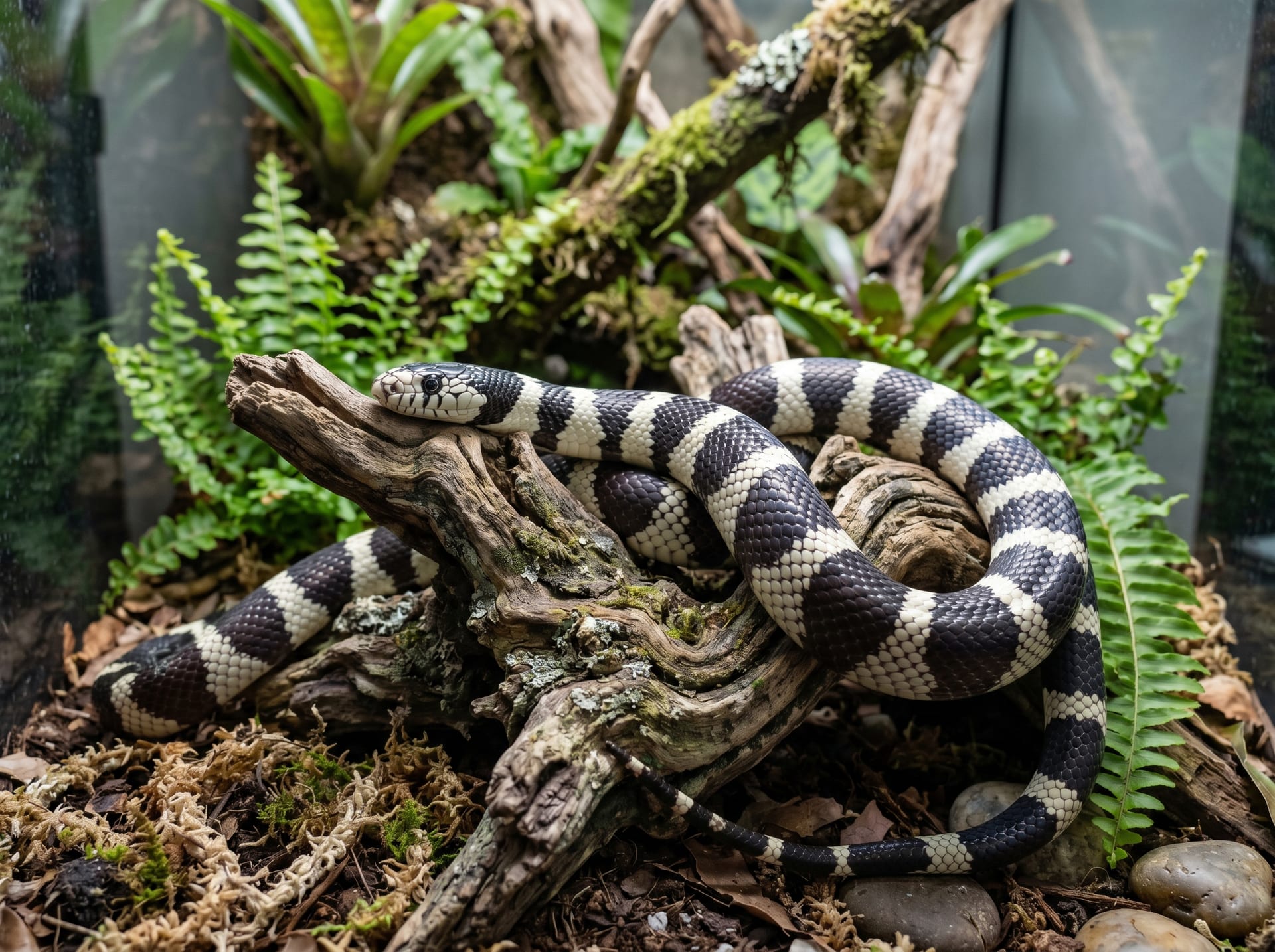
- All snakes: Their flexible bodies allow them to squeeze through the smallest gaps. Corn snakes and king snakes are particularly notorious escape artists. They exploit even slight lid gaps or loose locks
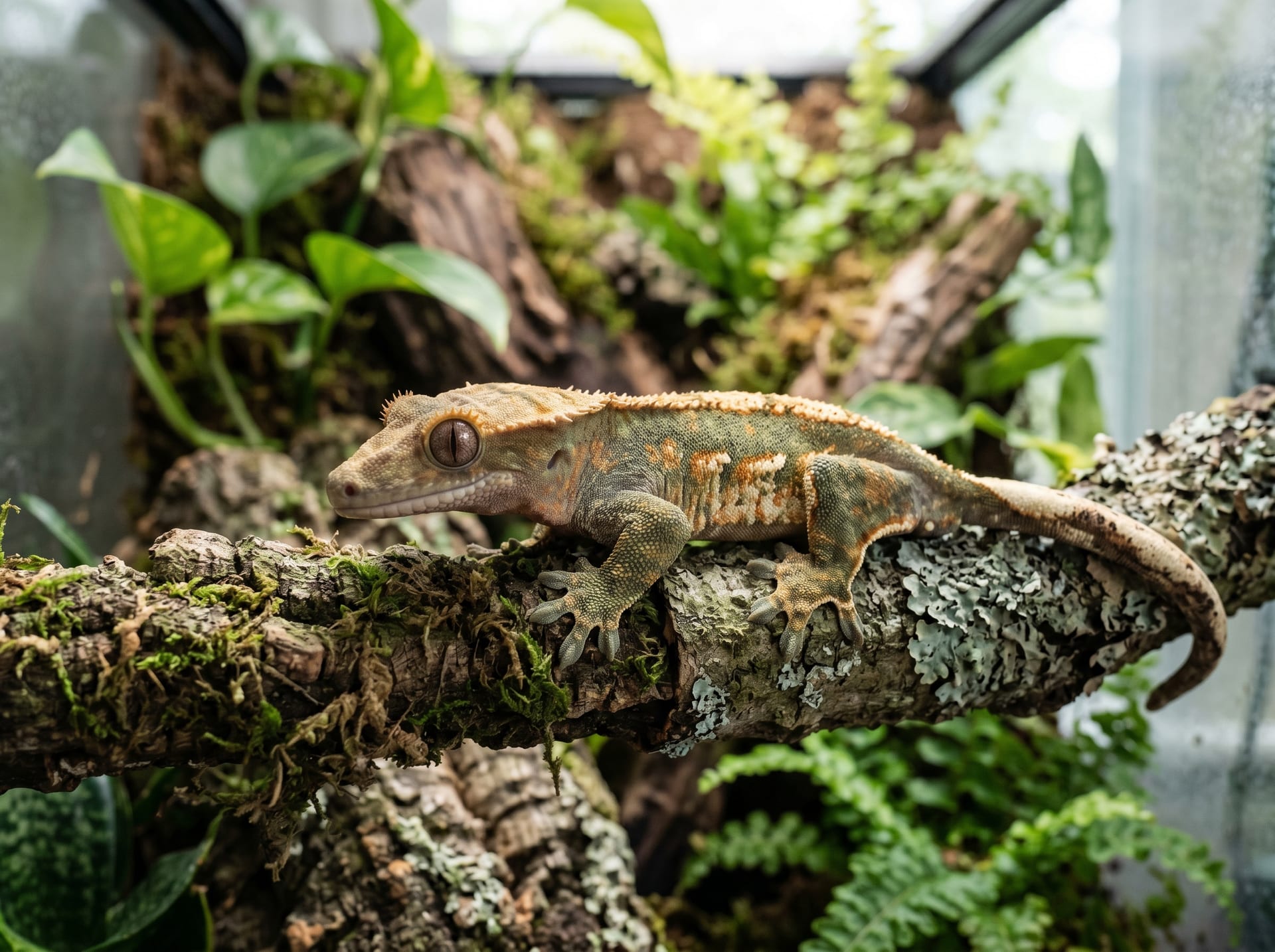
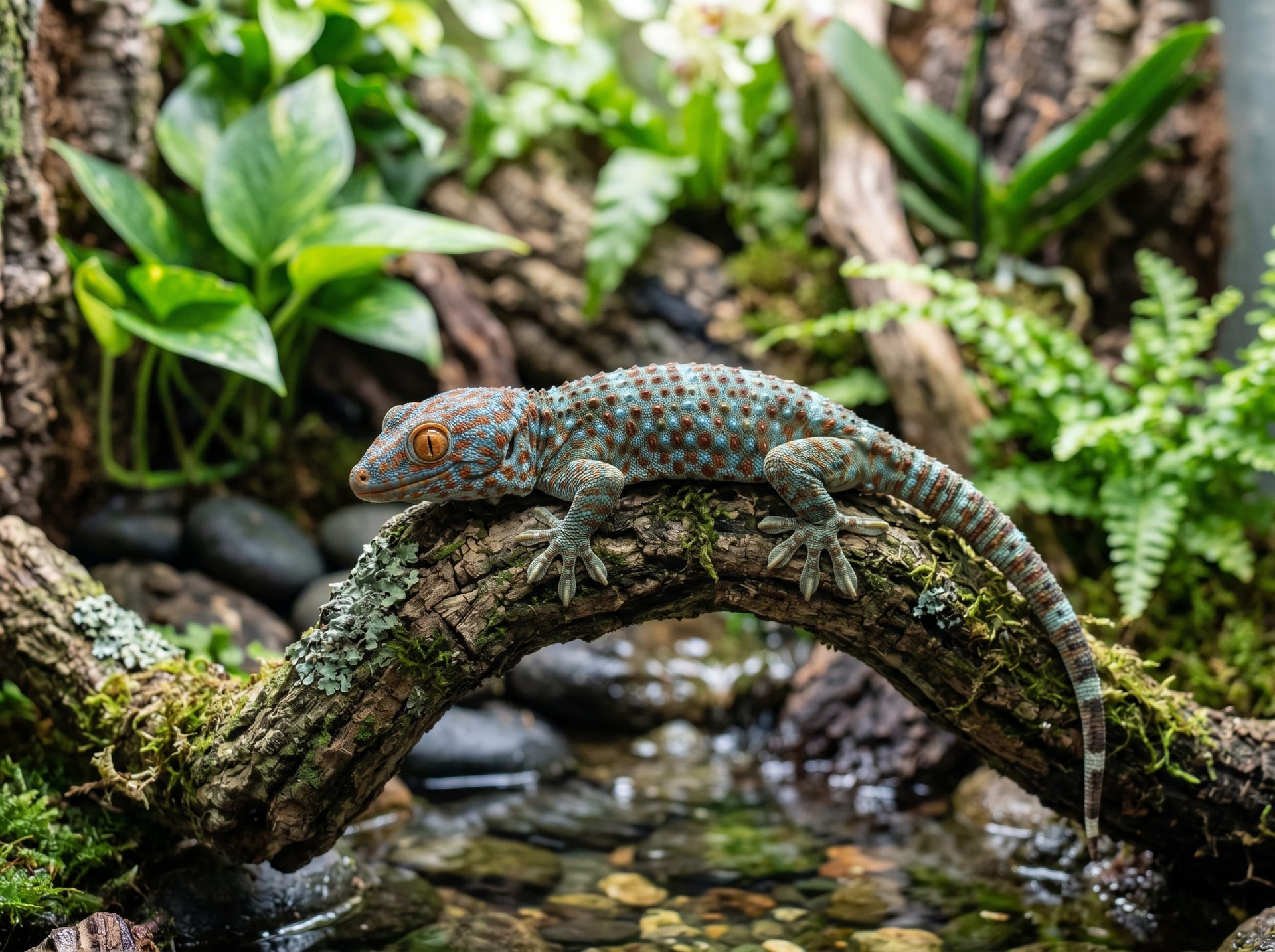
- Wall-climbing geckos: Species like crested geckos and tokay geckos can move freely on walls and ceilings, escaping through the smallest opening during maintenance
- Small lizards: Small species like anoles and Japanese grass lizards are tiny and fast, making them escape-prone during feeding or maintenance
- Aquatic turtles: If they can reach the tank rim, they can climb out with surprising strength. Red-eared sliders and Japanese pond turtles are particularly capable escapees
- Chameleons: Though slow-moving, they will quietly wander out if the enclosure door is left open. Often escapes go unnoticed for some time
Lock Systems and Selection Guide
The foundation of escape prevention is using an enclosure with a reliable locking mechanism. Choose an appropriate lock system based on the species.
- Slide lock: Common on glass enclosures. A lock pin is inserted at the sliding door seam. Essential for snake keeping, but forgetting the pin is a risk
- Latch lock: A lever-style lock that can be operated with one hand. Convenient but can loosen with age, so regular inspection is needed
- Padlock or combination lock: Used for designated species or large snakes. Keep the key next to the enclosure to prevent forgetting to lock