Reptile Encyclopedia | Characteristics and Care of Popular Species | ブリちょく
Reptiles| ✍️ BreederDirect Editorial
Reptile Encyclopedia | Characteristics and Care of Popular Species
Leopard Geckos, Bearded Dragons, Ball Pythons, Corn Snakes, and more—we carefully select and introduce popular reptile species for keeping. This guide covers the characteristics, care difficulty, required equipment, and temperament of each species in detail.
Key Takeaways
Leopard Geckos, Bearded Dragons, Ball Pythons, Corn Snakes, and more—we carefully select and introduce popular reptile species for keeping. This guide covers the characteristics, care difficulty, required equipment, and temperament of each species in detail.
Related Species
Reptile Encyclopedia | Complete Guide to Characteristics and Care of Popular Species
Reptiles have become increasingly popular in recent years as unique pets with a charm all their own, quite different from dogs or cats. Scales covering their bodies, distinctive movements, and colors that can be strikingly vibrant depending on the species—once captivated by their allure, many people find them becoming lifelong companions. Whether you're thinking about keeping reptiles for the first time or already have experience with them, we hope this article will be helpful. Here, we'll provide detailed explanations of 8 particularly popular reptile species, covering their characteristics, care difficulty, required equipment, temperament, and diet.
---
Popular Species Among Geckos and Lizards
Leopard Gecko (Eublepharis macularius)
As the quintessential beginner reptile, Leopard Geckos are extremely popular. Their beautiful yellow and black leopard spots, along with the "morphs"—color variations created through selective breeding—come in hundreds of varieties or more. With options ranging from albino lines to solid colors, this species offers impressive collecting appeal.
Care Difficulty: Low (recommended for reptile beginners)
Required Equipment: 30-45 cm enclosure, shelter/hide, under-tank heater
Temperament: Gentle and easy to tame; handling is possible
Diet: Crickets, dubia roaches, mealworms, and other insects
As nocturnal animals, UV lamps are unnecessary. You can start with compact equipment, and maintenance costs are relatively reasonable—a key advantage of this species.
Bearded Dragon
This lizard is characterized by its ability to inflate its throat into a dark "beard," earning it the epithet "king of the reptiles" for its commanding presence. For anyone hoping to enjoy direct interaction and communication with a reptile, this is an ideal species.
Care Difficulty: Intermediate (requires UV light management)
✍️
BreederDirect Editorial
The BreederDirect editorial team specializes in care information for animals, covering veterinary care and breeding to deliver beginner-friendly guides.
Find Reptiles on BreederDirect
Buy directly from verified breeders
Browse Related Listings
Find Reptiles listings related to this article on BreederDirect. Buy directly from verified breeders.
Required Equipment: 90-120 cm enclosure, UV lamp, basking lamp
Temperament: Very docile, friendly, and among the easiest reptiles to care for
Diet: Vegetables, fruits, crickets—omnivorous
Being diurnal, they require UVB light to simulate natural sunlight exposure. Their diet is diverse, and maintaining health depends on balancing vegetables like kale, pea shoots, and crickets appropriately.
Crested Gecko
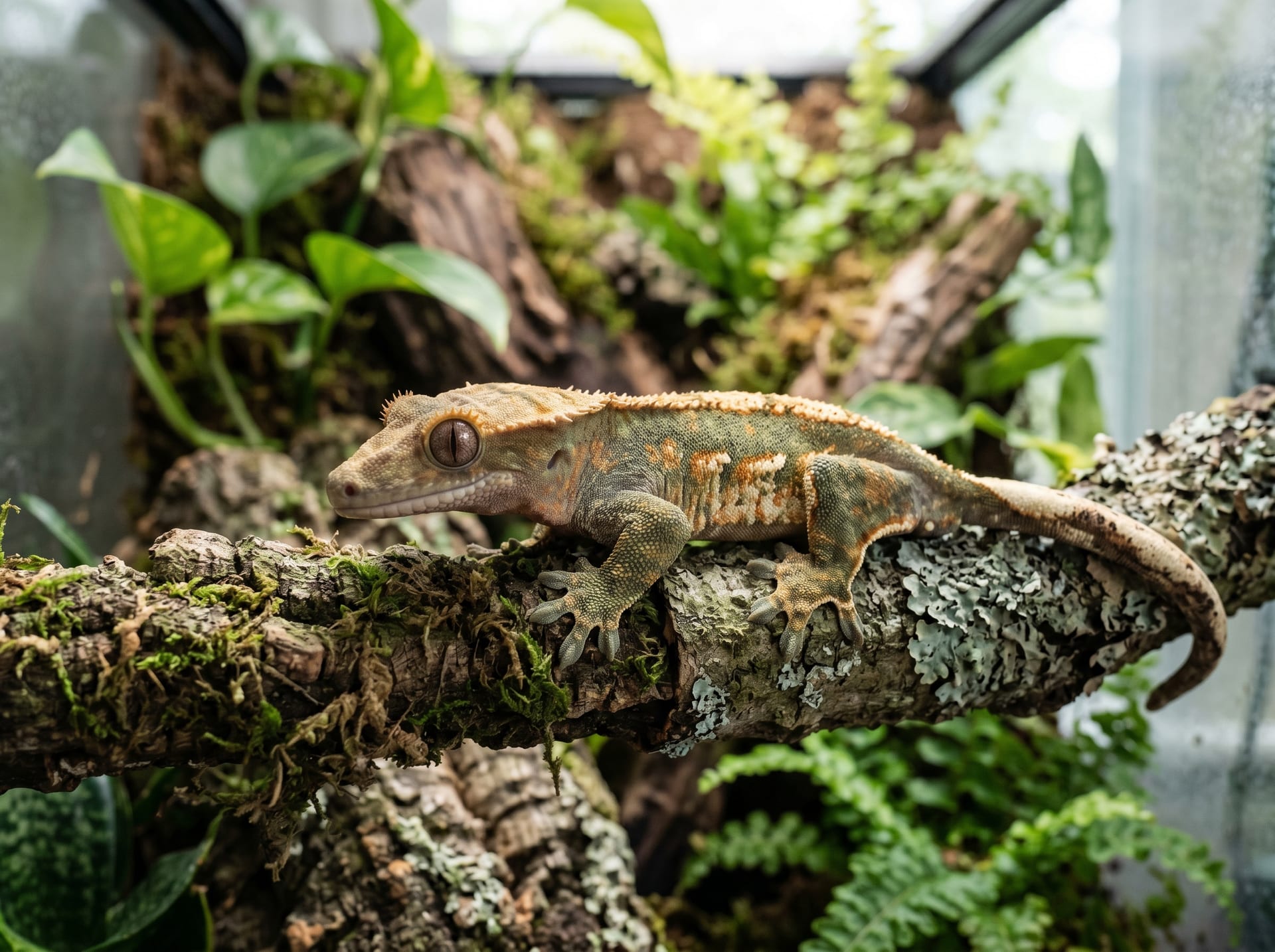
With eyelash-like crests and a chubby body, this gecko is undeniably adorable. Watching it stick to walls and ceilings is incredibly soothing.
Care Difficulty: Low (relatively straightforward temperature management)
Temperament: Somewhat shy initially, but handling becomes possible with habituation
Diet: Specialized crested gecko diet (powdered complete nutrition). Crickets can also be offered as supplementary food
They dislike high temperatures, so care is needed with summer heat management. Aim to maintain around 25°C.
---
Popular Snake Species
Ball Python
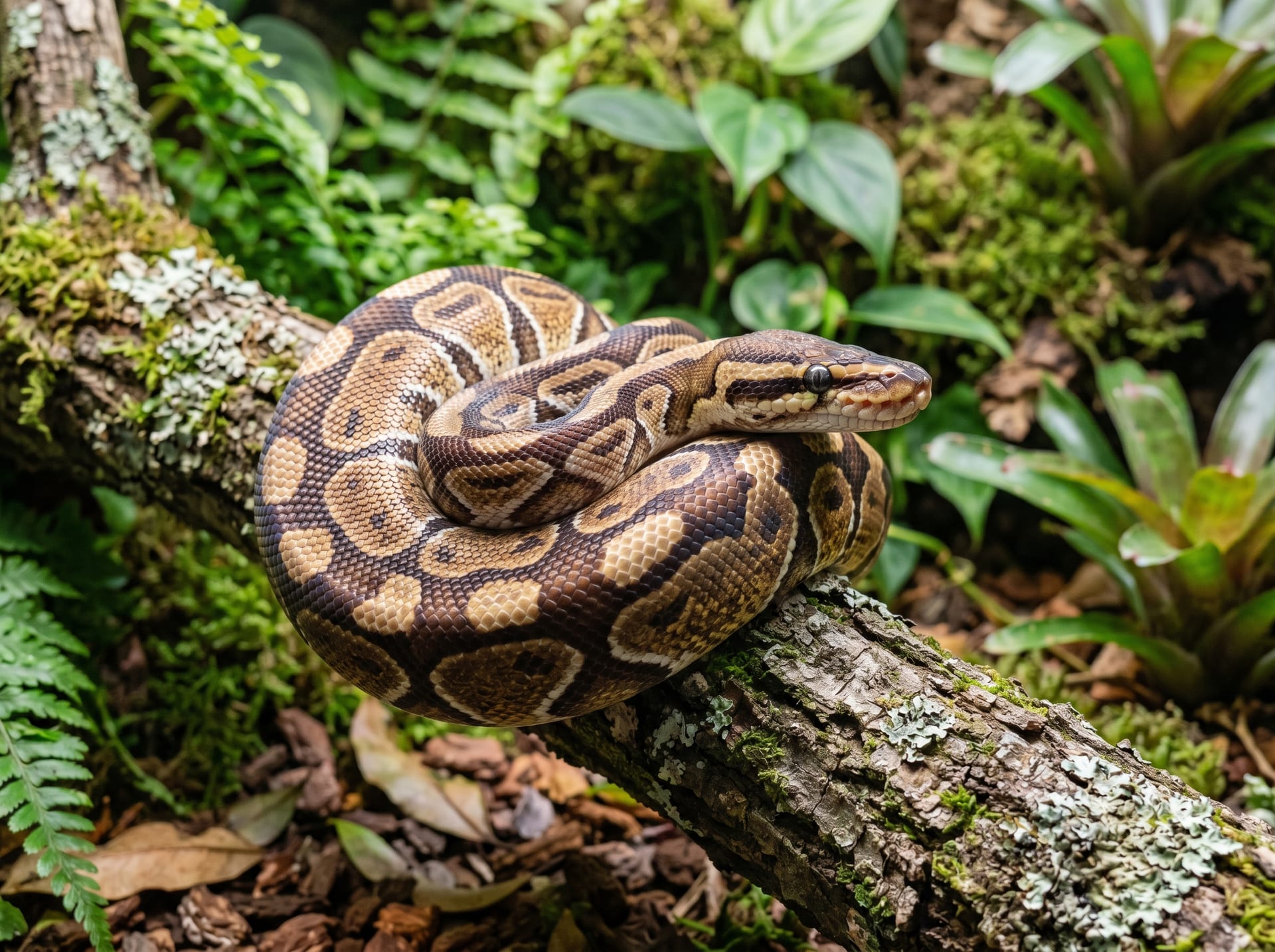
Named for its habit of curling into a ball, this snake serves as an ideal beginner species while also fascinating advanced collectors with its astounding variety of color morphs. Ball Pythons have collectors worldwide, with rare morphs sometimes commanding prices exceeding hundreds of thousands of yen.
Care Difficulty: Low to Intermediate
Required Equipment: 60-90 cm enclosure, under-tank heater or ceramic heat emitter, shelter, water dish
Temperament: Docile and gentle; one of the easiest snakes to handle
Diet: Frozen mice or rats, roughly once per week
Feeding refusal can occur during certain periods, but with proper environmental conditions, recovery usually happens naturally. Simply placing shelters in two locations within the enclosure can often prevent feeding refusal—proper environmental setup is crucial for this species.
Corn Snake
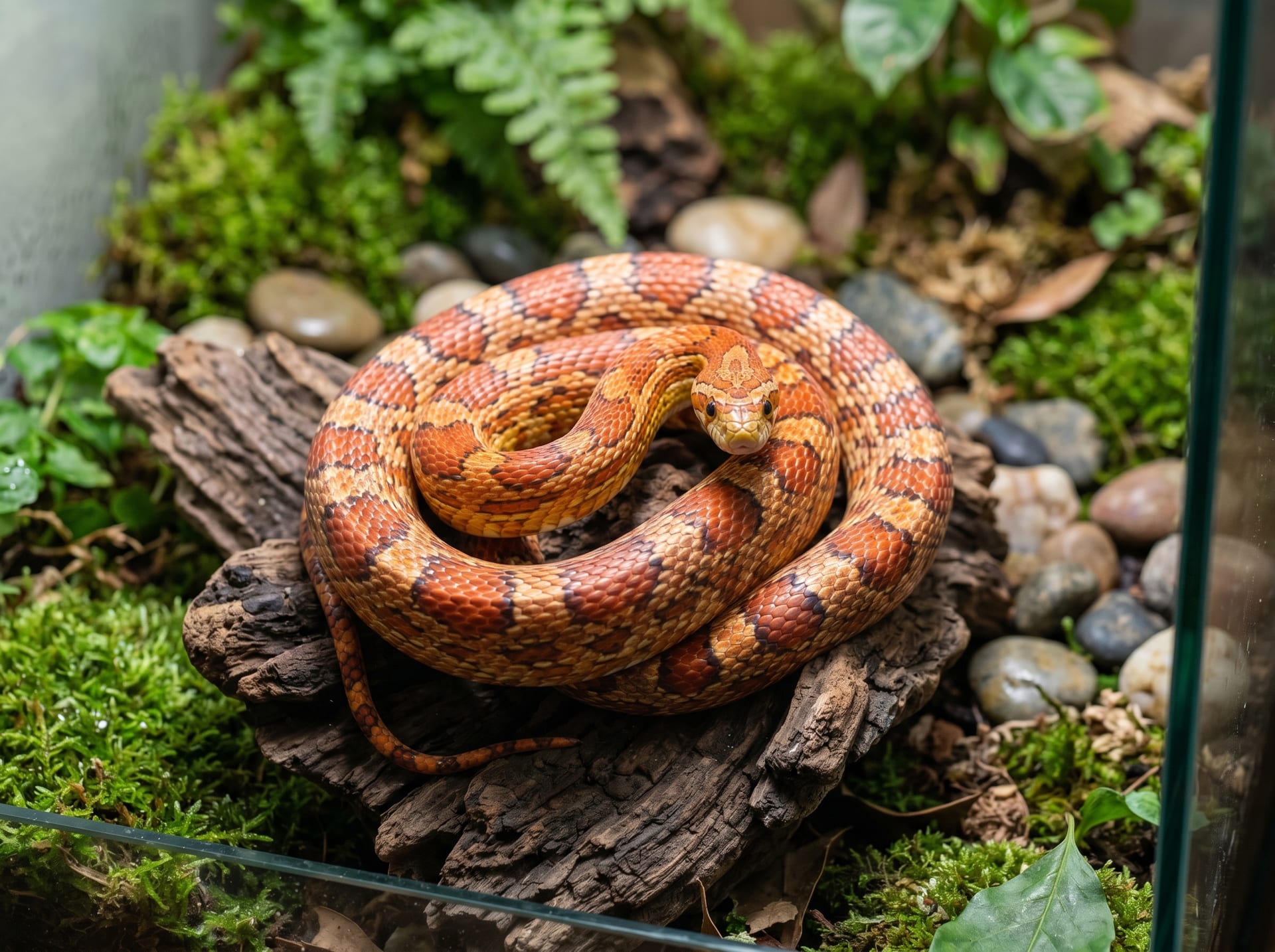
This beautiful North American snake has developed diverse morphs through selective breeding. Relatively small and easy to manage, it is beloved worldwide as an ideal beginner snake species.
Care Difficulty: Low (ideal as a snake beginner's choice)
Required Equipment: 60 cm or larger enclosure, heating equipment, shelter
Temperament: Docile, easy to handle, and readily becomes accustomed to handling
Diet: Frozen mice, 1-2 times per week
They're skilled escape artists, so ensure the enclosure lid locks securely. With adults typically reaching 100-150 cm in length, they're suitable even for those with limited space.
---
Popular Tortoise and Chameleon Species
Hermann's Tortoise
A small European tortoise with beautiful shell patterns and a calm, appealing demeanor. With proper care, they can live over 50 years, truly becoming a "lifetime companion."
Care Difficulty: Intermediate (requires UV lighting and temperature management)
Required Equipment: 90-120 cm enclosure, UV lamp, basking lamp, substrate
Temperament: Calm and easy to tame
Diet: Primarily wild greens and vegetables like kale, dandelion, and bok choy
Avoid overfeeding fruits due to their high sugar content. Using calcium supplements appropriately is also important for health management.
Chameleon (Veiled Chameleon)
With its ability to change color and its dramatic hunting technique of capturing insects with its long tongue, this species is the stuff of dreams for reptile enthusiasts. However, care difficulty is high and not suitable for beginners.
Care Difficulty: High (ventilation and water management are extremely critical)
Required Equipment: Tall mesh enclosure, UV lamp, drip-feed watering system
The balance between humidity and ventilation is critical—poor airflow in sealed enclosures leads to respiratory issues. The standard watering method involves creating water droplets on leaves using flowing water or misting, which the chameleon then licks. This is a species to attempt only after gaining substantial experience.
---
Common Points to Remember for All Reptile Keeping
Regardless of which species you choose, there are important points shared across all reptile keeping.
Temperature Management: Being ectothermic, reptiles depend on external heat sources for body temperature. Creating a temperature gradient within the enclosure (warm and cool zones) is essential
Shedding Support: Incomplete shedding can lead to infection. Maintain appropriate humidity and observe your reptile closely before and after shedding
Choose Captive-Bred Specimens: Captive-bred (CB) individuals adapt better to captive environments and tend to have lower disease risk compared to wild-caught (WC) specimens
Secure Veterinary Care: Since few veterinarians treat reptiles, we strongly recommend researching exotic animal veterinary clinics near you before acquiring your reptile
---
Safe and Reliable Practices at br-choku
At br-choku, you can purchase reptiles directly from specialized breeders. The greatest advantage is access to rare color morphs rarely seen in pet shops and healthy, carefully raised captive-bred specimens.
Focus on Captive-Bred Individuals: Specimens bred and raised domestically acclimate smoothly to captive environments with stable health
Access to Rare Morphs: Rare species not easily found through regular retail channels can be purchased directly from breeders
Confirm Individual History Directly: You can inquire about detailed care records with the breeder, including birthdate, feeding history, and shedding records
Get Husbandry Advice: Even for species you've never kept before, you can purchase with guidance from experienced breeders, ensuring peace of mind as you begin your care journey
Living with reptiles brings deep fulfillment, rewarding careful attention with enriching companionship. We hope you'll find your perfect match at br-choku.