Reptile Emergency First Aid Guide | Treatment for Illness, Injury, and Dehydration
An explanation of first aid procedures that pet owners should take when a reptile suddenly appears unwell. This guide covers first aid response before reaching an animal hospital, as well as initial treatment for dehydration, trauma, incomplete shedding, and convulsions.
Key Takeaways
An explanation of first aid procedures that pet owners should take when a reptile suddenly appears unwell. This guide covers first aid response before reaching an animal hospital, as well as initial treatment for dehydration, trauma, incomplete shedding, and convulsions.
Related Species
When keeping reptiles, there comes a moment when you suddenly notice "something is different than usual." Unlike mammals, reptiles do not readily show outward signs of illness, and by the time symptoms become visible, the condition has often deteriorated significantly. This article explains the first aid measures that owners can take at home and the decision-making criteria for when to immediately take your reptile to an animal hospital.
The Foundation of First Aid: Correct the Environment First
The first thing to do in a reptile emergency is to check and correct the environment. Many problems begin with inappropriate temperature and humidity.
Checking and Adjusting Temperature
Reptiles, being ectothermic animals, depend on their environment for thermoregulation. Most symptoms such as lethargy and immobility are caused by temperatures that are too low.
Check the basking spot temperature and set it to an appropriate range (varies by species, but 30–40°C for most species)
If the overall cage temperature is low, supplement it by wrapping a disposable heat pack in a towel around the cage from the outside, or by increasing the setting on a heat panel
However, be careful of overheating. Proceed cautiously while monitoring with a thermometer
Water Replenishment (Response to Dehydration)
Wrinkled-looking skin, sunken eyes, and poor skin turgor when pinched—these are signs of dehydration.
Place the individual in a shallow tray of lukewarm water (approximately 30–35°C) for a soak (warm bath)
Soak time should be about 10–15 minutes
For snakes and lizards, ensure the nostrils do not become submerged in water
Symptom-Specific First Aid
1. Anorexia (Not Eating)
Anorexia is one of the most commonly seen symptoms. However, for reptiles, "anorexia" can also be a normal state.
First, confirm the following
✍️
BreederDirect Editorial
The BreederDirect editorial team specializes in care information for animals, covering veterinary care and breeding to deliver beginner-friendly guides.
Find Reptiles on BreederDirect
Buy directly from verified breeders
Browse Related Listings
Find Reptiles listings related to this article on BreederDirect. Buy directly from verified breeders.
Is the temperature appropriate? (Low temperature reduces appetite)
Is it before shedding? (Appetite may drop about two weeks before shedding)
Are there sources of stress? (Excessive handling, seeing dogs or cats through the cage, etc.)
Treatment
Change the feeding environment to a quiet location
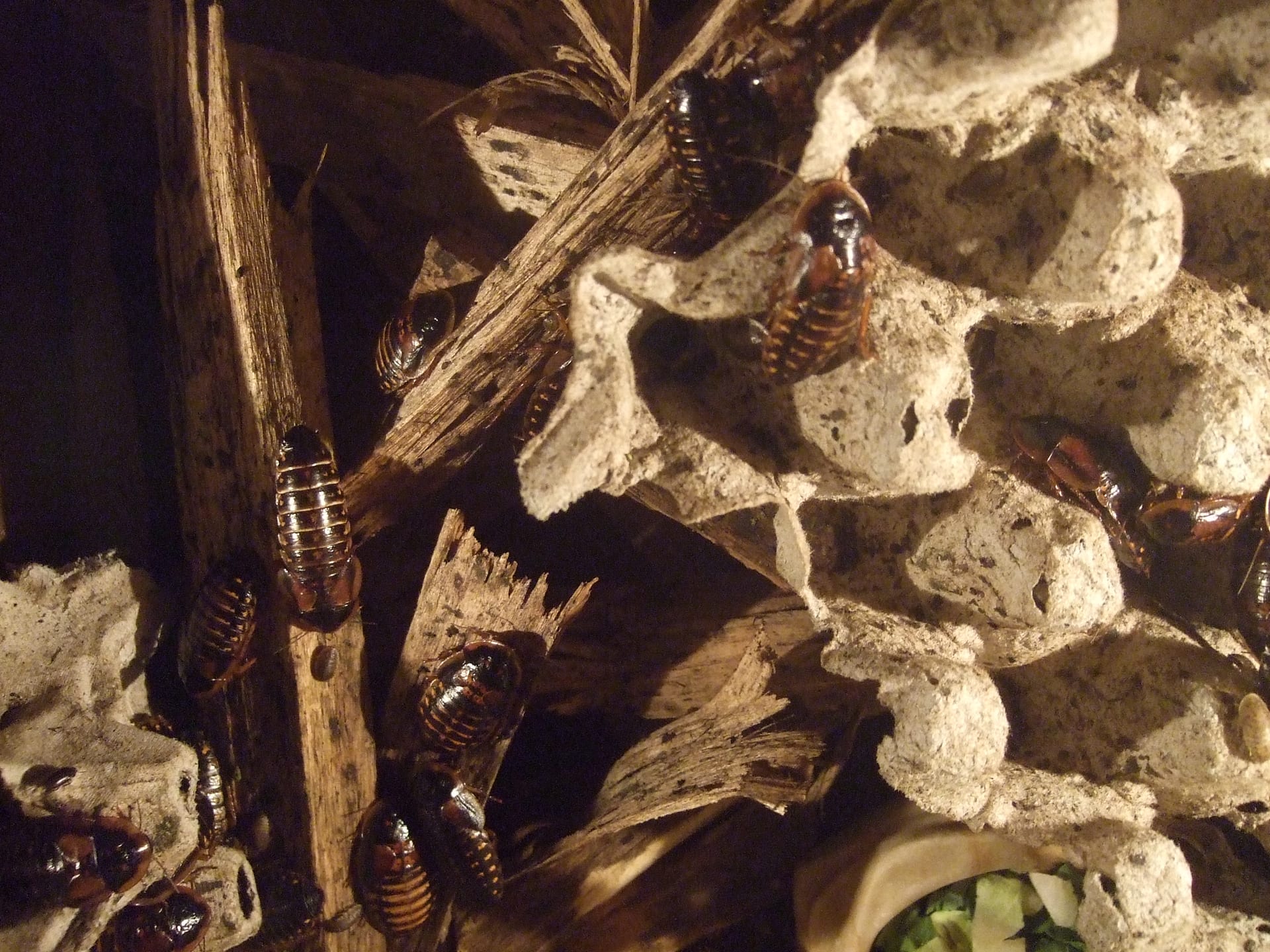
Try changing the type or size of food (switching from crickets to dubia roaches, reconsidering the thawing temperature of frozen mice, etc.)
If anorexia continues for 2–3 weeks or more, visit an animal hospital
2. Incomplete Shedding
This is a condition where skin remains after shedding. Particularly on the fingertips, eyes (spectacle), and tail tip, remnants are common and can lead to necrosis if left untreated.
Treatment (Mild Cases)
Perform a 10–15 minute soak in lukewarm water
Using moist soft cotton or a damp towel, gently and slowly remove the old skin
Pay special attention to fingertips and tails. Forcefully pulling can damage skin and tissue
When to Seek Veterinary Care
The spectacle (eye covering) remains (residual eye skin may affect vision)
The shed does not come off after one soak, or bleeding occurs when removing it
Fingertips or tail tips have changed color (sign of necrosis)
3. Trauma and Cuts
These can be caused by bites from feeder insects or cuts from protrusions in the cage.
Treatment
Rinse the wound with clean lukewarm water
For small wounds, use a commercial reptile-specific disinfectant spray or diluted povidone-iodine solution
For large, deep wounds, or those with continued bleeding, seek veterinary care promptly
To prevent infection, temporarily replace the substrate with paper towels (easier to maintain a clean environment)
4. Vomiting and Regurgitation
This is a common problem in snakes. Causes include excessive handling shortly after feeding, food that is too large, and insufficient temperature.
Treatment
After regurgitation, abstain from feeding for at least one week to minimize strain on the digestive system
Keep the cage clean and maintain appropriate temperature
For the next feeding, offer smaller-than-usual food and observe
If this repeats or the animal regurgitates non-food items, visit an animal hospital
5. Convulsions and Neurological Symptoms
Symptoms such as the body trembling, assuming an unusual twisted posture, or performing rotational movements not normally seen are signs of nervous system abnormality.
Treatment
This is not a condition that can be resolved at home. Seek veterinary care promptly (ideally at an exotic animal specialist). During transport, keep the cage stable without sudden shaking.
Possible causes include severe calcium or vitamin D3 deficiency (metabolic bone disease), viral or bacterial infection, or poisoning.
6. Respiratory Distress and Wheezing Sounds
Breathing with the mouth open or hearing a wheezing sound when holding the animal—these are likely signs of respiratory infection (mouth rot or pneumonia).
Treatment
Confirm the cage temperature is appropriate and set it slightly higher (within the safe range for the species)
Seek veterinary care promptly. Respiratory infections progress rapidly, and early treatment is crucial
Checklist of Symptoms Requiring Veterinary Care
If any of the following apply, we recommend seeking veterinary care as soon as possible.
Convulsions or neurological symptoms are present
The animal is breathing with its mouth open
There is heavy bleeding
There is trauma severe enough to expose bone
Prolapse of internal organs or cloaca (red tissue protruding from the cloaca)
Suspected egg binding (females with abnormally enlarged abdomens that have not laid eggs for several days)
Rapid weight loss
Spectacle (eye covering) repeatedly remains
Fingertips or tail tips have turned black
The animal has eaten nothing for three weeks or more
Points to Note During Transport
When taking your reptile to an animal hospital, keep the following in mind.
Heat Retention is the Top Priority
When reptile body temperature drops, immunity declines and anesthesia and treatment risks increase. Use heat packs or heating mats during transport to maintain appropriate temperature. Ensure heat packs are wrapped in a towel so they do not directly contact the animal.
Bringing the Cage is Ideal
Bring the animal in its usual cage or a clean transport container. To minimize stress, covering the container with a dark cloth is also effective.
Bring Notes on Recent Behavior
The date and amount of the last meal
When symptoms began
Recent changes in temperature and humidity
Supplements used and frequency of administration
If purchased from a breeder, note that fact and the acquisition date
This information is an important clue for improving diagnostic accuracy.
Daily Prevention is the Greatest First Aid
To minimize emergencies, daily observation and record-keeping are most important.
Observe your individual at a set time each day and check for changes in eyes, skin, feces, and behavior
Develop a habit of measuring body weight once per week (changes in body weight are an indicator of health status)
Calibrate thermometers and hygrometers regularly (check accuracy)
Make annual or biannual check-ups at an exotic animal specialty hospital a habit
Bring Home a Healthy Individual from a Trustworthy Breeder on BreederDirect
Most reptile problems can be prevented from the start by acquiring a healthy individual raised under proper care. On BreederDirect, reptile specialists list animals directly. Before purchasing, you can ask breeders questions such as "whether health screenings have been performed," "whether parasite testing has been done," and "current feeding and temperature settings," so you can confidently prepare to welcome your new pet.
Understanding how to respond in emergencies is equally important as acquiring a healthy individual from a trustworthy source—the first step in responsible reptile keeping.