Reptile Egg Incubation Guide — Temperature, Humidity & Container Setup
Complete reptile egg incubation guide: incubator selection, temperature and humidity settings, egg orientation, and candling techniques.
Key Takeaways
Complete reptile egg incubation guide: incubator selection, temperature and humidity settings, egg orientation, and candling techniques.
Related Species
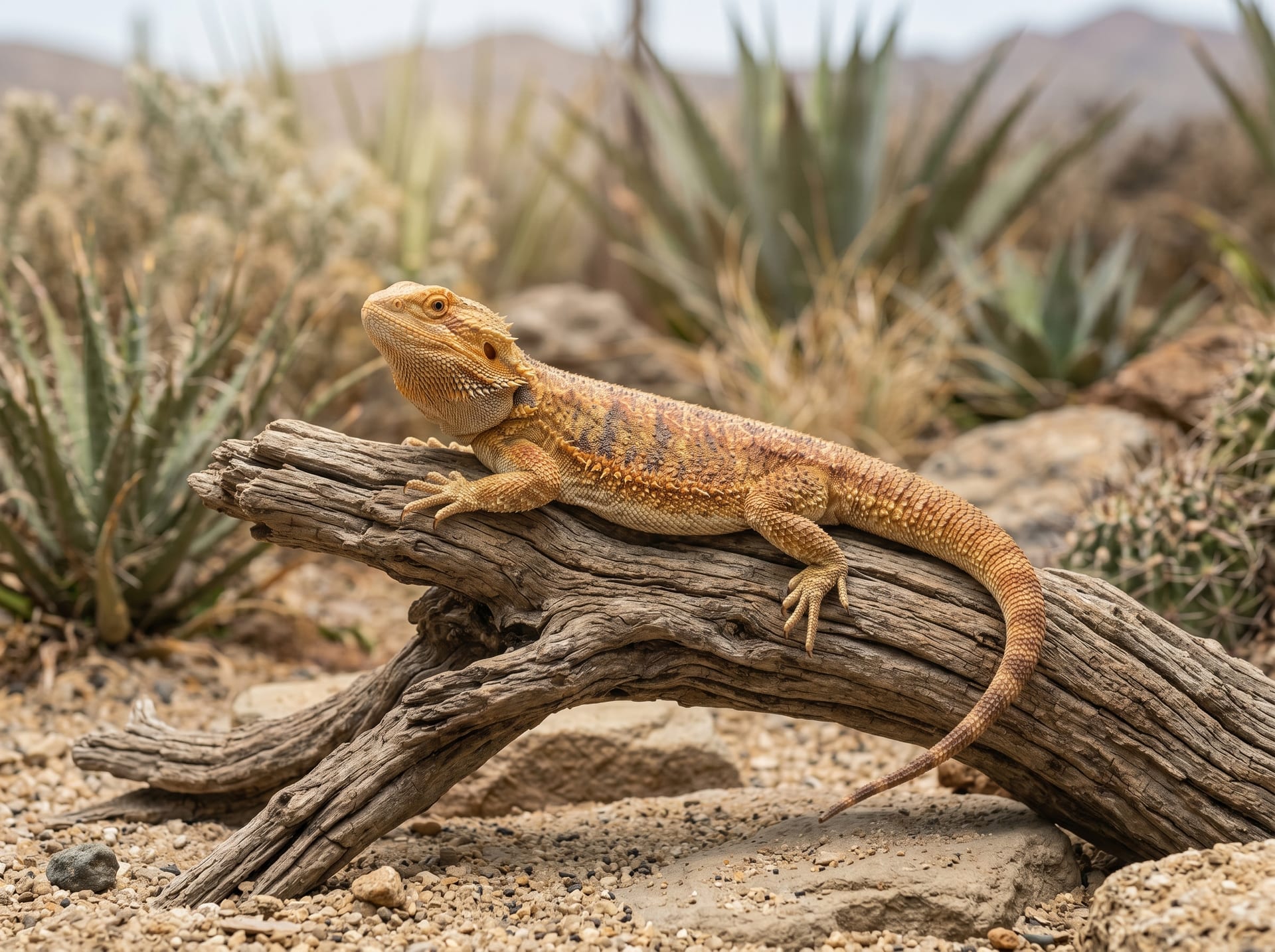
In reptile breeding, post-laying egg management (incubation) is the most critical process determining hatch rates. Unlike bird eggs, reptile eggs have unique considerations, with optimal temperature, humidity, and management methods varying by species. Proper knowledge and appropriate equipment can dramatically improve hatch rates. This article covers incubation fundamentals through advanced techniques for popular species including leopard geckos, corn snakes, and bearded dragons.
Signs of Laying and Egg Collection
As laying approaches, females exhibit behavioral changes: decreased appetite, restlessness, and digging motions within the enclosure. Except for ovoviviparous species (some snakes like ball pythons), most reptiles lay eggs in soil, so provide a laying box within the enclosure. Fill the laying box with 8-10 cm of moistened sphagnum moss or vermiculite with a lid featuring an entry hole.
Collect eggs as soon as possible after laying. The critical rule: do not change the egg's orientation. After 24-48 hours post-laying, the embryo becomes fixed -- inverting the egg suffocates the embryo. When collecting, mark the top with a small marker dot, then transfer to the incubation container maintaining the same orientation. If multiple eggs are fused together, do not force them apart -- incubate as a cluster.
Choosing and Building an Incubator
Dedicated reptile incubators provide precise temperature control for reliable hatch rates. Popular commercial options include Geo Therm and Exo Terra products, with temperature accuracy of plus or minus 0.5°C recommended. However, commercial incubators are expensive, so DIY incubators using polystyrene boxes with thermostat-controlled heaters are widely used. For DIY construction, place a heat mat at the bottom of a well-insulated polystyrene box with a wire mesh or plastic plate barrier preventing direct egg-heater contact. Position the thermostat sensor at egg level for accurate temperature monitoring. A small PC fan running at low speed helps prevent temperature variations inside the box.
Species-Specific Temperature and Humidity Guide
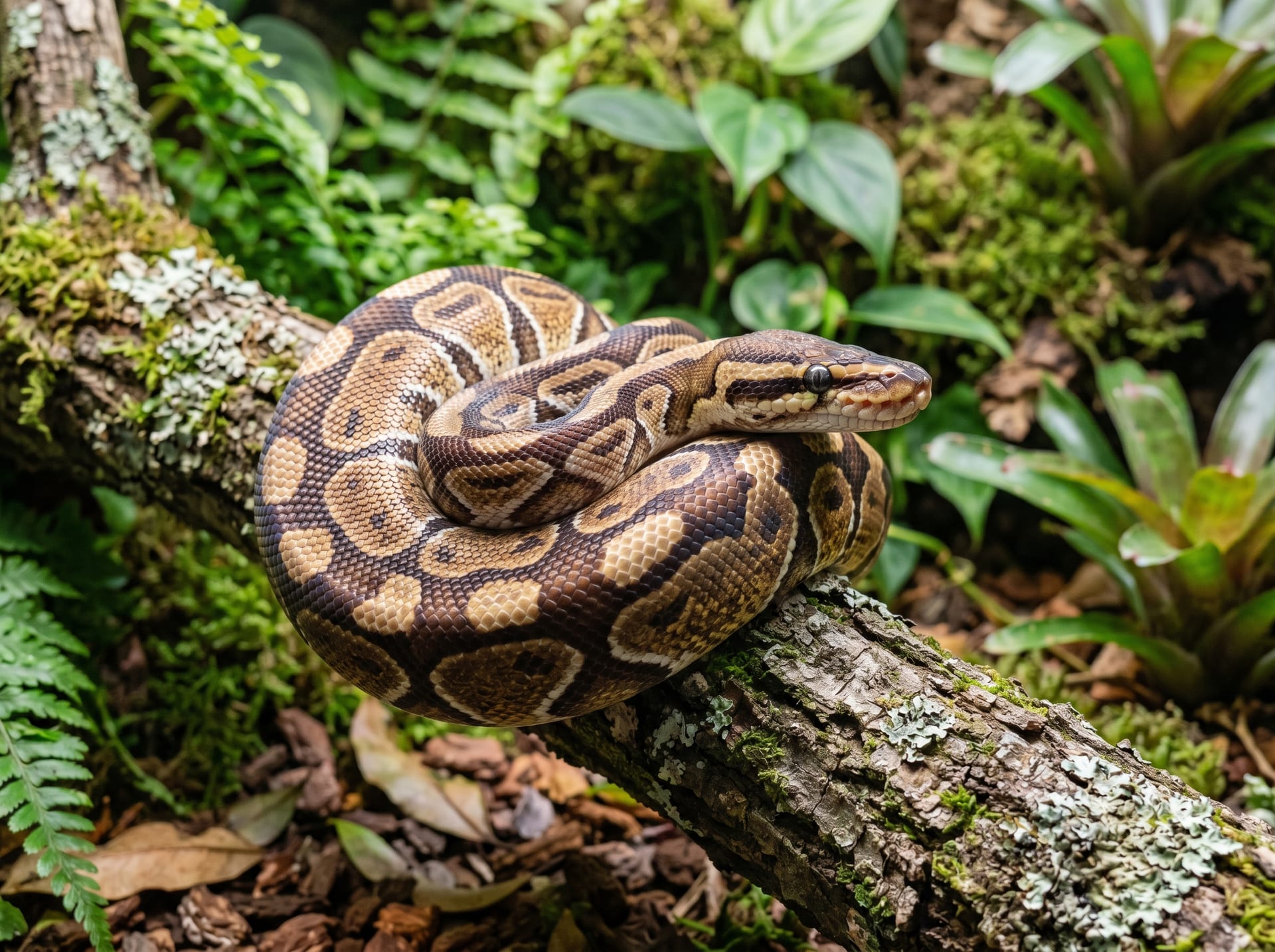
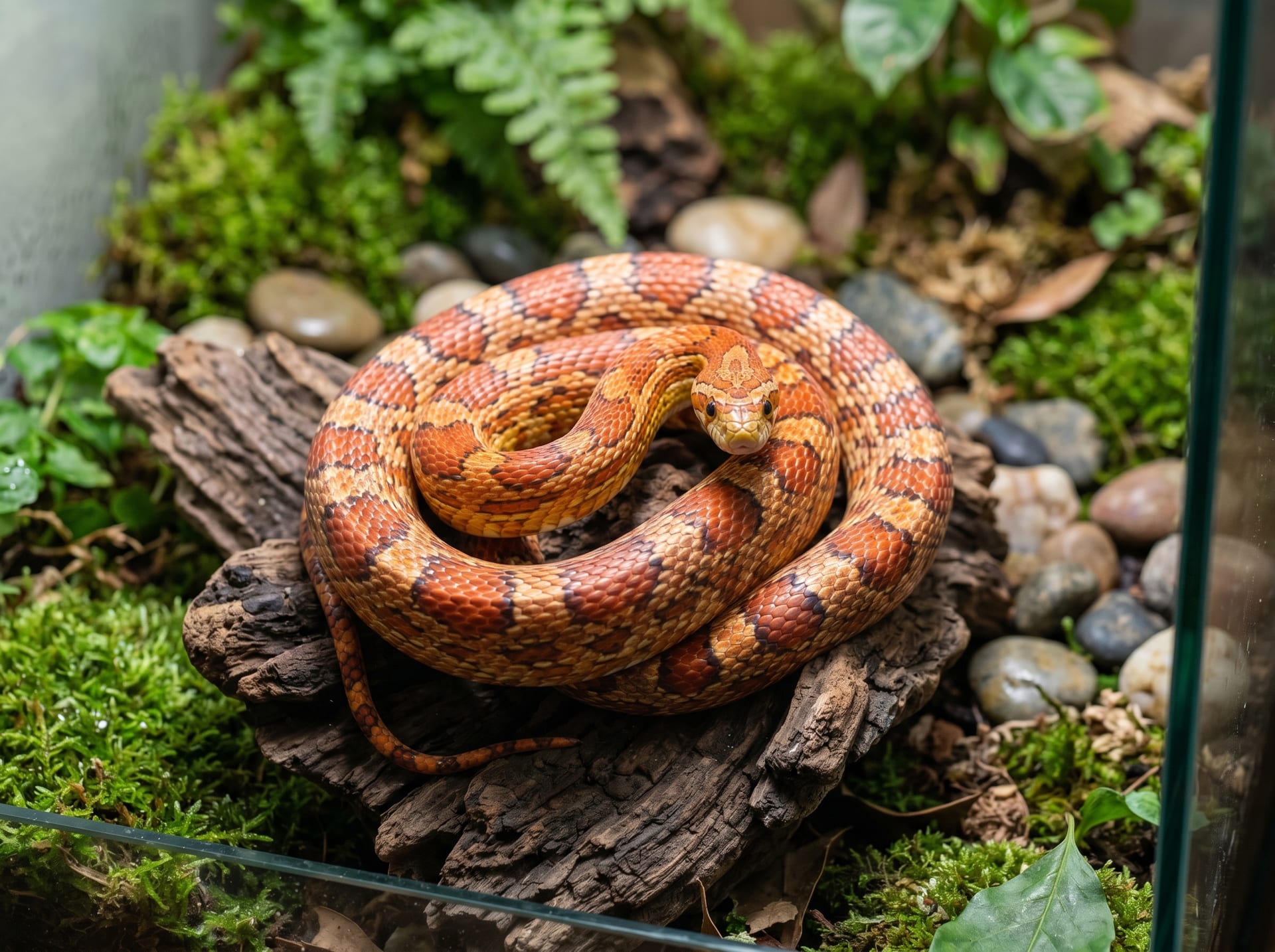
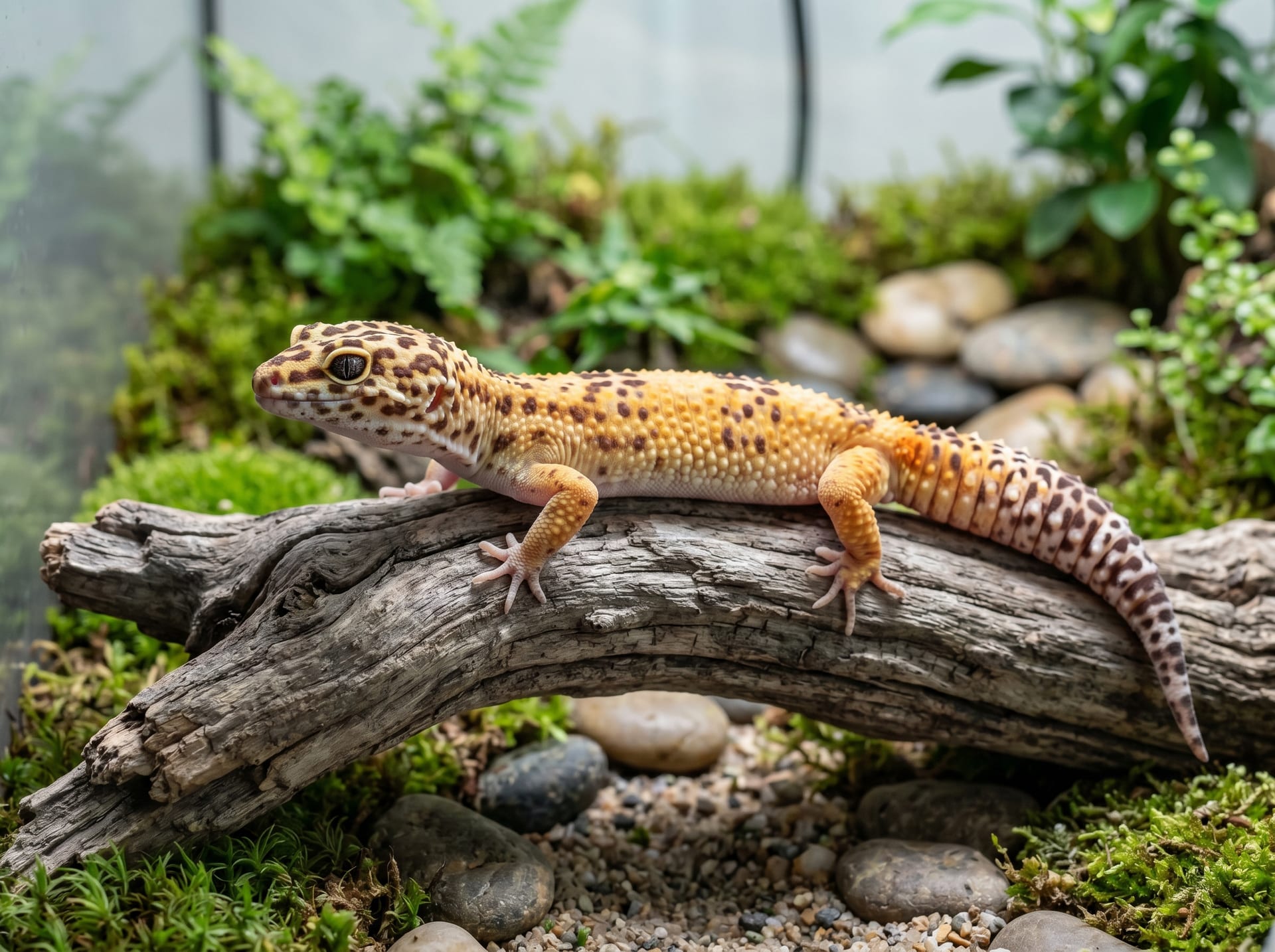
Temperature is the most critical factor in reptile egg management. Leopard geckos hatch within 26-32°C, exhibiting temperature-dependent sex determination (TSD): 26-28°C produces mostly females, 31-32°C mostly males, 29-30°C produces mixed sexes. Incubation duration inversely relates to temperature -- about 60 days at 28°C, about 40 days at 32°C. Corn snakes: optimal 27-29°C, approximately 60 days. Bearded dragons: 28-30°C for 55-75 days. Ball pythons: 31-32°C for 55-60 days.