Bioactive Reptile Husbandry Guide: How to Build an Enclosure That Mimics an Ecosystem
A comprehensive introduction to bioactive reptile husbandry. Learn how to construct a biological substrate layer that breaks down waste, select appropriate plants and microorganisms, and maintain your enclosure. Perfect for beginners.
Key Takeaways
A comprehensive introduction to bioactive reptile husbandry. Learn how to construct a biological substrate layer that breaks down waste, select appropriate plants and microorganisms, and maintain your enclosure. Perfect for beginners.
Related Species
What is Bioactive Husbandry? How It Works and Its Benefits
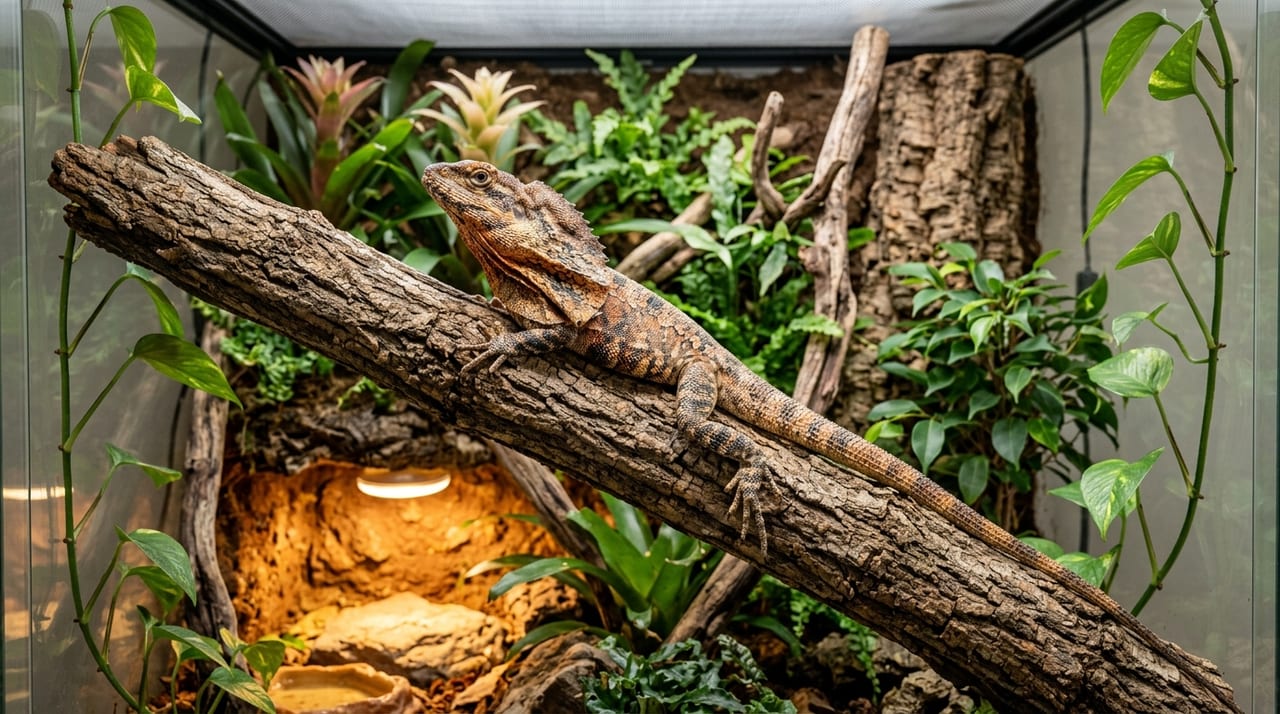
Bioactive husbandry is a keeping method in which you artificially construct a small ecosystem within the enclosure, using microorganisms and cleaner crews (decomposers) to naturally break down waste and uneaten food. In traditional husbandry, substrate is typically replaced entirely every few weeks. But once a bioactive environment stabilizes, a nutrient cycling cycle similar to nature begins functioning inside the enclosure.
The greatest advantage of this system is a dramatic reduction in maintenance. As microorganisms and cleaner crews constantly decompose organic matter, odors are suppressed and mold growth diminishes. Living plants regulate humidity and supply oxygen, maintaining a physiologically comfortable environment for your reptiles.
Equally important is the animal welfare aspect. Natural behaviors such as burrowing, moving through vegetation, and hiding under leaf litter become possible, reducing stress and supporting long-term health. However, setup requires proper knowledge and substantial initial investment, and bioactive enclosures are not suitable for all reptile species. Before starting, you must thoroughly understand the ecological needs of your chosen species.
Enclosure Structure Basics: Building Drainage and Substrate Layers
A bioactive enclosure uses a "layered structure" with successive layers stacked from bottom to top. Understand the role of each layer before assembly.
Drainage Layer
The bottom layer is a drainage layer. Fill it with pumice or hydroton (expanded shale) to a depth of 3–5 cm, where it acts as a water reservoir. Without this layer, waterlogging, root rot, and anaerobic bacterial growth become more likely.
Separator Sheet
Place a non-woven fabric sheet between the drainage and substrate layers to prevent soil from falling into the lower layer. Roots can still penetrate, so plant growth is unaffected.
Substrate Layer
Aim for 8–12 cm of substrate. The key is adjusting the mix to suit your species.
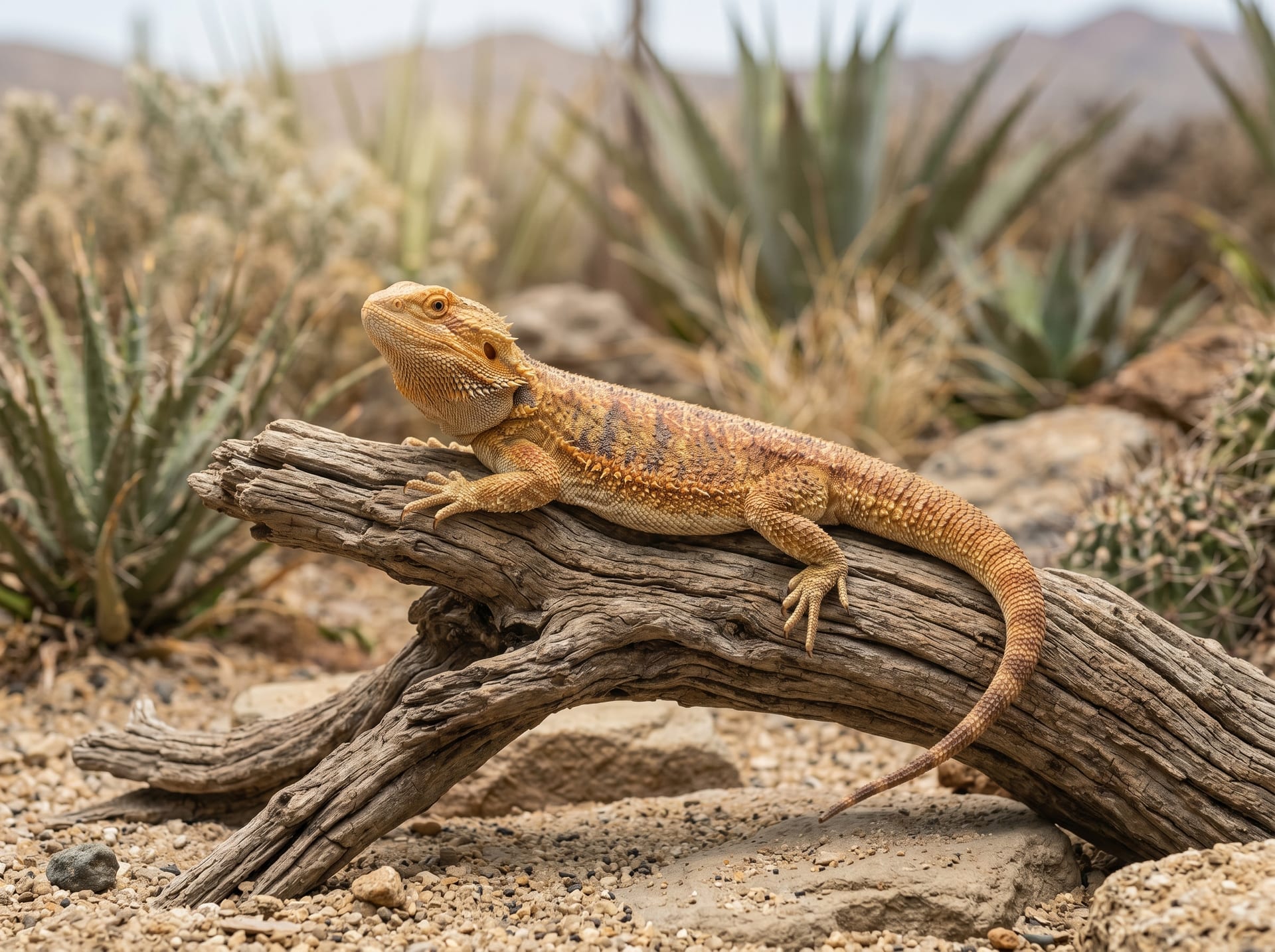
- Arid species (Bearded Dragons, Leopard Geckos, etc.): Red soil 6 : Leaf mold 2 : Coconut husk 2
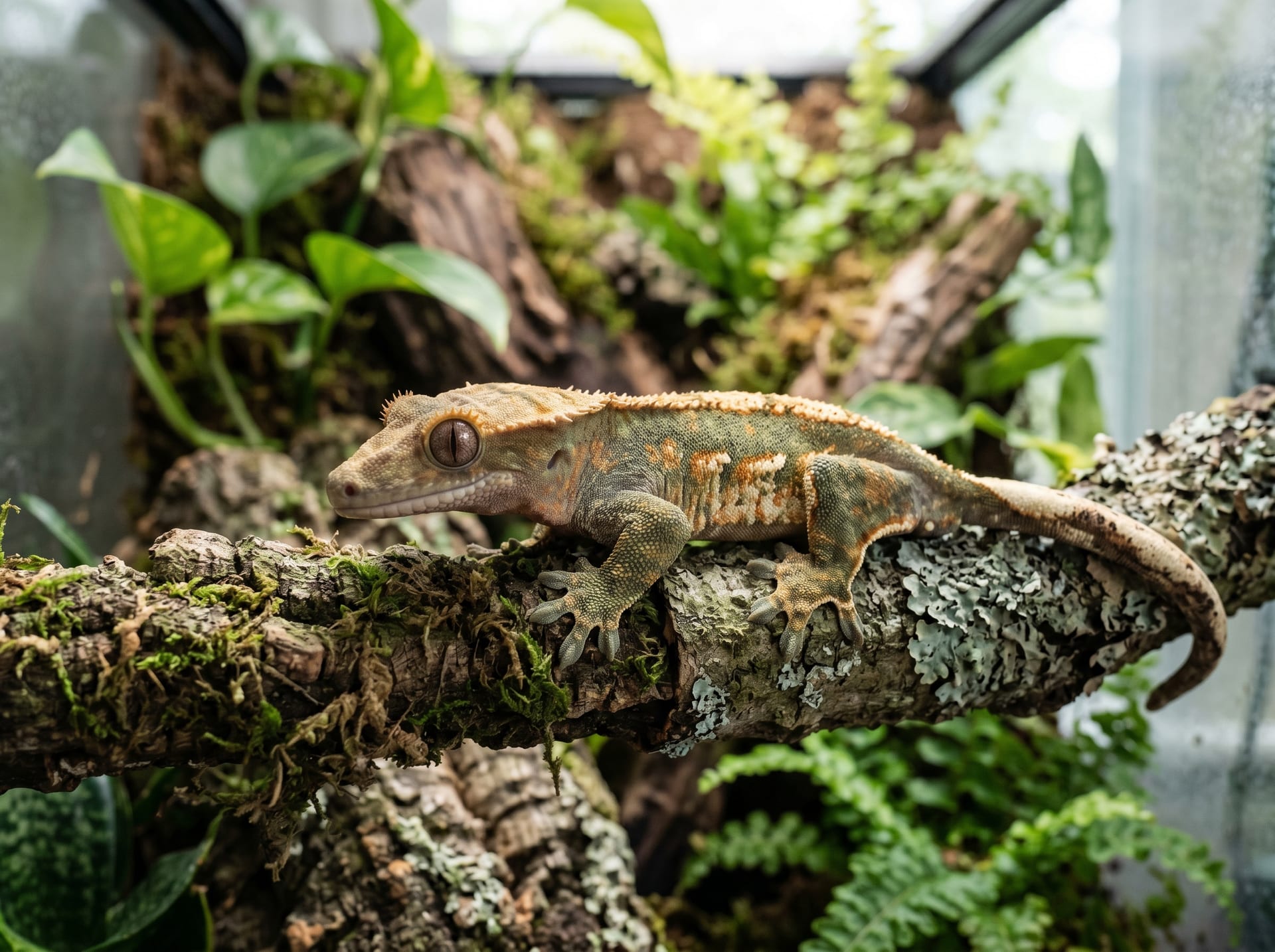
- High-humidity species (Crested Geckos, Chameleons, Amazon Milk Frogs, etc.): Coconut husk 5 : Leaf mold 3 : Red soil 2
Mixing a small amount of activated charcoal or charcoal dust into the substrate improves odor control and drainage. Pre-mixed "bioactive substrate blends" are available commercially and save labor, but weigh the cost benefit.
Choosing and Introducing Cleaner Crews
Cleaner crews—the decomposers that form the heart of bioactive husbandry—work to create an efficient decomposition cycle when the right species are combined.
Springtails (Collembola)
These tiny arthropods (1–2 mm long) break down mold, fungi, and fine organic fragments. In humid enclosures where mold easily develops, they are especially valuable. They reproduce readily and naturally maintain population levels in proper conditions.
Isopods
Small species like Armadillidium are ideal. They directly consume waste and leaf litter, quickly processing odor sources. Sensitive to dryness, they work best in humid to semi-humid enclosures. Arid systems require careful introduction techniques.
Earthworms
As they move through deeper soil layers, they decompose organic matter and improve aeration and drainage. Particularly effective in large-species enclosures such as those for Bearded Dragons.
These are available through online retailers and reptile shops. The order of introduction matters too: introduce cleaner crews first and allow 2–4 weeks for them to breed and establish in the enclosure before introducing your reptile. During the startup period, offer vegetable scraps or insect feed to help stabilize populations.
Choosing and Positioning Live Plants
Live plants are essential to bioactive husbandry. They stabilize humidity, supply oxygen, and provide hiding spots and climbing surfaces for your reptiles.
Recommended Plants for Arid Enclosures
- Sansevieria (Snake Plant): Highly drought-tolerant and easy to manage
- Echeveria, Haworthia and other succulents: Choose species that withstand trampling
- Aloe: Offers antibacterial and pest-deterrent properties
- Yucca: Functions as a structural element in larger enclosures
Recommended Plants for High-Humidity Enclosures
- Pothos: Vigorous and beginner-friendly
- Fittonia: Beautiful foliage and thrives in humidity
- Bromeliads: Leaf bases hold water, ideal for arboreal species
- Ferns (Ostrich Fern, Maidenhair Fern, etc.): Grow vigorously in high-humidity conditions
When selecting plants, it is essential to confirm they are non-toxic to reptiles. Never use species toxic to reptiles, even if they are common houseplants—such as Dieffenbachia or Poinsettia.
You can either pot plants and bury the pots in substrate, or plant directly into it. The potted method is recommended for beginners; plants are easier to replace if they die. Consider adding plant-growth LED lighting to your setup to ensure adequate light.
Practical Daily Maintenance
While setup seems demanding, maintaining a stable bioactive enclosure is remarkably simple.
Daily to Weekly Tasks
- Top up water (via misting or water dishes)
- Remove conspicuous large waste (if the cleaner crew cannot process it all)
- Remove uneaten food
Monthly Checks
- Assess substrate moisture
- Monitor cleaner crew populations (add more if numbers drop)
- Prune plants and remove dead leaves
Complete substrate replacement is normally unnecessary, though you may need to reset in cases of serious problems (disease, substrate collapse, etc.). With an established cleaner crew, odor is rarely an issue.
Expanding Bioactive Husbandry Through BreederDirect
Bioactive husbandry has gained rapid attention in recent years, and more breeders are adopting it. However, most available information originates overseas, and practical knowledge adapted to Japan's climate and available materials remains limited.
Through BreederDirect, you can acquire animals directly from breeders who use bioactive husbandry. Communicating with them before purchase gives you the chance to learn setup methods, the specific plants and cleaner crews they use, and other hands-on knowledge—a tremendous advantage.
Moreover, individuals raised in a bioactive environment built by their breeder have already adapted to a near-natural setting, making the transition to your new enclosure smoother. Whether you're just starting bioactive husbandry or looking to deepen your practice, connect with BreederDirect's breeders and apply their living knowledge to your own setup.