Bioactive Reptile Enclosure Guide | Natural Husbandry with Ecosystem Management
A guide to creating bioactive enclosures for reptiles. Learn how to implement drainage layers, ABG substrate, and cleanup crews.

Key Takeaways
A guide to creating bioactive enclosures for reptiles. Learn how to implement drainage layers, ABG substrate, and cleanup crews.
Related Species
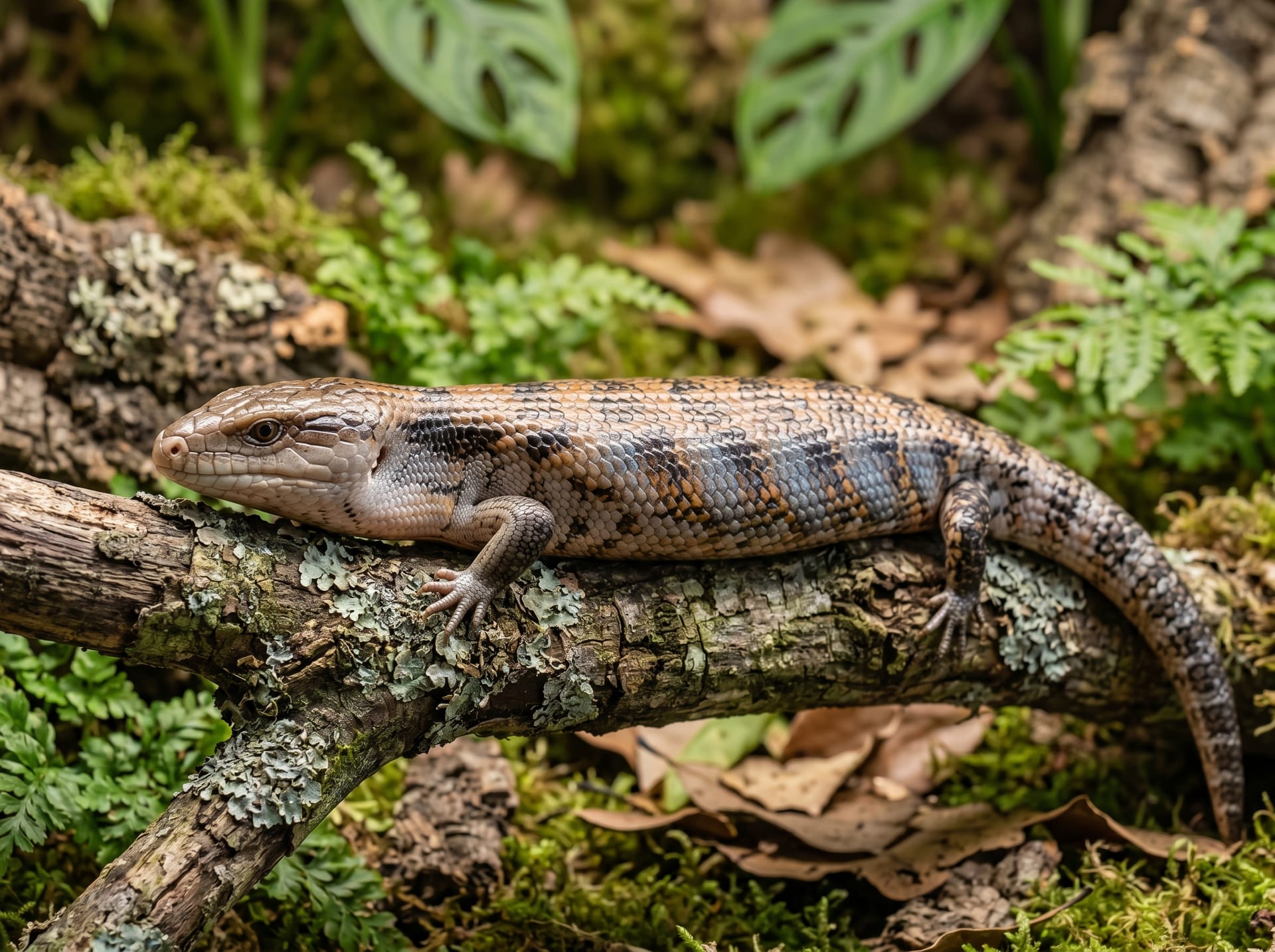
One of the biggest challenges in reptile keeping is maintaining a clean enclosure. Weekly substrate changes, frequent removal of waste... While investing this effort, many keepers wonder: "Could we create an environment closer to nature?" This is where bioactive enclosures come into focus as a husbandry approach.
A bioactive enclosure is a technique that recreates a "miniature ecosystem" within the cage, where microorganisms, small invertebrates, and plants coexist and naturally decompose waste. While setup requires some effort initially, once established, cleaning frequency drops dramatically and provides a stress-free environment closer to the wild for your reptile. This article explains everything from the basic structure of bioactive enclosures to maintenance, in language accessible even to beginners.
What is a Bioactive Enclosure? How It Works and Its Benefits
The core of a bioactive enclosure is the decomposition cycle. Waste and food scraps excreted by reptiles are broken down by cleanup crew—small organisms like isopods and springtails—while microorganisms convert that organic matter into nutrients for plants. Plants absorb moisture and nutrients from the substrate as they grow, stabilizing the enclosure environment—this cycle creates the "self-sustaining" characteristic.
Main Benefits
- Dramatically reduced cleaning frequency: Cleanup crew processes small waste, so spot cleaning becomes minimal
- Stable humidity and temperature: Live substrate and plants act as buffers, mitigating environmental fluctuations
- Reduced stress for reptiles: Natural layouts with hides, branches, and leaf litter encourage natural behaviors
- Improved aesthetics: A lush vivarium increases visual appeal and observational value
However, keep in mind that setup costs are significant and the system can collapse if balance is disrupted. Particularly, the requirements differ greatly between arid and humid species, so understanding the natural habitat of your specific reptile is the essential first step.
Substrate Layer Structure | Three Layers Form the Ecosystem Foundation
The bottom of a bioactive enclosure functions through three layers stacked in order. Understand each layer's role before construction.
Drainage Layer
The bottom layer should have lightweight lava rock or hydroton spread 2–5cm thick. This layer's purpose is to collect excess moisture below and prevent the entire substrate from becoming waterlogged. It plays a critical role in preventing root rot and the growth of anaerobic bacteria. Place a root barrier or mesh above the drainage layer to prevent soil from the upper layers mixing in.
Substrate Layer (ABG Mix)
The middle layer is the primary substrate where reptiles and plants directly contact. The ABG (Atlanta Botanical Gardens) mix is the worldwide standard and blends the following materials:
- Peat moss (water retention and acidification)
- Tree fern fiber (aeration and fiber content)
- Coconut husk (water retention and elasticity)
- Activated charcoal (odor control and purification)
- Bark chips (aeration and organic matter)
5–10cm thickness is the standard, though deeper layers are recommended for better root development. For arid species (like leopard geckos), adjust the mix to include a higher proportion of sand.
Leaf Litter Layer
The top layer should have dried broadleaf leaves spread over it. Oak, beech, and magnolia are common choices, serving as hideouts for cleanup crew and food sources for microorganisms. The natural appearance increases aesthetics, and reptiles may exhibit foraging behaviors by moving through the leaves. Supplement monthly to maintain the decomposition cycle.
Choosing Your Cleanup Crew | The Backbone of Your Enclosure
Cleanup crew are the "janitors" of your bioactive enclosure. Different species excel at different tasks, so combining multiple types is standard practice.
White Isopods (Trichorhina tomentosa)
At 2–3mm body length, they are extremely small and difficult for reptiles to predate on, making them recommended for virtually all bioactive enclosures. They rapidly decompose waste and improve substrate aeration by turning soil. With strong breeding capacity, they establish long-term colonies once introduced.
Springtails (Collembola)
At under 1mm, these tiny organisms primarily consume fungi and mold. In humid enclosures, excess moisture can trigger mold blooms, but springtails continuously suppress these problems, making them vital for maintaining hygiene. They prefer high humidity, so they're unsuitable for arid enclosures.
Isopods and Pill Bugs (including decorative species)
Better suited to breaking down larger organic matter like bones and large feces. Recently, ornamental varieties like Magic Potion isopods have gained popularity, with some keepers adding them for aesthetic value. However, some reptiles will eat them, so introduce them based on your individual's temperament.
Plant Selection | Choosing Flora to Match Your Species' Natural Habitat
Plants play a crucial role in both moisture control and aesthetics. Select them based on your reptile species.
Tropical/Humid Species (Poison Dart Frogs, Chameleons, Snakes, etc.)
- Pothos: Hardy, fast-growing, and beginner-friendly standard
- Philodendron: Large leaves provide hiding spots
- Bromeliads: Water-holding structures provide humidity and drinking sources for reptiles
- Mosses (Java moss, Fissiden moss): Surface coverage maintains moisture and appearance
Arid Species (Leopard Geckos, Blue-tongued Skinks, etc.)
- Sansevieria (Snake plant): Drought-tolerant and resistant to root rot
- Aloe and Haworthia: Succulents requiring minimal watering
- Air plants (Tillandsia): Root-free, epiphytic growth simplifies management
When introducing plants, always choose pesticide-free specimens or soak them in running water for several weeks before use to remove pesticides. Since reptiles may ingest plants, verify beforehand that species are non-toxic.
Daily Maintenance | Key Points for Ongoing Care
Bioactive enclosures are not "completely hands-off" but rather require "nature-like support."
- Mist 1–2 times per week: For humid species, focus on walls; for arid species, lightly dampen only one corner of the substrate
- Monthly leaf litter supplementation: Replenish fallen leaves to maintain the decomposition cycle
- Spot-clean large waste: There's no need for meticulous cleaning. Remove only visibly noticeable feces
- Trim plants: Cut overgrown leaves to maintain airflow through the enclosure
- Monitor cleanup crew health: Replenish the colony if populations decline
A complete substrate reset (full bedding change) is needed approximately once per year, though well-balanced systems can be maintained for 2–3 years. Conversely, if mold blooms excessively or foul odors persist, consider partial reset earlier.
Conclusion | Consult Expert Breeders on BreederDirect
When properly designed and maintained, a bioactive enclosure becomes one of the most enriching environments for your reptile. Initial setup requires investment and knowledge, but once established, you gain significant returns: reduced cleaning effort and richer natural behaviors from your animals.
That said, practical questions persist: "What substrate should I use for this species?" "Where do I source cleanup crew?" BreederDirect (BreederDirect) features many breeders who actively practice bioactive husbandry. The unique strength of BreederDirect is the ability to ask setup tips directly when purchasing animals.
By connecting with knowledgeable breeders, you'll gain real-world expertise unavailable from guides or videos alone. We hope your reptile keeping becomes even more natural and enriching.