What to Prepare Before Welcoming a New Pet — A Complete Checklist of Environment, Supplies, and Mindset by Animal Type | ブリちょく
Buying Guide| ✍️ BreederDirect Editorial
What to Prepare Before Welcoming a New Pet — A Complete Checklist of Environment, Supplies, and Mindset by Animal Type
A complete pre-adoption checklist by animal type — dogs, cats, fish, reptiles, birds, small animals — covering essential equipment, estimated costs, home setup, and the mindset needed for responsible ownership.
Key Takeaways
A complete pre-adoption checklist by animal type — dogs, cats, fish, reptiles, birds, small animals — covering essential equipment, estimated costs, home setup, and the mindset needed for responsible ownership.
✍️
BreederDirect Editorial
The BreederDirect editorial team specializes in care information for animals, covering veterinary care and breeding to deliver beginner-friendly guides.
Find Breeders on BreederDirect
Buy directly from verified breeders
Related Articles
Browse by Category
🪸Coral
🐠Marine Fish
🐟Tropical Fish
🐡Goldfish
🐟Medaka
🦎Reptiles
Share
Complete Guide to Preparing Before Bringing Home a Pet | Essential Checklist and Environment Setup
For first-time pet owners, the question "What do I need to prepare?" is a major concern. While the equipment needed varies depending on the type of animal, the most important thing in common is to "complete all preparations before bringing your pet home." Scrambling to buy things after arrival won't work. This article explains in detail what you should prepare before welcoming a pet, covering environment setup, necessary items, and the right mindset.
Why Is Preparation Before Arrival So Important?
Animals are sensitive to changes in their environment. In particular, moving to a new environment causes significant stress, which lowers their immune system and increases the risk of illness. "Minimizing stress" is the most critical task when welcoming a new animal.
If your setup is complete, your pet can live in an appropriate environment immediately upon arrival. Conversely, if your setup is incomplete, while you're scrambling to prepare after arrival, your pet will remain in a poor environment. Preparation before bringing home an animal is your first act of care toward that creature.
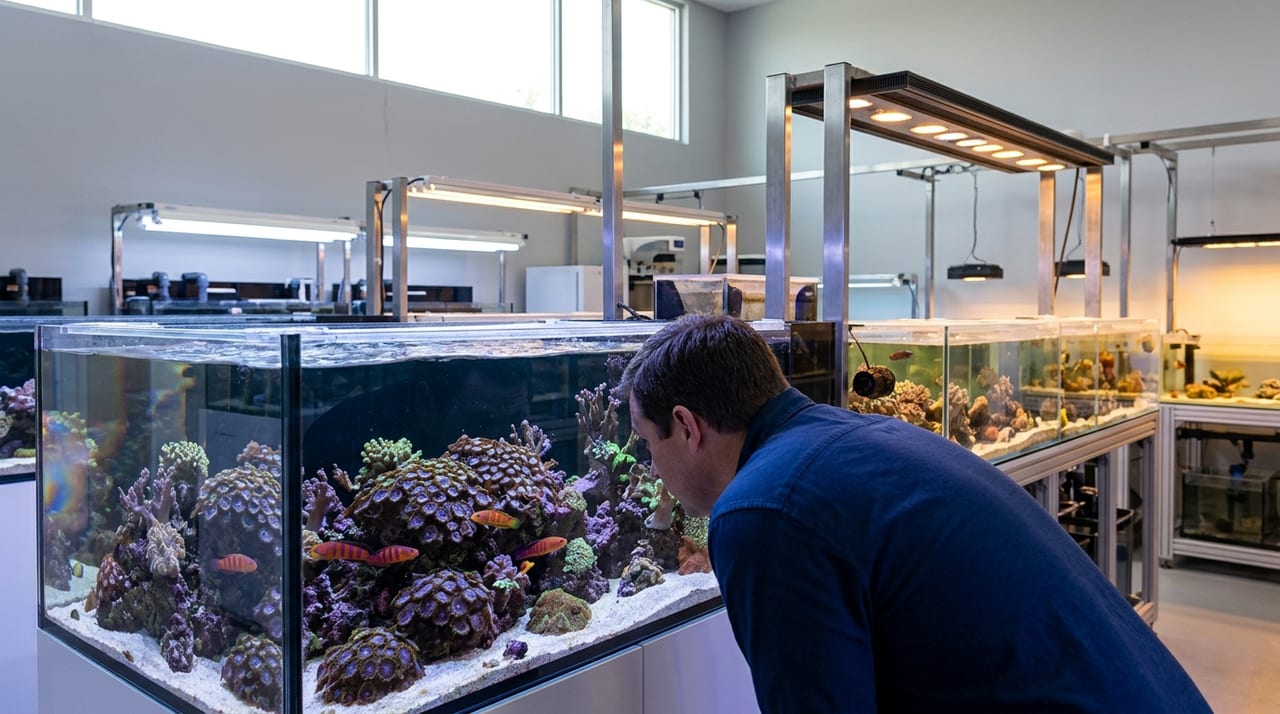
Setting up an aquarium environment takes time. Ideally, begin preparations 2-4 weeks before bringing home your animal.
Aquarium (appropriately sized)
Filter and filtration system
Heater and cooler (for temperature control)
Lighting
Substrate (gravel, soil, sand, etc.)
Water testing kit (pH, ammonia, nitrite, nitrate)
Dechlorinator and bacterial supplements
For saltwater fish and coral: marine salt mix, hydrometer, protein skimmer
Particularly important is "cycling" the aquarium. It takes 2-4 weeks for bacteria to establish in the filter, so you need to start preparing your tank long before your animal arrives.
Reptiles (Lizards, Snakes, Turtles, etc.)
Reptiles are cold-blooded, so temperature management is critical. Keeping them without proper equipment significantly increases the risk of death.
Enclosure (appropriate size and material for the species)
Basking light and UVB light
Panel heater and heat-retaining devices
Thermometer/hygrometer (digital recommended)
Substrate (varies by species)
Shelter and hiding spots
Water bowl and food bowl
Source for live food (mealworms, crickets, etc.)
Birds (Parrots, Finches, Canaries, etc.)
Birds are social animals, and daily interaction is important in addition to proper environmental setup.
Cage (sufficiently spacious)
Perches (multiple, varying diameters)
Food and water dishes
Toys and chew sticks
Cover and heating devices
Access to sunbathing area
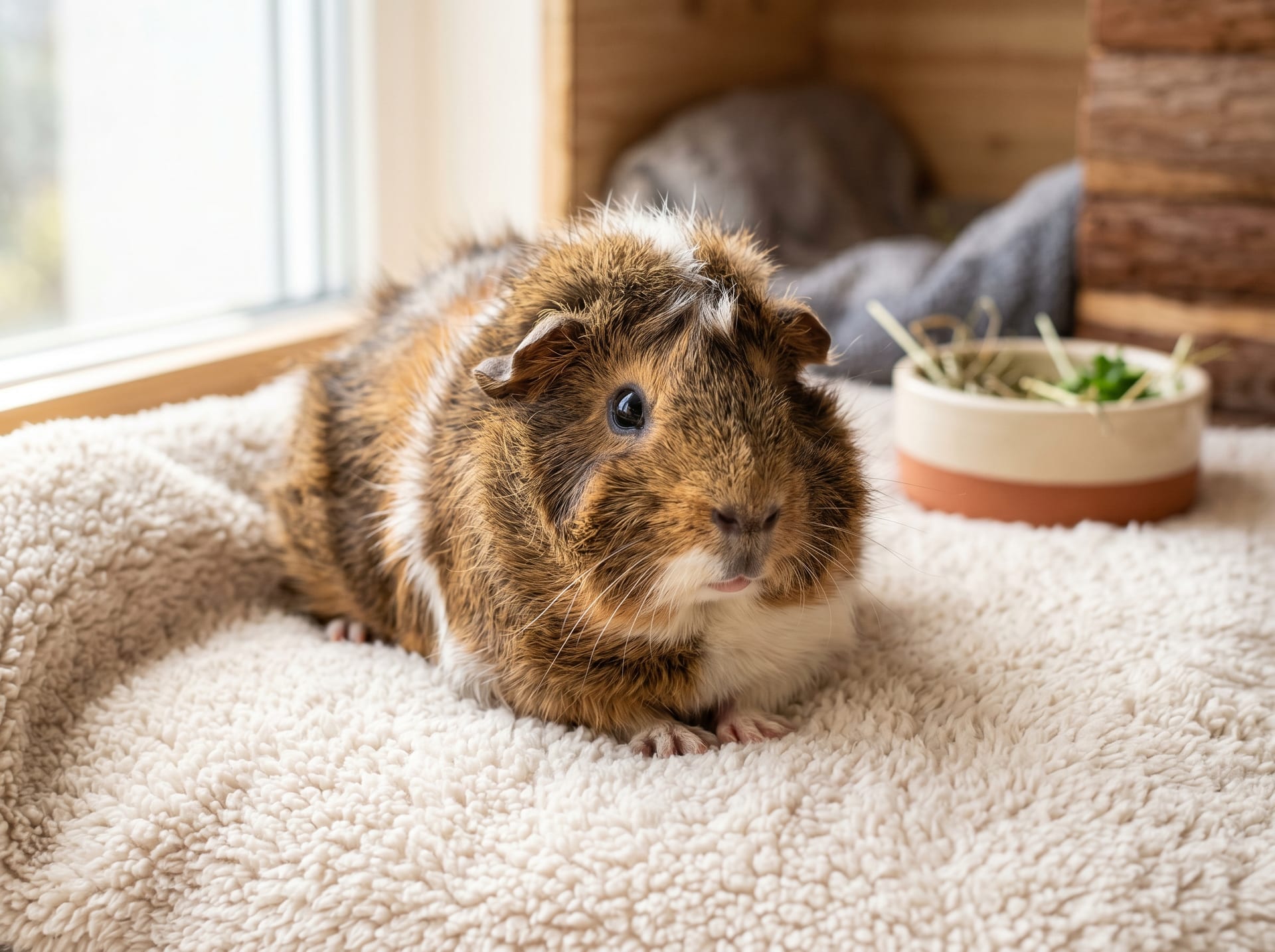
Small Animals (Rabbits, Guinea Pigs, Hamsters, etc.)
Cage or playpen
Nesting box and shelter
Bedding (pet sheets, hay, etc.)
Water bottle and food dish
Hay feeder (for herbivores)
Toys and chew items
Dogs and Cats
Crate or playpen (for a safe space)
Litter box/toilet and pads
Food and water bowls
Bed and cushions
Leash and harness (dogs)
Carrier (for vet visits and travel)
Brush and nail clippers
Key Points for Environment Setup
Temperature Management
For most animals, temperature is fundamental to health. Don't just install heaters or coolers—get an accurate thermometer and develop the habit of regularly monitoring temperatures. Extreme heat in summer and cold in winter can be life-threatening.
Finding a Quiet Location
Avoid locations near televisions, entryways, kitchens, and other noisy, vibrating, or odorous areas. Avoid places with direct sunlight or direct air conditioning drafts. Choose a quiet, stable place where your pet can relax.
Family Agreement and Understanding
Before bringing home a pet, confirm that all family members agree to pet ownership. Also check that no family member has allergies. Discussing the division of care duties beforehand will prevent problems later.
Things to Confirm Before Bringing Your Pet Home
Securing a Veterinary Clinic
For dogs, cats, reptiles, and birds, regular health check-ups and emergency care are necessary. Research veterinary clinics near your home beforehand and confirm they treat your species. Clinics that treat exotic animals are limited, so this is especially important if you have small animals, reptiles, or birds.
Securing Food and Feed Sources
Establish a reliable way to obtain the daily food and feed your pet needs. While online shopping is convenient, it can take several days for delivery. It's reassuring to also confirm whether a nearby pet store carries what you need.
Legal and Regulatory Considerations
Animals designated as specified invasive species are prohibited from being kept. Some species also require notification to authorities before keeping them. Confirm the legal status before purchasing. If you live in an apartment, also confirm that pet ownership is allowed.
What to Know on the Day You Bring Your Pet Home
When your pet arrives, let it rest in a quiet environment first. Avoid immediately removing it from its enclosure or trying to touch it. For the first few days, the best approach is to quietly observe it as an "acclimation period" to help it adjust to its new environment.
Don't worry too much if your pet doesn't eat right away. It's natural for appetite to decrease for a few days due to moving stress. However, if your pet doesn't eat for 3-5 days or more, or if it appears seriously ill, consult a veterinarian promptly.
Conclusion
Bringing home a pet means taking responsibility for another creature's life. Rather than just being drawn by the animal's cuteness or novelty, welcoming your pet with proper preparation and knowledge leads to the animal's happiness. Use the preparation checklist as a reference, ensure your equipment, environment, and knowledge are in place, and start your wonderful pet-owning journey.