Basic Knowledge on Pet Insurance | Can Reptiles, Birds, and Small Animals Get Insured? | ブリちょく
Tips| ✍️ BreederDirect Editorial
Basic Knowledge on Pet Insurance | Can Reptiles, Birds, and Small Animals Get Insured?
This article explains the basics of pet insurance, including whether exotic animal insurance is available, key points for comparing coverage, and the advantages and disadvantages of enrollment.
Key Takeaways
This article explains the basics of pet insurance, including whether exotic animal insurance is available, key points for comparing coverage, and the advantages and disadvantages of enrollment.
Related Species
While pet insurance traditionally focuses on dogs and cats, insurance policies covering exotic animals (reptiles, birds, small animals, etc.) have been gradually expanding in recent years. Unexpected veterinary bills for illness or injury can be substantial, making the decision to enroll in pet insurance an important one. This article explains the basics of pet insurance for exotic animals.
Current Status of Exotic Animal Pet Insurance
Pet insurance for animals other than dogs and cats currently has limited options.
Overview of Coverage Status
- The dog and cat pet insurance market is expanding, but coverage for exotic animals remains limited
- Birds (such as parrots and macaws) and rabbits have relatively more insurance options available
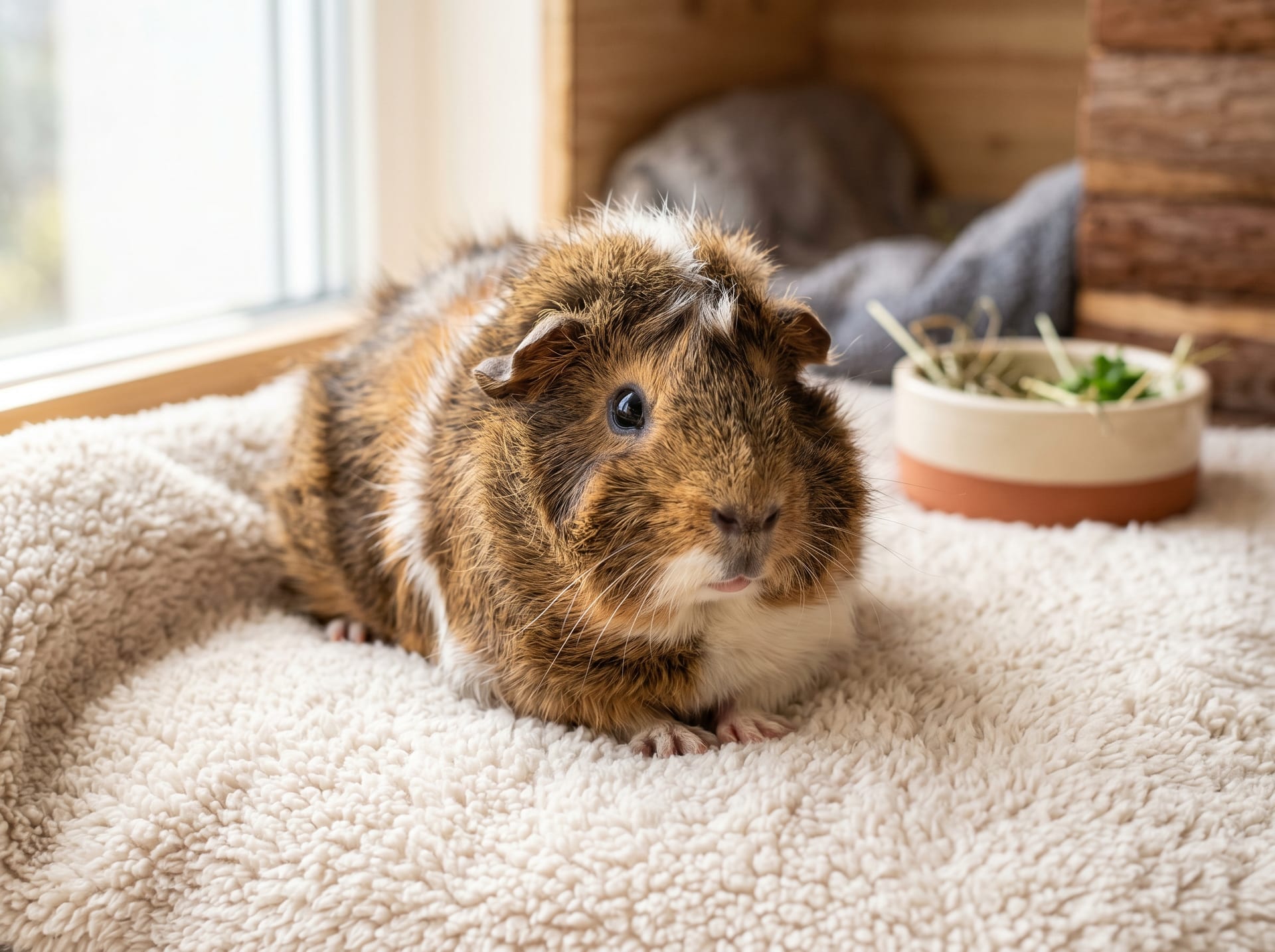
- Some insurance providers also cover small animals such as ferrets, hamsters, and guinea pigs
- Very few insurance policies cover reptiles (lizards, snakes, turtles, etc.)
- Insurance for fish and insects is virtually non-existent
Enrollment Conditions Trends
- There is often an age limit for enrollment (many policies accept only younger animals)
- Policies may exclude animals with pre-existing conditions
- Accurate species declaration is required
- A veterinary health examination may be required
Key Points for Comparing Coverage
Here are the key points to consider when choosing an insurance plan.
Scope of Coverage
- Outpatient coverage: Covers costs for routine illness or injury treatment
- Hospitalization coverage: Covers expenses when hospitalization is required
- Surgical coverage: Covers costs when surgery is needed
- Plans vary by insurance provider, with options ranging from "outpatient only" to "surgery only" to "full coverage"
Coverage Percentage and Limits
- Typical coverage is 50% or 70% of treatment costs
- Many policies set a maximum payment limit per claim
- Some policies also cap annual payout frequency or total amount
- A deductible (self-paid amount) may apply
Exclusions to Review
- Vaccinations and preventive treatments are typically excluded
- Pre-existing and hereditary conditions are often excluded
- Check for waiting periods (periods during which coverage does not begin immediately after enrollment) and their duration
- Verify whether dental treatment is covered
- Confirm that specific diseases are not excluded
✍️
BreederDirect Editorial
The BreederDirect editorial team specializes in care information for animals, covering veterinary care and breeding to deliver beginner-friendly guides.
Let's look at the benefits of enrolling in pet insurance.
Financial Benefits
- Reduces the burden of high veterinary bills (exotic animal surgery can cost tens of thousands to hundreds of thousands of yen)
- Monthly premiums are relatively modest, minimizing the impact on household budgets
- Makes it easier to prioritize necessary treatment without worrying about costs
Psychological Benefits
- Reduces anxiety about unexpected expenses
- Provides peace of mind knowing you're prepared for emergencies
- Reduces financial concerns when making treatment decisions
Drawbacks and Considerations
However, there are also drawbacks and important considerations.
Financial Drawbacks
- If the insurance is not used, paid premiums are not refunded
- For exotic animals, premiums tend to be higher than for dogs and cats
- If many treatments are excluded, the insurance may not provide good value for the premiums paid
Other Considerations
- Participating veterinary clinics may be limited
- Since few veterinary clinics treat exotic animals, verify which hospitals accept your insurance in advance
- Premiums may increase at renewal, especially as your pet ages
- The claims process may be cumbersome
Alternative Ways to Prepare Without Insurance
Even without insurance, preparing for treatment costs is important.
Self-Accumulation
- Set aside a fixed amount each month for veterinary expenses
- If you save the equivalent of an insurance premium, any unused amount becomes savings
- However, your savings may be insufficient if expensive treatment is needed
Daily Health Management
- Schedule regular veterinary checkups
- Maintain proper care conditions to prevent illness
- Develop a habit of daily observation to catch problems early
- Find a veterinary clinic experienced with exotic animals in advance
Supporting Your Peace of Mind with Br-Choku
When purchasing animals through Br-Choku, you can consult directly with breeders about care environments and health management. Practicing proper care methods is the best preventive measure. Use the breeder's experience-based advice as a reference to protect your animal's health.
Record-Keeping and Analysis to Improve Care Quality
Keeping records of daily management significantly improves the quality of your care. The essential items to record are as follows:
Date and Time: Precise records of when actions were taken
Environmental Data: Temperature, humidity, and water quality values (where applicable)
Feeding Records: Type of food, quantity, and feeding response
Animal Condition: Activity level, coloration, waste condition, and any abnormalities
Maintenance: Water changes, substrate replacement, and equipment cleaning or replacement
After accumulating these records for a month or longer, behavioral patterns and the impact of environmental changes become visible as data. Using smartphone note apps or spreadsheets allows you to maintain these records with minimal effort. In particular, having access to past data when problems arise makes identifying causes and implementing solutions much smoother.
How to Identify Reliable Information Sources
Care information is abundant on the internet, but not all of it is accurate. Here are key points to help you identify reliable sources.
Reliable Sources
- Information from breeders with years of hands-on experience raising and breeding the species
- Peer-reviewed academic papers or articles reviewed by veterinarians
- Information verified by experienced hobbyist communities
- Specialized books (recent publications)
Information to Be Cautious About
- Information from anonymous forums (often unverified)
- Articles with clear intent to promote specific products
- Outdated information (husbandry techniques improve constantly)
Br-Choku provides an environment where you can ask specialized breeders directly. Beyond just the information on listing pages, the messaging feature allows you to ask about care methods and management tips, making it safe and helpful for both beginners and advanced keepers.
Common Mistakes and How to Avoid Them
Even experienced breeders make mistakes at first. Knowing common failure patterns can help you avoid the same errors.
Mistake 1: Starting Without Adequate Preparation
Starting without gathering necessary knowledge or equipment leads to additional costs and time spent on corrections later. Allow sufficient time for preparation and information gathering beforehand.
Mistake 2: Failing to Notice Environmental Changes
When you observe something daily, gradual changes become harder to notice. Develop the habit of checking both the environment and your animal's condition objectively at least once weekly. Recording numerical data helps you detect changes that subjective observation might miss.
Mistake 3: Ignoring Problems
Conditions often worsen while you're "waiting to see." It's important to act quickly when you notice abnormalities. If you're unsure, consult with the breeder or a specialist. Early detection and prompt action are key to protecting your animal's health.