The Appeal and Challenges of Keeping Sea Slugs
Sea slugs (nudibranchs), popular for their vibrant colors. This article explains their ecological diversity in detail, along with the key challenges facing aquarists—food, lifespan, and water quality—in captive care.
Key Takeaways
Sea slugs (nudibranchs), popular for their vibrant colors. This article explains their ecological diversity in detail, along with the key challenges facing aquarists—food, lifespan, and water quality—in captive care.
Related Species
Sea slugs are sometimes called "jewels of the sea," and their brilliant colors and unusual forms captivate many divers and aquarium enthusiasts. However, keeping them long-term in a home aquarium is extremely difficult, and they are also known as a challenging creature suited only for advanced hobbyists. This article introduces the ecological appeal of sea slugs while clarifying the practical challenges involved in their care.
What Are Sea Slugs?
Sea slugs belong to the order Nudibranchia within the gastropod mollusks—a group of snails that lack a shell and instead bear naked gills. More than 3,000 species are known worldwide, with habitats ranging from tropical and subtropical coral reefs to the deep sea.
Their coloration serves a function as warning coloration (aposematism). Many sea slugs incorporate nematocysts into their bodies, and despite not producing nematocysts themselves, they possess the remarkable ability to repurpose them as a defense mechanism. Some species secrete potassium or acids, functioning as toxins against predators.
The protrusions called cerata on the mantle act both as gills and as organs that create color gradients. Some species incorporate zooxanthellae with photosynthetic ability, allowing them to partially utilize light energy.
The Greatest Challenge in Keeping Sea Slugs: Food
The most difficult aspect of sea slug care is "feeding." Most species have highly specialized feeding preferences, eating only specific types of sponges, hydroids, bryozoans, or even other sea slugs. Maintaining these food organisms constantly in an aquarium is nearly impossible, and starvation is the primary cause of failed captive care.
A commonly cited exception is sea slugs of the genus Berghia. These species eat Aiptasia (carpet anemones), a notorious pest in aquariums, and are sometimes introduced for pest control purposes. This genus has relatively reliable food availability in commercial aquarium systems and has established a track record of successful husbandry.
Many sea slugs sold in shops have unclear origin and species identification, leaving buyers uncertain about their dietary needs. They often weaken and die within days to weeks after being placed in an aquarium, so impulse purchases should be avoided. It is the minimum standard practice to identify the species before purchase, research its diet, and plan to secure appropriate food before bringing one home.
Water Quality and Environmental Demands
Sea slugs are generally sensitive to changes in water quality. They require conditions close to natural seawater, with the following guidelines:
- Specific gravity: 1.025–1.026
- pH: 8.1–8.3
- Water temperature: 25°C or below
A chiller is essential during warm summer months.
Species that feed on sponges require a dedicated sponge tank, and the sponges themselves dislike silicone and pumps, demanding high water quality. As a result, a super-high-quality reef aquarium becomes a prerequisite. If activated carbon or absorbent media are overused and dissolved organic carbon drops too drastically, the food organisms will also fail to thrive. Balancing a minute quantity of organic matter requires careful judgment.
Short Lifespan and Reproduction
Most sea slug species live 1–12 months in captivity. A few large species occasionally survive for several years, but tropical small species are particularly short-lived. For this reason, the key to long-term captive care is a breeding-focused approach: reproducing animals before natural death to maintain a succession of generations.
Reproduction itself is often possible if two individuals are obtained, since most species are hermaphroditic, and they lay ribbon-shaped egg strings. Rearing the free-swimming larvae (veliger larvae) that hatch requires a rearing environment containing phytoplankton. Larval rearing demands specialized knowledge and equipment.
Compatible Tank Mates
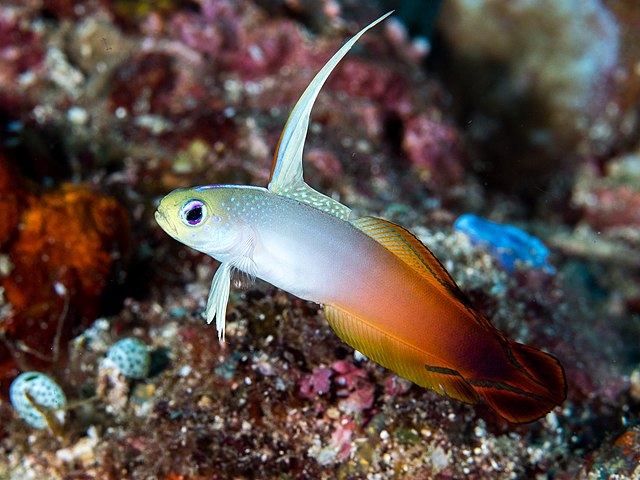
Sea slugs are extremely delicate and are quickly eaten by aggressive fish. Mixing species should generally be avoided; pairing them only with small herbivorous fish with low predation risk (such as dartfish species) or invertebrates is the safest approach.
Conversely, sea slugs themselves can impact other organisms. Introducing coral-eating sea slug species into a reef aquarium can result in disaster, with expensive corals being consumed. Do not be swayed by their visual beauty—species identification and dietary confirmation are essential.
Recommendations for Enjoying Sea Slug Care
Rather than reckless experimentation, the following approaches are recommended for approaching sea slug husbandry thoughtfully:
- Start with species like Berghia that have established captive husbandry records
- Establish the food organism (such as Aiptasia) in the aquarium before introducing the sea slug
- Plan breeding cycles early, accepting that lifespan will be short
In addition, maintaining careful photographic records and keeping a care journal ensures that failures become valuable insights for future keepers. Sharing information with domestic and international sea slug enthusiast communities is also a shortcut to improving husbandry techniques.
Conclusion
Although sea slugs attract many people because of their beauty, their care difficulty ranks at the top among marine organisms. Understanding the triple challenge of food acquisition, water quality management, and short lifespan, and undertaking care with that knowledge, represents the greatest respect for sea slugs. The aquarium community should work together to build knowledge with the goal of one day reliably maintaining sea slugs in captivity.