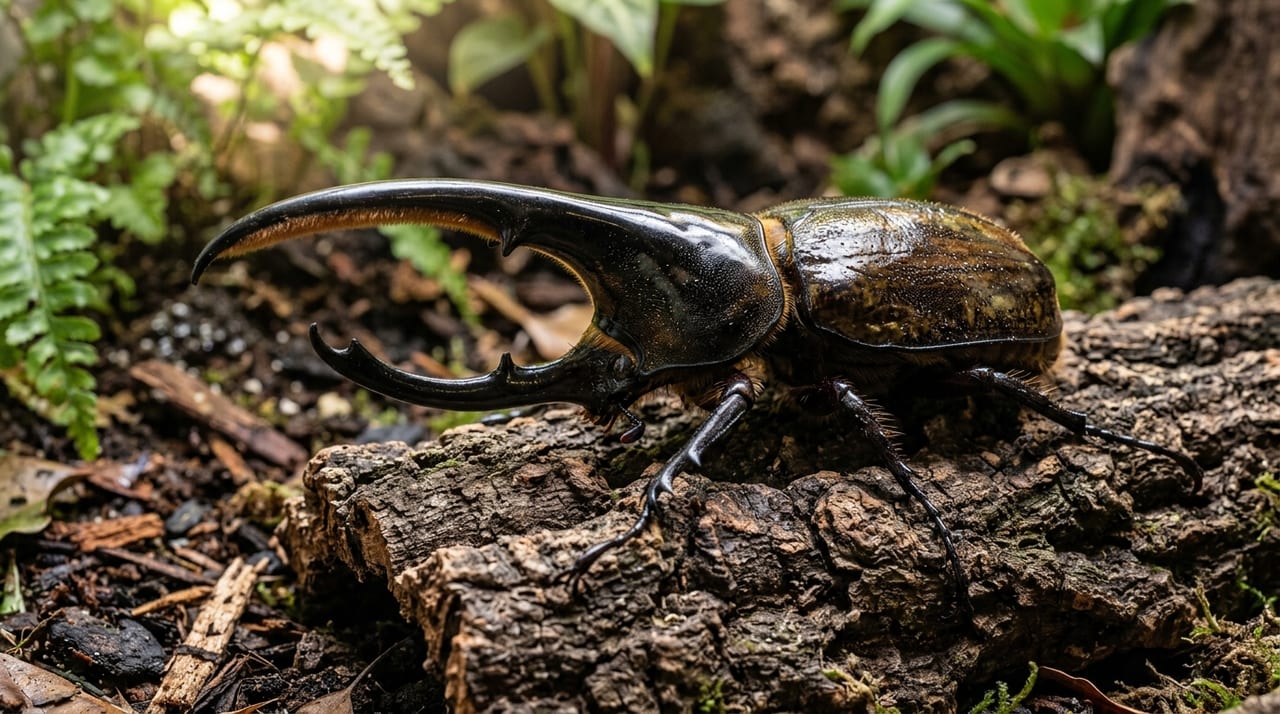
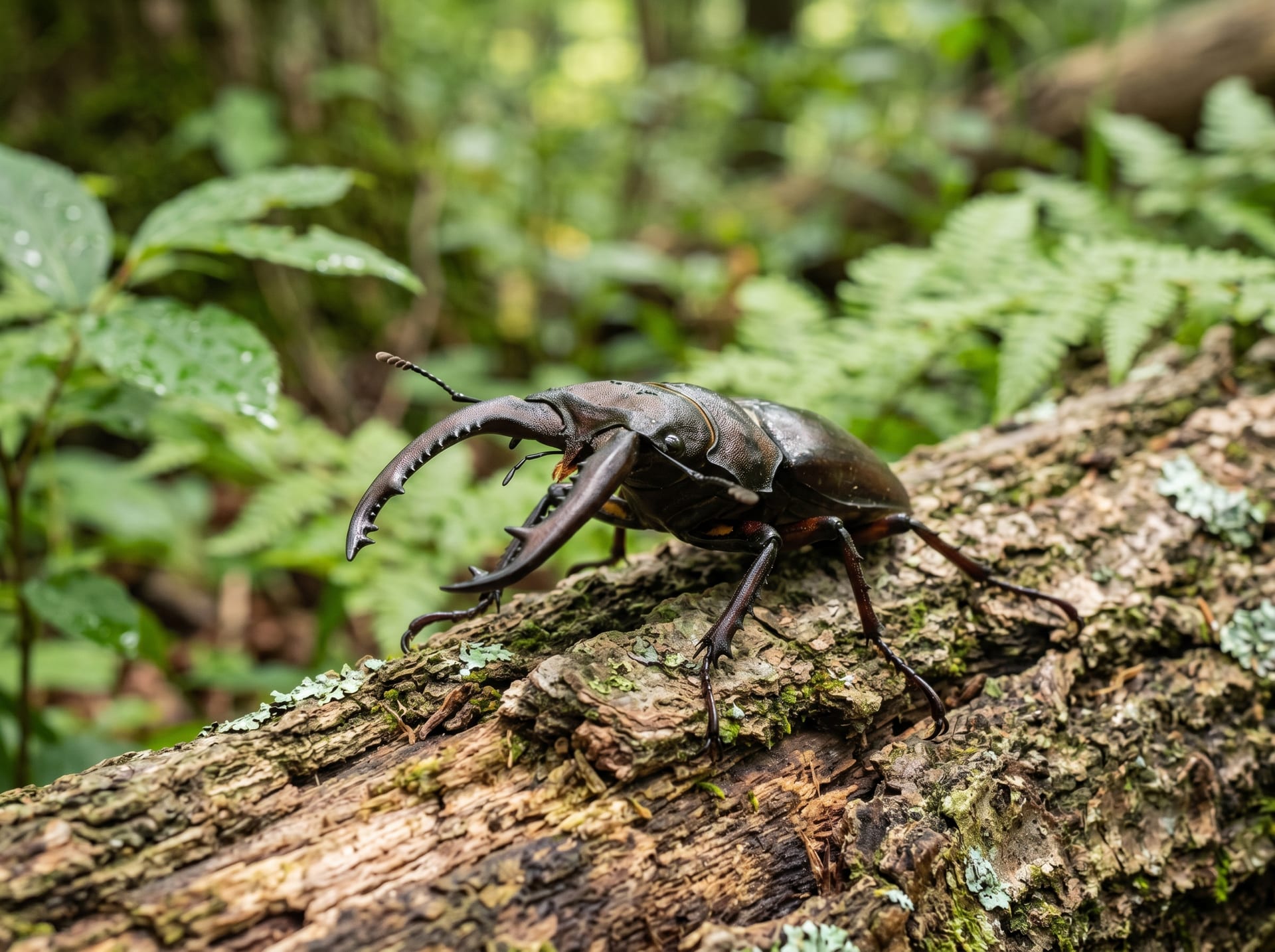
Raising Guide for Japanese Saw Stag Beetles | Breeding Setup, Larva Management, and Emergence
A comprehensive guide to raising Japanese saw stag beetles from larvae to adults. Learn how to create breeding setups, manage larvae with substrate, handle emergence, and maintain long-term adult care—your complete guide to this ideal beginner species of native Japanese stag beetles.
Key Takeaways
A comprehensive guide to raising Japanese saw stag beetles from larvae to adults. Learn how to create breeding setups, manage larvae with substrate, handle emergence, and maintain long-term adult care—your complete guide to this ideal beginner species of native Japanese stag beetles.
✍️
BreederDirect Editorial
The BreederDirect editorial team specializes in care information for animals, covering veterinary care and breeding to deliver beginner-friendly guides.
Find Insects on BreederDirect
Buy directly from verified breeders
Browse Related Listings
Find Insects listings related to this article on BreederDirect. Buy directly from verified breeders.
The Appeal and Characteristics of Japanese Saw Stag Beetles
Japanese saw stag beetles (Prosopocoilus inclinatus) are native Japanese stag beetles characterized by large, curved mandibles. They inhabit mixed deciduous forests throughout Japan and are one of the most familiar beetles alongside rhinoceros beetles. Large-jawed adults are particularly striking with their impressive mandibles and enjoy broad popularity among both collectors and beginners. With moderate difficulty, they are excellent beginner species for raising native Japanese stag beetles.
Basic Specifications
Body length: Males 30–80 mm (large-jawed males aim for over 70 mm), females 25–40 mm
Lifespan: Adults live 1–2 years after emergence (they do not overwinter)
Activity period: June–October (adults)
Breeding: July–September is optimal
Adult Care Methods
Required Equipment
Container: Fruit fly-proof container (medium to large size recommended)
Substrate: Spread deciduous wood-based fermented substrate 5 cm or deeper
Anti-tipping materials: Place multiple bark, cork, or specialized anti-tipping materials
Shelter: A tree-cavity-style hideout helps them settle
Temperature and Humidity
Ideal temperature: 20–28°C (around 25°C is best)
Humidity: 60–70%, approximately when a handful of substrate forms into a ball
During summer, prevent overheating with cooling packs or air conditioning (over 32°C is dangerous)
Food
Main food: insect jelly (high-protein jelly provides nutrition for females before breeding)
Replace 16g jelly daily for females during mating and breeding
Adult Japanese saw stag beetles do not overwinter and live 1–2 years after emergence. To enjoy them as long as possible, avoid high temperatures, prevent drying out, and never run out of jelly.
How to Set Up a Breeding Container
The most effective method for breeding Japanese saw stag beetles is "substrate breeding."
What You'll Need
Breeding container (medium to large)
Fully fermented substrate (fine particles, dark brown)
Breeding wood (optional but helpful)
Setup Steps
Moisten fully fermented substrate (enough to hold shape when squeezed)
Pack substrate firmly into the container to 7–10 cm depth
Place the top 3–5 cm lightly (separating the breeding layer from the surface layer)
If using breeding wood, half-bury it in the substrate
Add only mated females (separate males as they interfere with breeding)
Keep at around 25°C in darkness
Check for eggs 2–3 months later by flipping the container. Egg counts vary widely (30–100) depending on the individual.
Larval Care Methods
Larval care for Japanese saw stag beetles primarily uses substrate.
First to Second Instar (Hatching to 3 Months)
Individual rearing in small plastic cups (500–800 ml) filled with fully fermented substrate
Temperature: 22–25°C
Substrate change: Every 2–3 months
Third Instar (3 Months to Emergence)
Move to 800 ml to 1 liter containers
Substrate quality is key to growing large. Use high-quality substrate from 100% beech or chinquapin wood
When frass (droppings) accumulates, it's time to change the substrate
Fungal bottle rearing is not standard, but combining with secondary-fermented substrate can be effective if attempted
Larval Period Timeline
1st instar: 2–4 weeks
2nd instar: 2–3 months
3rd instar: 5–10 months (may overwinter)
Pupation and Emergence Management
Once larvae begin forming pupal chambers, never excavate. Damaging the chamber causes emergence failure.
When third instar larvae turn yellowish and movement slows, pupation is imminent
During this time, minimize temperature fluctuations, vibrations, and container movement
Pupal period: About 20–30 days
After emergence: Leave in the container for about 2–3 weeks without disturbance (do not remove until feeding begins)
Move to adult containers once you confirm they're feeding on jelly. Initial feeding may take 1–3 months after emergence.
Summary of Key Points for Japanese Saw Stag Beetle Care
Japanese saw stag beetles are excellent beginner species that let you experience the full scope of beetle keeping—from collection through breeding, larval rearing, and emergence. Here are the key points:
Adults: Avoid high temperatures, drying out, and running out of jelly
Breeding: Pack fully fermented substrate firmly and add only females
Larvae: Individual rearing with high-quality fermented substrate, changed every 2–3 months
After pupation: Never excavate
The satisfaction of watching the next generation emerge is special. Please give it a try.
Collection Methods
Collecting Season and Locations
Peak adult activity is late June to mid-August. They gather at tree sap on mixed deciduous forests (Japanese oak, chinquapin, and Chinese cork oak).
Collection tips:
Most active 1–2 hours after sunset (they are nocturnal)
Often found in rotting or fallen wood
Shine a flashlight on old tree wounds that are oozing sap to find them
Collection Precautions
Collecting on private property or in national parks without permission is prohibited
In areas with declining populations, avoid taking too many
Place collected specimens immediately in a container and take them home