Triggerffish (Moray Triggerfish) Care Guide | Species Selection and Tank Compatibility Considerations
Guide to triggerffish care methods. Comparing popular species' temperament and size, tank compatibility, food types, and large aquarium management tips.
Key Takeaways
Guide to triggerffish care methods. Comparing popular species' temperament and size, tank compatibility, food types, and large aquarium management tips.
Related Species

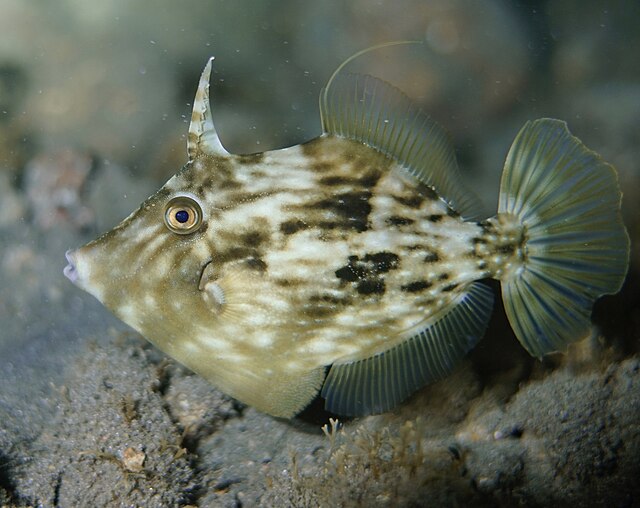
Triggerffish (the moray triggerfish family) are a group with enduring popularity among saltwater aquarium enthusiasts, prized for their vibrant coloration and distinctive behavior. However, many species have aggressive temperaments, and community tank planning requires careful consideration. This article provides practical guidance from species selection to aquarium setup.
Basics of Triggerffish and Popular Species
The triggerffish family contains approximately 40 species, of which only around 10 are commonly available as pets. The name derives from a locking mechanism on the first dorsal spine that can be raised like a "trigger," used by the fish to wedge itself into rock crevices for protection from predators. Representative popular species are as follows:
| Species | Scientific Name | Temperament · Characteristics | Max Size |
|---|---|---|---|
| Blackbelt Triggerfish | Rhinecanthus aculeatus | Relatively docile and easy to manage | 25 cm |
| Yellowmargin Triggerfish | Rhinecanthus rectangulus | Similar temperament to Blackbelt, distinctive geometric patterning | Not specified |
| Clown Triggerfish | Balistoides conspicillum | Aggressive temperament, suited for advanced aquarists | 50 cm |
| Picasso Triggerfish | Sufflamen bursa | Moderate temperament | Approximately 45 cm |
Before purchasing, always confirm the adult size and select a species suitable for your aquarium.
Tank Environment and Water Quality Requirements
Triggerffish are active swimmers and require adequate open swimming space. Recommended tank sizes are as follows:
- Small to medium species: minimum 90 cm tank (200 L or more)
- Large species: 150 cm tank (500 L or more)
An ideal layout creates hiding places with live rock while maintaining a large open space in the center. However, triggerffish are powerful enough to move live rock, so secure stone arrangements firmly. Maintain water quality within these ranges:
- Specific gravity: 1.020–1.025
- Temperature: 24–27°C
- pH: 8.1–8.4
Most triggerffish are hardy species and tolerate minor water quality fluctuations, but ammonia and nitrite must be maintained at zero. Running external filters and protein skimmers in combination provides stable conditions. Triggerffish are heavy eaters and pollute water easily, requiring powerful filtration.
Feeding and Feeding Guidelines
Triggerffish are omnivorous to carnivorous, feeding in nature on crustaceans, mollusks, sea urchins, and small fish. They have powerful enough jaws to crush shells and sea urchin spines. In captivity, provide the following foods:
- Commercial saltwater fish flakes and pellets (staple diet)
- Krill (dried shrimp)
- Frozen shrimp
- Frozen squid
- Clam meat
Because triggerffish teeth grow continuously throughout life, regularly feeding shelled foods (clams, small snails, etc.) is important to promote tooth wear. If teeth grow too long, eating becomes difficult, and veterinary tooth trimming may eventually be necessary. Feed once or twice daily in quantities that are completely consumed. Triggerffish recognize their owners and often display begging behaviors for food, and this charm is one reason for their popularity.
Tank Compatibility and Considerations
Triggerffish community tank planning requires careful consideration. When considering tank mates, note the following:
- Fish, shrimp, or crabs smaller than the triggerfish: high likelihood of being eaten as food
- Corals: damaged by pecking, unsuitable for reef tanks (fish-only tanks recommended)
- Angelfish, surgeonfish, groupers of similar or larger size: relatively safe to house together
- Same species or closely related species: avoid due to severe aggression
The key to successful community tank placement is introducing the triggerffish last. By placing it into an aquarium where resident fish have already established territory, the triggerfish becomes less dominant. Multiple hiding places and a layout that breaks sightlines reduce aggression. However, individual variation is substantial, so observe carefully after introduction and prepare for separation if intense attacks persist.
Common Health Issues
Triggerffish are generally hardy and disease-resistant, but stress or water quality deterioration can lower immunity and lead to infection. Common health issues include:
- Cryptocaryon (white spot disease): most common, showing white dots on the body surface. Treat with copper ion therapy or low specific gravity therapy, always in a quarantine tank
- Head and Lateral Line Erosion (HLLE): erosion along the head and lateral line caused by nutritional deficiency or stress. Prevention involves feeding foods rich in vitamins A, C, and D and avoiding excessive activated carbon use
- Tooth overgrowth: as mentioned previously, requires attention; if the fish appears to have difficulty eating, check tooth condition
Species-Specific Triggerffish Care Guide
Triggerffish (triggerfish family) are popular for their distinctive appearance and intelligent behavior, but many species have strong aggression, making community tank placement challenging.
Blackbelt Triggerfish (Rhinecanthus aculeatus) is the most popular triggerffish and relatively docile. Even at full size, it reaches around 25 cm and can be housed in tanks of 90 cm or larger. However, it shows strong aggression toward its own species, so single-fish housing is standard.
Clown Triggerfish (Balistoides conspicillum) is a large species with beautiful white spots on a black background, growing to over 40 cm maximum. Extremely aggressive, requiring a large tank (150 cm or larger) for solitary housing. It may kill other fish by biting, so community placement requires caution.
Yellowmargin Triggerfish (Rhinecanthus rectangulus) is a representative Hawaiian fish with colorful body coloration as its appeal. Medium-sized and relatively easy to keep, but territorial behavior remains strong.
Triggerffish Care Tips
Triggerffish have hard teeth and the power to crack sea urchins and shells. They may bite tank equipment (wiring, tubing), so protect wiring with covers. Feed with omnivorous preference—artificial flakes and pellets plus shelled shrimp and mollusks prevent tooth overgrowth. Reef tank housing is unsuitable; fish-only tanks are appropriate.
In triggerffish care, also be mindful of equipment damage from strong teeth. Add guards to heaters and protect silicone tubing with stainless steel mesh.
Get Well-Conditioned Triggerffish at BreederDirect
Triggerffish have significant individual personality variation, making source selection important. On BreederDirect, you can purchase directly from saltwater fish breeders and confirm the individual's temperament and feeding condition beforehand. Since triggerffish success depends greatly on good feeding, the advantage of selecting individuals already conditioned to artificial foods by breeders is substantial. You can also consult on husbandry conditions, so even first-time triggerffish keepers can begin confidently.