Low-Cost Pet & Plant Ranking | Starting Pet Care for ¥10,000 or Less
A ranked guide to pets and plants you can start caring for with initial costs under ¥10,000. We provide in-depth comparisons of initial costs, monthly expenses, and difficulty levels for animals like medaka, hamsters, succulents, and insects that let you enjoy fulfilling pet care on a budget.
Key Takeaways
A ranked guide to pets and plants you can start caring for with initial costs under ¥10,000. We provide in-depth comparisons of initial costs, monthly expenses, and difficulty levels for animals like medaka, hamsters, succulents, and insects that let you enjoy fulfilling pet care on a budget.
Related Species
For those who want to keep pets but are concerned about budget, we introduce pets that can be started at relatively low initial costs in ranked format. Here we focus on items that can keep initial costs under ¥10,000 with just the animal itself plus minimal care supplies.
Cost Assumptions
Prices vary by retailer and season, so these are just estimates
We evaluate based on the total of the animal cost plus minimal care equipment
We also list running costs (such as monthly feed expenses)
Rank 1: Medaka
Initial cost estimate: approximately ¥2,000–¥5,000
Animal (common variety): from a few hundred yen
Housing (plastic containers or styrofoam): from a few hundred yen
Substrate and aquatic plants: approximately ¥500–¥1,000
Monthly cost: approximately a few hundred yen (feed only)
Features: If kept outdoors, electricity costs are minimal. Breeding is also enjoyable.
Rank 2: Japanese Beetles and Stag Beetles
Initial cost estimate: approximately ¥2,000–¥5,000
Animal (domestic species): approximately a few hundred yen to ¥2,000
Housing: approximately ¥500–¥1,000
Insect substrate and jelly: approximately ¥500–¥1,000
Monthly cost: approximately ¥500 (substrate and jelly)
Features: Limited to summer, but larval rearing and breeding are possible.
Rank 3: Loaches, Apple Snails, and Other Native Japanese Freshwater Organisms
✍️
BreederDirect Editorial
The BreederDirect editorial team specializes in care information for animals, covering veterinary care and breeding to deliver beginner-friendly guides.
Find Breeders on BreederDirect
Buy directly from verified breeders
Related Articles
Browse by Category
🪸Coral
🐠Marine Fish
🐟Tropical Fish
🐡Goldfish
🐟Medaka
🦎Reptiles
Share
Initial cost estimate: approximately ¥2,000–¥5,000
Animal: from a few hundred yen (free if collected)
Housing and air pump: approximately ¥1,500–¥3,000
Monthly cost: approximately a few hundred yen
Features: Enjoy observing familiar creatures. Most species don't require heaters.
Rank 4: Hermit Crabs (Land Hermit Crabs)
Initial cost estimate: approximately ¥3,000–¥8,000
Animal: approximately ¥500–¥2,000
Housing, sand, and water dish: approximately ¥2,000–¥5,000
Monthly cost: approximately ¥500
Features: Long-lived (can live over 10 years). Watching them change shells is fascinating.
Rank 5: Hamster
Initial cost estimate: approximately ¥5,000–¥10,000
Animal: approximately ¥1,000–¥3,000 (common variety)
Cage set (includes wheel and water bottle): approximately ¥3,000–¥7,000
Monthly cost: approximately ¥1,000–¥2,500
Features: Most affordable among small animals you can interact with.
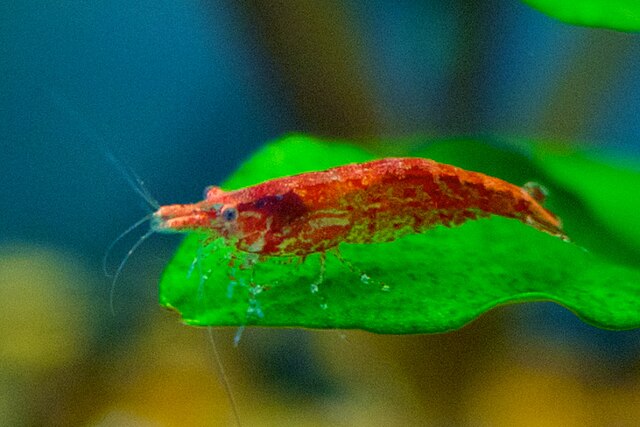
Rank 6: Cherry Shrimp (Ornamental Shrimp)
Initial cost estimate: approximately ¥5,000–¥10,000
Animal (set of 10): approximately ¥1,000–¥3,000
Small aquarium set (with filter): approximately ¥3,000–¥7,000
Monthly cost: approximately a few hundred yen
Features: Easy to breed and enjoyable to raise. Compatible with planted aquariums.
Rank 7: Goldfish
Initial cost estimate: approximately ¥3,000–¥10,000
Animal: from a few hundred yen
Aquarium set (with filter): approximately ¥2,000–¥8,000
Monthly cost: approximately ¥500–¥1,000
Features: Hardy and easy to care for. Variety of breeds is abundant.
Things to Keep in Mind Even When Starting on a Budget
Just because initial costs are low doesn't mean you can cut corners in animal care.
Temperature control costs: Air conditioning in summer and heater costs in winter are separate expenses
Medical costs: Veterinary treatment for illness or injury can far exceed the animal's purchase price
Equipment upgrades: You may need larger cages or aquariums as the animal grows
Responsibility for lifespan: Even inexpensive animals can live over 10 years (such as land hermit crabs and goldfish)
Tips for Creating a Fulfilling Care Environment on a Budget
Even with a limited budget, you can create a fulfilling care environment with some creativity. First, consider used equipment. Aquariums and cages can often be found second-hand at used shops or through resale apps for half the price or less. They work fine if you thoroughly clean and disinfect them before use. Next, consider DIY solutions. Reptile shelters can be made from items at discount stores. Aquarium lids and stands can also be made sufficiently well with materials from home improvement stores. For reducing consumable costs, aging tap water overnight (with 24-hour aeration) can replace commercial water conditioners. However, use reliable brand name original products for safety-critical components (heaters, filters, UVB lights, etc.). Never economize on equipment that affects your animal's life.
Unexpected Charms of Low-Cost Pets
Low-cost pets have charms that expensive pets lack. Medaka are actively bred, and you can enjoy creating new color varieties through your own breeding. Pillbugs and sowbugs have recently gained popularity as "isopods," and rare pattern varieties have collectibility. Aquatic plants offer the enjoyment of observing daily growth changes, and artistic expression through aquascaping is possible. Japanese beetles and stag beetles can be observed from larval rearing through metamorphosis into adults, allowing you to experience the wonder of life. Precisely because they are low-cost, they can be started casually, opening the possibility of developing into a deep hobby.
Find Affordable Pets on BreederDirect
On BreederDirect, many affordable pets such as medaka, goldfish, and hamsters are listed. By purchasing directly from breeders, you can obtain healthy animals at fair prices.
Summary
Low initial cost is merely the entry point; whether you can sustain the hobby depends on annual maintenance costs. The ranking in this article is purely a comparison of startup costs, and electricity costs, feed expenses, and water-change labor differ for each species. If you start cheap and end up neglecting necessary equipment, causing your animals to die, it defeats the purpose. First, understand the total cost including maintenance expenses, and then choose the species you can sustain most comfortably.
Frequently Asked Questions (FAQ)
Q. Which one is ultimately the cheapest to start?
A. As the article ranks them, medaka is most affordable, but required equipment varies depending on whether you keep them outdoors or indoors. If you use heaters and lighting indoors, the difference from goldfish or tropical fish becomes smaller.
Q. How much does annual maintenance cost differ?
A. Most of the difference is electricity costs. Species that don't require heating, lighting, or filtration (such as outdoor medaka, Japanese beetles, and stag beetles) have significantly lower annual costs. Conversely, species requiring year-round heating can exceed costs even with cheaper animal prices.
Q. Any tips for starting cheap without regret?
A. Save on things other than the animals themselves. For equipment where failure can directly lead to animal death—such as heaters and pumps—choose established brands from the start, and adjust using containers and decorations instead.