Coexisting with Pets and Plants: How to Create Pet-Safe Green Interiors for Dogs, Cats, and Small Animals
Learn how to choose pet-safe plants and avoid toxic ones so you can enjoy indoor plants while keeping your pets safe.
Key Takeaways
Learn how to choose pet-safe plants and avoid toxic ones so you can enjoy indoor plants while keeping your pets safe.
Related Species
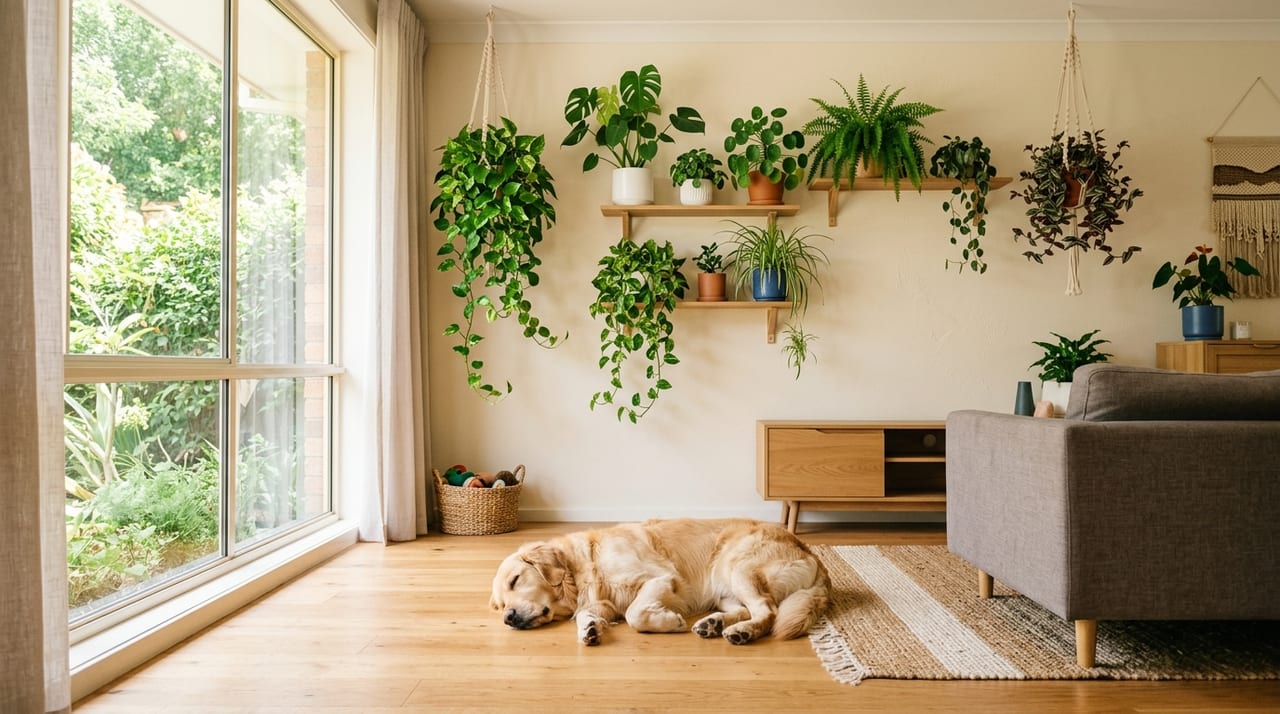
Indoor plants add color to your interior, purify the air, and bring healing to daily life. However, if you live with pets such as dogs, cats, rabbits, or small birds, you must be careful about plant selection. Some plants contain toxic compounds that can cause poisoning symptoms if accidentally ingested by pets. This article explains in detail the dangers plants pose based on pet behavior and methods for building a safe green interior.
Why Pets Eat Plants and Risks by Pet Type
There are multiple reasons why dogs and cats eat plants. These include aiding digestion to expel hair and foreign objects from the stomach, supplementing specific nutrients such as vitamins and minerals, exploratory behavior driven by curiosity or boredom, and the simple impulse to chew.
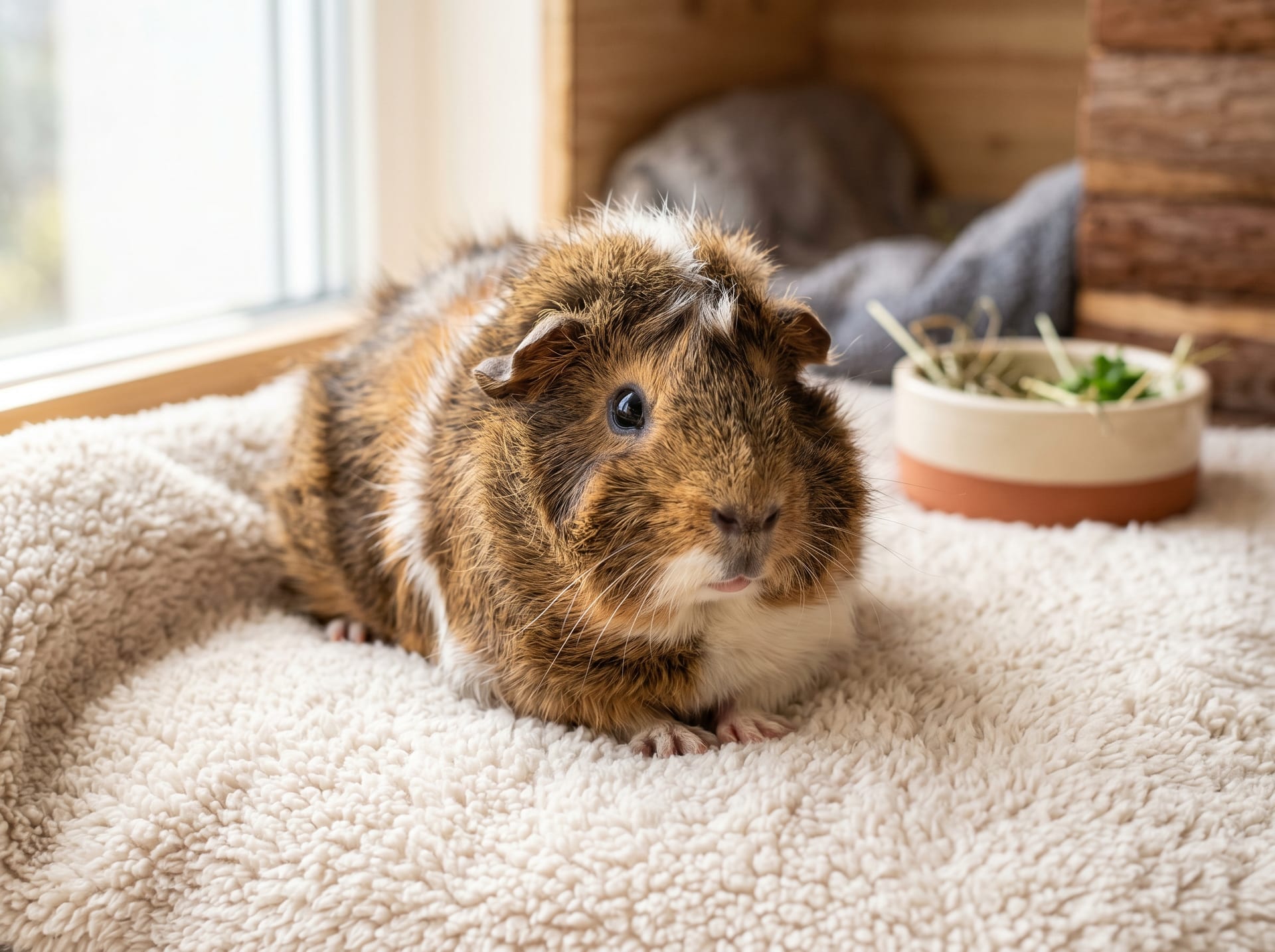
Cats in particular are extremely sensitive to lily family plants, with cases reported where kidney toxicity appears from just pollen touching the skin. Dogs, following their omnivorous instincts, may dig up plants along with soil, creating a high risk of ingesting bulbs and other underground parts. Rabbits and guinea pigs, being herbivores, recognize plants as a main food source, making pet-safe plant setup especially critical. Small birds (parakeets and finches) can show fatal reactions to avocados and plants containing caffeine, requiring maximum care with any plants in their flight range.
Main Plants Dangerous to Pets
Dangerous Plants for Dogs and Cats
- Lily family plants (Casablanca lilies, tulips, lilies of the valley, etc.): Particularly dangerous for cats, causing acute kidney failure even in small amounts. Pollen, water, and leaves are all toxic
- Pothos and Philodendron: Calcium oxalate crystals irritate the mouth and digestive tract, causing vomiting and excessive drooling
- Cyclamen: Toxins are highly concentrated in the bulb portion. Can cause vomiting, diarrhea, and heart rhythm abnormalities
- Hydrangea: Contains cyanogenic glycosides and can cause symptoms ranging from digestive to neurological