Leopard Geckos vs. Bearded Dragons: Which is Better for Beginners?
A comprehensive comparison of Leopard Geckos and Bearded Dragons, two popular beginner-friendly reptiles. We explain the key points beginners want to know, including housing requirements, startup costs, feeding, and ease of handling.

Key Takeaways
A comprehensive comparison of Leopard Geckos and Bearded Dragons, two popular beginner-friendly reptiles. We explain the key points beginners want to know, including housing requirements, startup costs, feeding, and ease of handling.
Related Species
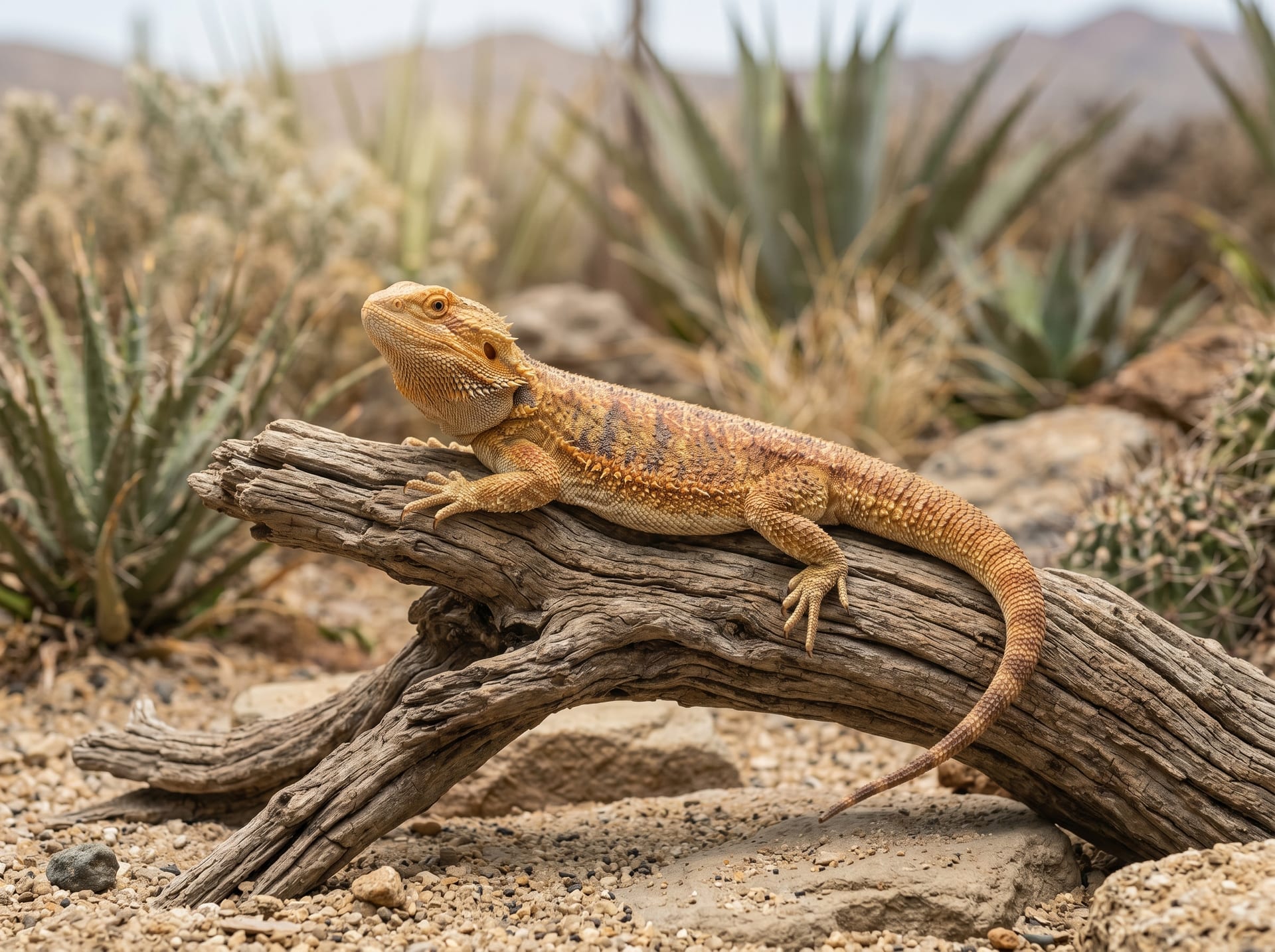
The Two Stars of Reptile Keeping: Which One Should You Choose?
When you first want to keep a reptile, many people initially consider Leopard Geckos (often called "Leos") and Bearded Dragons. While both are often introduced as "beginner-friendly," once you start keeping them, their lifestyles, required equipment, and ways of interacting differ significantly. Choosing one simply because it seems easy to care for can lead to regret. This article provides a comprehensive comparison of both species to help you find hints for choosing the right one for your lifestyle.
Basic Specs and Differences in Temperament
First, let's understand the basic profiles of both species.
Leopard Gecko (Eublepharis macularius)
- Body length: 20–25 cm
- Lifespan: 10–20 years (some long-lived individuals exceed 25 years)
- Activity: Nocturnal
- Native habitat: Arid regions of Pakistan and Afghanistan
- Temperament: Docile and shy. They can become hand-tamed with acclimation, but are generally independent
Bearded Dragon (Pogona vitticeps)
- Body length: 40–55 cm
- Lifespan: 8–12 years
- Activity: Diurnal
- Native habitat: Semi-arid regions of Australia
- Temperament: So friendly they're called the "dog of reptiles"—they actively approach their owners
The difference in lifespan is an important consideration. Leopard Geckos can live nearly 20 years with proper care, requiring a long-term commitment. Bearded Dragons typically live around 10 years, but either way, neither is a "casual" pet.
For detailed care information on each species, please also refer to Leopard Gecko Complete Care Guide | Temperature, Feeding, Enclosures, Shedding, and Breeding and Bearded Dragon Complete Care Guide | Temperature, UVB, Feeding, and Enclosures.
Comparing Housing and Startup Costs
Enclosure Size and Equipment
Leopard Geckos are small and can start in an enclosure around 30×30 cm. Even as adults, 45×45 cm is sufficient, making them easy to fit into a one-bedroom apartment. The main equipment needed is a heat panel and a humid hide, with UVB lighting not strictly necessary (though research suggests it helps maintain health).
Adult Bearded Dragons can exceed 50 cm in length, so a minimum enclosure size of 90×45 cm is required. Additionally, you'll need a basking lamp to create a basking spot, UVB lighting essential for bone health, and heating equipment for temperature management throughout the enclosure—significantly more equipment overall.
Startup Cost Guide
| Item | Leopard Gecko | Bearded Dragon |
|---|---|---|
| Animal | ¥5,000–30,000 | ¥10,000–40,000 |
| Enclosure | ¥5,000–15,000 | ¥15,000–30,000 |
| Lighting & Heating | ¥5,000–10,000 | ¥15,000–25,000 |
| Other supplies | ¥5,000+ | ¥5,000+ |
| Total estimate | ¥20,000–50,000 | ¥40,000–100,000 |
Leopard Geckos have the advantage of simpler equipment, making it easier to keep startup costs down. Bearded Dragons tend to require higher equipment investment, but that investment also gives you a sense of providing proper care. For information on monthly maintenance costs, see How Much Does Reptile Keeping Cost? Monthly Running Costs Explained.
Feeding and Daily Care
Feeding Leopard Geckos
Leopard Geckos are obligate carnivores and feed primarily on insects like crickets, mealworms, and dubia roaches. In recent years, high-quality artificial diets like "Leo Gel" have become widely available, making it easier for those uncomfortable with insects to keep them. Adults are fed 2–3 times per week. As nocturnal animals, evening feeding aligns with their natural rhythm.
Feeding Bearded Dragons
Bearded Dragons are omnivores and require both insects and vegetables. Juveniles need a higher proportion of insects and must be fed daily. As adults, the proportion of vegetables and greens increases, and feeding every 1–2 days is sufficient. You'll need to know which vegetables are safe to feed and which to avoid, such as mustard greens, bok choy, and squash. For detailed information on Bearded Dragon nutrition, see Bearded Dragon Diet Guide | Optimal Balance of Vegetables, Insects, and Supplements.
While Leopard Geckos require less effort in this regard, many owners find that watching Bearded Dragons eat vegetables is so endearing that feeding time becomes a highlight of their day.
Interaction and Bonding
Handling Leopard Geckos
Leopard Geckos vary by individual but will tolerate handling once acclimated. However, they rarely initiate contact with their owners, so the primary enjoyment is observation and appreciation. As nocturnal animals, the appeal lies in watching them actively move about at night. Shy individuals may resist handling, so it's important to read each gecko's personality.
Bearded Dragons' Remarkable Friendliness
The reason Bearded Dragons are called "the most dog-like reptile" is their affectionate nature. They recognize their owners and approach them, and will relax on your shoulders or lap. Well-socialized individuals often sit with you while watching TV on the couch—a common sight. If you want "cute interaction" with a reptile, Bearded Dragons will certainly deliver.
The Appeal of Morphs (Varieties)
Leopard Geckos have an exceptional variety of morphs among reptiles, with hundreds of variations and counting. Tangerine, Albino, Black Night, Lemon Frost…—new collector-favorite morphs are constantly emerging. It's no wonder many owners end up with two, three, or more! For details on morphs, see Leopard Gecko Morph Guide | Popular Varieties and Genetic Patterns.
Bearded Dragons also come in morphs like Red, Hypo, Zero (patternless), and Translucent, with vibrant individuals being particularly striking. While not as numerous as Leopard Gecko morphs, there's plenty of opportunity to choose a unique individual.
Which One is Right for You?
Leopard Geckos are ideal for:
- Those with limited space (small apartments, rental restrictions)
- Those wanting to minimize startup and ongoing costs
- Night owls who enjoy watching nocturnal activity
- Morph enthusiasts and collectors
- Those taking a first step into reptile keeping
Bearded Dragons are ideal for:
- Those wanting interactive, hands-on relationships with reptiles
- Those who prefer observing diurnal activity
- Those with adequate space and budget
- Those drawn to friendly, tame reptiles
- Those interested in breeding or keeping multiple individuals
If you're still undecided, 5 Recommended Reptile Species for First-Time Keepers may also help.
BreederDirect's Safety and Trust System
On BreederDirect, you can purchase both Leopard Geckos and Bearded Dragons directly from trusted domestic breeders. Unlike pet shops, buying directly from breeders offers these benefits:
- Transparent lineage and morph information: You can directly confirm parent information and breeding conditions with the breeder
- Health history: You can learn about the animal's birth environment, feeding history, and health management
- Beginner support: Experienced breeders can provide guidance as you start your journey
- Fair pricing: Without middlemen, you get high-quality morphs at fair prices
Even if you're still deciding between Leopard Geckos and Bearded Dragons, you can consult with BreederDirect's breeders. Share your lifestyle and housing situation, and work together to find the right animal for you. BreederDirect is here to support you in making your first reptile experience a long and happy one.