Complete Guide to Raising Labrador Retrievers | The Popular Large Breed Dog Perfect for Beginners
A comprehensive guide to raising Labrador Retrievers, the world's most popular dog breed. We thoroughly explain their temperament, required exercise levels, dietary management, obesity prevention, joint disease prevention, and training tips—all presented in an easy-to-understand manner for beginners.
Key Takeaways
A comprehensive guide to raising Labrador Retrievers, the world's most popular dog breed. We thoroughly explain their temperament, required exercise levels, dietary management, obesity prevention, joint disease prevention, and training tips—all presented in an easy-to-understand manner for beginners.
Related Species


What Kind of Dog Is a Labrador Retriever?
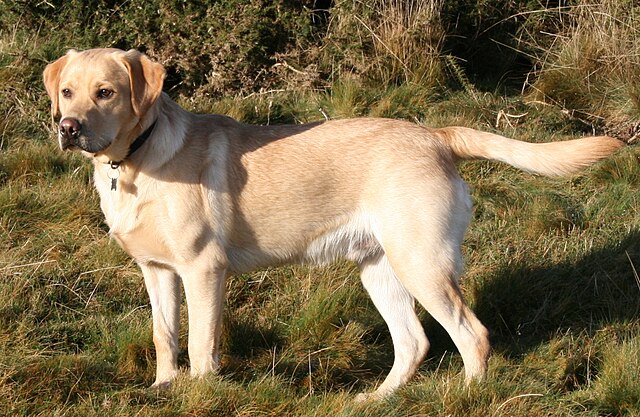
The Labrador Retriever (hereafter referred to as Labrador) originated on Newfoundland Island in Canada and was refined in 19th-century England as a hunting dog. Today, it consistently ranks as the "#1 most popular dog breed" in America, Japan, and countries around the world.
Basic Data
- Height: Males 56–57 cm, Females 54–56 cm
- Weight: Males 29–36 kg, Females 25–32 kg
- Lifespan: 10–14 years
- Coat: Short, dense double coat
- Coat Color: Black, Yellow, and Chocolate (3 colors)
Temperament Characteristics The Labrador's greatest appeal is its gentle, affectionate temperament—so much so that it's called having a "Golden Heart."
- Friendly toward children, elderly people, other dogs, and cats
- Very low aggression; unsuitable as a guard dog
- Highly curious and loves to play
- Extremely trainable (with intelligence and obedience comparable to German Shepherds), serving worldwide as guide dogs, assistance dogs, and police dogs
Required Exercise
Labradors are highly active large dogs requiring 60–90 minutes of exercise daily as adults.
| Growth Stage | Daily Exercise Guide |
|---|---|
| Puppy (up to 1 year) | Months old × 5 minutes, twice daily (Example: 4 months → 20 min × 2 = 40 min) |
| Young (1–2 years) | 45–60 minutes (keep intense exercise moderate for joint protection) |
| Adult (2–8 years) | 60–90 minutes (running, swimming, ball play) |
| Senior (8 years+) | 30–45 minutes (gentle walks without strain) |
Exercise Particularly Suited to Labradors
- Swimming (Labradors originally worked near water and excel in it)
- Retrieving (ball and frisbee fetch)
- Agility
- Hiking and mountain walking
Lack of exercise leads to noticeable problem behaviors (excessive barking, furniture destruction, jumping).
Dietary Management and Obesity Prevention
Labradors are known as a prime example of a breed prone to obesity. This is because many individuals genetically have a constitution where they "don't easily feel satiety signals" (POMC gene mutation).
Daily Feeding Guidelines (Adult Dogs, 25–30 kg body weight)
| Activity Level | Recommended Calories | Dry Food Amount |
|---|---|---|
| Low activity (30 min/day or less) | 1,300–1,500 kcal | 300–350 g |
| Standard activity (60–90 min/day) | 1,600–1,900 kcal | 370–430 g |
| High activity (90+ min/day) | 2,000–2,500 kcal | 450–570 g |
Calories per gram vary by food brand. Check the package recommendations and your dog's weight weekly and adjust accordingly.
How to Check Ideal Body Condition An ideal-weight Labrador should have ribs that can be felt by touch (not visible to the eye). If ribs are visible, the dog is underweight; if you can't feel them at all, the dog is overweight.
Situations Prone to Weight Gain and Solutions
- After Spaying/Neutering: Reduce food intake by 10–15% as basal metabolism decreases
- Treats and Table Food: Human food tends to be high in calories. Keep treats to 10% of daily caloric intake
- Meal Frequency: Feed adults twice daily (splitting meals reduces bloat risk compared to one large meal)
Joint Disease Prevention
Labradors have a relatively high incidence of hip dysplasia (HD) and elbow dysplasia (ED), conditions common in large breeds.
Prevention Tips
- Puppy Exercise Management: Intense jumping, excessive stairs, and slippery floors adversely affect joint development in dogs under 1 year. Follow the "months old × 5 minutes" rule
- Maintaining Ideal Weight: Each extra kilogram of body weight exerts 4–5 times more stress on joints
- Flooring Considerations: Place carpets or mats on hardwood to prevent slipping
- Joint Supplements: Early introduction of food or supplements containing glucosamine, chondroitin, and omega-3 fatty acids (consult your veterinarian)
- Genetic Screening: When obtaining from a breeder, verify the parents' HD/ED test results
Grooming and Care
Although Labradors have short coats, they are a breed with extremely heavy shedding due to their double coat.
- Brushing: 2–3 times weekly (daily during shedding season) reduces loose hair
- Bathing: Once or twice monthly (dry quickly after water play)
- Ear Care: Floppy ears trap moisture easily. Check and clean ears weekly
- Nail Trimming: Approximately once monthly
- Teeth Brushing: Ideally 2–3 times weekly
Training
Although Labradors are highly intelligent and very trainable, it's important to establish basic training during the puppy stage.
Priority Order for Essential Training
- Name Recognition: The foundational behavior to teach first
- "Wait," "Sit," "Down": Essential for safety management
- Leash Training (Pulling Prevention): Critical to teach early with a large dog
- "Drop It" (Release Command): Important for preventing scavenging
- Crate Training (House Training): Creates a safe space
Because Labradors have very high food motivation, reward-based training (positive reinforcement) is extremely effective.
Thoroughly Socialize During Puppyhood
Exposing puppies to various people, dogs, sounds, environments, and objects during weeks 3–12 (the socialization period) is essential for preventing future behavioral problems. Puppy classes are highly recommended.
Common Health Issues
Health problems particularly common in Labradors.
| Condition | Incidence | Prevention |
|---|---|---|
| Hip Dysplasia | High | Ideal weight, puppy exercise management |
| Obesity | Very High | Dietary management, appropriate exercise |
| Otitis Externa | High | Weekly ear checks and cleaning |
| Cataracts (Hereditary) | Moderate | Verify breeder's genetic testing |
| Exercise-Induced Collapse (EIC) | Some Bloodlines | Monitor after intense exercise |
Maintain annual to biannual health checkups and continue appropriate vaccination, heartworm prevention, and flea and tick prevention.
Conclusion
The Labrador Retriever, with its excellent temperament, high trainability, and deep affection for family, is a suitable breed even for first-time large dog owners. However, three pillars are essential: adequate exercise, rigorous dietary management to prevent obesity, and regular grooming. In particular, managing obesity and joint disease is crucial for long-term health, so it's important to be mindful and proactive from the puppy stage. With consistent proper care, the Labrador becomes a wonderful companion to spend 12–14 years with as a true family member.