Insect Breeding Environment Setup Guide | How to Choose Cases and Substrate
Explains how to choose types and sizes of breeding cases for Japanese beetles and stag beetles, types of substrate (breeding soil) and replacement frequency, how to arrange food dishes and anti-tipping materials, and key points for temperature management.
Key Takeaways
Explains how to choose types and sizes of breeding cases for Japanese beetles and stag beetles, types of substrate (breeding soil) and replacement frequency, how to arrange food dishes and anti-tipping materials, and key points for temperature management.
Related Species

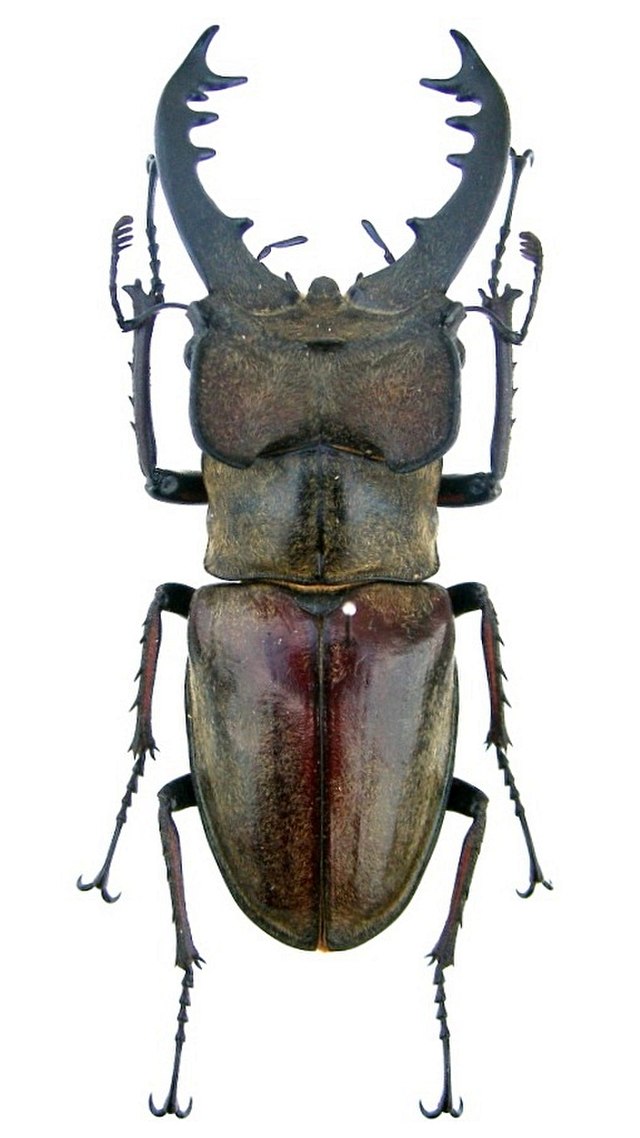
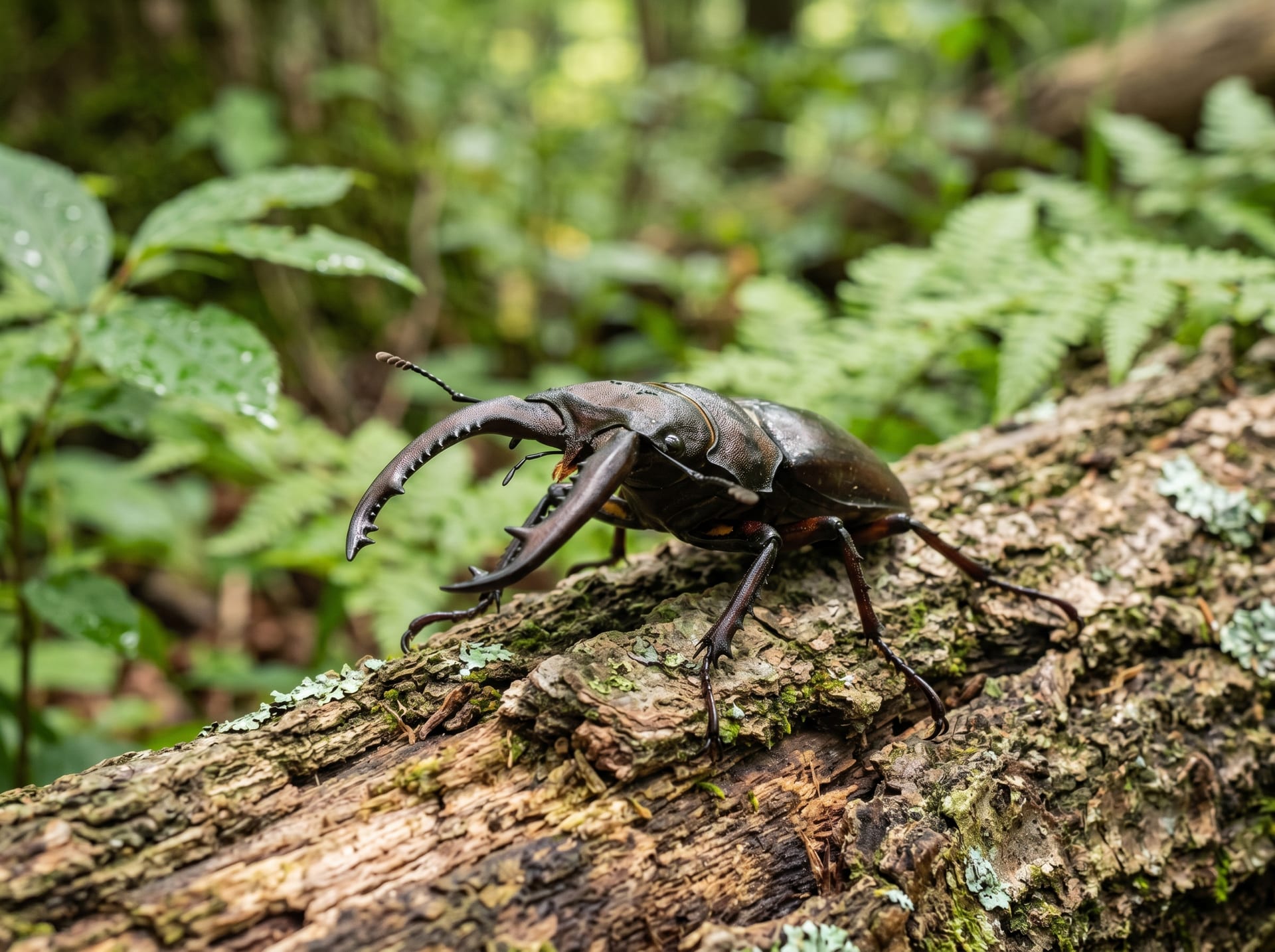
When bringing home Japanese beetles or stag beetles, many people wonder, "What kind of case should I prepare?" or "There are so many types of substrate—how do I know which to choose?" The quality of the breeding environment directly affects the insect's health, lifespan, and breeding success. This guide provides clear explanations from case and substrate selection through setup procedures and daily care so that even beginners can prepare with confidence.
How to Choose a Breeding Case | Understanding Types and Uses
Plastic breeding cases are the standard, with various products available in different sizes, shapes, and ventilation levels. The key is to decide first what you'll use the case for.
Solo and Pair Adult Rearing
For solo rearing of adults, a compact case with a width roughly 2 to 3 times the insect's body length is sufficient. For pair breeding or egg-laying, choose a large container at least 20 cm deep so the female can burrow properly. In egg-laying setups, substrate volume significantly affects clutch size, so container capacity is especially important.
Cases for Larval Rearing
Larval rearing methods vary depending on the species.
- Stag beetle larvae: Fungal substrate bottles are the standard. The typical size ranges from 800 ml to 1400 ml, though use 2000 ml or larger if aiming for large males. Monitoring substrate degradation and feeding progress to determine proper replacement timing is also important.
- Japanese beetle larvae: Rear them in plastic cases filled with fermented substrate. Ensure at least 2 to 3 liters of volume per individual. When rearing multiple larvae in the same case, use a large container with space for each individual.
Fruit Fly Prevention Is Essential
When rearing Japanese beetles and stag beetles indoors, fruit fly infestation is an unavoidable concern. Using lids with fruit fly prevention features or dedicated fruit fly screens can significantly reduce infestations. Fruit flies breed especially rapidly in summer, so plan for prevention from the case selection stage.
Substrate Types and Selection | Choosing the Right Substrate for Your Purpose
Substrate is arguably the most important consumable in insect breeding. Different substrates suit adult maintenance, egg-laying, and larval rearing, and using the wrong substrate can lead to breeding failure or larval death.
Substrate for Adult Maintenance
Two main types of substrate are used for routine adult maintenance:
- Hardwood-based dried substrate: Easy to handle and hygienic, but has low moisture retention and requires regular watering. Low-odor and suited to indoor rearing.
- Degassed fermented substrate: High moisture retention makes it easy for adults to burrow, helping reduce stress. However, unfermented or insufficiently fermented substrate produces gases that can harm adults, so always degas the substrate after purchase.
Substrate for Egg-Laying and Larval Rearing
For egg-laying and larval rearing, fermentation level and particle fineness are critical factors.
- Secondary or higher fermented substrate: Essential for rearing Japanese beetle larvae and for egg-laying by sawtooth stag beetles and mountain stag beetles. High in nutrients and supports excellent larval growth.
- Fine-particle substrate: Used for egg-laying setups. Choose finely textured substrate that holds together well to make egg-laying easier for females.
- Unfermented (white) substrate: Not suitable for egg-laying or larval rearing. Use only for adult maintenance, and be careful not to accidentally use it for egg-laying setups.
Basic Setup Procedure | 5 Steps That Won't Leave You Confused
Once you've gathered the materials, it's time to set up the breeding case. The steps are simple, but paying attention to each one stabilizes your insect's condition.
- Layer substrate to the appropriate depth — For adult rearing, aim for 5–10 cm from the bottom; for egg-laying setups, use 15–20 cm or more. For larval rearing, fill approximately 80% of the container volume.
- Mist to add moisture — The ideal moisture level is when squeezing substrate forms clumps that don't crumble. Be careful not to add too much water, as excess moisture causes mold and bacterial growth.
- Add anti-tipping materials — Place multiple items like bark, wood chips, or artificial grass. If an adult becomes trapped upside down and can't right itself, it depletes energy reserves and can die.
- Set up food dishes and jelly — High-protein, high-calorie insect jelly is best for breeding. Using food dishes reduces case contamination and simplifies management.
- Cover while ensuring ventilation — Sealing too tightly causes moisture buildup and oxygen depletion. Insert a fruit fly screen, then close the lid firmly.
Temperature and Humidity Management | Environmental Control for Success
Temperature and humidity management are especially critical in a breeding environment. Deviating from appropriate ranges directly causes adult decline, breeding failure, or larval death.
Temperature Management Guidelines
- Japanese beetles (domestic): 25–28°C is optimal. Above 30°C, they burn through energy reserves and lifespans shorten. In winter, prevent room temperature from dropping too far.
- Stag beetles (domestic species): 20–25°C is ideal. Summer temperatures above 30°C increase mortality risk, so use air conditioning or cooling fans to maintain room temperature.
- Imported stag beetles and beetles: Optimal temperature varies significantly by species. Many tropical and subtropical species are sensitive to temperatures below 20°C, while others prefer higher temperatures. Confirm optimal temperature with the breeder at purchase, or research by species name.
Humidity Management Tips
Substrate dryness stresses both adults and larvae. Mist and water once or twice weekly to maintain consistent moisture. However, excess moisture also promotes mold and bacterial growth, so use the "clumping when squeezed" standard.
Summary | BreederDirect's Commitment to Safety and Trust
The first step in insect breeding is setting up a proper environment. Master case selection, substrate choice, and temperature-humidity management, and even beginners can raise healthy insects for years.
Once your environment is ready, it's time to bring home your chosen insect. The insect category at BreederDirect features direct sales of healthy individuals maintained by experienced breeders. The ability to ask questions about care before purchase is a major advantage, allowing even first-timers to start with confidence.
Direct breeder partnerships provide detailed information about lineage and individual characteristics. Get advice on case selection and substrate types as you build your ideal breeding environment together. Find other insect breeding articles in the column index.