Guide to Breeding Feeder Insects | Intensive Production Systems and Optimization for Crickets, Dubia Roaches, and Black Soldier Flies
Detailed explanation of space optimization through vertical stacking layouts, temperature/humidity zoning, waste management and sanitation maintenance, life cycle optimization from egg to adult, staggered batch management, gut loading, and methods for tracking system operation metrics.
Key Takeaways
Detailed explanation of space optimization through vertical stacking layouts, temperature/humidity zoning, waste management and sanitation maintenance, life cycle optimization from egg to adult, staggered batch management, gut loading, and methods for tracking system operation metrics.
✍️
BreederDirect Editorial
The BreederDirect editorial team specializes in care information for animals, covering veterinary care and breeding to deliver beginner-friendly guides.
Find Insects on BreederDirect
Buy directly from verified breeders
Browse Related Listings
Find Insects listings related to this article on BreederDirect. Buy directly from verified breeders.
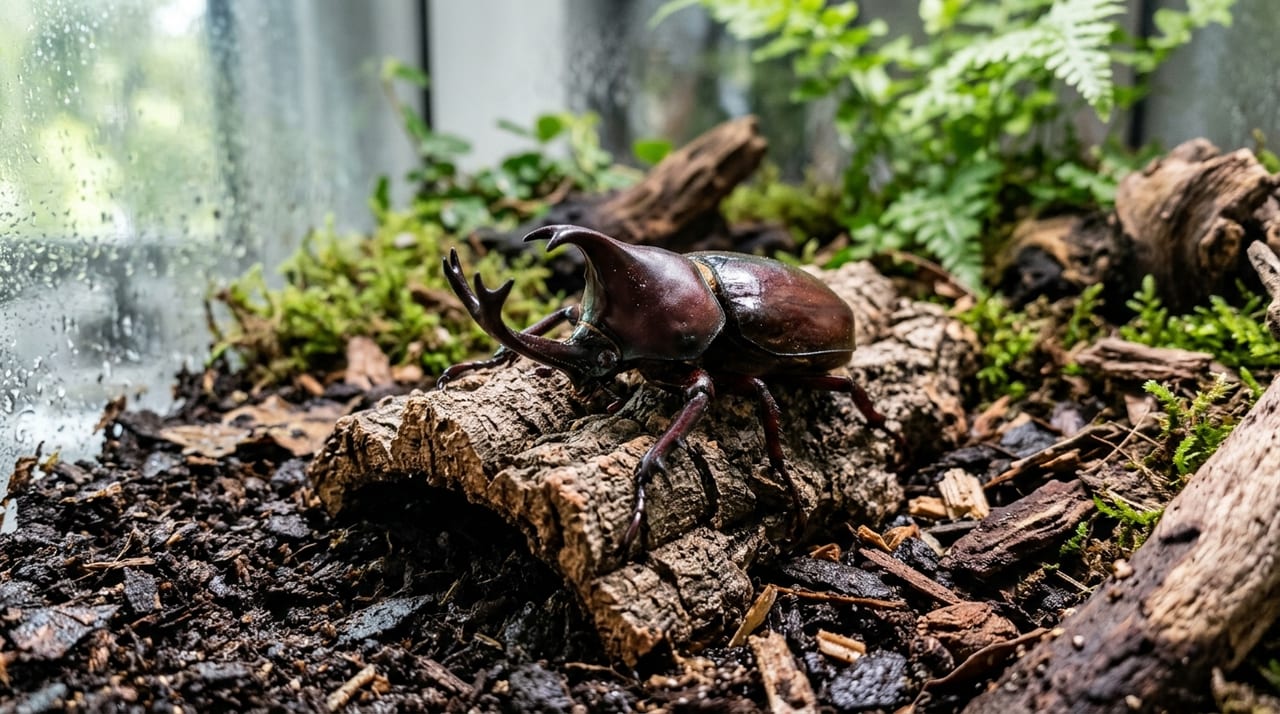
Stable supply of live feeder insects is an essential element in the care of reptiles, amphibians, and fish. Beyond the hobby scope, if you're continuously feeding multiple animals, system construction with a focus on space efficiency and optimized production cycles becomes essential. This article covers three types—crickets, dubia roaches, and black soldier fly larvae (BSF)—explaining practical methods for intensive production.
Vertical Stacking Layouts for Space Optimization
The most effective way to maintain production volume while minimizing floor space is vertical multi-tier arrangement using storage racks. By stacking storage containers on metal shelves (load capacity 40kg or greater) in 3–5 tiers, you can house multiple growth stages in a footprint under 1 square meter.
Dividing each tier by function is the basic design approach. The upper tier experiences slightly higher temperatures and is used for hatching and early larvae; the middle tier provides a stable growth environment for main stock; the lower tier, with cooler temperatures and lower humidity, is used for pupation and dormancy management. To ensure airflow between racks, maintain at least 5cm of clearance between containers and the back of the rack.
Temperature/Humidity Zoning and Environmental Control
Since the three species have different optimal environments, physically separating zones is a prerequisite for stable production.
Crickets (Bimaculatus and European): Temperature 28–32°C, humidity 40–60%. Maintain dry conditions with no standing water in containers. Drowning and mite explosions due to moisture are the biggest loss factors.
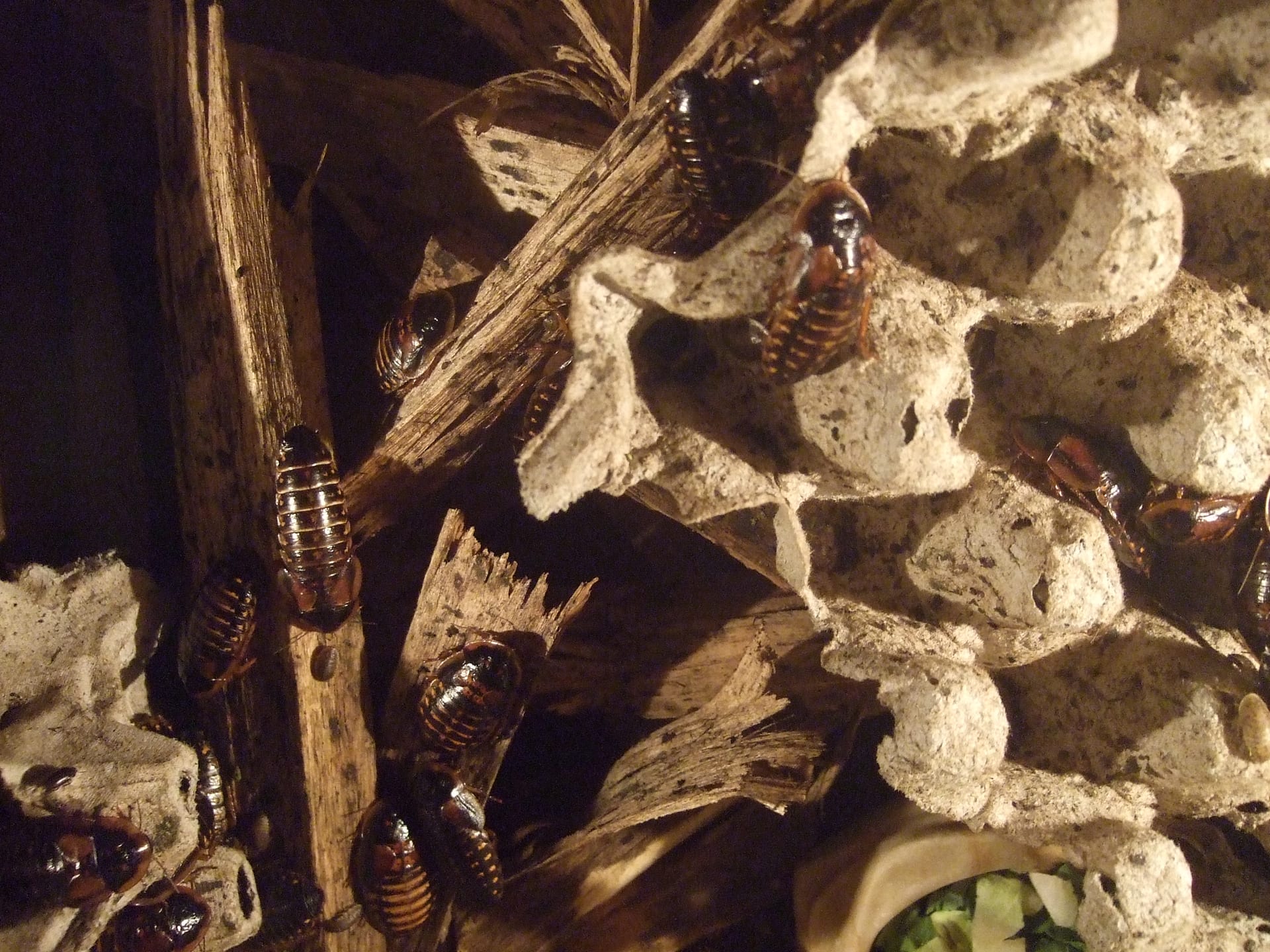
Dubia Roaches: Temperature 28–30°C, humidity 50–70%. As tropical insects, they are sensitive to cold; reproduction drops sharply below 25°C. Excessive density causes cannibalism, so ensure adequate shelter area relative to population.
BSF Larvae: Temperature 27–30°C, humidity 60–80%. Production costs are low since you can utilize heat from decomposing organic waste. However, frequent stirring of substrate is critical to prevent anaerobic fermentation from excessive moisture.
Panel heaters paired with thermostats are the standard heating approach. Surrounding the entire rack with vinyl curtains improves heat retention and reduces electricity costs.
Waste Management and Sanitation
As production scales up, accumulation of waste (carcasses, shed skins, feces, uneaten food) becomes a breeding ground for pathogens and mites. Establishing a fixed weekly cleaning cycle reduces loss rates.
For crickets, sifting feces is effective—laying 3–5mm wire mesh on the bottom allows feces to naturally fall away, simplifying daily maintenance. Dubia roaches are relatively clean, but decayed vegetable scraps must be removed within 24 hours. For BSF, the waste itself is feed, so input quality control is critical—avoid adding meat, dairy products, or high-salt foods.
Each container should be thoroughly cleaned at least once per month (with hot water or diluted sodium hypochlorite) and completely dried before resetting.
Life Cycle Optimization from Egg to Adult
Maintaining continuous supply hinges on staggered batch management. If a single batch hatches and develops simultaneously, the number of feedable individuals fluctuates, making it difficult to supply appropriately sized individuals matching the target animal's feeding requirements.
For crickets, rotate egg-laying beds (containers with moistened vermiculite) on a 7–10 day cycle to stagger hatching timing. From hatching to feeder-sized individuals (2nd–3rd instar) takes approximately 3–4 weeks. Adults can be maintained as a breeding group for about 2 months.
Dubia roaches are ovoviviparous with a long breeding cycle (egg to adult: 3–5 months), so establishing a large initial colony size is the basic strategy. Maintain a 3:1 female-to-male ratio and keep a constant adult stock to achieve a stable birthing pace.
BSF has the shortest cycle: 2–3 weeks from egg to harvest. A relay system of adding fresh substrate weekly is most efficient—add fresh material when larvae from the previous batch reach the prepupal stage (darkening).
Feed Design for Production Efficiency
Insect growth rate is directly influenced by feed quality and quantity. Use high-protein food (compound feed, dried fish, dried yeast) as the staple for crickets and dubia roaches, with vegetable scraps serving dual purposes for hydration. Gel-type water supplements eliminate drowning risk while providing stable moisture supply, making them effective for streamlining cricket management.
As "gut loading," provide high-nutrition foods to insects for 48–72 hours before feeding to significantly improve the nutrients reaching target animals. Combining β-carotene-rich carrots and pumpkin with calcium sources like mustard greens is the standard approach.
Continuous Metrics for System Operation
Numerical tracking is essential for maintaining stable production. The minimum metrics to monitor are "weekly harvest volume," "loss rate (dead individuals / input individuals)," and "egg count per breeding cycle." Recording these allows early detection of abnormalities such as environmental changes or mite outbreaks through data analysis.
Intensive production systems should incorporate buffer capacity at the design stage to anticipate scale-up. Designing racks with 1.5–2 times the current number of slots, electrical circuit capacity, and ventilation capability creates a structure capable of accommodating population increases.