How to Distinguish Japanese Stag Beetles | Characteristics and Identification Points of the 10 Main Species
How to tell Japanese stag beetles apart, explained through 10 major species. The Japanese giant stag beetle (Dorcus hopei binodulosus) has a single inner tooth on its mandibles, the flat stag beetle has multiple inner teeth and a flattened body, and the Miyama stag beetle is identified by the ear-like projections on its head. The red-legged stag beetle is distinguished by its red legs.
Key Takeaways
How to tell Japanese stag beetles apart, explained through 10 major species. The Japanese giant stag beetle (Dorcus hopei binodulosus) has a single inner tooth on its mandibles, the flat stag beetle has multiple inner teeth and a flattened body, and the Miyama stag beetle is identified by the ear-like projections on its head. The red-legged stag beetle is distinguished by its red legs.
Related Species
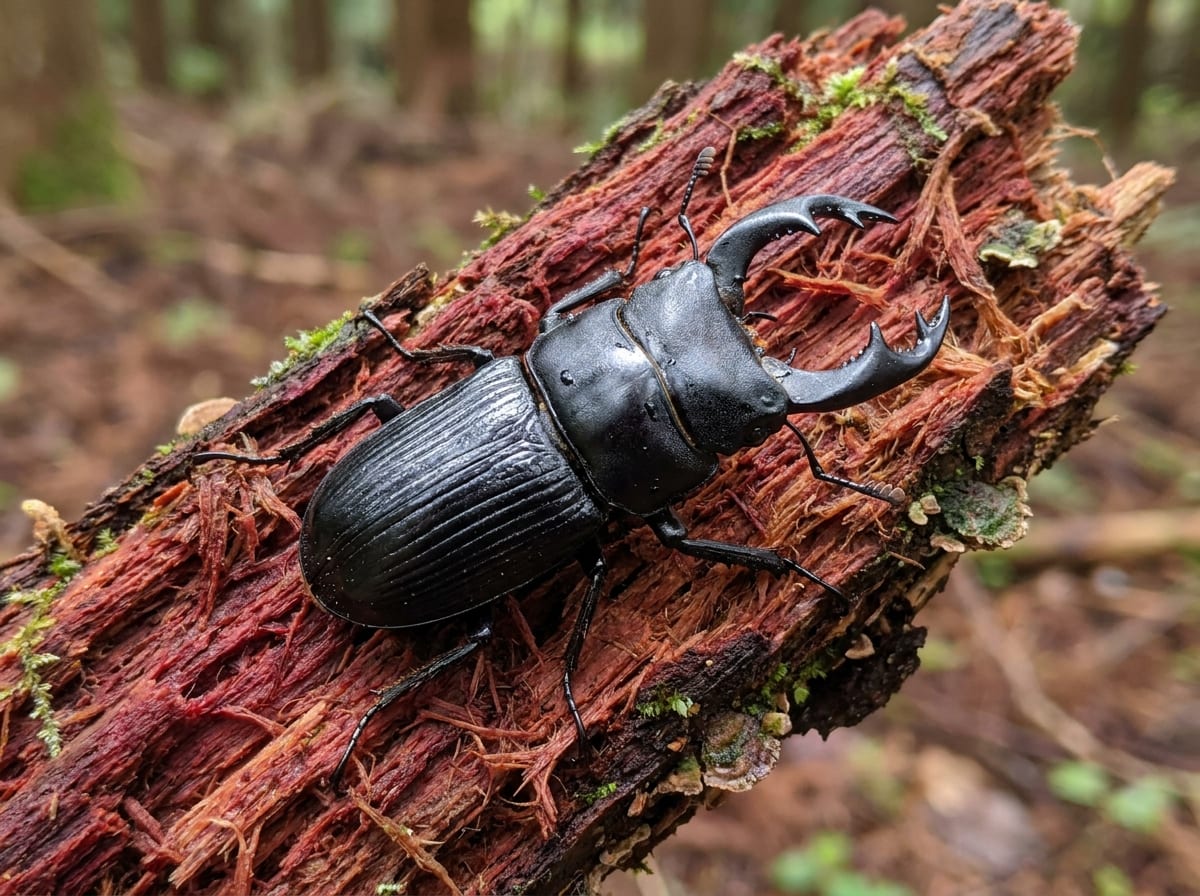
Nebuto Stag Beetle
View species details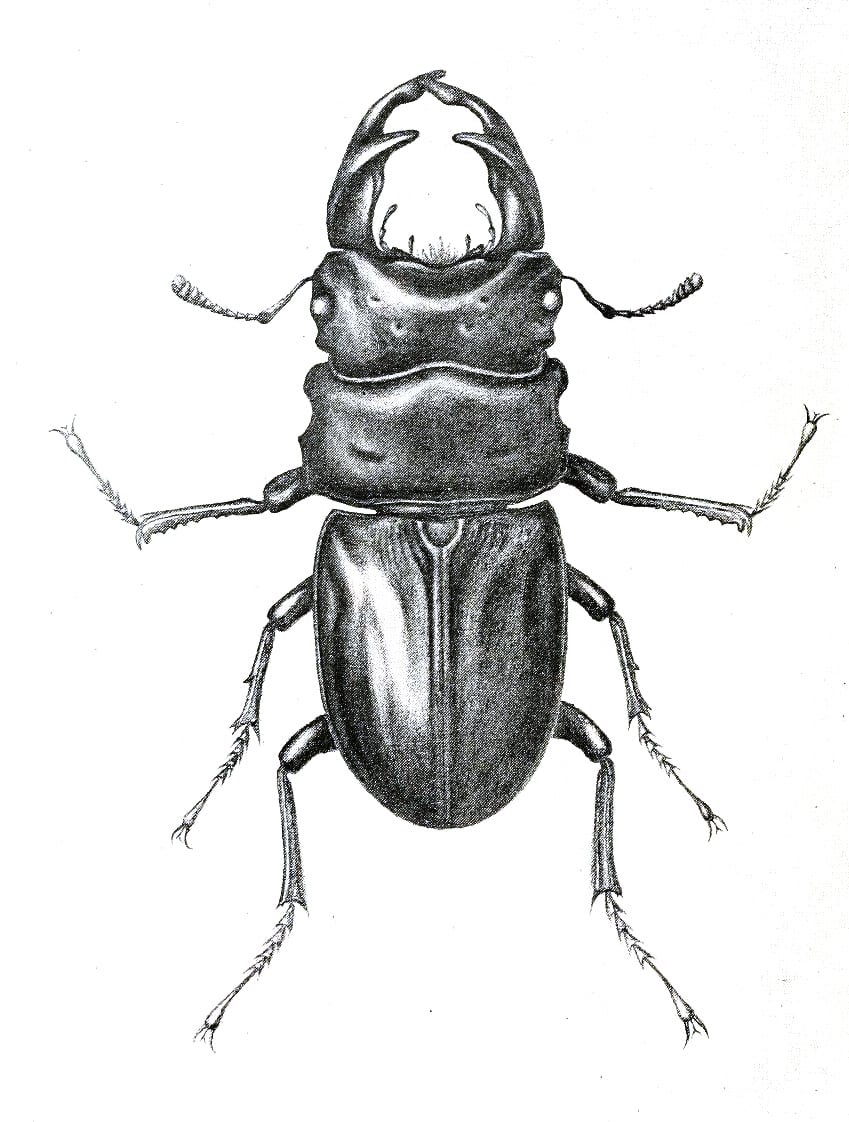
Japanese Giant Stag Beetle
View species details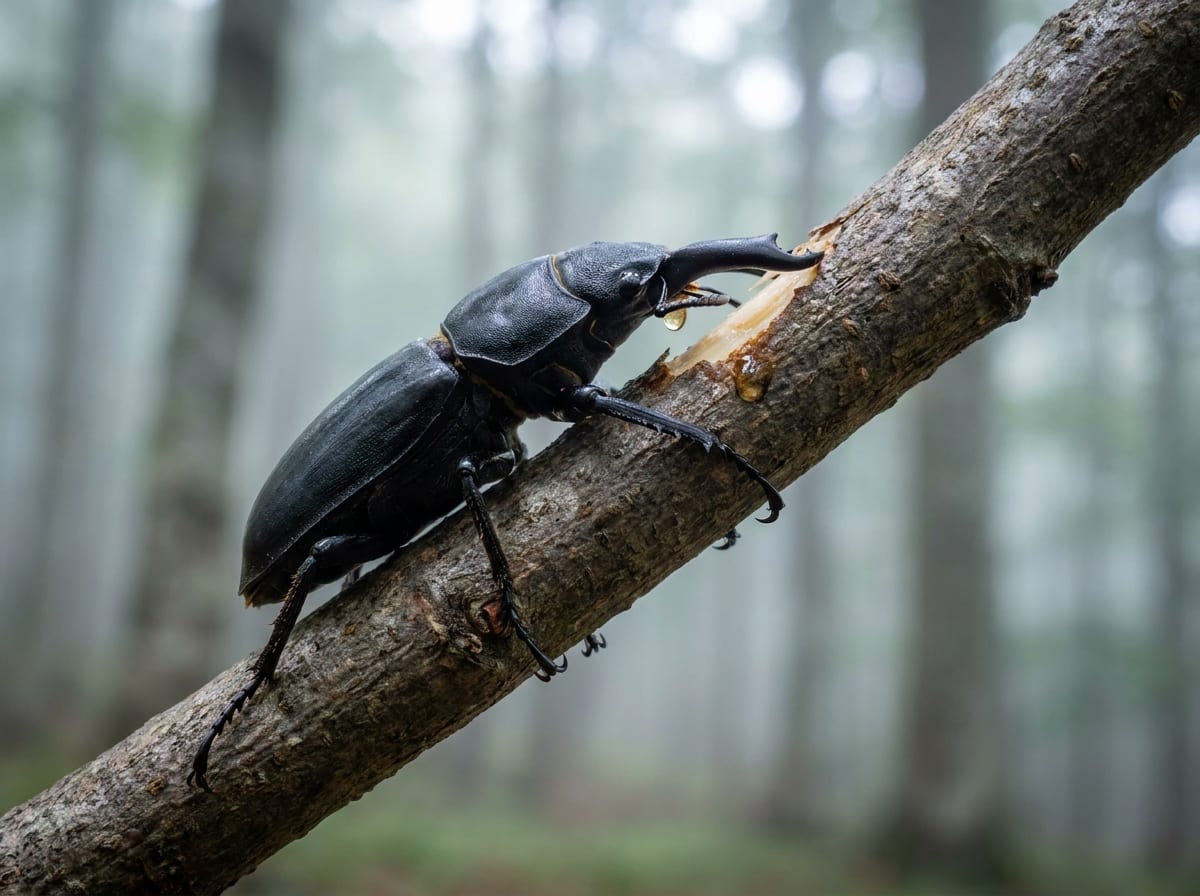
Himeoo Stag Beetle
View species details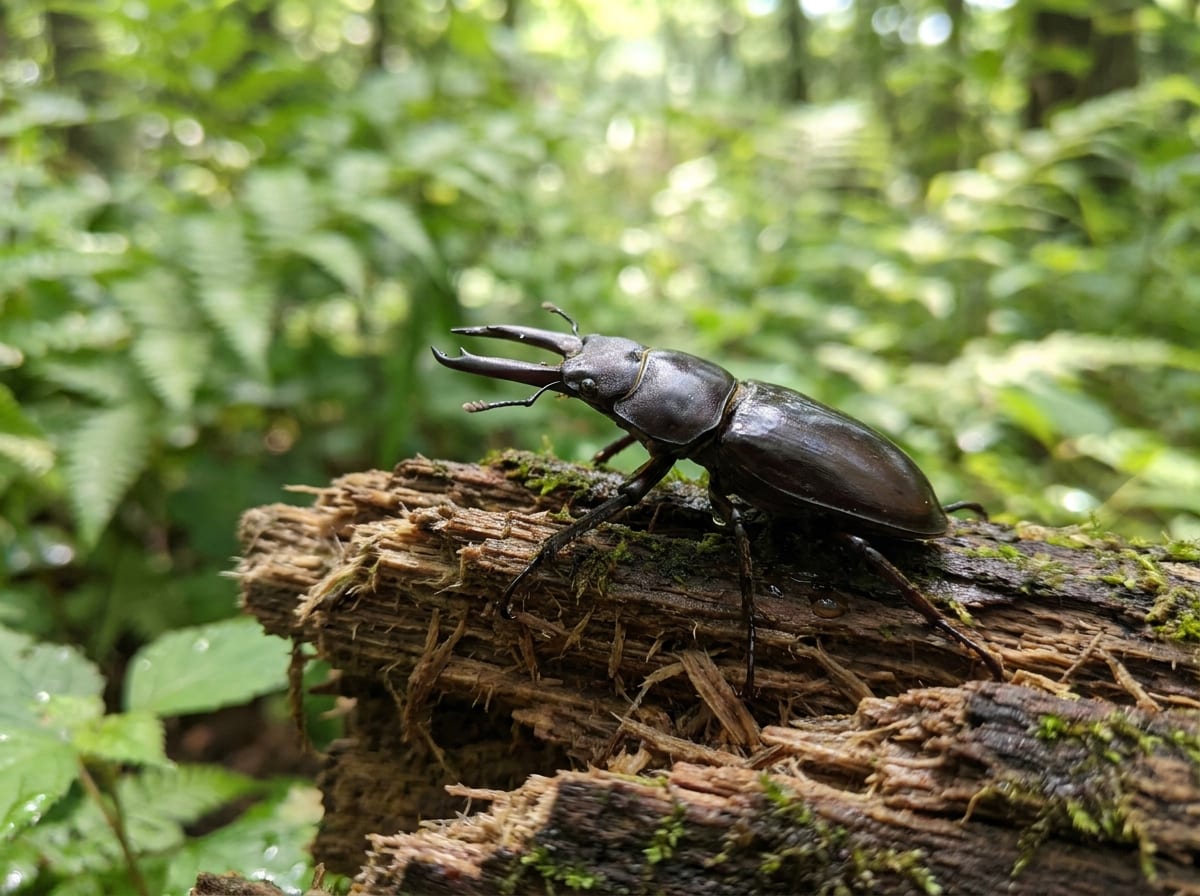
Kokuwa Stag Beetle
View species details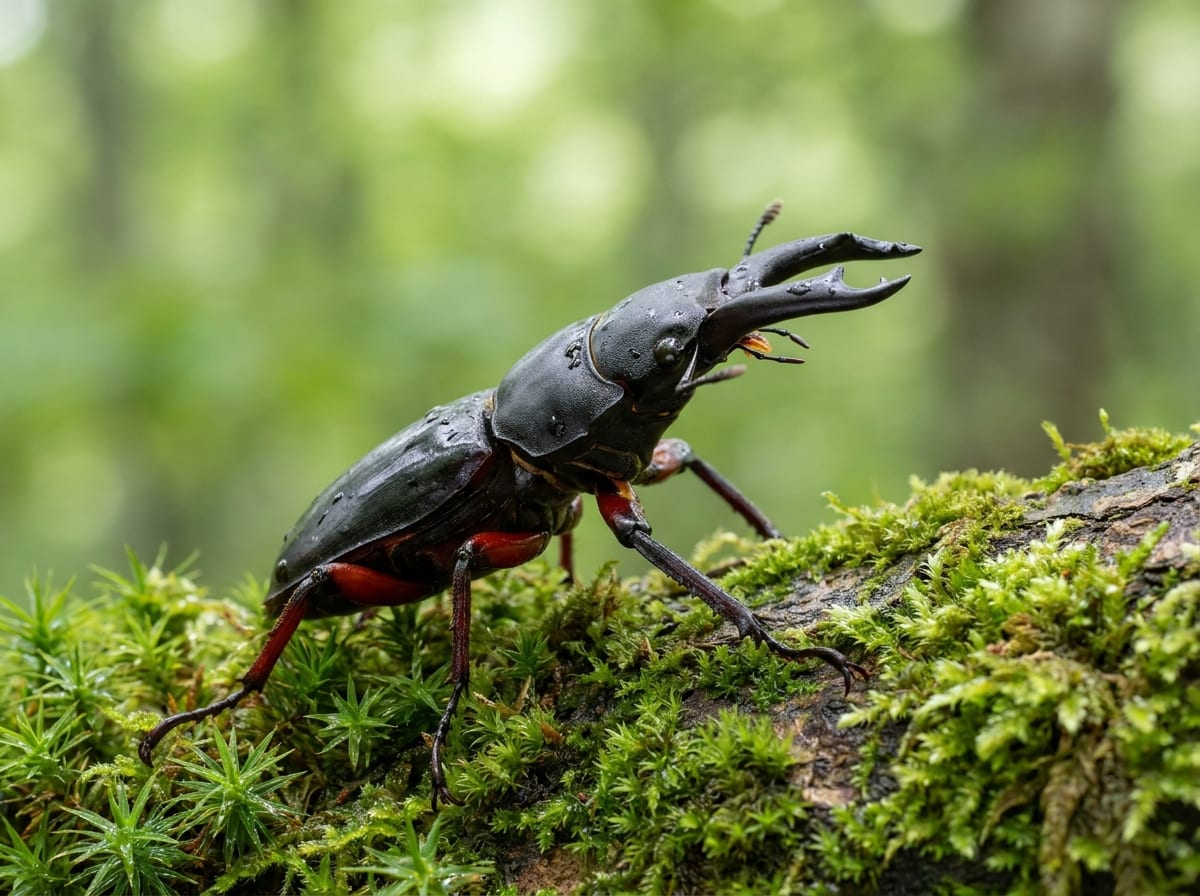
Akaashi Stag Beetle
View species details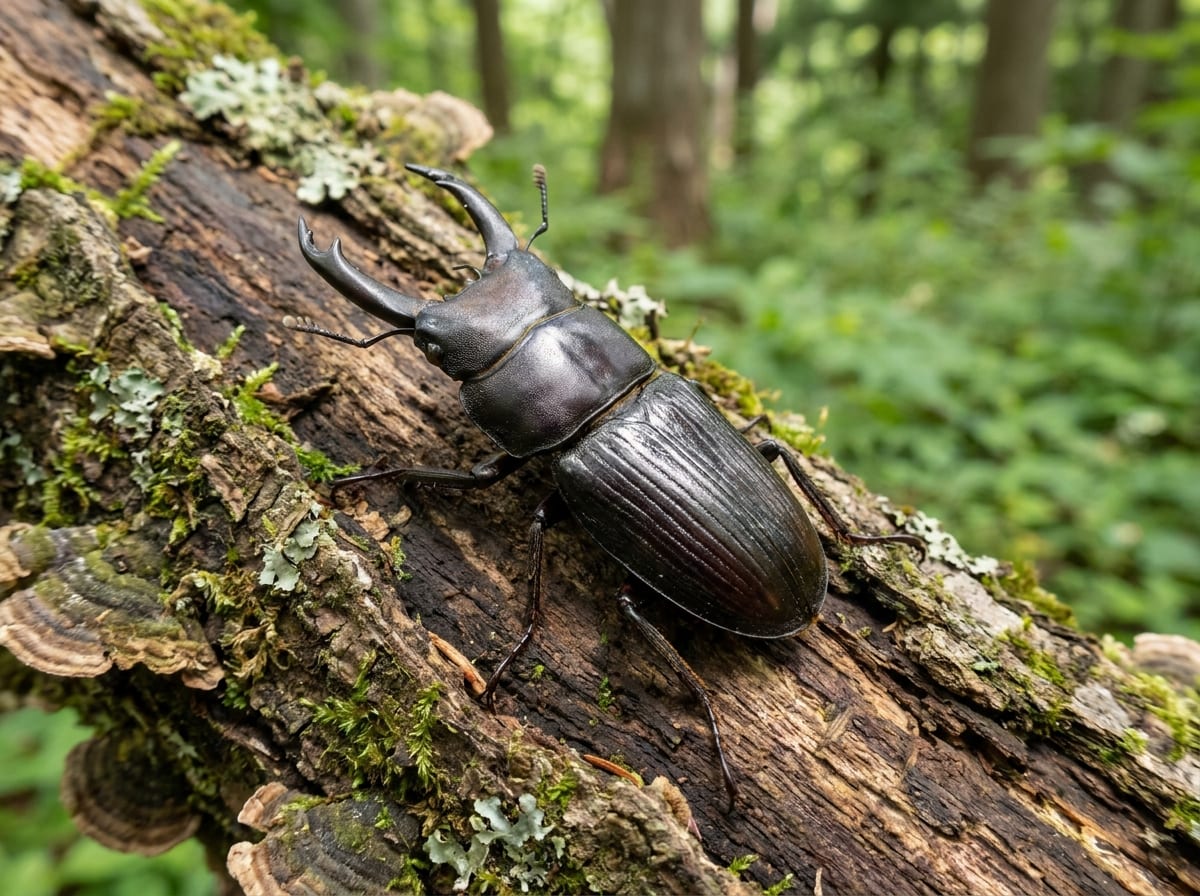
Suji Stag Beetle
View species details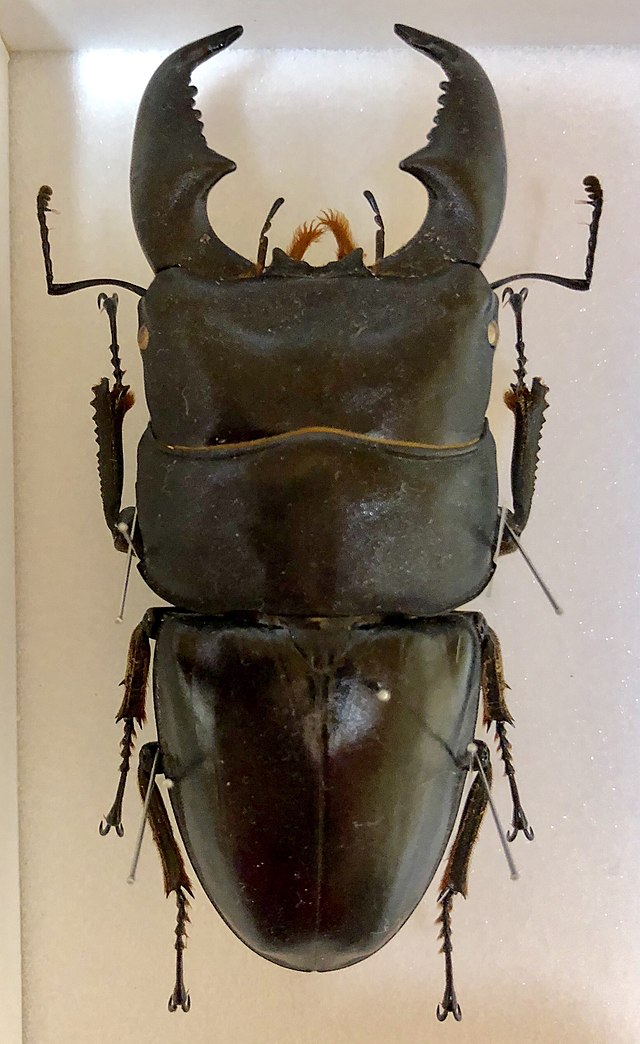
Flat Stag Beetle
View species details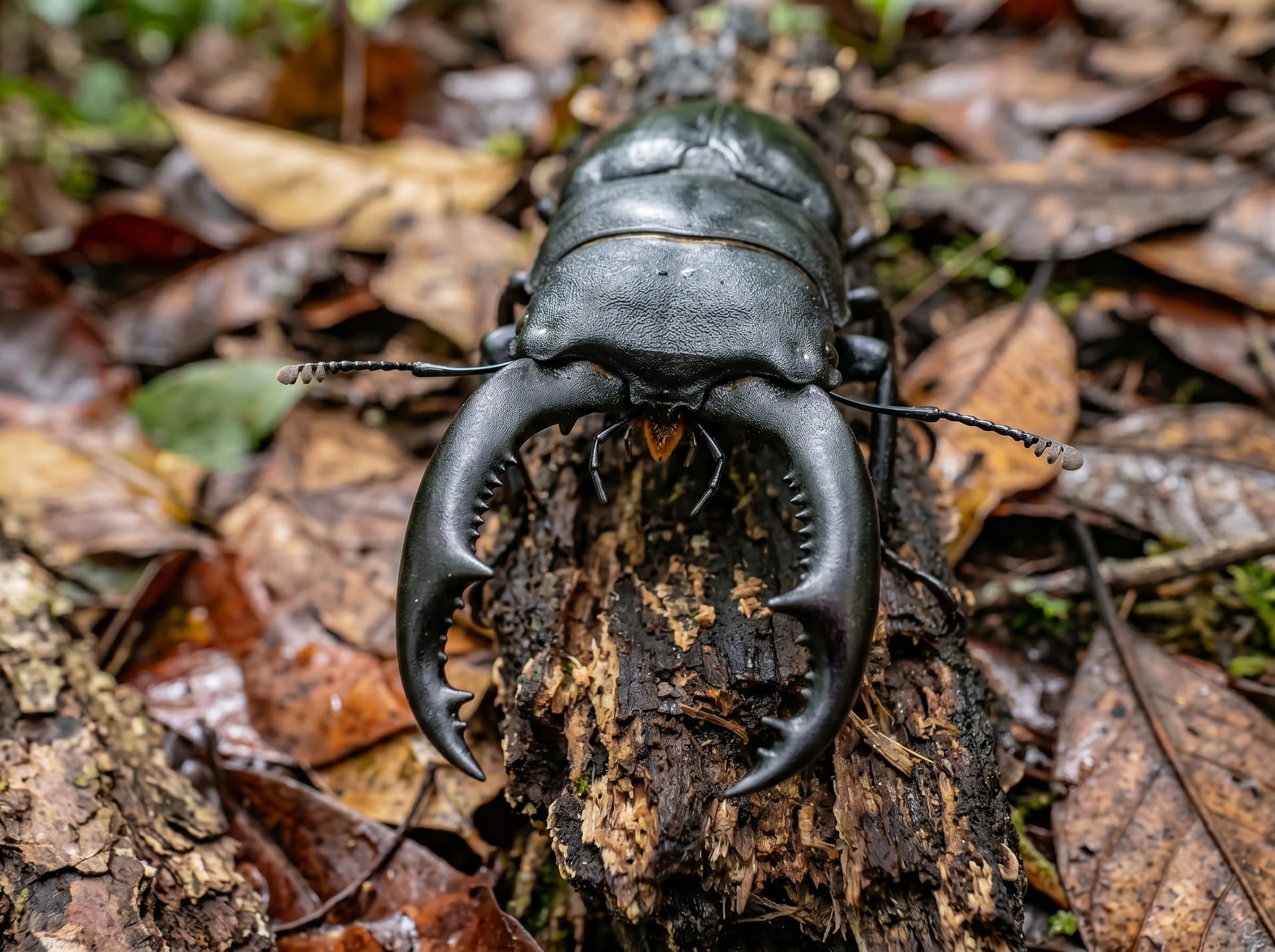
Sumatran Giant Stag Beetle
View species detailsJapan is home to approximately 40 species of stag beetles, of which around 10 are particularly popular for breeding and collecting. Accurately identifying the species of a collected or purchased specimen is important for selecting appropriate care methods. This article provides a detailed explanation of the identification points of 10 major Japanese stag beetle species.
Distinguishing the Japanese Giant Stag Beetle from the Flattened Stag Beetle
The Japanese Giant Stag Beetle is the most popular stag beetle species in Japan. Males are approximately 30–75 mm in length, and the mandibles are thick with a single large inner tooth on the inside, which is characteristic. The body color is black with luster, and the pronotum (the plate-like section between the head and body) has clearly defined punctures (small indentations). In captivity, specimens exceeding 80 mm have been produced, and captive-bred individuals with managed pedigrees are sometimes sold at high prices.
The Flattened Stag Beetle is easily confused with the Japanese Giant Stag Beetle, but there are several clear differences. The mandibles of the Flattened Stag Beetle are thinner than those of the Japanese Giant Stag Beetle, and are characterized by multiple inner teeth (small, saw-like). The body form is, as the name suggests, flattened, and when viewed from the side, it has a thinner body than the Japanese Giant Stag Beetle. Additionally, the pronotum is smoother than that of the Japanese Giant Stag Beetle, with fewer punctures. The population inhabiting the mainland is called the Mainland Flattened Stag Beetle, and regional differences in body form and mandible curvature are seen compared to populations from the Southwestern Islands.
The most reliable identification method is to compare the thickness of the body from the side. The Japanese Giant Stag Beetle has a sturdy, thick body, while the Flattened Stag Beetle has a clearly flattened form. The habitat also differs somewhat; the Japanese Giant Stag Beetle inhabits hollow areas in Quercus acutissima and Quercus mongolica subsp. crispula on flatlands to low mountains, while the Flattened Stag Beetle prefers warmer regions.
Small Japanese Stag Beetle, Striped Stag Beetle, and Thick-lipped Stag Beetle
The Small Japanese Stag Beetle is the most commonly seen stag beetle in Japan, with a body length of approximately 17–50 mm. The mandibles are relatively slender and straight, with a single small inner tooth near the center. Body color varies from reddish-brown to dark brown, and the pronotum is smooth. It can be found even in urban parks, and is a familiar species as the first stag beetle encountered by beginners.
The Striped Stag Beetle resembles the Small Japanese Stag Beetle but can be distinguished by the presence of distinct vertical stripes on the elytra (wing covers). The body length is 15–35 mm, slightly smaller than the Small Japanese Stag Beetle, and the mandibles are also shorter. It prefers somewhat higher elevations and can be found in beech forests.
The Thick-lipped Stag Beetle is a small species with a body length of 13–30 mm. The mandibles are short, and the body form, when viewed from above, is almost square-shaped and unique. The most distinctive feature is the presence of deep longitudinal grooves on the elytra, which makes confusion with other species virtually impossible. It inhabits warm-temperate coastal forests and low mountains, and congregates on dead trees of Castanopsis and Quercus.
Saw Stag Beetle and Miyama Stag Beetle
The Saw Stag Beetle gets its name from its mandibles, which are saw-like with serrated edges. In large males, the mandibles curve greatly and resemble the horns of cattle. The body length is 25–70 mm, with reddish-brown being the most common body color, though black individuals also exist. The absence of protrusions on the sides of the pronotum is the distinguishing point from the Miyama Stag Beetle.
The Miyama Stag Beetle, as the name "deep mountain" suggests, prefers cool, high-altitude environments. The most distinctive identification feature is the "ear-like projections" that protrude from the upper surface of the head. This projection is unique to the Miyama Stag Beetle and can be recognized at a glance. The body color is dark brown, and the sides of the pronotum also have jagged protrusions. The body length is 35–75 mm, and large individuals are impressive.
Additionally, the Miyama Stag Beetle is characterized by a dense covering of golden fine hairs on the underside of the body. In fresh specimens, these golden hairs shine beautifully, but they are worn away as the activity period lengthens. They are sensitive to heat, and require temperatures below 25°C for captive care.
Red-legged Stag Beetle and Hime Ookuwa Stag Beetle
The Red-legged Stag Beetle's most distinctive identification point is that its legs (particularly the femurs) are reddish-brown, as the name suggests. The body length is 25–55 mm, and the body color is black. The mandibles are somewhat slender, with a single inner tooth near the center. It inhabits high-altitude beech forests and prefers cool environments even in summer. Simply flipping the specimen over to check the leg color makes it easy to distinguish from other species.
The Hime Ookuwa Stag Beetle is a medium-sized stag beetle that congregates on dead beech trees, with a body length of 25–55 mm. It has an appearance similar to a miniature Japanese Giant Stag Beetle, but the mandible form differs. The mandibles of the Hime Ookuwa Stag Beetle are characterized by a forked tip, and lack the large inner teeth seen in the Japanese Giant Stag Beetle. It lives exclusively in high-altitude beech forests and is not easy to collect.
Caution Against Confusion Between Domestic and Imported Species
In recent years, foreign Flattened Stag Beetle species such as the Sumatran Giant Flattened Stag Beetle and the Palawan Stag Beetle, which are available in large quantities, are widely kept in captivity, and are easily confused with Japanese Flattened Stag Beetles and Mainland Flattened Stag Beetles due to their similar appearance. When purchasing, always check the locality label, and also confirm whether the specimen is wild-collected or captive-bred; this information will be helpful for future care planning (temperature management, differences in breeding behavior, etc.).
Summary of Confirmation Points When Uncertain About Identification
When uncertain about species identification, the following procedure allows for efficient confirmation.
- Measure the body size and narrow down the group.
- Confirm the mandible shape (number and position of inner teeth, degree of curvature).
- Observe the surface texture of the pronotum (presence or absence of punctures, side protrusions).
Body color shows great individual variation and is therefore unreliable as a sole identification point. However, for some species, body color and patterns are decisive: for example, the Red-legged Stag Beetle has red legs, and the Striped Stag Beetle has distinct vertical stripes on the elytra.
Collection habitat information is also an important clue.
- In high-altitude beech forests, the Miyama Stag Beetle or Red-legged Stag Beetle are likely.
- In flatland oak forests, the Small Japanese Stag Beetle or Saw Stag Beetle are common.
Comparing multiple individuals collected from the same location makes the characteristics of each species clearer.
BreederDirect allows you to purchase stag beetles directly from breeders who are particular about species and pedigree. Breeders are knowledgeable about species identification and provide clear information about collection locality and parental data, so you can safely acquire the specimen you want—whether it's a popular species like the Japanese Giant Stag Beetle or Flattened Stag Beetle, or a species like the Miyama Stag Beetle that requires somewhat difficult care.