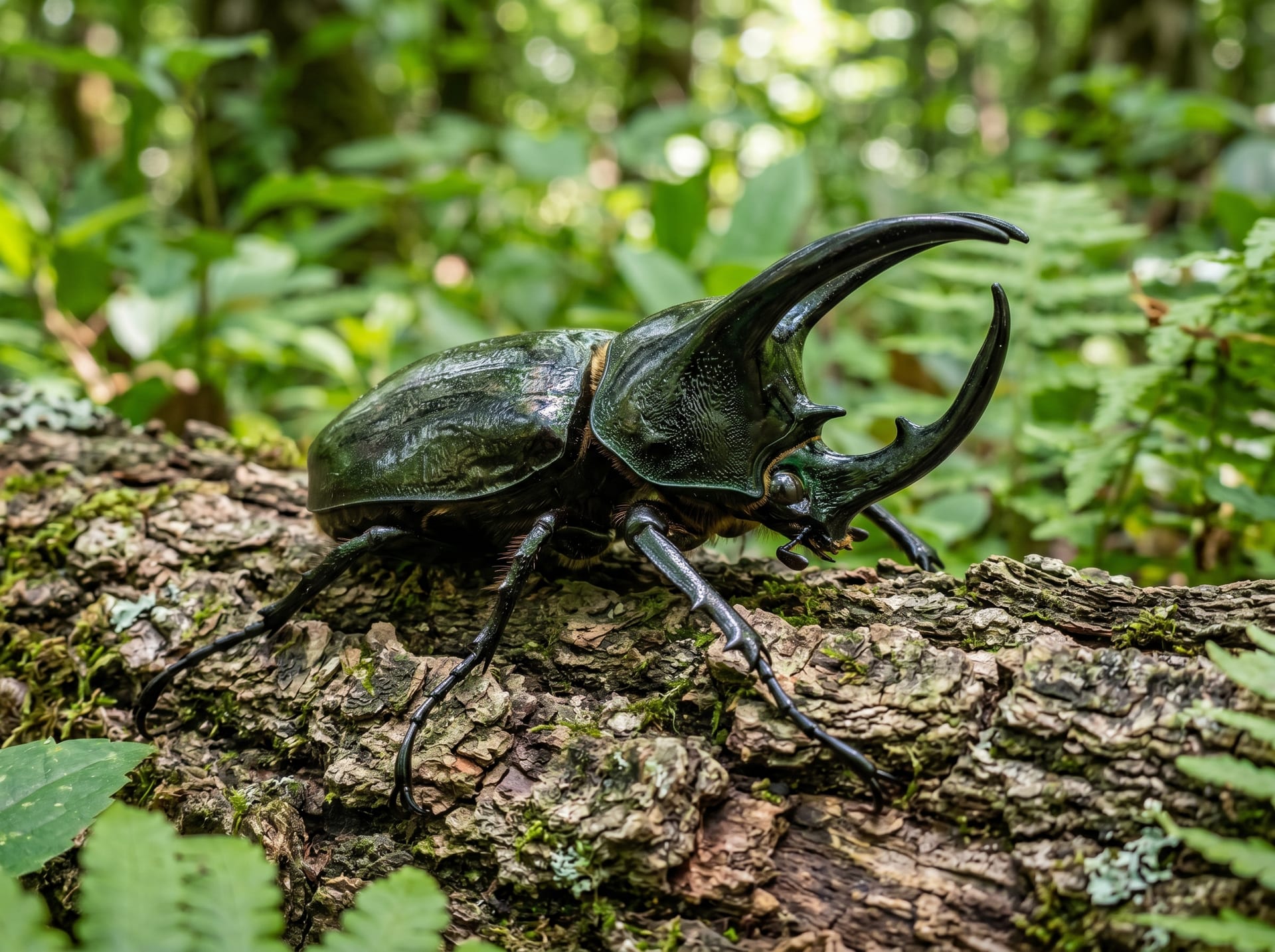
Complete Guide to Rhinoceros Beetle Adult Egg-Laying Setup and Egg Collection | From Egg-Laying Promotion to Egg Extraction and Management
A complete guide on how to set up a rhinoceros beetle egg-laying container, confirm egg-laying, extract eggs, and manage hatching. From confirming post-feeding completion to mating, selecting egg-laying substrate, and determining the right timing for egg collection.
Key Takeaways
A complete guide on how to set up a rhinoceros beetle egg-laying container, confirm egg-laying, extract eggs, and manage hatching. From confirming post-feeding completion to mating, selecting egg-laying substrate, and determining the right timing for egg collection.
Overall Flow of Rhinoceros Beetle Breeding
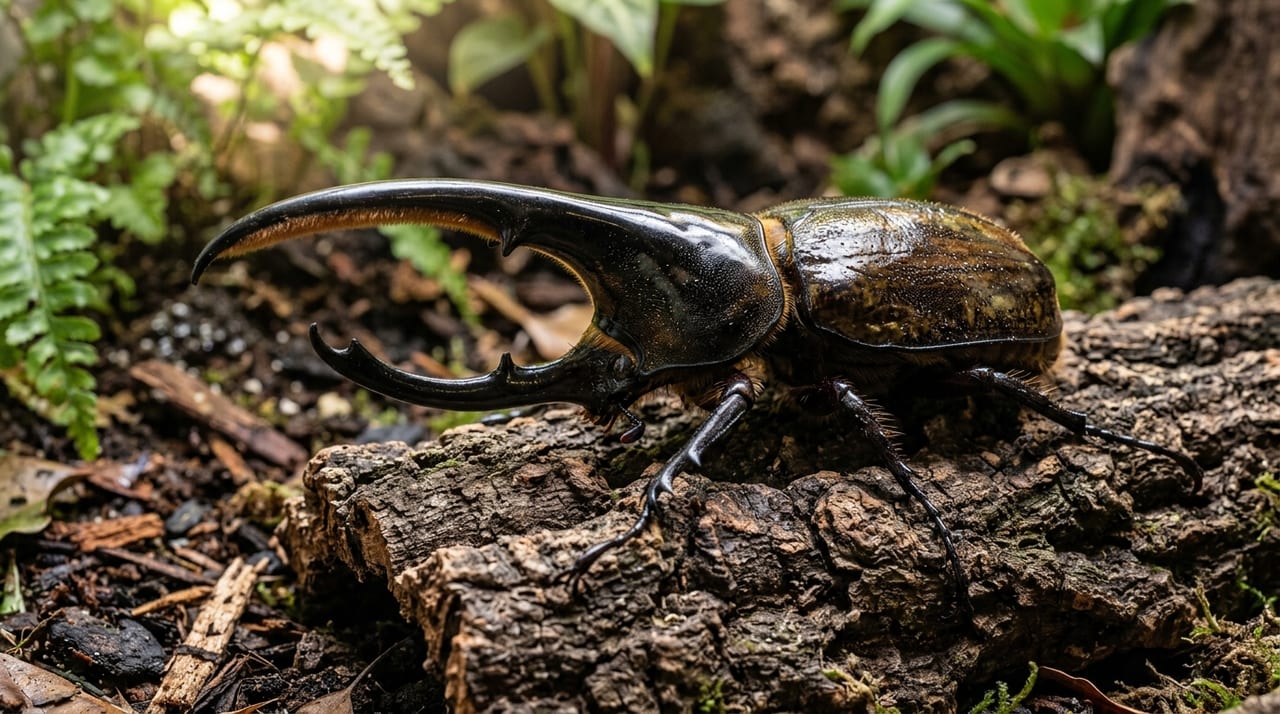
Breeding Japanese rhinoceros beetles (Note: foreign species like Caucasian beetles and Hercules beetles have different conditions) is a beginner-friendly introduction to insect breeding with a high success rate if proper procedures are followed.
The breeding process consists of the following major steps.
- Confirming post-feeding completion (2-4 weeks after emergence)
- Mating (pairing)
- Setting up the egg-laying container
- Confirming egg-laying and egg collection (excavation)
- Managing eggs and hatched larvae
Let's take a closer look at each step.
Confirming Post-Feeding Completion
Newly emerged rhinoceros beetles are not yet internally mature. If they are immediately mated and allowed to lay eggs, they may produce mostly unfertilized eggs. After 2-4 weeks have passed since emergence, and when they are actively consuming jelly (post-feeding completion), confirm this state before proceeding with breeding.
Signs of Post-Feeding Completion - Consuming one or more jelly portions within 1-2 days - Actively moving around within the case - Body surface is hard, black, and shiny
Methods of Mating (Pairing)
Natural Pairing
Place a male and female in the same case for approximately 3-5 days. Use a small breeding case (designed for insect rearing) and place one male and one female inside. Success is confirmed when mating behavior by the male is observed.
Important Note: Excessive mating can lead to female exhaustion. After confirming mating, separate the male and female, and transfer the female to the egg-laying setup.
Hand Pairing
This method involves directly pairing a male and female by hand to facilitate mating. If the female tries to escape, lightly hold her with one hand while allowing mating. While this ensures successful mating, it can be difficult if you're not experienced.