Ranchu Wen Development Techniques | How to Grow an Impressive Head Structure
Techniques for growing large Ranchu wens explained. Covers food, water temperature, water change frequency, and tank selection tips.
Key Takeaways
Techniques for growing large Ranchu wens explained. Covers food, water temperature, water change frequency, and tank selection tips.
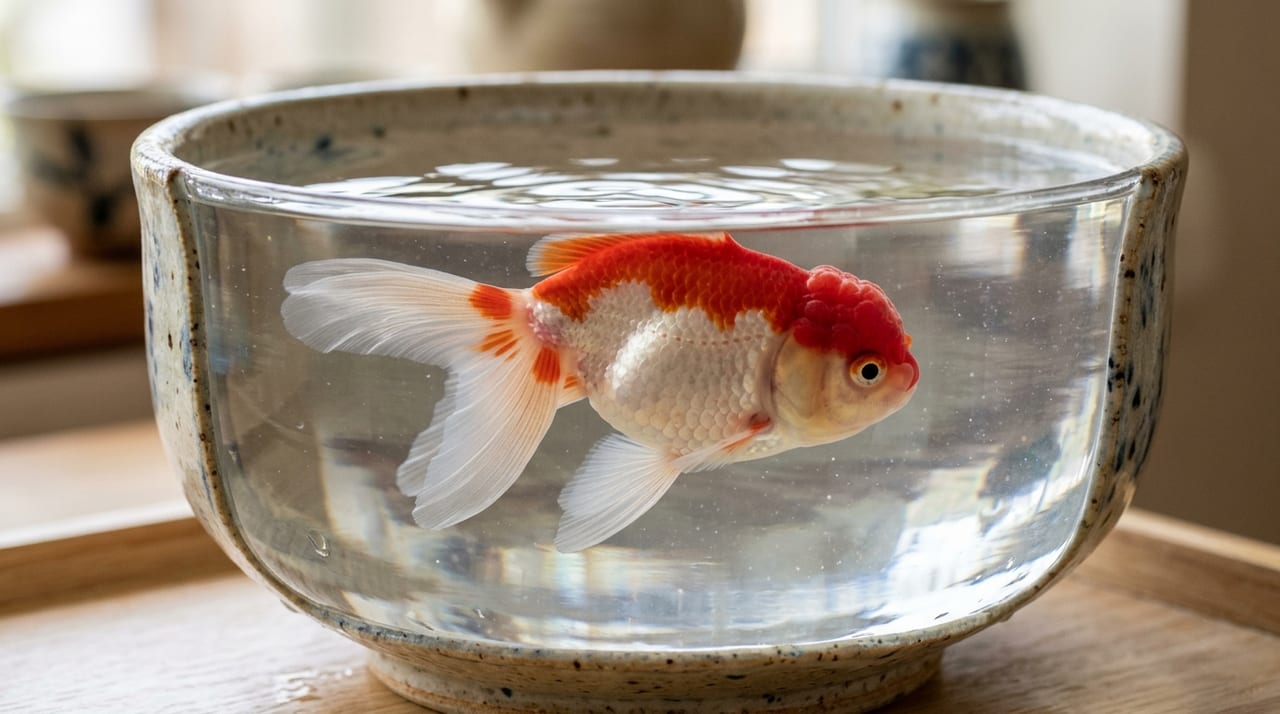
Ranchu is a variety known as the "king of goldfish." Its defining characteristic and the most important evaluation criterion at fish shows is the wen (肉瘤), a bump-like protrusion that develops across the head and facial area. A Ranchu with a magnificent wen commands the attention of viewers with an overwhelming presence—it is the ideal form that enthusiasts have pursued for many years.
However, the wen is not something that will develop simply by keeping the fish. The wen's development is determined by a complex interplay of multiple factors: genetics, diet, water temperature, and rearing environment. This article provides detailed techniques for wen development applicable to both beginners who are ready to seriously raise Ranchu for the first time and to those already keeping them who seek further wen development.
Genetics: The Foundation That Determines Wen Development
No matter how ideal the rearing environment, the wen will not develop sufficiently without genetic potential. The wen's developmental potential is largely determined by heredity from the parent fish.
To obtain Ranchu with good bloodlines, it is important to select descendants from accomplished breeders or individuals with a history of award wins at fish shows. Check the parent fish's photos or specimens in person, carefully examining the head structure, eyes, and cheek definition. In particular, the "lionhead" type—a rich wen covering the entire head—cannot be born without excellent genetic background.
At the fry stage, wen development is hardly visible, but it begins to appear gradually around 3–6 months after birth. Fry in which "wen buds" can be confirmed at this stage are said to have high potential for future development. Selecting fish with good bloodlines is the first step in wen development.
Choosing and Feeding Quality Food to Develop the Wen
The wen is formed from protein and fat, so food quality and feeding methods directly affect its development.
Incorporate High-Protein, High-Nutrition Foods
Bloodworms (frozen or dried): An animal-based protein source with high digestibility and excellent growth promotion. Feeding 3–4 times per week is recommended.
✍️
BreederDirect Editorial
The BreederDirect editorial team specializes in care information for animals, covering veterinary care and breeding to deliver beginner-friendly guides.
Find Goldfish on BreederDirect
Buy directly from verified breeders
Browse Related Listings
Find Goldfish listings related to this article on BreederDirect. Buy directly from verified breeders.
Brine shrimp: A versatile live food usable from fry to adult. High nutritional value that stimulates appetite.
High-protein goldfish pellets: Specially formulated feeds containing spirulina and various amino acids promote both wen development and body color enhancement.
Feeding Frequency and Amount
Ideally, feed 3–4 times daily in small amounts. Feeding large amounts at once causes sudden water quality deterioration and can lead to digestive problems. Adjust the feeding amount based on the rule of "only as much as can be eaten within 5 minutes."
When water temperature is low (below 20°C), digestive function decreases, so reduce feeding frequency and switch to easily digestible food.
Managing Water Temperature and Water Changes to Promote Wen Growth
Water temperature and water changes are often overlooked but are extremely important factors in wen development.
Optimal Water Temperature: 25–28°C
Ranchu wen develops most actively in the 25–28°C temperature range. At this temperature, metabolism becomes active, and absorbed nutrients are efficiently used to form the wen. By using a heater to maintain stable water temperature, you can sustain a growth period regardless of season.
However, abrupt temperature fluctuations cause stress and disease. Keep temperature adjustments to within 1°C per day.
Water Change Frequency and Effect
Ideally perform water changes 2–3 times per week, replacing 30% or more of the water volume.
Supplying fresh water appropriately stabilizes water quality and increases the fish's appetite and activity.
Maintain ammonia and nitrite levels close to zero. Accumulation of these harmful substances significantly hinders growth.
Maintain pH between 7.0 and 7.5.
When performing water changes, dechlorinate tap water and adjust it to match the tank water temperature. Especially in summer, tap water can be cold, causing rapid temperature drops.
Tank Selection and Stocking Density
Among Ranchu enthusiasts, there is a long-standing rule of experience that tank selection influences wen development.
Why Use Shallow Tanks
Plastic tubs and FRP containers are traditionally used because they are shallow and wide. Compared to deep aquariums, they have a larger water surface area for better oxygen supply and provide an environment where Ranchu can swim comfortably side to side. Aim for 20–30 cm water depth.
Tank color should be dark colors such as black or dark green. In dark-colored tanks, fish develop deeper body coloration more readily, which also affects their visual appeal.
Maintain Proper Stocking Density
Overcrowding causes significant stress to Ranchu and hinders growth. Provide a minimum of 10 liters of water per fish as a basic principle. For adults, 15–20 liters or more is ideal. Spacious rearing conditions lead to robust growth.
Age and Wen Relationship | When Is the Growth Peak?
Ranchu wen develops most rapidly during 1–3 years of age. Proper management, especially during the 1–2 year stage, greatly determines the ultimate size of the wen.
After 3 years, the growth rate slows, but some individuals continue to develop gradually until about 5 years of age. Even after becoming adults, maintaining good food and environment preserves the wen's quality (symmetry, luster, and firmness).
Additionally, some reports indicate that growth accelerates again by reducing water temperature in winter for dormancy and raising it in spring. Seasonal management utilizing natural cycles is another effective technique in long-term development.
BreederDirect's Safe and Reliable System
The most important starting point for Ranchu wen development is obtaining a fish with good bloodlines directly from a trusted breeder. At pet shops, it is often difficult to confirm bloodline information or the parent fish's condition, and there are cases where, despite all the care taken, the wen does not develop as expected.
BreederDirect allows you to purchase directly from accomplished breeders who have listed their fish, making it possible to confirm parent fish wen photos and bloodline background before purchasing. The ability to transparently obtain information such as "which parents the fish came from" and "what kind of individuals this breeder has produced in the past" provides great peace of mind before purchase.
Also, because you can communicate directly with the breeder, you can easily ask for advice on rearing methods and feed selection. For those raising Ranchu for the first time, having an environment where you can receive support from an experienced breeder is reassuring.
As a first step to raising a Ranchu with an impressive wen, be sure to search for your ideal specimen on BreederDirect.