Goldfish Color Changes and Fading: How They Work and What to Do
An explanation of why goldfish turn white, lose color, and why black moor goldfish change to red or orange. Includes how to distinguish between natural fading and environmentally-induced color loss, solutions for diet, lighting, and water quality, and answers to whether the color can return.
Key Takeaways
An explanation of why goldfish turn white, lose color, and why black moor goldfish change to red or orange. Includes how to distinguish between natural fading and environmentally-induced color loss, solutions for diet, lighting, and water quality, and answers to whether the color can return.
Related Species

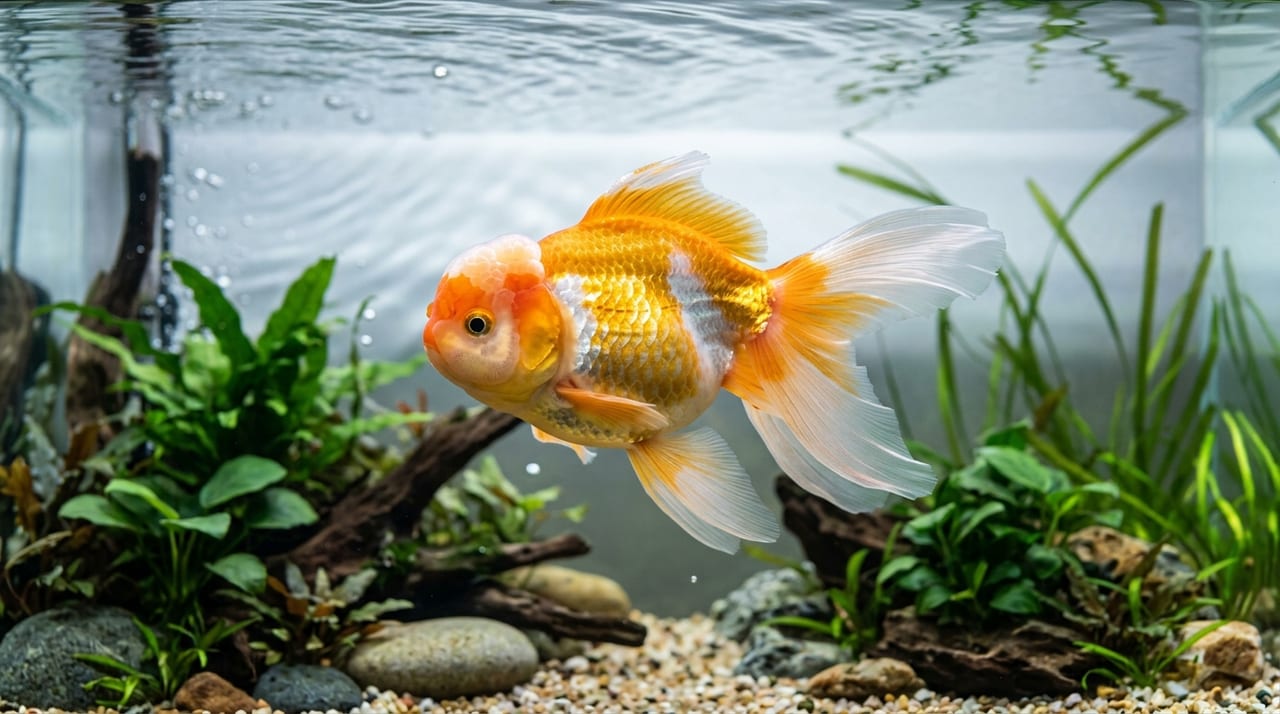
"It was a vibrant red when I brought it home, but before I knew it, it turned whitish." Goldfish color fading is a concern that many keepers experience. Goldfish color changes can result from normal growth processes or environmental factors, and each requires different solutions. This article provides a scientific explanation of how goldfish coloration works, the causes of fading, and how to address it.
How Goldfish Get Their Color
Goldfish coloration is created by three types of pigment cells present in their skin.
Red pigment cells (erythrophores): Contain carotenoid pigments and produce red to orange coloration. Since goldfish cannot synthesize carotenoids themselves, they must obtain them from their diet.
Black pigment cells (melanophores): Contain melanin pigment and produce black to brown coloration. Melanin can be synthesized within the body, but the amount varies depending on environmental conditions.
Iridescent pigment cells (iridophores): Contain guanine crystals and produce silver or metallic sheen. White goldfish are primarily composed of these cells, which reflect light beneath the scales to appear white or silver.
Goldfish coloration is determined by the types and distribution of these pigment cells, as well as the quantity of each pigment.
Normal Color Changes (Fading)
Goldfish undergo a normal color change process called "fading." Immediately after hatching, all goldfish are crucian carp-colored (dark brown), and from around 3 to 6 months of age, they begin changing to their breed-specific colors. During this process, melanin decreases while carotenoids and guanine increase, resulting in red or white coloration.
The progression of fading varies greatly between individuals, and it can take more than a year for colors to fully change. Additionally, "red gene loss" can occur when fading progresses too far, causing red to fade and turn white. This is largely due to genetic factors, and there are limits to what environmental management can prevent.
Quick Reference: Causes of Color Loss and Solutions
| Cause | Main Symptoms | Solutions |
|---|---|---|
| Carotenoid deficiency (diet) | Red/orange becomes pale | Color-enhancing food (astaxanthin/spirulina), frozen bloodworms |
| Insufficient lighting | Overall color fading | 8–10 hours of lighting daily, full-spectrum LED |
| Poor water quality/stress | Dull, faded appearance | Regular water changes, avoid overcrowding and harassment |
| Bright substrate/background | Protective coloration causes paling | Use dark-colored containers/substrate |
| Aging/genetic fading | Black fades, red gene loss | Environmental management has limits; select fish from good bloodlines |
Most cases of "goldfish turning dull like a crucian carp" are caused by the diet, lighting, and genetic factors listed above. True reversion to crucian carp coloration is rare; most cases result from carotenoid deficiency or natural fading.
Color Loss from Husbandry: Causes and Solutions
Diet issues: Insufficient carotenoid intake is the primary cause of red color fading. Color-enhancing foods contain astaxanthin and spirulina, and regular feeding maintains and strengthens red coloration. Frozen bloodworms and brine shrimp also contain natural carotenoids.
Insufficient lighting: Adequate light (natural light or aquarium LED) is important for activating pigment cells. Extended care in dim conditions tends to result in pale coloration. However, direct sunlight raises water temperature and can cause algae blooms, so indirect light is ideal. Aim for 8–10 hours of lighting daily.
Poor water quality: In environments with high ammonia or nitrite levels, goldfish become stressed and their colors fade. Maintain water quality through regular water changes.
Stress: Overcrowding, frequent chasing with nets, and sudden temperature changes cause stress. Stressed goldfish tend to lose color. Maintaining a calm environment supports color maintenance.
Water temperature: Pigment cells are most active in the 25–28°C (77–82°F) range. Lower temperatures reduce metabolism and can result in paler coloration. However, lower temperatures in winter may be necessary to replicate seasonal changes.
Substrate and background color: With light-colored substrate or background, goldfish exhibit "protective coloration response" and pale their body color. Using black or dark-colored substrate tends to cause goldfish to deepen their coloration.
Breed-Specific Color Changes
Tricolor (calico) varieties: The proportion of red, black, and white changes with growth, with black particularly tending to fade. Some reports suggest that maintaining lower water temperatures slow black fading, but complete prevention is difficult.
Kohaku (red and white) varieties: The red and white pattern is relatively stable, but red can spread or fade with age.
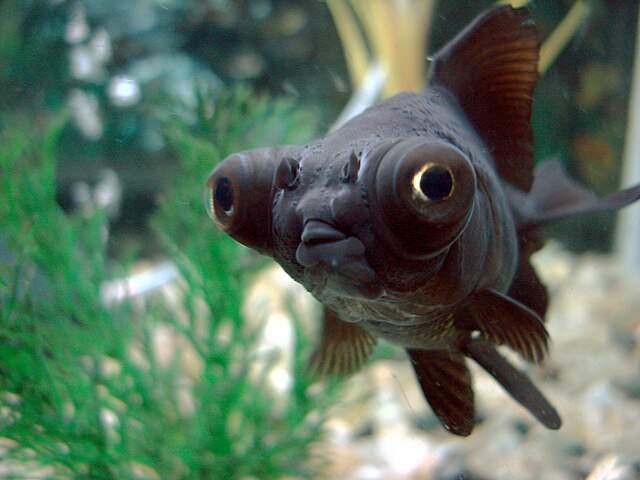
Black moor goldfish: As they grow and age, black fades and red or white may appear. This is a genetic tendency and complete prevention is difficult.
Common Color Changes: Q&A by Pattern
To help you identify your goldfish's situation, we've compiled the causes and whether the color recovers for the most commonly asked changes.
Black Moor or Black Goldfish Turning Red or Orange
The black in black moor goldfish comes from black pigment cells (melanophores), which decrease with growth and aging, revealing the hidden red to orange pigments beneath. This is not a disease but a completely normal change in black moors, typically progressing over 2–3 years starting around age one, and the original black does not return. Some individuals retain mottled black that develops a kohaku-like pattern. While this cannot be prevented through environmental management, rapid progression can occur with poor water quality or stress, so check water quality if the change happens suddenly.
Red Goldfish Turning White (Red Fading)
The causes fall into two categories. ①If red is fading due to dietary carotenoid deficiency, switching to color-enhancing food usually restores it within 1–2 months. ②Genetic "red gene loss" (red fades to white with growth) or age-related fading does not recover. The distinction is: if the entire group pales simultaneously, it's diet or environment; if only one fish gradually loses color, it's genetic.
Overall Color Fading or Dullness
If the change occurs over days to weeks, it's almost always environmental. Immediately after water changes, relocations, or dimming the lights, pigment cells on the body surface contract and appear temporarily pale. The color usually returns to normal within 1–2 weeks once stressors are removed. However, if the body surface appears white and powdery or the mucous layer peels off, this could indicate ich, cotton mouth fungus, or ammonia poisoning—check the condition of the body surface rather than color alone.
Black Spots or Darkening Appearing
Black spots on the body surface often indicate "a sign of healing" from ammonia burns (chemical burns from poor water quality) and typically disappear within weeks. However, if black spots continue to increase or form raised bumps, parasitic infection (black spot disease) is possible, so monitor closely if they spread.
Quick Reference: Does Color Recover?
| Change | Main Cause | Does It Recover? |
|---|---|---|
| Black moor turning red/orange | Aging, genetics | No |
| Red paling | Dietary carotenoid deficiency | Returns within 1–2 months with color-enhancing food |
| Red fading to white | Genetic (red gene loss), aging | No |
| Overall sudden paling | Stress, water quality, lighting | Returns within 1–2 weeks |
| Black spots | Ammonia burn recovery | Disappears within weeks |
Daily Care to Maintain and Improve Color
Maintaining beautiful goldfish coloration long-term requires comprehensive husbandry management.
Color Enhancement Through Diet
Incorporate color-enhancing foods containing carotenoids (such as astaxanthin and spirulina) 2–3 times weekly. Recommended options include Kyorin's "Sakura Hikari Color-Up" or "Goldfish Food Color-Up." Frozen bloodworms and brine shrimp also contain natural carotenoids.
Optimizing Light Environment
Adequate light promotes pigment production. Provide 8–10 hours of lighting daily. Full-spectrum LED lights provide light similar to natural daylight and enhance the vibrancy of goldfish colors. However, avoid direct sunlight, which can raise water temperature and cause excessive algae growth.
Container Color
Raising goldfish in black or dark-colored containers tends to deepen their body color. This is because goldfish expand their pigment cells to increase contrast against the background. Conversely, white containers tend to result in paler coloration, so for display purposes, dark-colored containers are preferable.
On BreederDirect, you can purchase goldfish bred with attention to color expression and maintenance directly from breeders. Consult with breeders about color-enhancing diet and husbandry conditions, and ask for advice to enjoy your goldfish's colors for years to come. Fish from high-quality bloodlines tend to have greater color stability.