The Complete Guide to Raising Golden Retrievers | Exercise, Diet, Coat Care, and Common Health Issues
A comprehensive beginner's guide to raising Golden Retrievers. Covering exercise requirements for large breeds, diet management, coat brushing, hip dysplasia prevention, cancer risk, and the importance of regular health screenings.
Key Takeaways
A comprehensive beginner's guide to raising Golden Retrievers. Covering exercise requirements for large breeds, diet management, coat brushing, hip dysplasia prevention, cancer risk, and the importance of regular health screenings.
Characteristics and Basic Information about Golden Retrievers
✍️
BreederDirect Editorial
The BreederDirect editorial team specializes in care information for animals, covering veterinary care and breeding to deliver beginner-friendly guides.
Find Dogs on BreederDirect
Buy directly from verified breeders
Browse Related Listings
Find Dogs listings related to this article on BreederDirect. Buy directly from verified breeders.
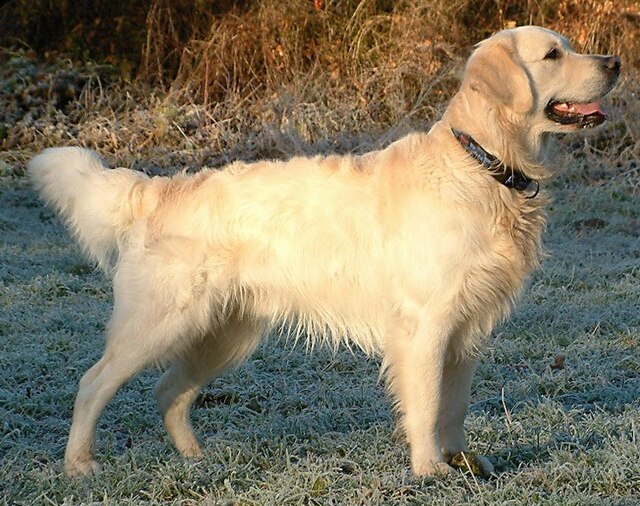
Golden Retrievers are large-breed dogs of English origin, known for their friendly, gentle, and intelligent temperament—often called the "ideal family dog." They serve as guide dogs, assistance dogs, and search-and-rescue dogs, and have consistently ranked among the most popular dog breeds in Japan for many years.
Basic Data
Weight: Males 29–34 kg, females 25–30 kg
Height: Males 58–61 cm, females 54–57 cm
Lifespan: 10–12 years
Coat: Double-layered, wavy long hair (gold to cream colored)
Golden Retrievers are sometimes called "eternal puppies" because their mental maturity develops slowly. Even at 3–4 years old, they may continue displaying energetic and mischievous behavior. Consequently, they require appropriate exercise and mental stimulation.
Exercise Requirements—Releasing Energy in Large Breeds
Golden Retrievers were originally hunting dogs with the stamina to handle long fieldwork. They require a minimum of 1–2 hours of aerobic exercise daily.
Types of Exercise and Precautions
Walking: 30–60 minutes in the morning and evening is ideal. "Sniff walking," where dogs walk slowly while smelling their surroundings, is also effective for mental fatigue.
Swimming: Golden Retrievers were originally bred to retrieve waterfowl, and many love water. Swimming in pools, rivers, or the sea is optimal aerobic exercise with minimal joint stress.
Ball Play and Frisbee: Fetching is a natural instinct that provides mental fulfillment. However, intense jumping during the growth period (under 2 years) can negatively affect hip and elbow joint formation, so keep it within reasonable limits.
Dog Sports: Agility, flyball, and nose-work competitions are well-suited to their abilities, combining intelligence and physical activity.
Signs of Exercise Deficiency
Destructive behavior (chewing cushions and furniture)
Barking and restlessness
Weight gain
Diet Management—Nutritional Balance for Large Breeds
Diet During Growth Period (Up to 2 Years)
Large-breed puppies grow rapidly, and improper calcium and phosphorus balance can cause skeletal problems. Choosing large-breed-specific puppy food is important.
Some owners add calcium supplements wanting to promote growth, but excess calcium risks abnormal bone growth. Puppy food is designed to provide necessary nutrients without supplementation, so supplements are unnecessary unless prescribed by a veterinarian.
Feeding Amount for Adult Dogs
For a 30 kg Golden Retriever, typical dry food amounts to approximately 400–500 g daily (varies by product and activity level).
Feeding Precautions
Feed 2–3 times daily: Large breeds face the risk of gastric dilatation-volvulus (GDV), a life-threatening emergency. Avoid intense exercise for 2 hours after eating
Prevent fast eating: Slow-feeder bowls are recommended
Weight management: Weigh monthly and monitor Body Condition Score (BCS)
Senior Diet (7 Years and Older)
As metabolism slows, transition to senior food that is lower in calories but higher in protein. Food containing glucosamine, chondroitin, and omega-3 fatty acids (EPA/DHA) supports joint health.
Coat Care—Maintaining the Double-Layer Coat
A Golden Retriever's coat consists of a dense undercoat for insulation and an outer coat for protection. They shed heavily during spring and fall shedding seasons, making regular brushing essential.
Brushing
Frequency: 3–4 times weekly (daily during shedding season)
Tools: Slicker brush and undercoat removal comb (such as a Furminator)
Procedure: First, use a comb to loosen mats, then use a slicker brush to groom the surface, and finally use an undercoat comb to remove loose hair
Bathing
Bathe 1–2 times monthly. Since Golden Retrievers produce significant oils and can develop odor, use dog-specific shampoo and rinse thoroughly. Ensure complete drying—moisture on skin promotes fungal growth like malassezia.
Professional Grooming
Professional grooming every 2–3 months is ideal. Trimming hair inside the ears, on the paw pads, and between toes helps prevent ear infections and skin inflammation.
Common Health Issues
Hip Dysplasia (CHD)
Hip dysplasia is one of the most common genetic disorders in large breeds like Golden Retrievers. Malformation of the hip joint causes arthritis, pain, and lameness.
Prevention and Management
Purchase from breeders with genetic screening (verify OFA or PennHIP scores)
Avoid intense jumping and sudden stops during growth period
Maintain appropriate weight to reduce joint stress
If symptoms develop, veterinary treatment includes joint medication, physical therapy, and potentially surgical intervention
Cancer (Malignant Tumors)
Golden Retrievers statistically have higher cancer rates than other dog breeds. Large-scale research (the Morris Animal Foundation's Golden Retriever Lifetime Study) has confirmed elevated tumor incidence in the breed.
Common Cancers
Lymphoma
Hemangiosarcoma
Osteosarcoma
Mast cell tumors
For Early Detection: Annual or biannual health checkups including blood work, X-rays, and ultrasound are critical. For dogs 7 years and older, checkups every six months are recommended.
Allergic Dermatitis: Prone to food and environmental allergies. Symptoms include itching, hair loss, and redness
Hypothyroidism: An endocrine disorder common in middle-aged and senior dogs. Main symptoms are weight gain and lethargy
Socialization and Training from Puppyhood
Golden Retrievers are intelligent and well-suited to training, but since they remain active into adulthood, consistent training from puppyhood is essential.
Socialization Period (3–16 weeks of age): Expose to various people, sounds, places, and animals
Basic Commands: "Sit," "stay," "come," and "down" should be learned early
Crate Training: Condition them to enter willingly and feel secure inside
Leash Manners: Correct pulling habits early—large dogs pulling can be dangerous for owners
Summary
With proper care, Golden Retrievers become wonderful companions for 10–12 years. Their temperament is gentle, and their love for family is deep. However, understanding the demands of large-breed ownership—exercise requirements, food consumption, and veterinary costs—before bringing one home is essential.
Particularly important are purchasing from breeders with genetic screening for hip dysplasia and regular health checkups for early cancer detection for a long, healthy life together. By establishing daily brushing, appropriate exercise, and weight management habits, you can enjoy many wonderful years with your healthy, long-lived Golden Retriever.