Water Hardness Management Guide | Understanding GH and KH and Optimal Values by Species
Explains the differences between total hardness (GH) and carbonate hardness (KH) in aquarium water, measurement methods, and optimal values by species. Introduces practical methods for adjusting hardness and important considerations.
Key Takeaways
Explains the differences between total hardness (GH) and carbonate hardness (KH) in aquarium water, measurement methods, and optimal values by species. Introduces practical methods for adjusting hardness and important considerations.
Related Species
In water quality management, pH and temperature are parameters that many keepers focus on, but hardness management (GH and KH) is often overlooked. However, hardness is a critical factor that significantly affects organism health, breeding success rates, and even plant growth. Particularly in aquariums, understanding and adjusting hardness is essential to recreate the water chemistry of organisms' native habitats. This article provides a systematic explanation from the fundamentals of hardness to practical adjustment methods.
Differences Between GH (Total Hardness) and KH (Carbonate Hardness)
Water hardness is indicated by two parameters. GH (General Hardness) shows the total amount of calcium ions and magnesium ions dissolved in water. It directly affects skeletal formation in organisms, molting in crustaceans, and shell growth in mollusks, making it particularly important when keeping these animals. The unit is expressed as dGH (German hardness) or ppm, where 1 dGH ≈ 17.9 ppm. KH (Carbonate Hardness) indicates the amount of carbonates and bicarbonates in the water and reflects the pH buffering capacity. Water with high KH tends to have stable pH, while water with low KH experiences rapid pH fluctuations. When KH drops below 1 dKH, the risk of pH crash (sudden pH drop) increases, so it is recommended to maintain at least 2–3 dKH or higher. GH and KH often move together, but they can also change independently, so each must be measured and managed separately.
Optimal Hardness Values by Species
Ideally, hardness should be set to match the native water chemistry of the organisms you keep.
| Organism | Preferred Water Chemistry | GH | KH |
|---|---|---|---|
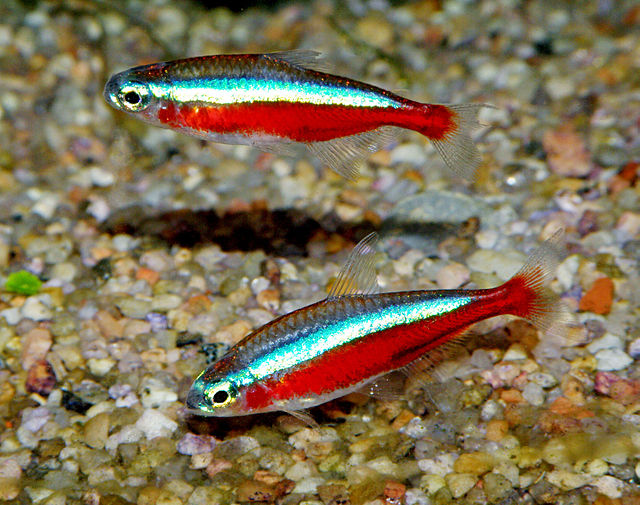
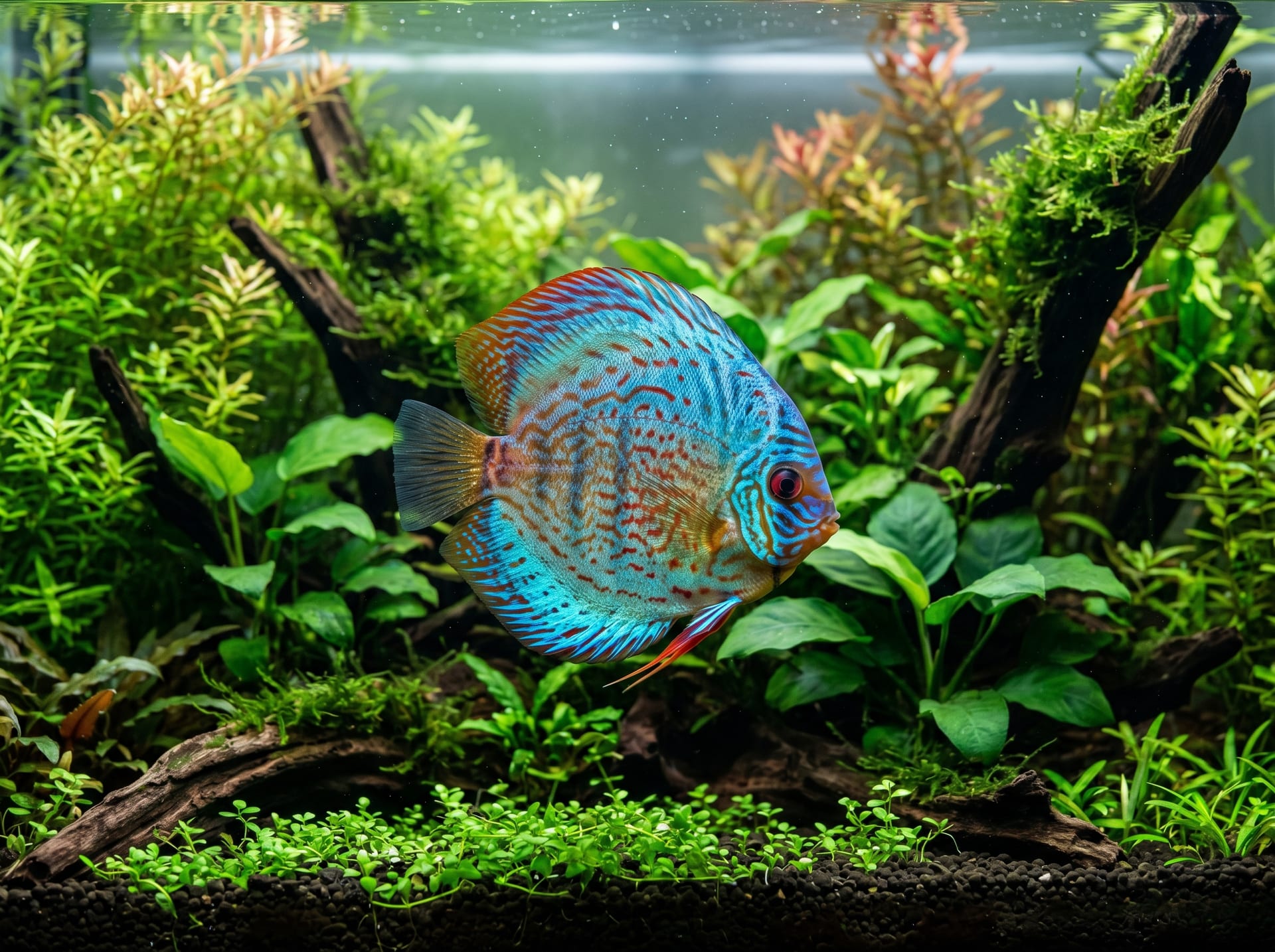
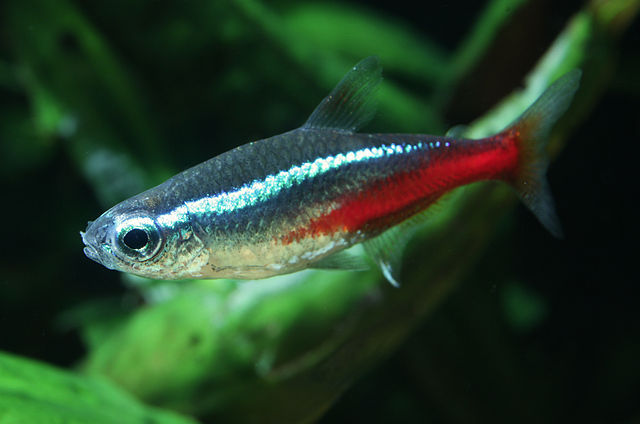
| South American tropical fish (Neon tetra, Cardinal tetra, Discus, etc.) | Soft water | 2–8 dGH | 1–4 dKH |
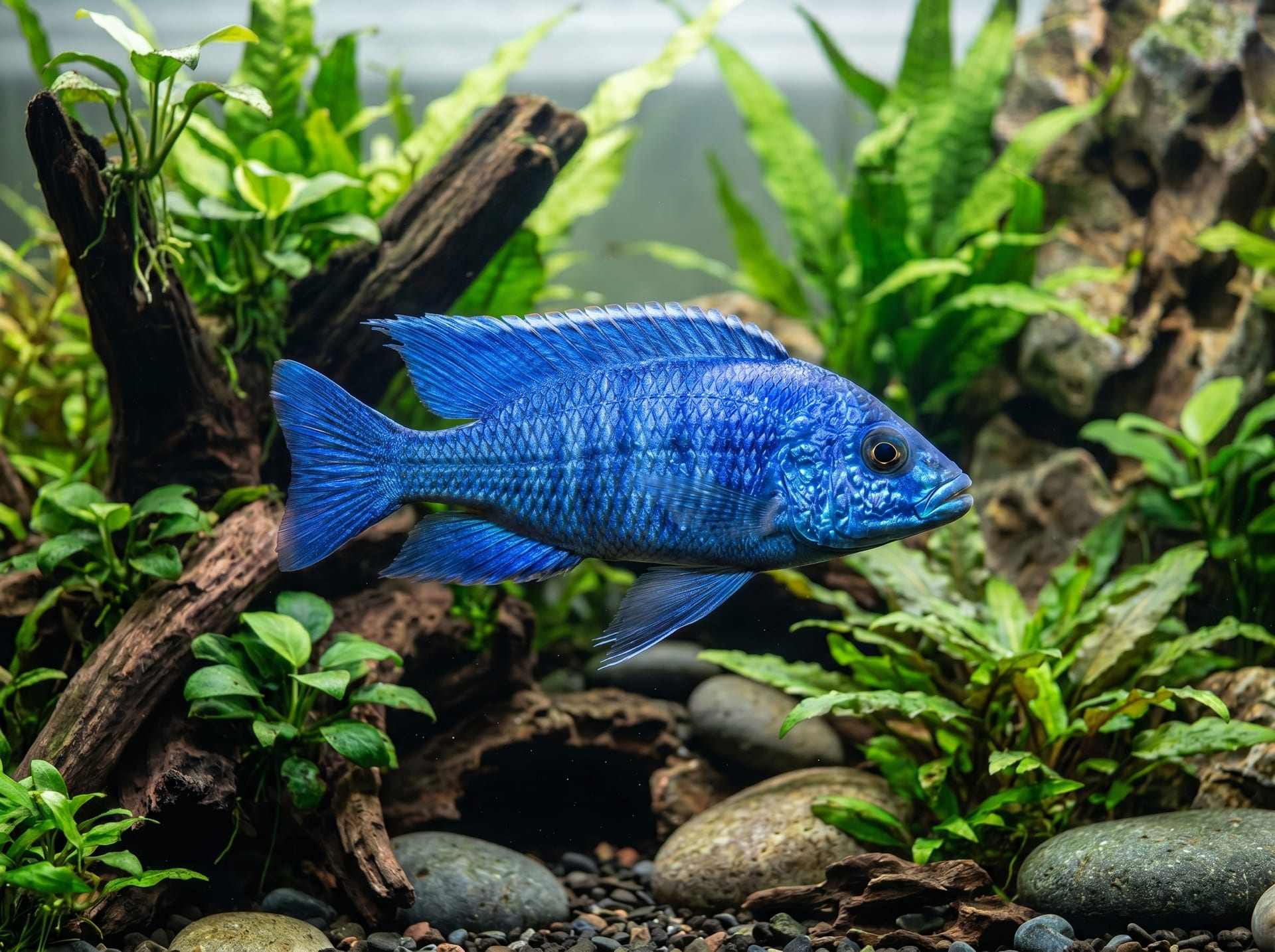
| African cichlids (Lake Malawi species) | Hard water | 10–20 dGH | 8–15 dKH |
| Bee shrimp | Ultra-soft water | 4–6 dGH | 0–2 dKH |
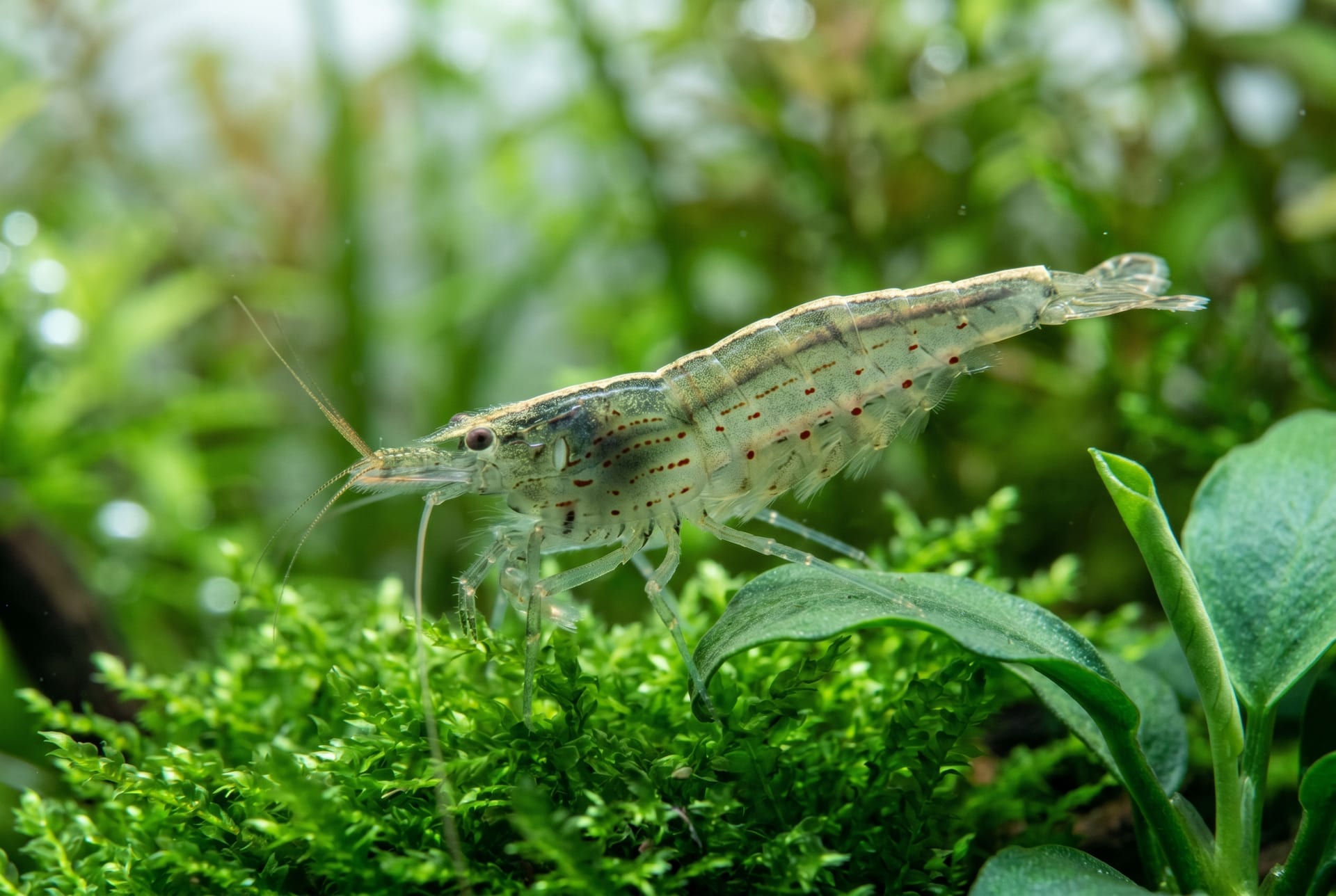
| Amano shrimp | Medium-hard water | 6–10 dGH | 3–8 dKH |
| Saltwater fish and corals | 8–12 dGH | 7–12 dKH |
Most aquatic plants prefer soft to medium-hard water, but when adding CO2, higher KH reduces CO2 dissolution efficiency, so caution is needed. Corals in particular consume large amounts of calcium and require regular calcium supplementation. For terrestrial reptiles and amphibians, pay attention to the hardness of drinking water and misting water. For sensitive-skinned species like chameleons, using low-hardness water is recommended.
Hardness Measurement Methods and Frequency
There are several methods for measuring hardness.
- Liquid reagent test kit: Liquid reagent test kits are the most common and reliable method for measuring hardness. Most kits use a titration method where reagents are added drop by drop while observing color changes, with each drop reading as 1 dGH or 1 dKH. The measurement procedure is straightforward: pour the specified amount of aquarium water into the supplied test tube and add reagent drops one at a time, counting the number of drops until the color changes.
- Test strips: Test strips can also measure hardness, but their accuracy is lower than liquid reagents. They are useful for rough screening, but if precise values are needed, remeasure with liquid reagent.
- TDS meter (Conductivity meter): TDS meters are convenient for getting a rough estimate of GH, but it is important to note that they do not measure GH itself but rather show the total quantity of dissolved components.
Measurement frequency should be approximately once per week during the cycling phase and once or twice per month during the stable phase. It is also recommended to measure immediately after water changes or shortly after adding new materials (rocks or substrate).
Methods to Lower Hardness
To lower hardness for organisms that prefer soft water, there are several approaches.
- RO water (Reverse osmosis filtered water): The most reliable method is using RO water. RO purifiers remove nearly all minerals from tap water, producing nearly pure water with GH and KH close to zero. However, using pure water as-is causes mineral deficiency and zero buffering capacity, so it should be mixed with tap water or mineral supplements to reach the target hardness. Initial investment in the purifier unit costs around 10,000–30,000 yen, with annual running costs for replacement membranes around 5,000–8,000 yen.
- Soil (substrate): A more cost-effective approach is using soil. Nutrient-rich soils or absorptive soils have the effect of lowering hardness through ion-exchange. However, this effect gradually diminishes and requires replacement every six months to a year.
- Driftwood tannins: Driftwood tannins also gradually lower hardness, but the water becomes tea-colored, which is a matter of preference.
- Peat moss: Using peat moss in the filter is also effective, though this method also causes discoloration.
Practical Water Quality Management Advice
Here are tips for incorporating water quality management into your daily routine. First, obtain a water quality report for your tap water and understand the chemistry of your local water supply. Keep a water testing kit on hand and establish the habit of measuring the major parameters (pH, GH, KH, ammonia, nitrite) at least once per month.
To raise hardness for organisms that prefer hard water, add minerals containing calcium and magnesium to the water.
- Coral sand and aragonite sand: Using coral sand or aragonite sand in the filter or as a substrate gradually releases calcium, raising GH and KH.
- Limestone and marble: These have similar effects, but to avoid sudden hardness increases, start with small amounts and monitor the changes.
- Commercial mineral additives (GH boosters and KH boosters): Using commercial mineral additives such as GH and KH boosters allows more precise hardness control. The dose is easy to calculate, and adding a consistent amount with each water change maintains stable hardness.
The most important consideration when adjusting hardness is to avoid sudden changes. Keep the daily change in both GH and KH to 2 dGH (or dKH) or less. Rapid changes cause osmotic shock in organisms and can be fatal. When purchasing livestock from BreederDirect, confirming the water quality parameters (including hardness) that the breeder maintains beforehand and understanding the difference from your home water chemistry is the first step toward safe acclimation. Hardness management may seem mundane, but it is an important factor that determines the long-term health of your organisms.
Tap Water Hardness and Regional Differences
The hardness of tap water in Japan varies considerably by region. In some areas of the Kanto region, hardness is relatively high at 80–100 mg/L or more, while in the Tohoku and Hokkaido regions, it tends to be soft at around 30–50 mg/L. Tap water quality data for your area is often published on your local water utility's website, and checking this once provides a baseline resource for water quality management.
Summary
The starting point is to think of GH (total hardness) and KH (carbonate hardness) separately. GH affects osmotic regulation in organisms, while KH affects pH stability. Understand the required range based on native water chemistry and confirm regional differences in tap water through measurement. When adjusting hardness, do not change it all at once but adjust gradually at a pace the organisms can adapt to. Keep in mind that when conditions are stable, slight deviations from ideal values often cause no problems.