Complete Guide to Euphyllia Coral Fragging and Propagation | Breeding and Sales Preparation for Hammer and Torch Corals
Complete breakdown of fragging (propagation) techniques for hammer corals, torch corals, and frogspawn corals (Euphyllia genus). From tool preparation to cutting, wound care, recovery in a frag tank, and species-specific considerations—a practical guide for breeders to reliably produce high-quality frag specimens.
Key Takeaways
Complete breakdown of fragging (propagation) techniques for hammer corals, torch corals, and frogspawn corals (Euphyllia genus). From tool preparation to cutting, wound care, recovery in a frag tank, and species-specific considerations—a practical guide for breeders to reliably produce high-quality frag specimens.
Related Species
What is Euphyllia Coral Fragging?
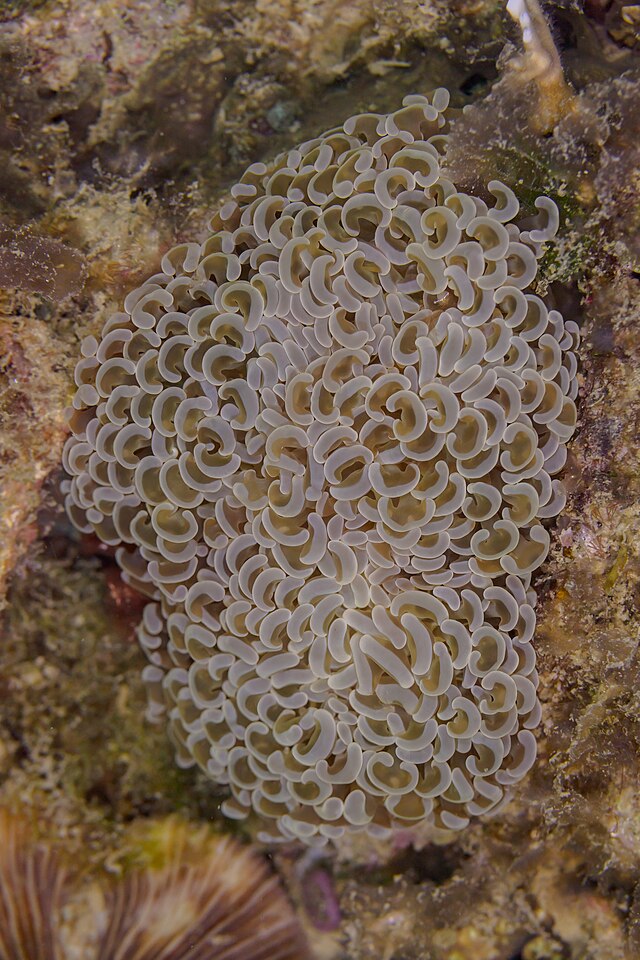
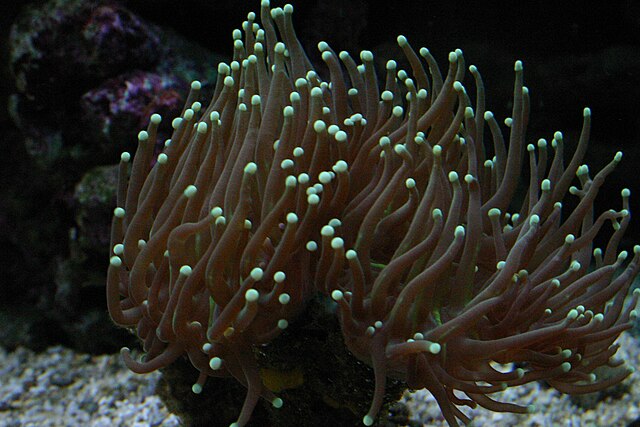
The genus Euphyllia, which includes hammer coral (Euphyllia ancora), torch coral (Euphyllia glabrescens), and frogspawn coral (Euphyllia divisa), is the most popular group among LPS (large polyp stony corals). Healthy specimens grow with branching skeletons, making it possible to propagate multiple individuals through proper fragging (cutting/dividing).
In the breeder-direct market, frag specimens are actively traded among collectors, and asexual reproduction of rare color morphs is a crucial technique for reliably producing high-value specimens. This guide walks through the complete process in a way that beginners can understand—from tool preparation to actual cutting procedures, recovery management in a frag tank, and final checks before listing and sales.
Timing and Health Assessment Before Fragging
Always frag when the coral is fully open and stable. Complete all items on the following checklist before beginning work.
Pre-Frag Health Checklist
- Polyps have been fully open for 24+ hours
- Color is not bleached or brownish (zooxanthellae are abundant)
- At least 48 hours since feeding (to reduce digestive stress)
- No signs of brown jelly syndrome (no cloudy discharge or gelatinous secretions)
- Water parameters are stable (KH 8-10 dKH, Ca 400-450 mg/L, Mg 1250-1350 mg/L, NO₃ 5-10 ppm)
- At least 2 weeks since any stress event (large water change, relocation, new livestock)
- Temperature is stable in the proper range (24-26°C)
Brown jelly syndrome in particular progresses rapidly in high temperatures, strong flow, and from frag wounds. Measure water parameters before fragging and confirm all parameters are in range before beginning.
Tool Preparation
| Tool | Purpose |
|---|---|
| Bone-cutting band saw or diamond blade saw | Skeleton cutting (recommended) |
| Fine-blade stainless steel scissors | For small specimens or branch tips only |
| Frag plugs (ceramic or live rock) | Mounting base |
| Two-part epoxy (reef-safe) | Securing to plugs |
| Activated carbon filter sock | Handling mucus during cutting |
| Iodine solution (diluted Lugol's) | Wound sterilization |
| Two buckets (tank water) | Temporary frag storage and rinsing |
| Heavy-duty rubber gloves | Spine injury prevention |
A diamond blade band saw is most reliable for cutting skeleton. Avoid scissor or clipping cuts, which cause significant polyp tissue damage.
Fragging Procedure (Step by Step)
Step 1: Selecting the Cutting Location
Euphyllia skeletons are fundamentally branching structures. Select the base of a healthy branch (1-2 cm above the junction point) as your cutting site.
- Minimum polyps to retain: Keep 3+ polyps on the mother colony
- Frag specimen size: 1-2 polyps that fit on a frag plug (2.5 cm diameter) are most manageable
- Do not cut the yellow/green growth edge (growth margin) of the skeleton
Step 2: Cutting and Mucus Management
Use the band saw to make a smooth, steady cut while the skeleton is submerged in tank water. Never make dry cuts, as this increases bacterial contamination risk. The coral will release heavy mucus during cutting—this is normal. Temporarily add an activated carbon filter sock to prevent mucus from spreading.
Step 3: Wound Care
Immediately after cutting, dip the frag in diluted Lugol's solution (2-3 drops per 500 ml tank water) for 30 seconds to sterilize the wound. Then gently rinse in clean tank water. Skipping this step significantly increases brown jelly syndrome risk.
Step 4: Securing to the Frag Plug
Mix the two-part epoxy to a putty-like consistency and secure the skeleton to the plug, wrapping the epoxy around the cut face. You can wait in air for epoxy to harden (10-15 minutes), but returning the frag to water within 1 minute ("wet-setting") reduces polyp stress. Lightly wipe mucus from the skeleton with a paper towel before securing to improve epoxy adhesion.
Step 5: Recovery in a Frag Tank
Allow the frag to recover in a separate "frag tank" (isolation system) for 2-4 weeks apart from the mother colony.
| Item | Recommended Frag Tank Settings |
|---|---|
| Lighting | Low to moderate (50-100 PAR) |
| Flow | Gentle indirect flow (no direct flow) |
| Nitrate | 5-10 ppm (maintain slightly elevated) |
| Activated carbon | Small amount to handle mucus |
| Feeding | Begin with small amounts 7 days after fragging |
| Water changes | 10-20% weekly (maintain stability) |
Species-Specific Considerations
Hammer Coral (Euphyllia ancora)
Gold, green fluorescent, and purple-tipped morphs command high prices. The regular branching pattern makes cutting site selection relatively straightforward. Recovery is fast, and with good conditions, polyps will re-expand within a week.
Torch Coral (Euphyllia glabrescens)
The skeleton is thin and fragile, requiring more careful handling than a band saw alone provides. Morphs called "gold torch" and "ultra" are rare, commanding prices of tens of thousands of yen or more. Mucus release is heavy after fragging; manage with activated carbon and water changes.
Frogspawn Coral (Euphyllia divisa)
The "wall type" (colony form) is difficult to frag, so select branching types. This species has the highest risk of brown jelly syndrome from wounds among the three, so be especially diligent with wound care.
Post-Frag Troubleshooting
| Symptom | Cause | Solution |
|---|---|---|
| Polyps closed for 3+ days | Water quality/flow/lighting stress | Reduce flow and lower light |
| Brown gelatinous substance from wound | Brown jelly disease (BJD) | Rinse affected area with tank water and isolate immediately |
| Skeleton base darkening | Necrosis progressing | Cut necrotic area 2mm above healthy tissue and re-sterilize |
| Epoxy peeling away | Mucus remained before securing | Wipe mucus with dry paper towel and re-secure |
| Polyps open but skeleton not growing | Nutritional deficiency | Add targeted feeding 2x weekly (copepods, amphipods, etc.) |
Checklist Before Listing and Sales
Following these points will build buyer trust when listing frag specimens as a breeder.
- Keep the frag for at least 4 weeks after fragging, with polyps consistently fully open, before listing
- Confirm the skeleton is firmly attached to the plug (no movement when pulled)
- Specify lighting and camera settings in listing photos (blue LED enhancement may not match actual color)
- Note the origin of the skeleton (where the mother colony came from) if known
- Do not ship specimens with a brown jelly disease history
- Use insulation and heat packs during shipping to minimize temperature fluctuation
Conclusion
With proper tools and procedures, even beginners can frag Euphyllia corals successfully. Adhering to these three principles—minimize damage to mother colonies, cut with minimal stress, and recover in a clean frag tank—is fundamental to reliably producing high-quality frags as a breeder. Frag specimens of rare color morphs command strong demand in the breeder-direct market, and with proper management and record-keeping, you can deliver high-value specimens.