Coral Aquaculture and Sustainable Reef Conservation | Frag Trading, Genetic Diversity, and the Role of Captive Breeding
Cultivating corals indoors goes beyond a hobby—it's a meaningful contribution to reef conservation. From the basics of fragging to securing genetic diversity, healthy distribution through breeder markets, and the role of aquaculture in reducing wild collection dependence, this guide explores the full picture of sustainable coral keeping.
Key Takeaways
Cultivating corals indoors goes beyond a hobby—it's a meaningful contribution to reef conservation. From the basics of fragging to securing genetic diversity, healthy distribution through breeder markets, and the role of aquaculture in reducing wild collection dependence, this guide explores the full picture of sustainable coral keeping.
The world's coral reefs are being lost rapidly due to climate warming, ocean acidification, and overharvesting. Meanwhile, frag trading by aquarium hobbyists is playing an increasingly important role in reducing dependence on wild collection and preserving diverse genetic types. This article details both the technical aspects of captive coral propagation and the significance of sustainable coral keeping for reef conservation.
✍️
BreederDirect Editorial
The BreederDirect editorial team specializes in care information for animals, covering veterinary care and breeding to deliver beginner-friendly guides.
Find Coral on BreederDirect
Buy directly from verified breeders
Browse Related Listings
Find Coral listings related to this article on BreederDirect. Buy directly from verified breeders.
International trade in corals is regulated under CITES Appendix II, requiring permits for the import and export of wild-collected specimens. However, considering transport stress and bleaching risk, "tank-raised (TR)" corals bred in aquaria show greater adaptation to aquarium conditions and superior survival rates compared to wild-collected specimens.
Captive breeding offers three key benefits. First, by distributing frags from the same colony to multiple keepers, genes of endangered species can be preserved across separate populations. Second, raising corals for multiple generations in quality aquarium conditions creates "domestic" strains adapted to lighting, water quality, and feeding regimes. Third, as cultured frags enter the market, economic pressure on wild collection decreases.
Basic Fragging Procedure
Fragging is the technique of cutting small pieces from a parent colony, fixing them to a plug (mount), and growing them as independent colonies.
What You'll Need: Bone cutters (bone scissors) or bandsaw, plugs or pieces of live rock, instant adhesive (cyanoacrylate for corals), frag racks, and a separate tank for frag storage (optional).
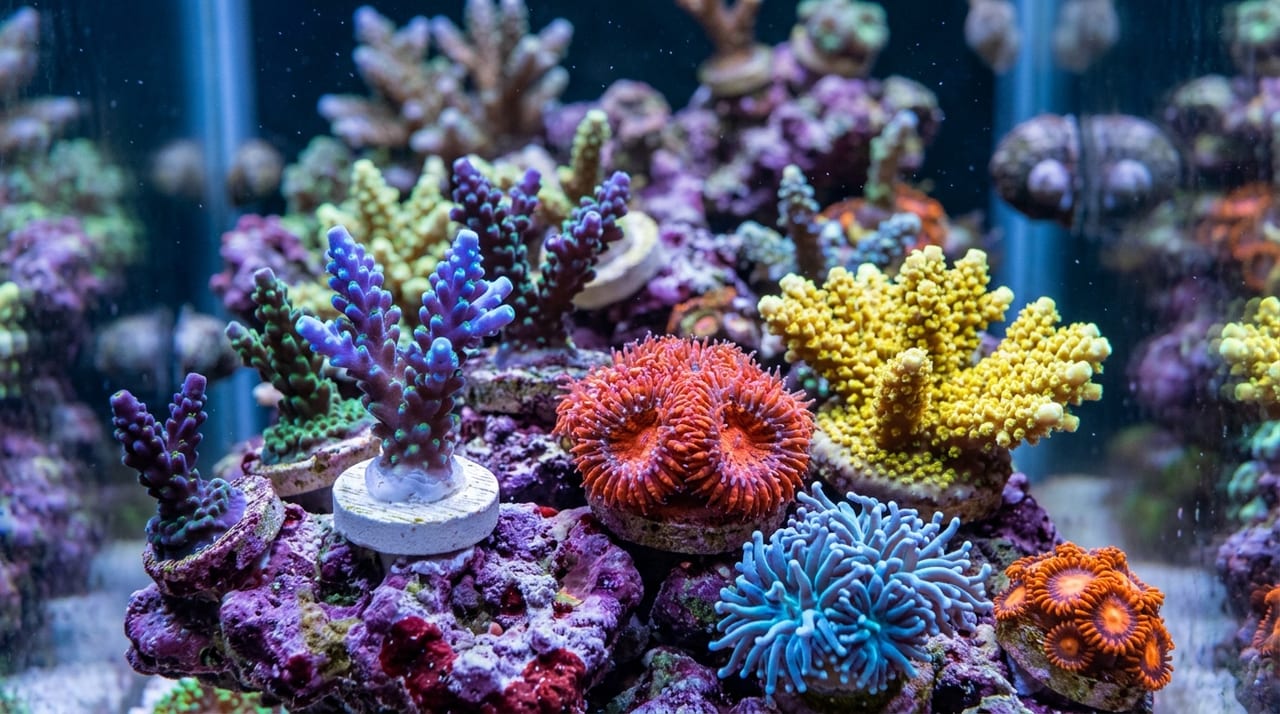
Timing the Cut: Avoid cutting during daylight when polyps are open; perform the cut at night or after dimming to minimize stress. SPS (small polyp stony) corals are especially sensitive, so use clean scissors, cut quickly, and minimize air exposure.
Attachment and Adhesion: After ensuring a clean, smooth cut, apply a small amount of cyanoacrylate to the plug and press the frag into place. Gel-type instant adhesive cures underwater and is commonly used. After attachment, place it in low-flow area and check for establishment within 1–2 weeks.
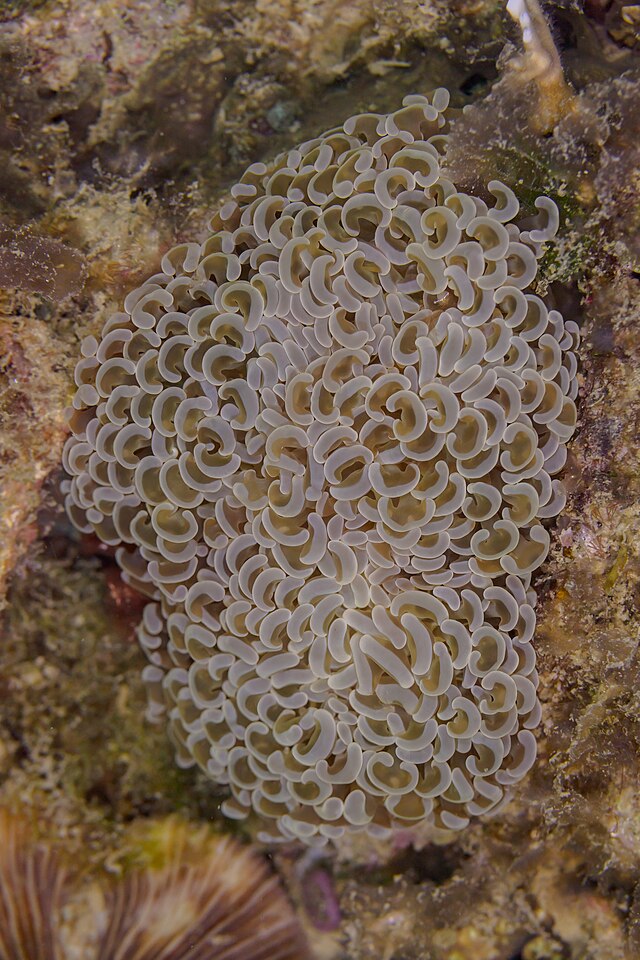
Fragging LPS (Large Polyp Stony) Corals: For hammer corals and Euphyllia species, cut the skeleton between polyps with bone scissors. Since mucus is released from the cut, rinse with diluted iodine seawater or treat with frag dip to prevent pathogen entry.
Fragging Soft Corals: Xenia and mushroom corals (Sarcophyton) are separated with a knife and typically secured to a rod using binding thread, which aids establishment.
Ensuring Genetic Diversity
Tank-kept corals risk losing genetic diversity when clones from the same colony are distributed. To prevent this, it's important to collect and exchange multiple genetic variants from different origins and breeders.
Particularly for SPS such as Acropora, heat tolerance and water quality adaptation vary by origin. Maintaining multiple genetic variants serves as "insurance" against climate change.
Frag swaps within the community are the easiest way to increase genetic diversity. By participating in online forums or local coral enthusiast events and exchanging frags from your colonies with other hobbyists, both parties benefit from richer genetic variety.
Identifying Aquacultured Corals
Corals on the market fall into three categories: wild-collected, mariculture (ocean-farmed), and aquacultured (tank-bred).
Type
Characteristics
Wild-collected
Harvested from reefs, naturally attached to base rock. Takes time for adjustment to tank conditions.
Mariculture
Raised in ocean farms in Indonesia and Southeast Asia. Intermediate between wild and aquacultured. Lower environmental impact than wild.
Aquacultured (Frags)
Propagated in tanks. Usually sold on plugs. Higher price but excellent tank adaptation.
When purchasing, confirm with the shop or breeder that the coral is TR (tank-raised), aquacultured, or frag stock. Reputable breeders keep and disclose records of origin, frag source, and cultivation history.
Toward Sustainable Trading
Purchasing coral frags directly from breeders is the most accessible way to support sustainable reef conservation. In Japan, you can now obtain frags from individual breeders through breeder markets such as BreederDirect.
Nonprofits such as CORAL (US) and REEFuture Japan operate "bank and release" projects that accept endangered coral frags and transplant them to natural reefs when conditions permit. The idea that your tank serves as a coral reef "bank" brings great meaning to the hobby.
Captive propagation offers not just technical enjoyment but also concrete action to preserve reefs for future generations. By actively participating in the frag-trading community and pursuing breeding practices that respect genetic diversity, you can enjoy coral keeping at a deeper level.