The Appeal of Dog Swimming and Water Dog Sports
Dog swimming is far more than a summer pastime—it's a serious form of exercise utilizing low-impact, full-body movement for rehabilitation, weight loss, and muscle strengthening. In recent years, "dog water sports" have become increasingly competitive, with activities like dock diving (competing in jump distance) and canine water running (swimming underwater with your dog) offering diverse ways to participate.
Dog Breeds Best Suited for Swimming
Some dog breeds naturally love swimming while others struggle with it.
Breeds that excel at and enjoy swimming
- Labrador Retrievers and Golden Retrievers (instinctive swimmers originating from water environments)
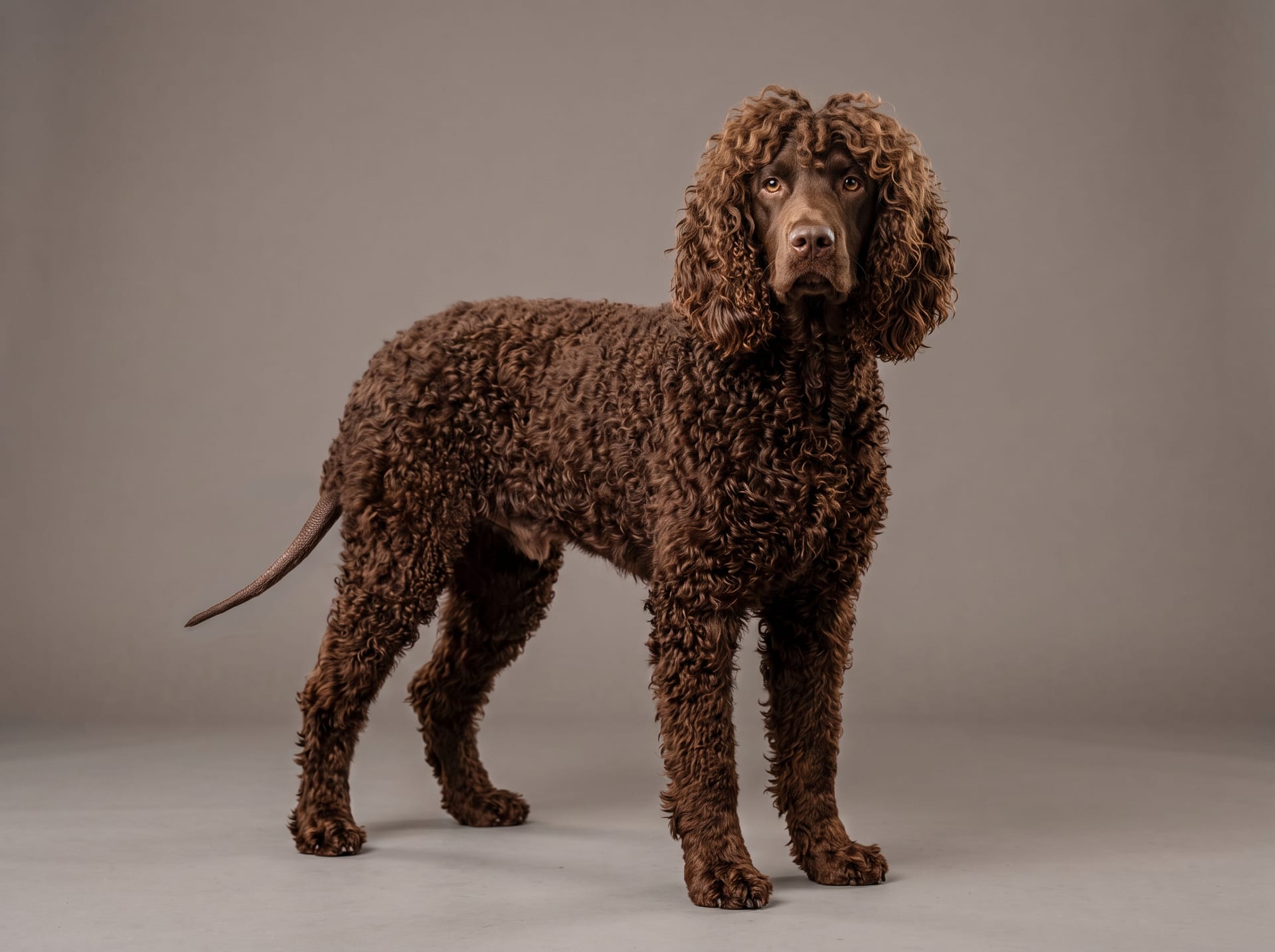
- Irish Water Spaniels and Portuguese Water Dogs
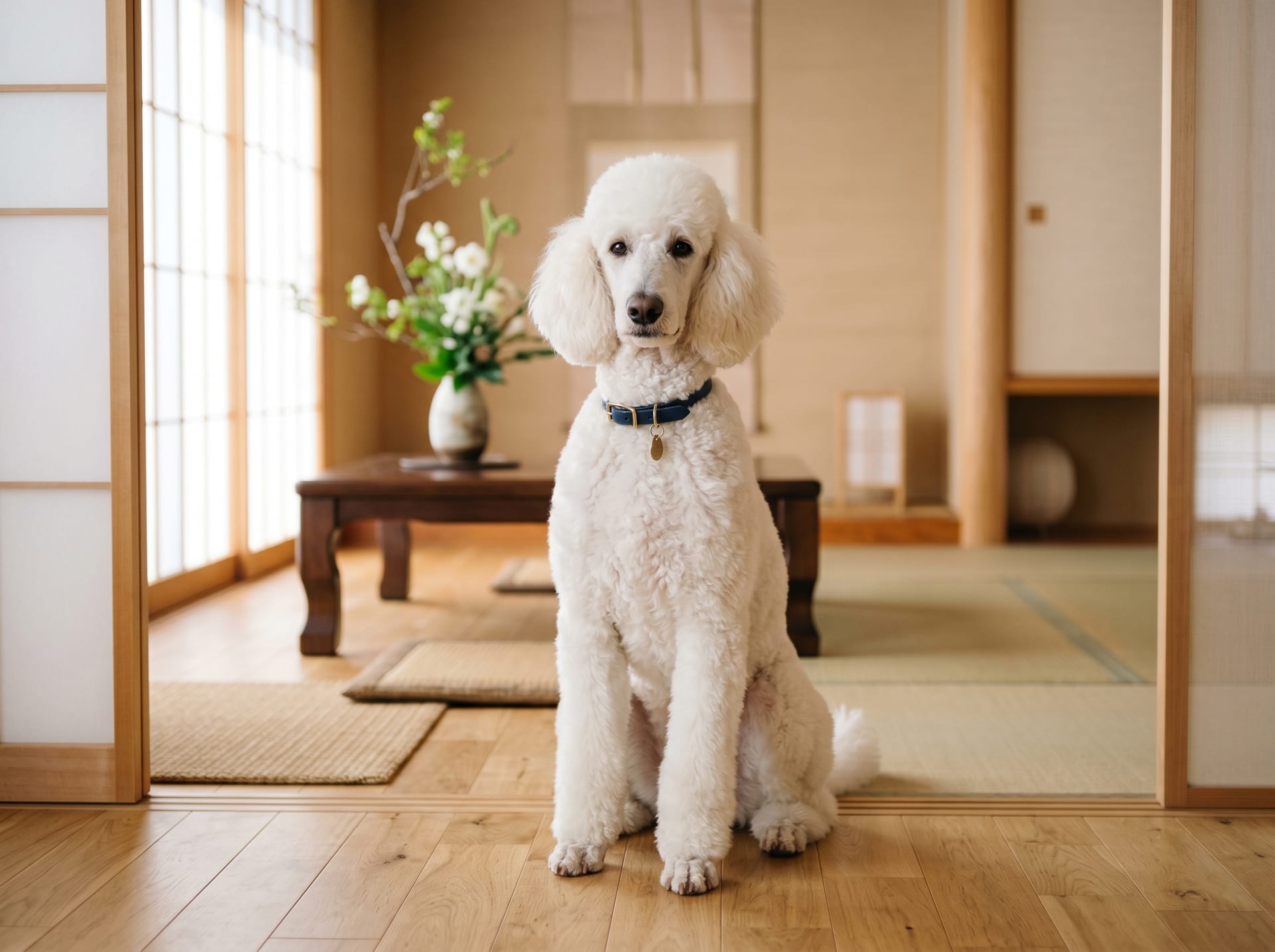
- Standard Poodles (poodles were originally water bird retrieval dogs)
- Siberian Huskies and Alaskan Malamutes
Breeds that struggle with swimming and require caution
- Bulldogs, French Bulldogs, Pugs and other brachycephalic breeds (risk of breathing difficulties, body shape makes swimming difficult)
- Dachshunds and Basset Hounds (long body, short legs)
- Chihuahuas, Pomeranians and other toy breeds (high risk of drowning)
- Brachycephalic breeds in general are strongly recommended to wear life jackets even during water play
Introducing Your Dog to Swimming: A Step-by-Step Approach
Gradual, stress-free introduction is crucial to prevent your dog from developing a fear of water.
Step 1: Getting comfortable with water (starting in shallow pools or riverbanks)
- Begin in shallow areas where your dog's feet can touch the ground
- Never force your dog into the water—wait for them to enter voluntarily
- Place favorite toys at the water's edge to encourage them to retrieve them
- Start with just wading; each session should end on a positive note
Step 2: Practicing in shallow water
- Have your dog walk in water at ankle to knee depth
- Wade in first and call your dog encouragingly
- Praise enthusiastically and offer treats once they enter the water
- Build confidence gradually
Step 3: Transitioning to deeper water
- Fit your dog with a life jacket before moving to deeper water
- Support their body while allowing them to experience floating
- Encourage hind leg movement while observing their front leg paddling (most dogs instinctively begin swimming)
- Keep initial sessions short—2 to 3 minutes—ending before fatigue sets in
Types of Dog Water Sports
Dock Diving
A competitive sport where dogs jump from a dock, competing in distance and height.
- Big Air Division: Competing in horizontal jump distance
- Extreme Vertical Division: Competing in height achieved
- Speed Retrieve Division: Racing against time to retrieve toys
Dock diving competitions have grown in Japan, with training facilities expanding nationwide.
Hydro Surfing
A sport where dogs ride surfboards alongside their owners or independently. Dogs with excellent balance such as Golden Retrievers and Labradors excel at this activity.
Aqua Agility
Water-based agility where dogs navigate obstacles submerged in water. Joint impact is significantly reduced compared to land-based activities, making this valuable for senior dogs or those with knee and back problems undergoing rehabilitation.
Safety Management for Swimming and Water Sports
Life Jackets Are Essential
- Always require life jackets for brachycephalic breeds, small dogs, and swimming beginners
- Even experienced swimmers should wear jackets in deep open water
- Models with handles are easier for emergency retrieval
Water Safety Checks
- Avoid fast-flowing rivers and ocean currents—these carry high drowning risks for beginners
- Avoid ponds and lakes with blue-green algae (cyanobacteria) blooms, which are toxic to dogs
- Always rinse with fresh water after ocean swimming and dry the inside of the ears
Ear Care (Preventing Outer Ear Infections)
Ear infections commonly develop after swimming.
- After swimming, gently dry ears with gauze or tissue rather than cotton swabs, focusing on the ear canal entrance
- Use specialized ear-drying spray
- Pay special attention to floppy-eared breeds (Cocker Spaniels, Golden Retrievers, etc.)
- If your dog scratches ears frequently, shakes their head, or has foul odor, visit a veterinarian
Sun Exposure and Heat Stroke
Summer water activities outdoors carry heat stroke risks.
- Avoid water play between 10 a.m. and 3 p.m. in direct sunlight
- Move to shade immediately after exiting the water
- Provide plenty of fresh drinking water
- If breathing is labored or your dog appears lethargic, suspect heat stroke—cool their body with water and seek immediate veterinary care
Health Benefits of Swimming
Swimming creates only 1/3 to 1/4 of the joint impact of land-based exercise.
- Dogs with hip dysplasia or osteoarthritis: Water walking provides rehabilitation benefits
- Overweight dogs: Swimming burns calories, improving obesity
- Post-surgical rehabilitation: Aquatic treadmills at veterinary clinics aid recovery after procedures like anterior cruciate ligament repair
However, swimming may not be recommended for dogs with certain health histories or joint conditions. Consult your veterinarian before swimming with dogs that have underlying health issues.
Tips for Selecting Water-Loving Breeds from Breeders
If you want to enjoy swimming and water sports, it's crucial to select puppies after confirming the parents' temperament and water responsiveness.
- Ask breeders in advance whether their dogs enjoy water play and how they respond to water
- Puppies from parents with positive water engagement tend to have higher swimming aptitude
- Breeders specializing in water retriever lineages (Labs, Goldens, etc.) are often knowledgeable about swim training
- Early exposure to positive water experiences during the socialization period (2-4 months old) prevents the development of water aversion
Swimming and water dog sports offer an activity where dogs and their owners can enjoy quality time together, deepening the bond you share. Prioritize safety, respect your dog's pace, and explore the world of water together.