Dog Sleep Guide | Healthy Sleep Duration, Signs of Sleep Disorders, and How to Create a Restful Sleep Environment
From average dog sleep duration and age-specific sleep requirements to snoring, dream behavior, REM sleep movements, separation anxiety, nighttime barking, and how to identify sleep disorders—this guide explains it all. We also introduce how to choose a sleep bed for restful sleep and how to establish a bedtime routine.

Key Takeaways
From average dog sleep duration and age-specific sleep requirements to snoring, dream behavior, REM sleep movements, separation anxiety, nighttime barking, and how to identify sleep disorders—this guide explains it all. We also introduce how to choose a sleep bed for restful sleep and how to establish a bedtime routine.
Related Species
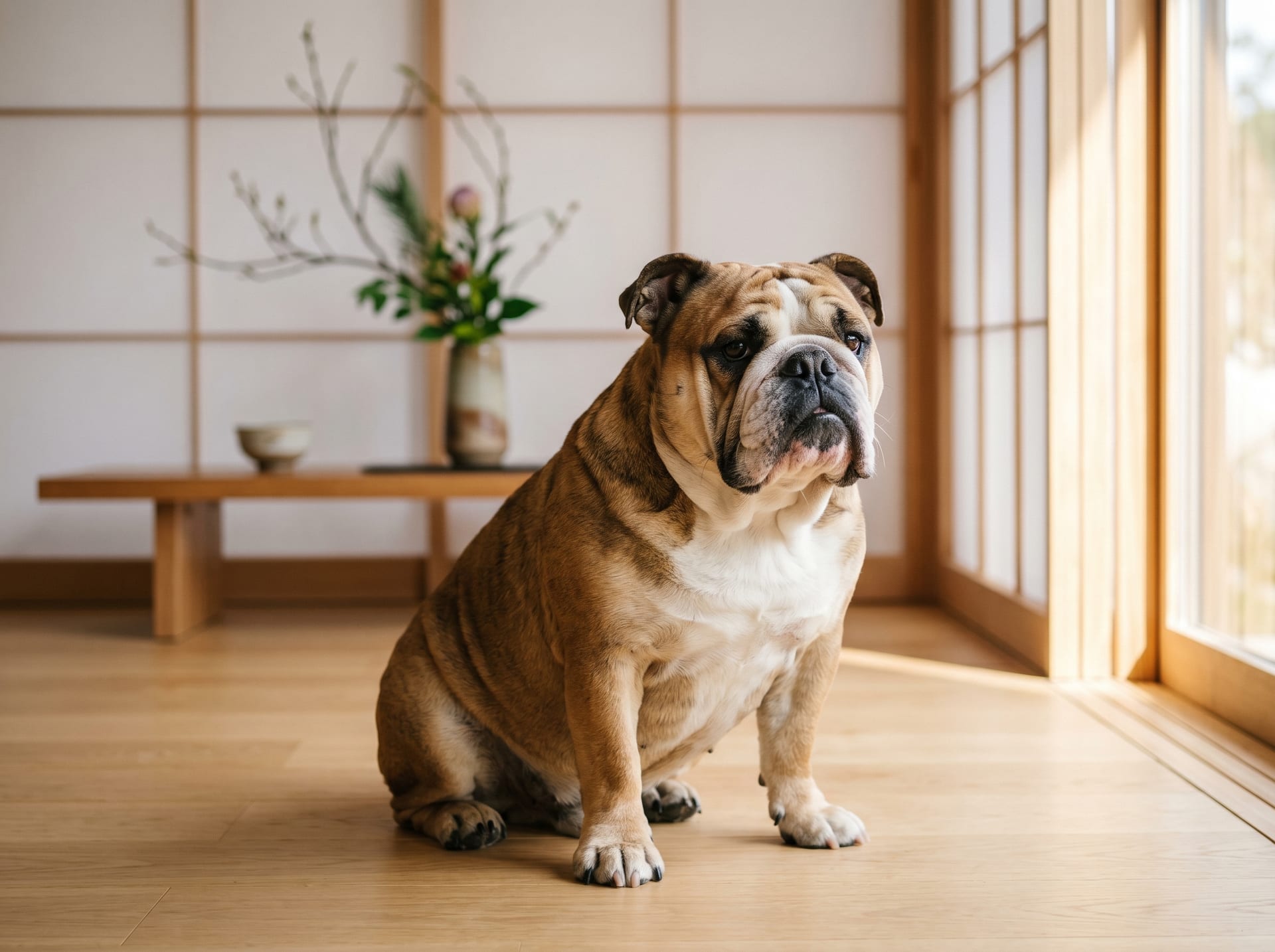
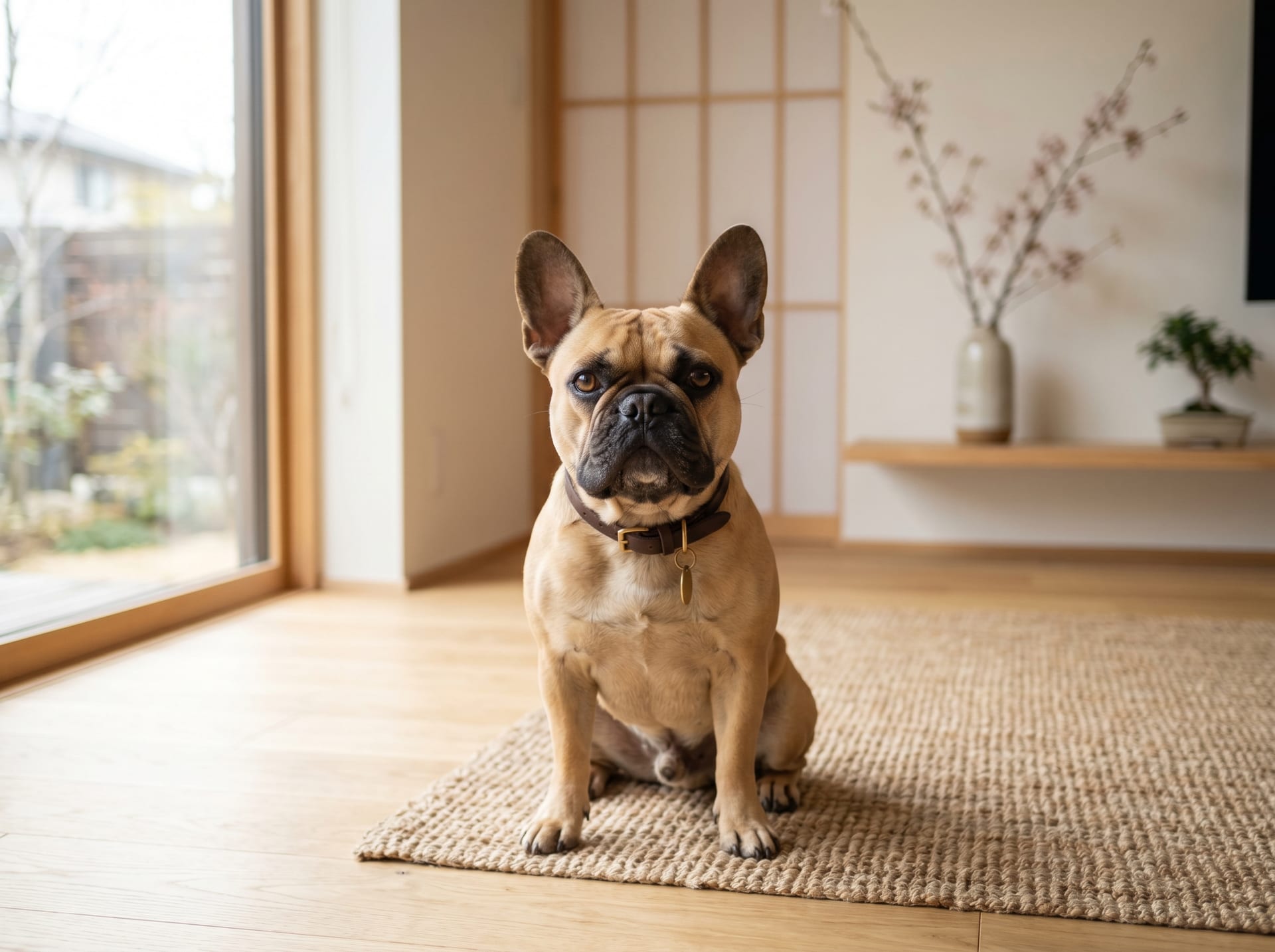
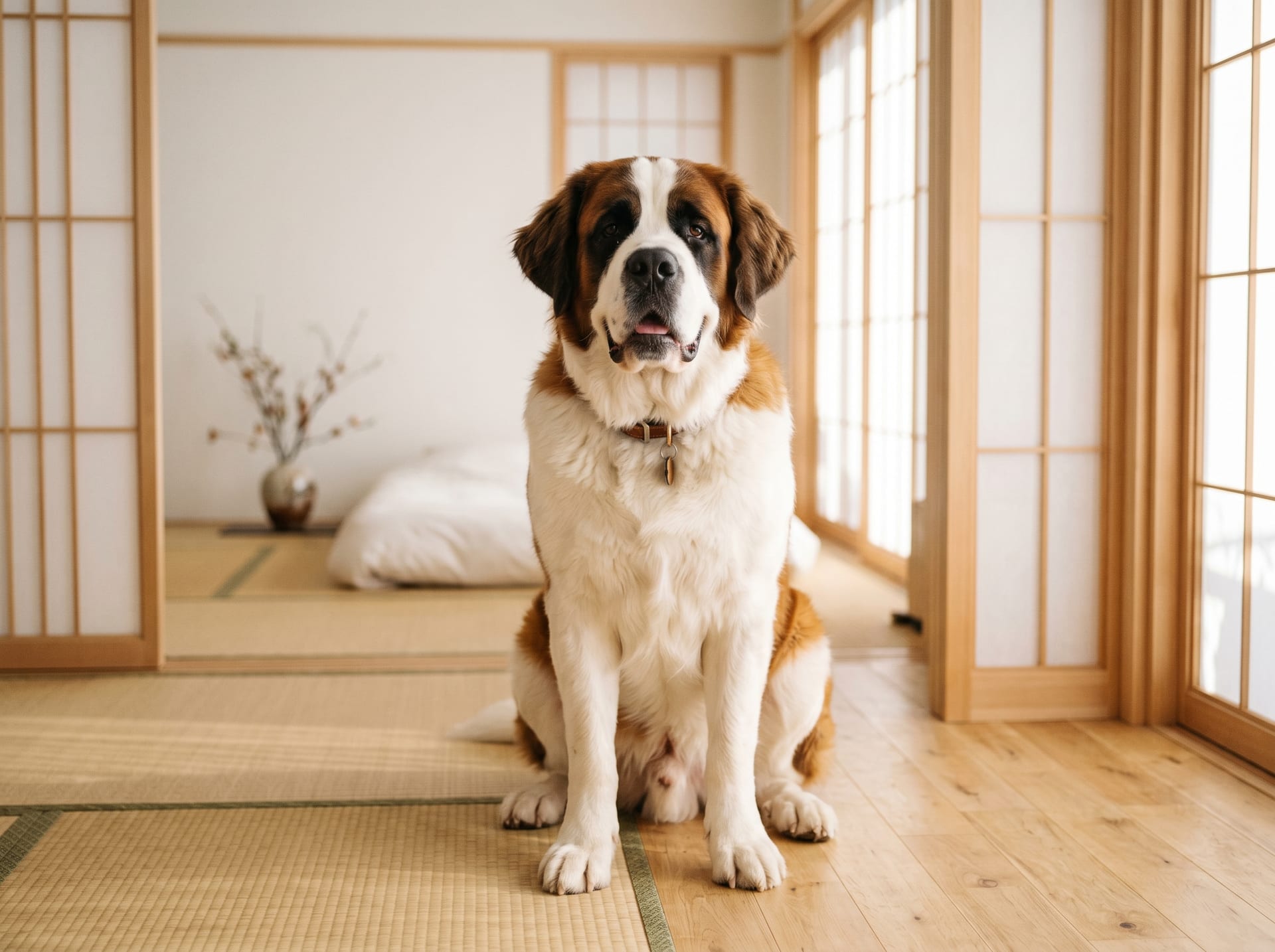

Why Do Dogs Sleep So Much?
Adult dogs sleep an average of 12-14 hours per day, while puppies and senior dogs may sleep 18-20 hours or more. Compared to humans (7-9 hours for adults), this is significantly longer sleep, but this is because dogs have shorter and shallower sleep cycles.
Dogs' sleep cycle completes in approximately 45 minutes, alternating between shallow non-REM sleep and deep REM sleep. Because this is about half the length of a human sleep cycle (approximately 90 minutes), dogs need more sleep cycles to achieve a sense of recovery.
Recommended Sleep Duration by Age
| Age | Average Daily Sleep Duration |
|---|---|
| Puppies (0-6 months) | 18-20 hours |
| Adult Dogs (1-7 years) | 12-14 hours |
| Senior Dogs (7 years and older) | 14-18 hours |
Large breed dogs tend to sleep longer than small breed dogs. It is not uncommon for Saint Bernards and Great Danes to sleep 16-18 hours per day.
Do Dogs Really Dream?
When dogs enter REM sleep, their limbs may twitch, they may whimper softly, and their mouths may move. These are signs that they are dreaming.
Research using MRI (conducted at MIT and Harvard University) has confirmed that patterns of behavior rats experienced during the day are reproduced as neural activity during sleep, and similar phenomena are believed to occur in dogs.
Normal Behaviors During REM Sleep
- Limbs twitching (running dream)
- Soft whimpering or barking (playing dream)
- Eyes moving while closed
- Shallow and irregular breathing
These are all normal behaviors. Avoid waking them abruptly as they may be startled and bite. Simply watch quietly.
Don't Miss the Signs of Sleep Disorders
If you notice the following changes in your dog's sleep, there may be an underlying problem.
Waking Up Repeatedly During the Night
This could be due to frequent urination from kidney disease, diabetes, or prostate enlargement, pain from arthritis or other conditions, or sleep rhythm disturbances from cognitive dysfunction syndrome (CDS). If your senior dog begins wandering or crying at night, consult a veterinarian promptly.
Sudden Sleep Onset (Narcolepsy)
If your dog suddenly collapses into sleep right after excitement or during meals, narcolepsy (excessive daytime sleepiness) may be the cause. This condition is hereditary and is more common in Labradors and Dachshunds.
Changes in Snoring
Brachycephalic breeds (French Bulldogs, Pugs, Shih Tzus, etc.) are structurally prone to snoring. However, if a dog that normally doesn't snore suddenly starts snoring, or if snoring becomes intense enough to wake them at night, sleep apnea syndrome, nasal cavity issues, or airway obstruction due to obesity should be suspected.
Extreme Changes in Sleep Duration
Hypothyroidism (lethargy and drowsiness), hyperthyroidism (agitation and inability to sleep), anemia, infections, or depression may be underlying causes. If you notice sudden changes, consider having your dog examined at an animal hospital.
Separation Anxiety and Sleep
Dogs with separation anxiety may become anxious when their owners go to bed and they are left alone, leading to continuous barking at night or destructive behavior.
Characteristics of Sleep Disorders Caused by Separation Anxiety
- Barking begins when the owner enters the bedroom
- Waking up repeatedly during the night and scratching at the door
- Barking and waking you at 4-5 AM
The basic approach is "gradual habituation to alone time." Build up short periods of separation practice during the day to help your dog develop confidence that they can be alone. For severe cases, consider consulting an animal behaviorist or behavior therapist.
How to Create an Environment That Promotes Restful Sleep
Choosing the Right Bed
A dog's bed should be large enough to accommodate their entire body when curled up. For senior or large breed dogs, memory foam or orthopedic mats help reduce joint strain.
Characteristics by Material
| Material | Features | Recommended For |
|---|---|---|
| Memory Foam | Pressure distribution, joint-friendly | Senior dogs, large breed dogs, dogs with arthritis |
| Cotton/Polyester | Lightweight, easy to wash | Puppies, small breed dogs |
| Cooling Gel | Cooling for summer, heat regulation | Brachycephalic breeds, long-haired breeds |
| Built-in Heater | Winter warmth | Dogs in cold climates, senior dogs, post-recovery |
Bed Temperature and Location
The ideal sleeping temperature is around 18-22°C (64-72°F). Avoid areas with direct air conditioning, direct sunlight, or drafts from hallways. Dogs prefer to sleep near their owners, so the bedroom or a quiet area near the bedroom is best.
Bedtime Routine
Establishing a consistent bedtime routine helps regulate your dog's circadian rhythm and promotes smooth sleep onset.
- Light walk 1-2 hours before bedtime: Moderate exercise aids sleep onset
- Avoid eating and drinking 30 minutes before bedtime: Prevents digestive activity and frequent urination
- End toys and exciting games 1 hour before bedtime: Allows the sympathetic nervous system to calm down
- Guide to bed and say "goodnight": Helps them learn this as a routine
Summary: Dog Sleep and Health Are Deeply Connected
Adequate sleep is essential for dogs to maintain immune function, consolidate memories, and secrete growth hormones. Rather than thinking "a dog that sleeps a lot is lazy," it's important to understand that "a dog that sleeps well is a healthy dog."
If you notice sudden changes in sleep patterns, abnormal snoring, or repeated night wakings, consult a veterinarian promptly to identify the underlying cause. Creating a restful sleep environment is an investment that greatly improves your dog's quality of life (QOL).