Introduction to Dog Nose Work | Scent-Based Enrichment Games and Training Methods
Explanation of how to get started with dog nose work. Introduction of basics of scent training, games you can play at home, necessary tools, and practice methods by level.
Key Takeaways
Explanation of how to get started with dog nose work. Introduction of basics of scent training, games you can play at home, necessary tools, and practice methods by level.
Related Species
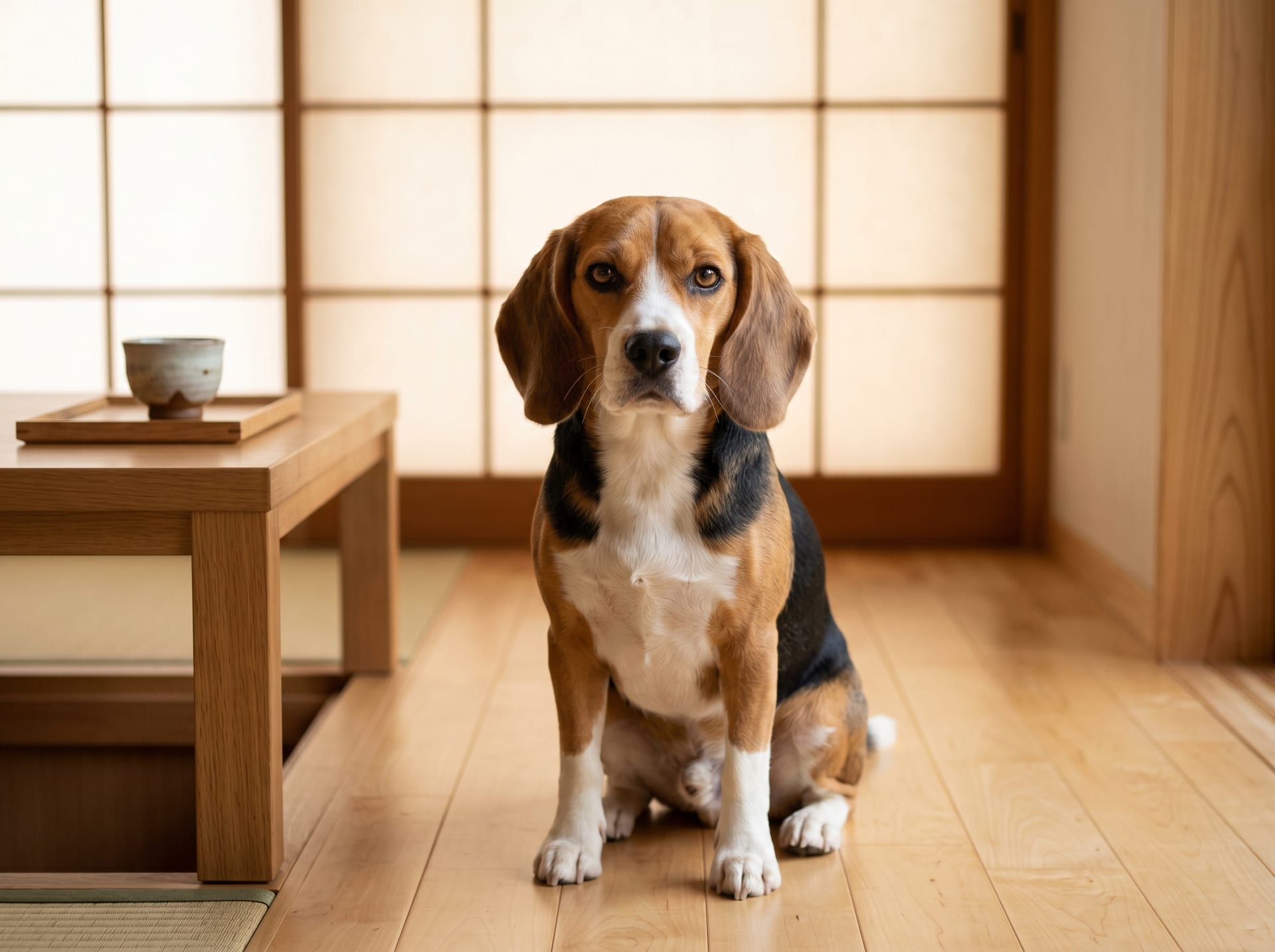
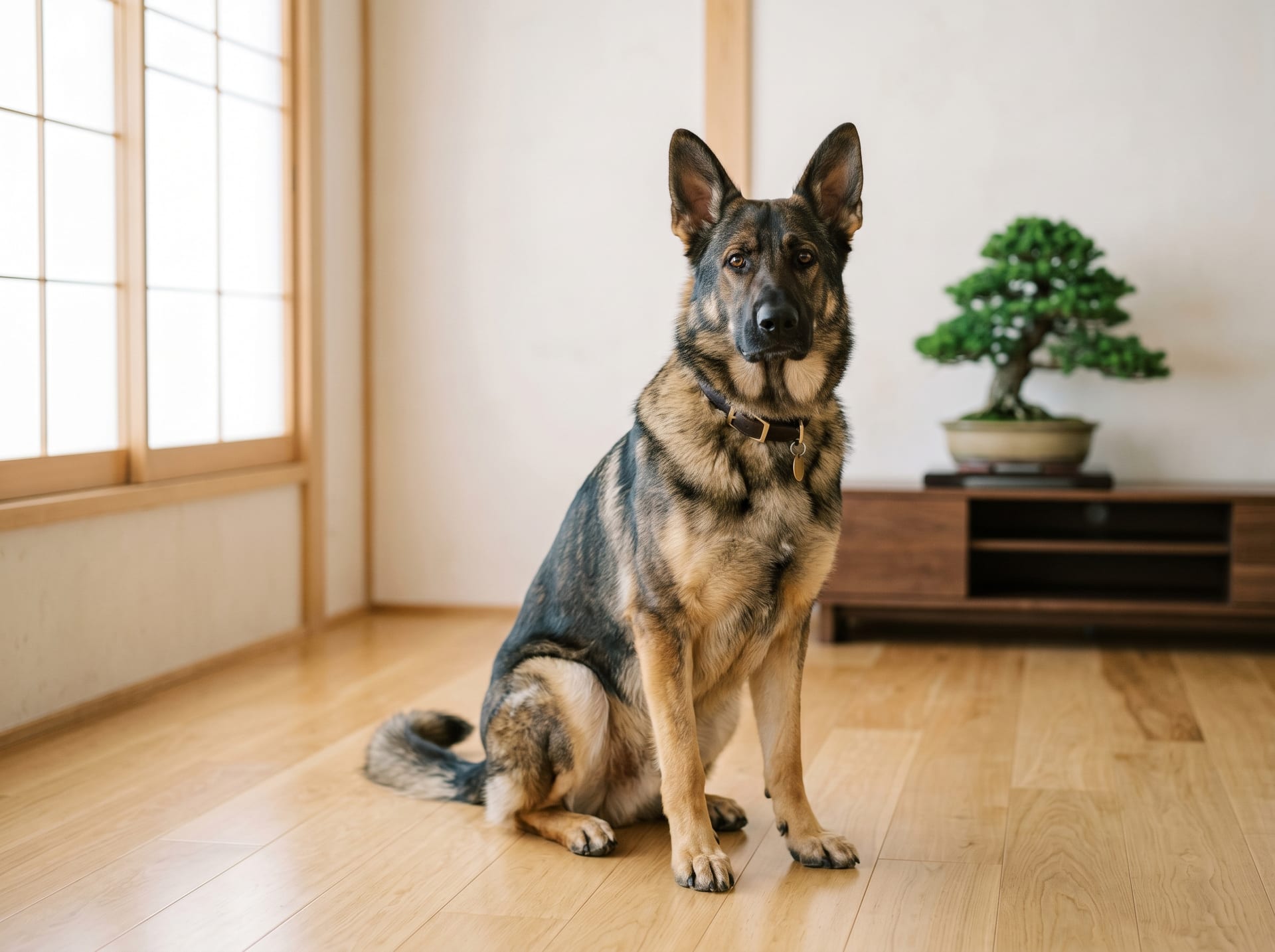
Nose work is a general term for enrichment games and training that utilize a dog's excellent sense of smell. A dog's nose is said to have olfactory abilities thousands to one hundred million times greater than that of humans, and activities that leverage this instinct provide dogs with great mental satisfaction. This article explains the appeal of nose work and how to get started—whether as an alternative to exercise on rainy days or as brain training for senior dogs.
Effects of Nose Work on Dogs
The greatest benefit of nose work is mental fulfillment for dogs. For dogs, olfaction is the most important sense, and the behavior of exploring scents brings instinctive satisfaction. According to research, 15 minutes of nose work has stress-relief effects equivalent to 30 minutes of walking. Even in situations where vigorous physical exercise is difficult, scent-based activities can fulfill a dog's needs.
It's also effective for building confidence. Even for dogs that are fearful or prone to anxiety, nose work can be pursued at their own pace, making it easy to accumulate success experiences. The sense of achievement from "I found it!" builds the dog's confidence, and many cases have been reported where dogs become calmer in daily life.
For senior dogs, nose work is an extremely valuable activity. Even as vision and hearing decline with age, the sense of smell is maintained relatively well, so dogs can enjoy it even at an advanced age. Brain-using activities also show promise for slowing cognitive decline.
It also helps reduce problem behaviors. Barking from boredom, destructive behavior, and excessive licking are often caused by insufficient mental stimulation, and improvements can sometimes be seen by fulfilling intellectual needs through nose work.
Getting Started with Nose Work at Home: Level 1 (Beginner)
No special tools are needed to get started with nose work. First, let's begin with simple games using items you have at home.
"Treat searching" is the most basic nose work. Have your dog wait in another room, then place 1-2 treats in an easy-to-find spot in the living room (on the floor, at the edge of the sofa, etc.). Call your dog back and encourage them to search with the command "Find it!" At first, it's okay to let your dog watch you place the treats. When they find them, give lots of praise.
The paper cup game involves hiding a treat under one of three paper cups and having your dog use their sense of smell to guess which cup it's under. The dog wins by nosing the cup over or using their front paw to flip it and find the treat. At first, place the treat in front of your dog's eyes, and once they're used to it, set it up without showing them.
The towel roll involves laying out a face towel, placing several treats on top, and rolling it up tightly. The dog searches for treats by using their nose and front paws to unroll the towel. You can adjust the difficulty level by how tightly you roll it—a loose roll is easier, a tight roll is more difficult.
Level 2: Increasing the Difficulty
Once your dog is familiar with the basic games, gradually increase the difficulty.
The muffin tin game involves placing treats in several holes of a muffin tin (one with 6-12 holes) and covering all the holes with tennis balls. Your dog uses their sense of smell to identify which holes contain treats, then uses their nose or paws to remove the balls and find them. Start by placing treats under all the balls, and as your dog gets the hang of it, reduce the number of treats to strengthen the discrimination element.
Cardboard box nose work involves placing multiple cardboard boxes of different sizes around the room with treats in only one. Your dog sniffs from box to box and finds the one with treats. You can increase the difficulty by closing the box lids or placing smaller boxes inside them.
Nose work on a walking route is also effective. Have your dog wait in a safe area of a park, then hide multiple treats in grass or around tree roots. When you give the "Find it!" command, it becomes an advanced challenge for your dog to distinguish target scents in the complex outdoor scent environment.
Using Specialized Nose Work Tools
For more serious nose work, using specialized tools expands the range of enjoyment.
A snuffle mat is a mat with densely packed folds of fleece material in which treats are hidden for the dog to find. Watching a dog bury their nose in the folds while searching is extremely endearing, and using a snuffle mat to serve food instead of a regular bowl serves both as slow-feeding prevention and enrichment.
Puzzle feeders (or puzzle toys) combine various mechanisms such as sliding, rotating, and drawer-style, and are toys where dogs use their sense of smell and intelligence to extract treats. Most come with difficulty levels that allow for gradual challenges. Kong toys filled with frozen paste food are also popular as nose work toys that provide long-lasting enjoyment.
In formal nose work competitions, the method used is to hide cotton swabs soaked with specific essential oils (such as birch or anise) in metal containers and have dogs search for that scent. Training to find specific scent substances rather than treat odors utilizes a dog's sense of smell at an even higher level and is recommended for those aiming to participate in competitions. If you're interested in developing nose work into dog sports, the Introduction Guide to Dog Agility and Dog Sports is also helpful.
Progressive Nose Work Training
Level 1: Beginner (Introduction to Scent)
- Hold a treat in your hand in front of your dog and place it on the floor
- When your dog touches your hand with their nose, say "Yes!" and release the treat
- Next, have your dog choose based on scent alone without showing what's in your hand (have them guess which hand the treat is in)
Level 2: Indoor Search
- Have your dog wait in another room
- Hide 3-5 treats in easy-to-find spots in the room (under chairs, on top of cushions)
- Call your dog and have them search with the "Find it!" command
- Give lots of praise when they succeed
Level 3: Outdoor Search & Essential Oils
In nose work competitions, training involves searching for the scent of specific essential oils (such as birch, anise, or clove). While advanced, it's an excellent way to bring out your dog's olfactory abilities to the fullest.
Precautions and Tips for Nose Work
There are several precautions to keep in mind when enjoying nose work. First, keep each session (one practice) to around 10-15 minutes. Activities that intensively use the sense of smell mentally fatigue dogs, and overdoing it for long periods can cause stress. End while your dog is still enjoying themselves, leaving them wanting more, and their motivation for the next session will be maintained.
It's also important not to let your dog fail too much. The goal of nose work is to give dogs success experiences, and raising the difficulty too quickly can lead to disappointment and loss of motivation. Adjust the difficulty so that the success rate is around 70-80%. It's fine to give subtle hints when your dog is stuck.
For dogs with food allergies, pay attention to the ingredients in the treats used. Since dogs may consume a large amount of treats during nose work, choosing low-calorie treats or setting aside part of their daily food for nose work makes it easier to manage total calorie intake.
At BreederDirect, you can meet dogs directly from breeders who are knowledgeable about dog personalities and behavioral traits. If you're considering breeds with particularly excellent sense of smell (such as Beagles, Labrador Retrievers, or German Shepherds), nose work is a good match, and it's worth consulting with the breeder about play methods from the puppy stage. If you're currently considering which breed to welcome, the Dog Breed Selection Guide is also helpful, and you can check whether the breed will enjoy scent games.