Dog Agility and Dog Sports Beginner's Guide | Disciplines, Training, and How to Participate in Competitions
A beginner's guide to starting dog sports, including dog agility. This comprehensive guide covers the overview of disciplines such as hurdles, weave poles, and tunnels, home training steps, dog breeds suited for the sport, and how to participate in competitions—everything you need to enjoy the sport that deepens the bond with your beloved dog.
Key Takeaways
A beginner's guide to starting dog sports, including dog agility. This comprehensive guide covers the overview of disciplines such as hurdles, weave poles, and tunnels, home training steps, dog breeds suited for the sport, and how to participate in competitions—everything you need to enjoy the sport that deepens the bond with your beloved dog.
What is Dog Agility?
Agility is a sport where the handler (owner) runs the course while guiding the dog to accurately pass through obstacles. Pairs compete on the combined score of time and faults, with those who commit fewer faults (such as knocking down poles or skipping obstacles) and complete the course faster placing higher.
✍️
BreederDirect Editorial
The BreederDirect editorial team specializes in care information for animals, covering veterinary care and breeding to deliver beginner-friendly guides.
Find Dogs on BreederDirect
Buy directly from verified breeders
Browse Related Listings
Find Dogs listings related to this article on BreederDirect. Buy directly from verified breeders.
The sport originated in the United Kingdom in the 1970s and is now enjoyed worldwide. In Japan, the Japan Kennel Club (JKC) sanctions agility as an official competition, offering multiple levels ranging from the beginner "Starters Class" to the professional-grade "Champion Class."
Beyond agility, several other dog sports are enjoyed domestically:
Sport
Characteristics
Agility
Obstacle course competition based on time and accuracy
Flyball
Ball-retrieving relay competition
Obedience
Testing precision of obedience training
Tracking
Following a scent trail using sense of smell
Herding
Herding dogs guiding sheep
This article focuses on agility and explains the progression from beginner to advanced levels.
Main Agility Disciplines and Obstacles
Basic Types of Obstacles
Hurdle (Bar): Jump over a horizontal bar. The bar height is set according to the dog's shoulder height
Tunnel (Open): Pass through a cloth or rigid tube
Collapsible Tunnel: The entrance is rigid but the exit is covered with cloth that the dog must burst through
Weave Poles (Slalom): Navigate through 12 poles in a serpentine pattern. This obstacle takes the longest to master
Dog Walk: Continuous low-high-low boards (the dog must place its front paws in the "contact zone" at entry and exit)
A-Frame (Seesaw): Climb up and down an A-shaped obstacle
Table: Stop on the table for 5 seconds
A typical course contains 12 to 20 obstacles that must be navigated in the specified order. Skipping obstacles or taking them in the wrong order results in faults.
Dog Breeds Suited for Agility
While many dog breeds can enjoy agility, certain breeds are particularly well-suited to the sport.
Suitable Dog Breeds
Breed
Strengths
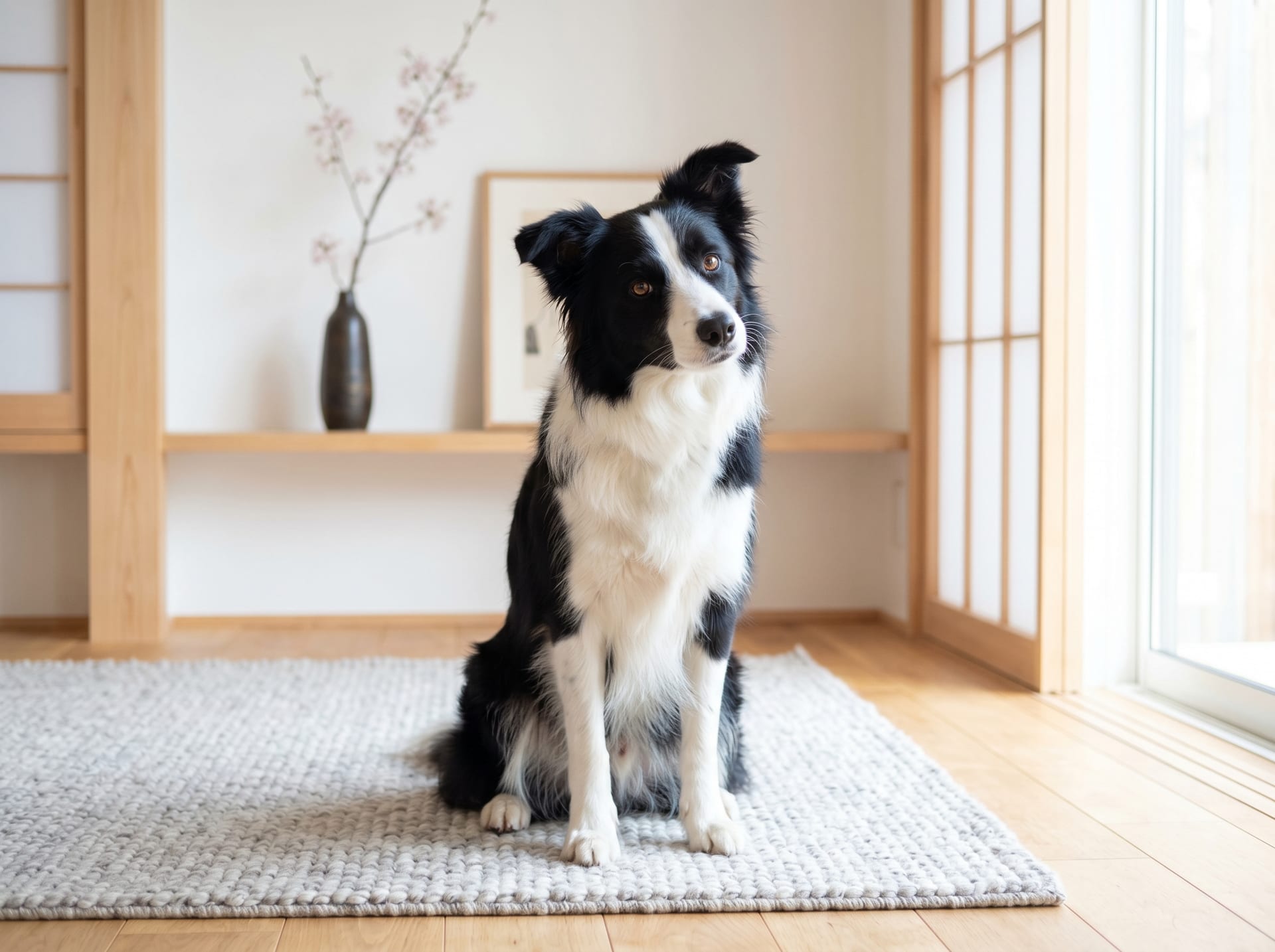
Border Collie
Outstanding reaction speed, learning ability, and endurance
Shetland Sheepdog
Small, agile, and highly focused on the handler
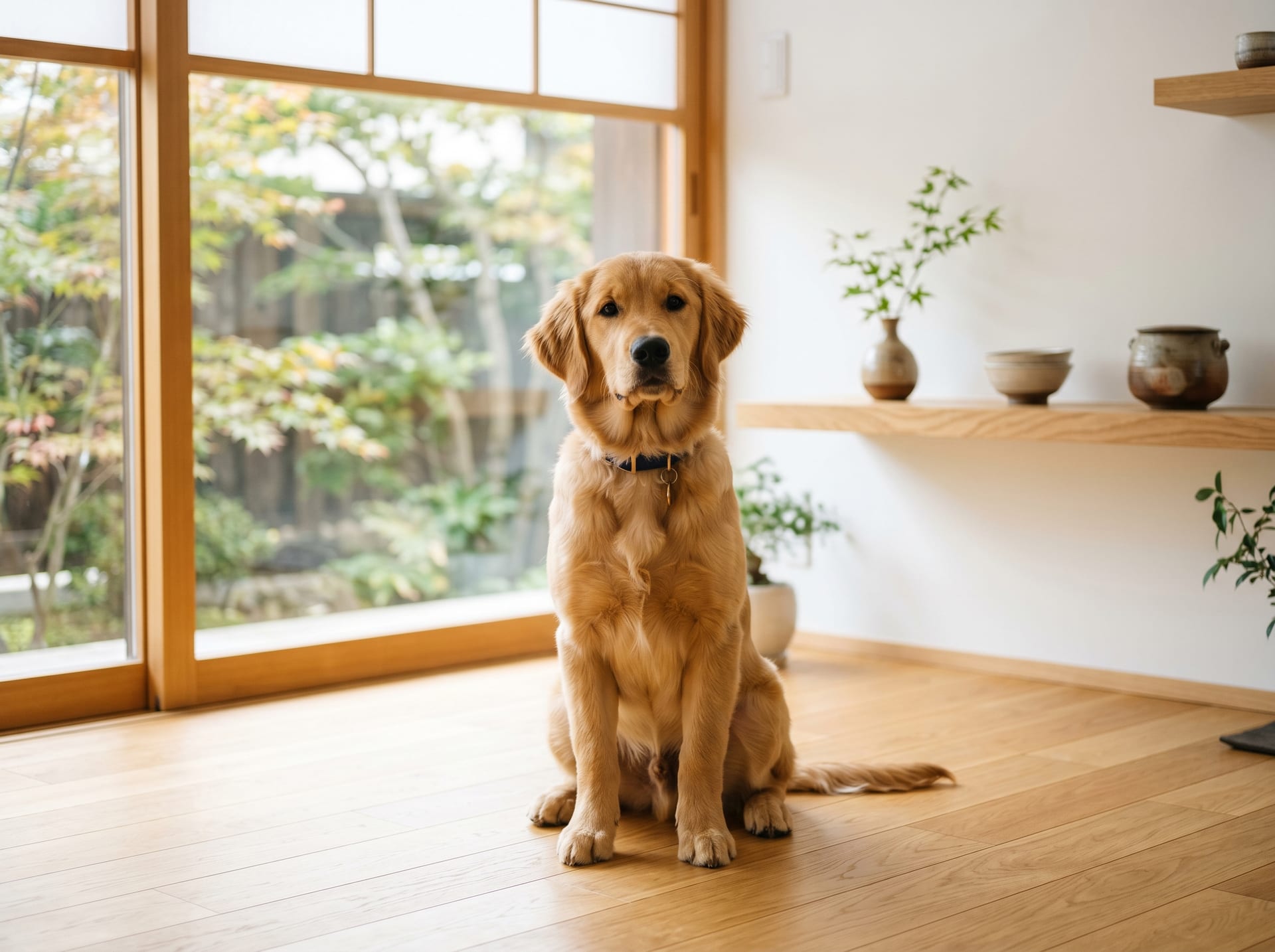
Golden Retriever
Stable movement and high obedience despite being large
Labrador Retriever
Good balance of stability and learning speed
Poodle (Standard and Miniature)
High intelligence and athletic ability
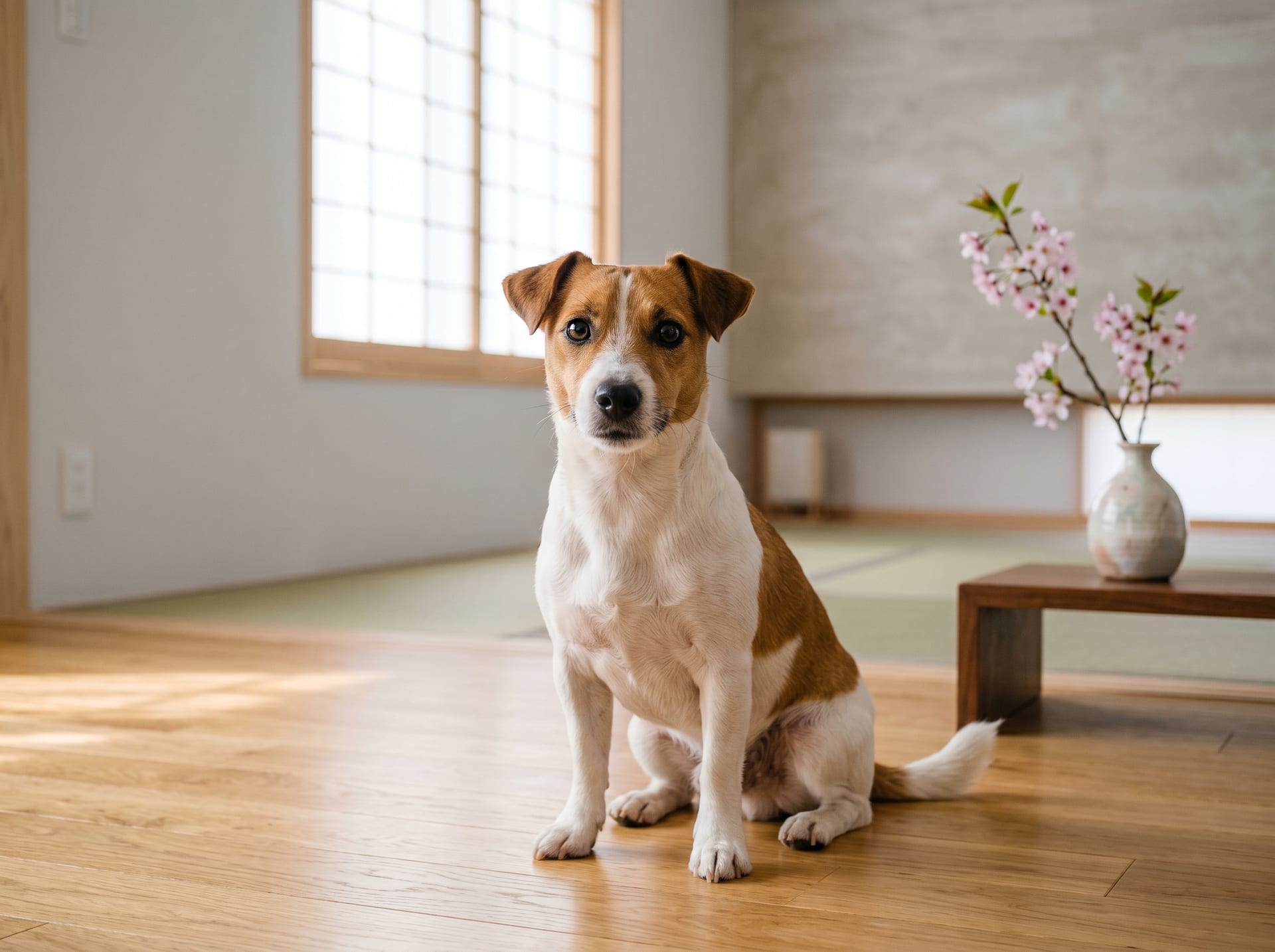
Jack Russell Terrier
Exceptional speed in the small class
However, individual temperament and health condition take priority over breed. Dogs with elbow, knee, or spinal issues should avoid jumping and contact obstacles. It is recommended to have a veterinarian assess your dog's suitability for exercise before beginning.
Home Training Steps
You can practice at home while attending agility classes. Avoid skipping steps, and building success experiences is paramount.
Step 1: Completing Obedience Training (Top Priority)
There are essential commands your dog must master before starting agility:
Reliable execution of "sit," "down," "stay," and "come" (recall)
Walking without a leash (heel)
Focus command (responding to name or eye contact)
Step 2: Starting with Low Obstacles
Have the dog step over a pole on the ground, gradually raising the height
Start with a short tunnel (under 1 meter) and gradually extend
Platforms and tables are easy to learn as extensions of everyday sitting practice
Step 3: Mastering Weave Poles
Weave poles are the most time-consuming obstacle to master. The popular "2×2 Weave Pole Method" begins with just 2 poles and gradually increases the number and adjusts the angle through staged progression. Take your time and plan to spend 3–6 months on this skill.
Step 4: Practicing Handler Skills
Running the full course quickly requires good footwork from the handler as well:
Front Cross: Positioning yourself in front of the dog to indicate the direction of the next obstacle
Rear Cross: Changing the dog's direction from behind
Shoulder Cue: Guiding the dog's path through shoulder and hand positioning
How to Participate in Competitions
Participating in JKC Agility Competitions
JKC Registration (the dog must be registered with a pedigree or as a household pet)
Join an approved club (find a local agility club in your area)
Enter the Starters Class (beginner class)
Advance to higher classes after achieving qualifying scores
There are also "Open Competitions" not affiliated with JKC and fan trials hosted by local clubs. Starting with observation to get a feel for the atmosphere is important.
Conclusion
Dog agility is a sport where coordination and trust between dog and handler determine the outcome. The greatest appeal of agility training is the deepened bond with your dog, and beyond competition, many owners enjoy it as a form of daily exercise and mental enrichment. Start by visiting a local agility club and trying a trial lesson.