Complete Dog Grooming Guide — At-Home Care Tips | ブリちょく
Dogs| ✍️ BreederDirect Editorial
Complete Dog Grooming Guide — At-Home Care Tips
At-home dog grooming guide: brushing, bathing, nail trimming, ear cleaning, and dental care by coat type.
Key Takeaways
At-home dog grooming guide: brushing, bathing, nail trimming, ear cleaning, and dental care by coat type.
Dog grooming (coat care and overall body maintenance) serves not only to keep your dog looking beautiful but also plays a vital role in preventing skin disease, performing health checks, and building trust between dog and owner. While professional groomers handle some tasks, daily care should ideally be done at home by the owner. This article covers practical tips for home grooming, from brushing to bathing, nail trimming, ear cleaning, and tooth brushing.
✍️
BreederDirect Editorial
The BreederDirect editorial team specializes in care information for animals, covering veterinary care and breeding to deliver beginner-friendly guides.
Find Dogs on BreederDirect
Buy directly from verified breeders
Browse Related Listings
Find Dogs listings related to this article on BreederDirect. Buy directly from verified breeders.
Grooming is not merely "maintenance" -- it is health management itself.
Early detection of skin problems: During brushing, you can discover lumps, rashes, fleas, ticks, and wounds
Improved circulation: The massage effect of brushing promotes healthy skin blood flow and coat growth
Prevention of mats and tangles: Left unchecked, mats pull on the skin causing pain. Severe cases can lead to dermatitis
Building trust: Acclimating puppies to grooming from an early age helps them become comfortable being touched anywhere on their body
Preparing for vet visits: Dogs accustomed to full-body handling have smoother veterinary examinations
Grooming frequency varies by breed and coat length, but ideally: brushing daily, bathing 1-2 times monthly, nail trimming every 2-3 weeks, ear cleaning weekly, and tooth brushing daily.
Brushing Basics and Techniques
Brushing is the most fundamental and important grooming activity. Learn the right tools and methods for your dog's coat type.
Slicker brush: Best for long-coated and curly breeds. Used to detangle mats. Move parallel to the skin without applying too much pressure
Pin brush: A finishing brush for long-coated breeds. Smooths the coat for a fluffy finish
Comb: For finishing after brushing and detail work around the eyes and behind the ears
Rubber brush: Best for short-coated breeds. Efficiently removes loose hair with high massage effect
Deshedding tool (Furminator): Powerful for removing undercoat during shedding season. Be careful not to overuse, as it can strip the topcoat
Brushing procedure: First brush against the grain to remove dirt and tangles at the roots. Then brush with the grain to finish
If you find a mat, do not pull it. Loosen it with your fingers first, then carefully work through with a comb. Severe mats should be cut out rather than forced.
Proper Bathing Technique
Home bathing becomes less stressful for both dog and owner when proper steps are followed.
Preparation: Brush thoroughly before bathing to remove mats and tangles. Wetting mats only makes them tighter
Water temperature: The ideal temperature for dog bathing is 36-38°C. What feels "lukewarm" to humans is just right for dogs
Wetting procedure: Hold the showerhead close to the body and wet from the rear toward the head. Save the face for last. Use low water pressure
Choosing shampoo: Always use dog-specific shampoo. Human shampoo is too harsh for dog skin. Choose low-irritation or medicated formulas for dogs with sensitive skin
Washing method: Lather the shampoo in your palms first, then apply to the body. Massage gently with fingertip pads, never with nails
Rinsing is paramount: Shampoo residue is the leading cause of skin irritation. Spend 2-3 times longer rinsing than washing, until all slippery residue is gone
Drying: Towel off as much water as possible, then blow dry. Keep the dryer at least 30 cm from the dog and move it constantly to avoid heat concentration on one spot. Incomplete drying can cause skin problems, so dry thoroughly down to the roots
Bathe 1-2 times per month as a guideline. Over-bathing strips natural skin oils, leading to dryness and dandruff.
Nail Trimming Techniques
Nail trimming is dreaded by many owners, but with the right approach, it can be done safely at home.
Tool selection: Guillotine-type (for small to medium dogs) and nipper-type (for large dogs). Dull blades cause nail cracking, so replace regularly
Locate the quick: In dogs with white nails, the pink quick (blood vessel) is visible through the nail. Cut 2 mm before the quick. For dogs with black nails, trim small amounts and stop when you see a whitish, moist cross-section
If bleeding occurs: Keep styptic powder (Quick Stop) on hand. Cornstarch or flour pressed against the nail also works
For resistant dogs: Do not force it. You can trim one nail per day. Always give a treat after trimming to build positive associations
Signs of overgrown nails: If you hear clicking on the floor when your dog walks, the nails are too long. Neglected nails can curve and impair walking
Check dewclaws: Dewclaws on the inner front legs do not contact the ground and cannot wear down naturally, making them prone to curving. Do not forget to check them
Ear Cleaning and Tooth Brushing
Often overlooked, ear and oral care are essential to canine health.
Ear cleaning method: Dampen a cotton pad with ear cleaner and gently wipe the inner ear. Avoid inserting cotton swabs too deeply, as this risks damaging the eardrum. Use them only in visible areas
Ear checkpoints: Redness, swelling, foul odor, or excessive brown/black earwax may indicate otitis externa. Breeds with floppy ears (Cocker Spaniels, Golden Retrievers, etc.) require extra vigilance
Importance of dental care: Approximately 80% of dogs over age 3 are said to have periodontal disease. Dental disease affects not just teeth but can harm the heart and kidneys -- it is a systemic condition
Brushing method: Use a dog-specific toothbrush and toothpaste. Human toothpaste is toxic to dogs. Start by wiping teeth with gauze wrapped around your finger, then gradually transition to a brush
Alternatives to brushing: If your dog absolutely refuses a toothbrush, use dental chews, dental sprays, or water additives. However, brushing remains the most effective option
Tartar removal: Tartar cannot be removed at home. Regular professional scaling (tartar removal) at the vet is recommended
Care Tips by Coat Type
Grooming needs vary significantly by breed.
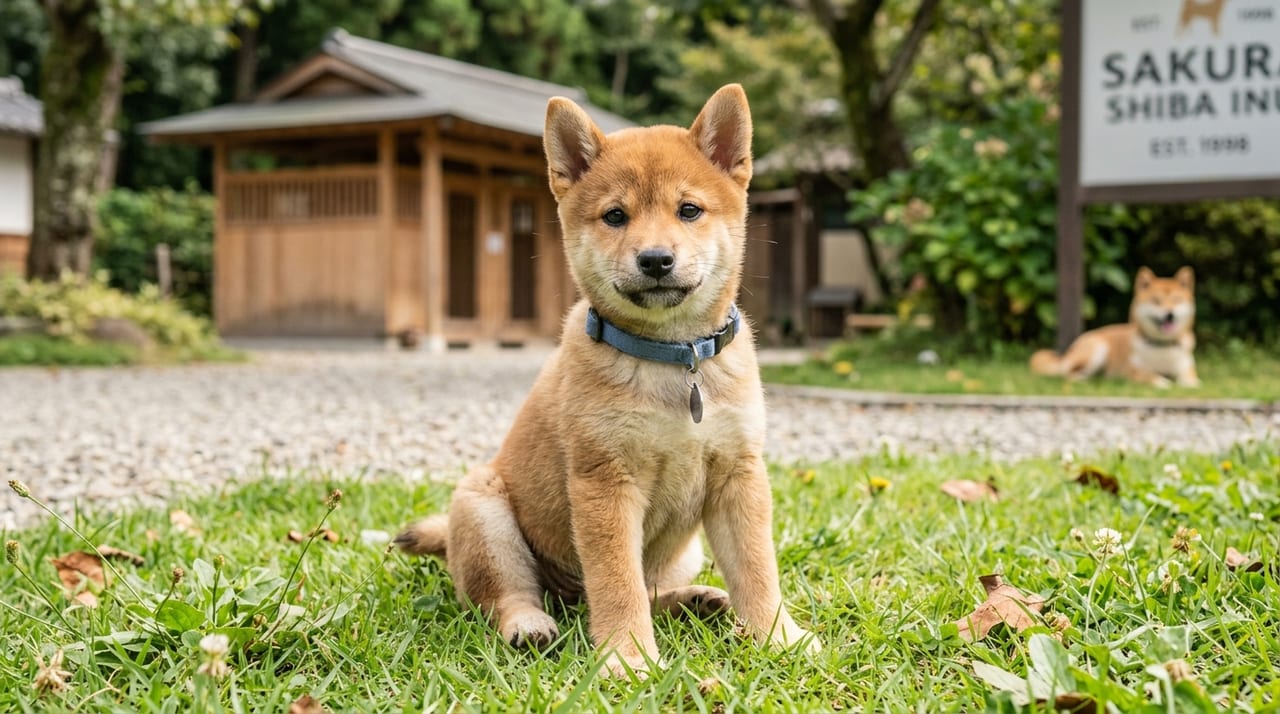
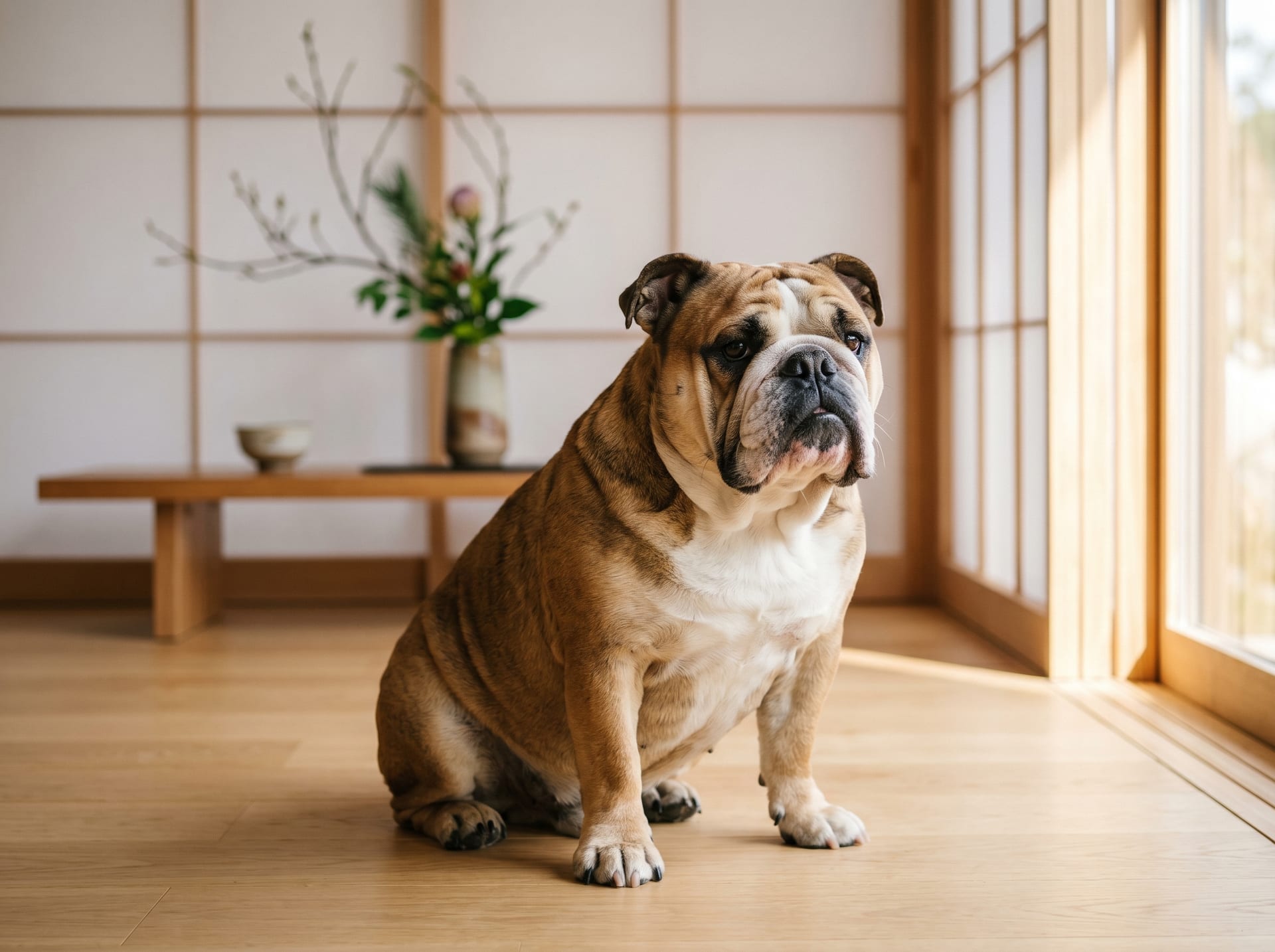
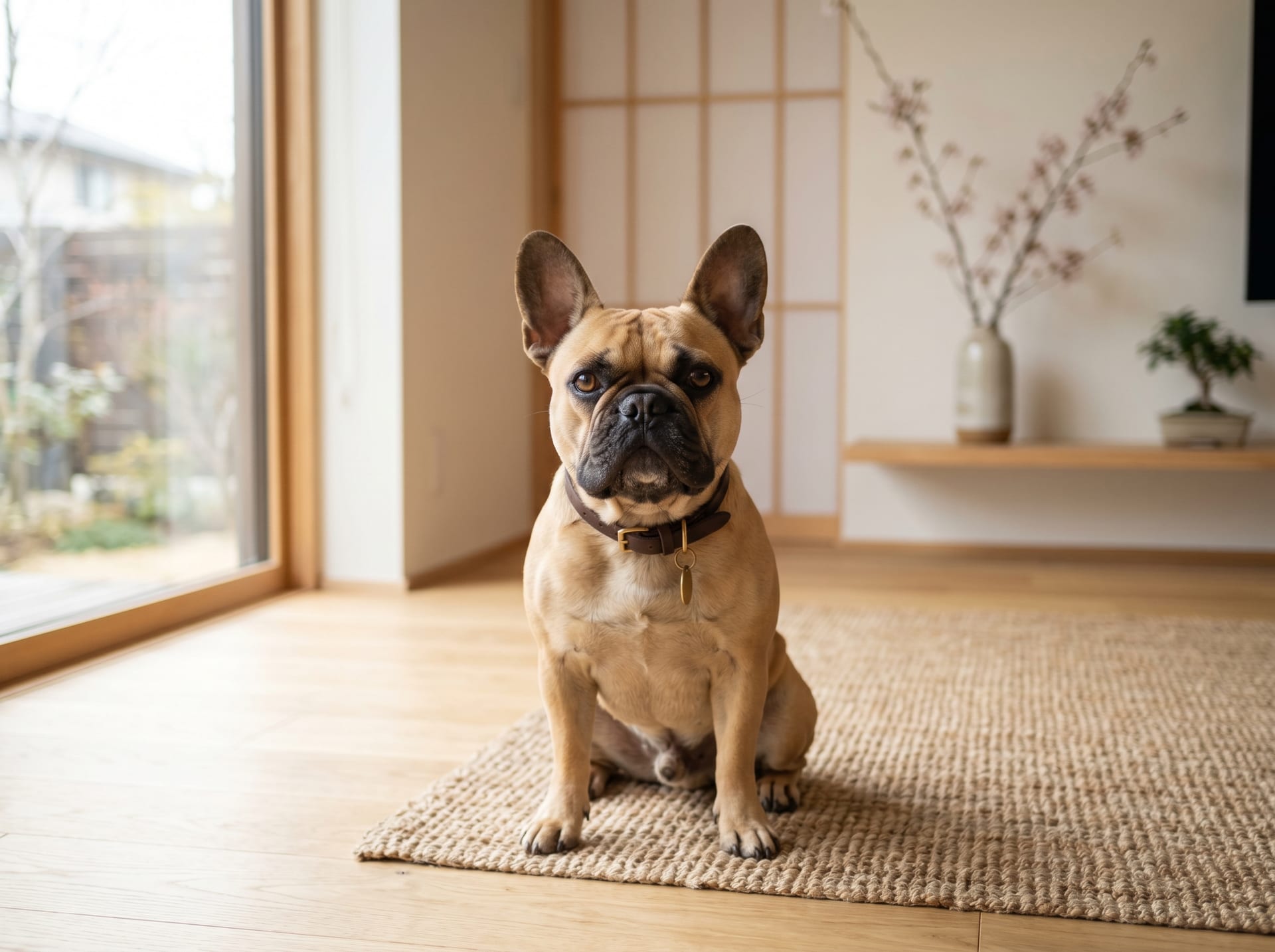
Short-coated breeds (Shiba Inu, French Bulldog, Beagle, etc.): Rubber brush 2-3 times weekly. Daily during shedding season. Monthly bathing. No trimming generally needed
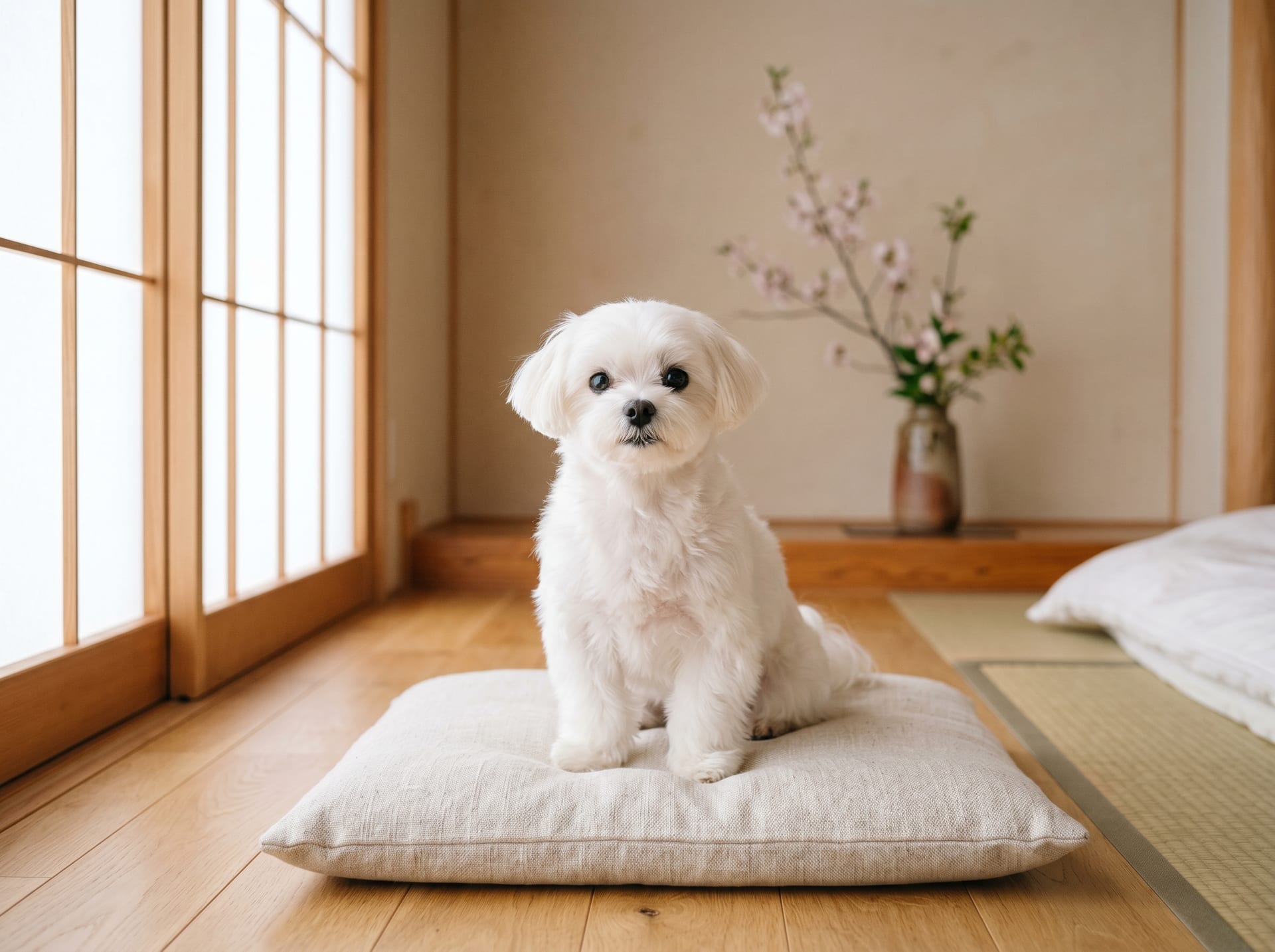
Long-coated breeds (Maltese, Yorkshire Terrier, Shih Tzu, etc.): Daily brushing is essential. Prone to matting, especially behind ears, underarms, and inner thighs. Trimming every 1-2 months is necessary
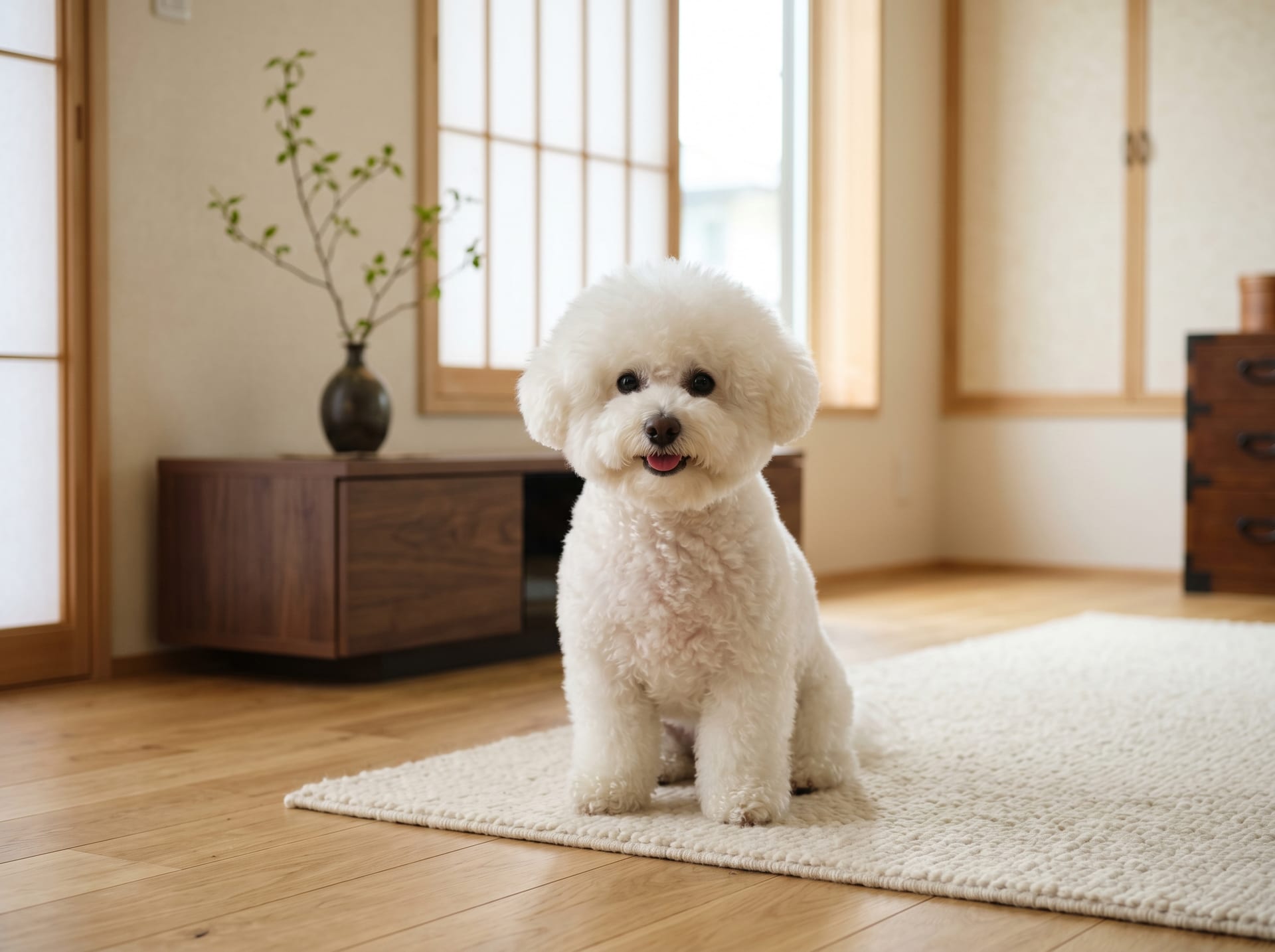
Curly-coated breeds (Toy Poodle, Bichon Frise, etc.): Minimal shedding but continuous growth requiring regular haircuts. Prone to matting, so daily brushing is important
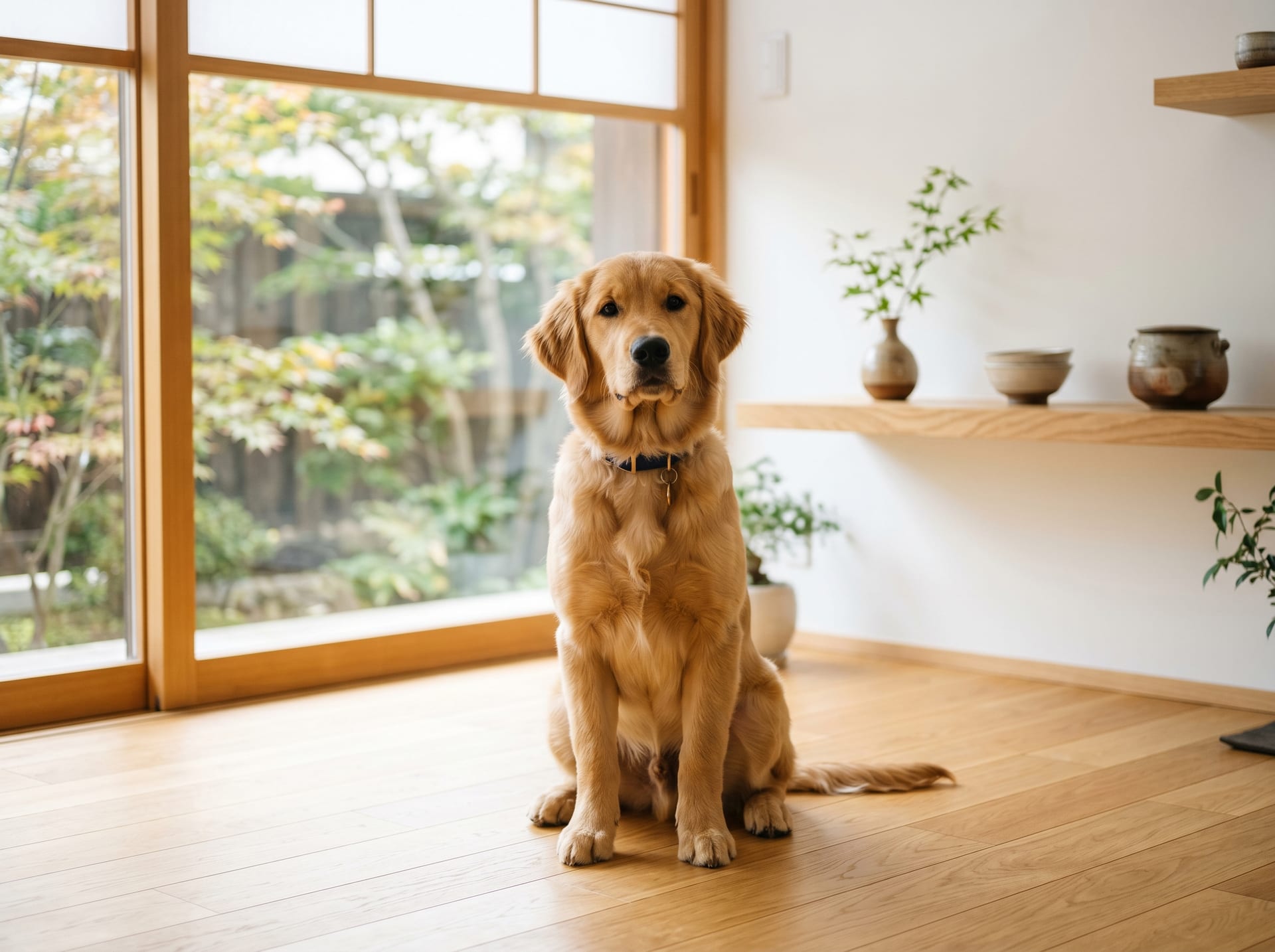
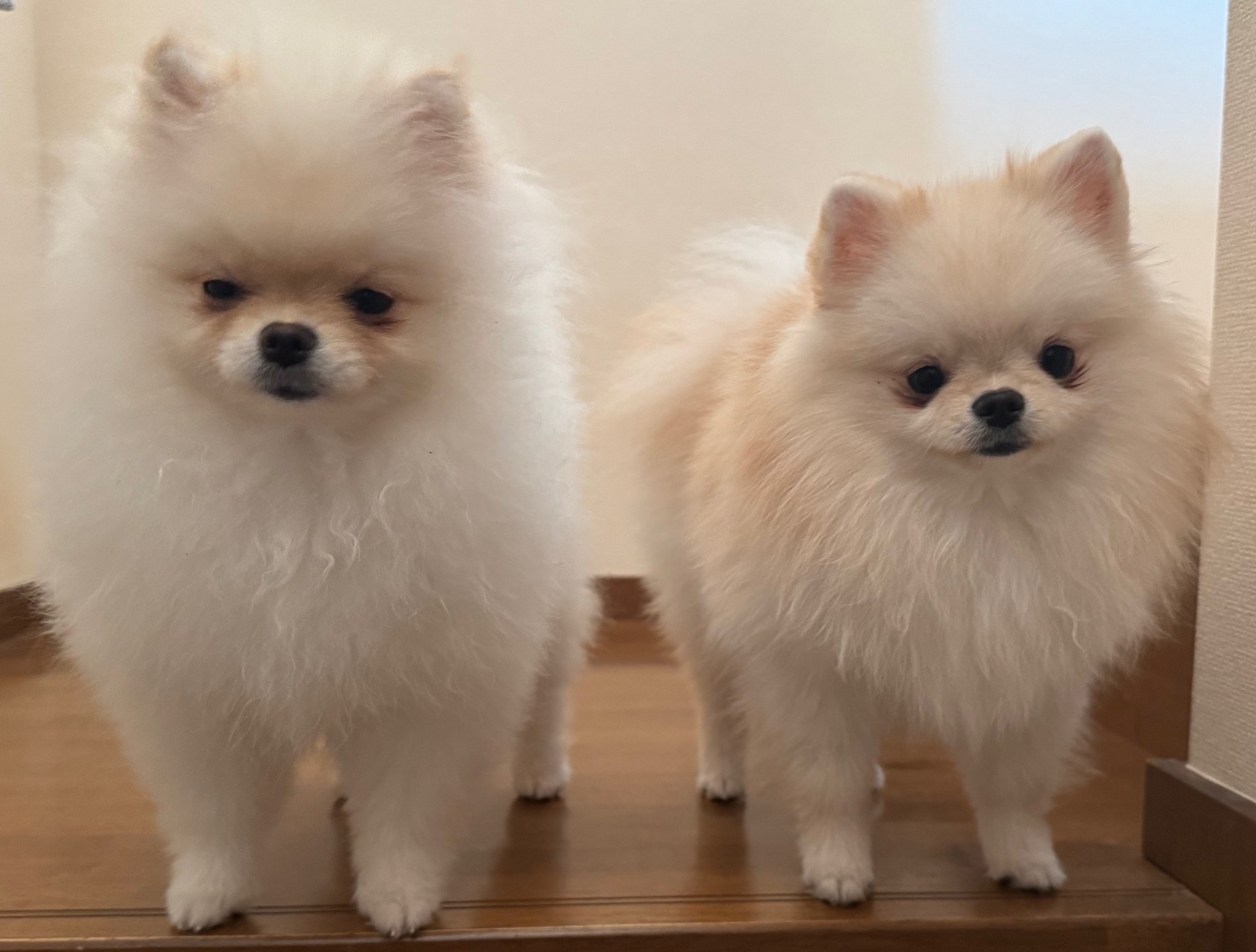
Double-coated breeds (Golden Retriever, Corgi, Pomeranian, etc.): Dual structure of undercoat and topcoat. Massive shedding during coat-blowing season requires daily brushing and undercoat removal
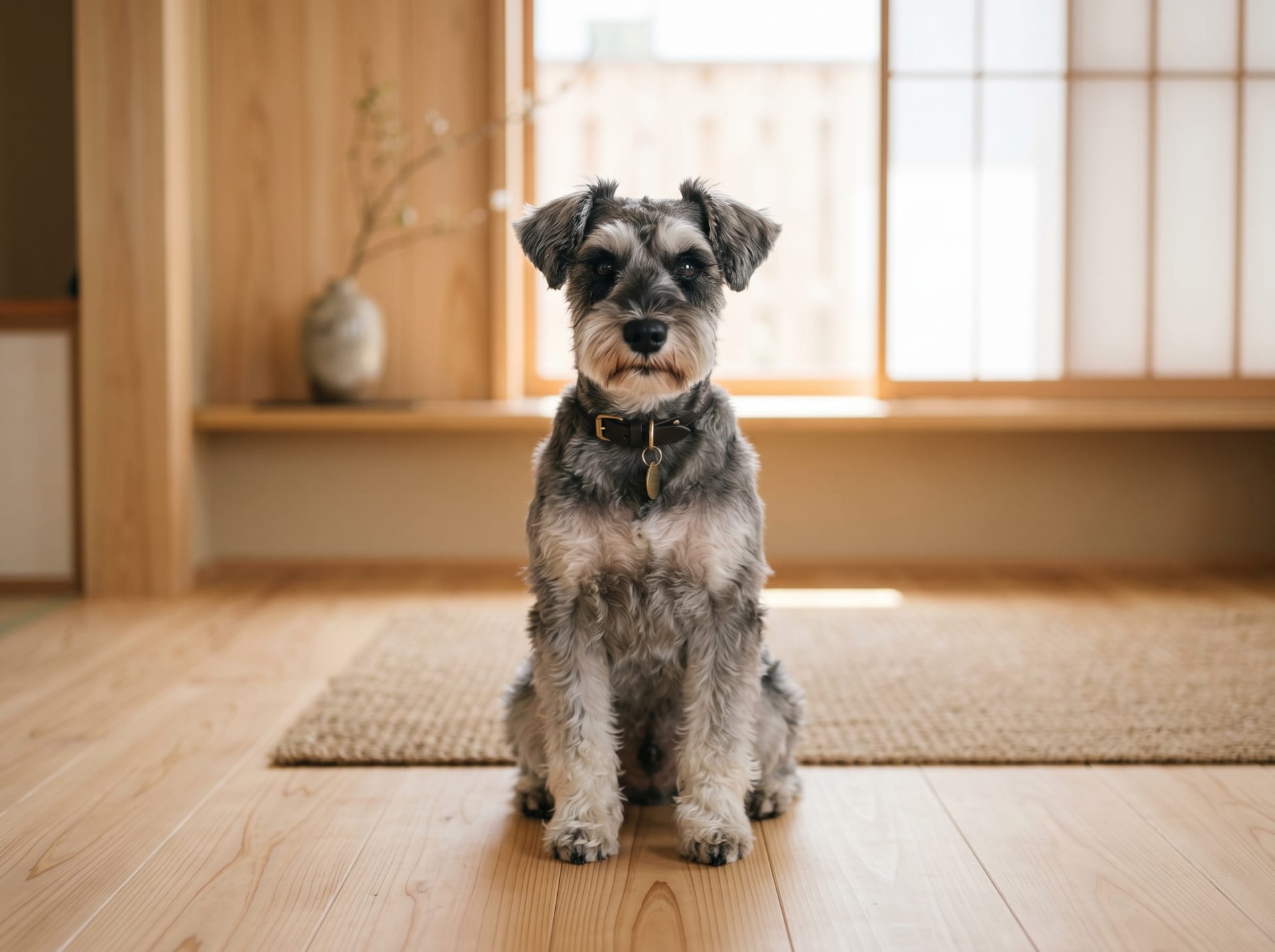
Wire-haired breeds (Wire Fox Terrier, Miniature Schnauzer, etc.): Coarse coat texture. Some breeds need plucking or stripping, a specialized grooming technique
Learn Breed-Specific Care Through BriChoku
Dog grooming varies tremendously by breed, and incorrect techniques can actually damage the skin and coat. On BriChoku, you can adopt dogs directly from trusted breeders who can offer detailed grooming advice and care tips specific to the breed. Breeders are professionals with years of experience raising their breeds, possessing deep knowledge of coat characteristics and skin problem tendencies. To keep your dog looking beautiful and healthy, connect with a trusted breeder on BriChoku.