A Complete Guide to Canine Anterior Cruciate Ligament Rupture (CCL Rupture) | Symptoms, TPLO Surgery, Rehabilitation, and Daily Care
A comprehensive guide to the symptoms, diagnosis, detailed TPLO surgery procedures, post-operative rehabilitation, and recurrence prevention management for the commonly occurring anterior cruciate ligament (CCL) rupture in dogs.
Key Takeaways
A comprehensive guide to the symptoms, diagnosis, detailed TPLO surgery procedures, post-operative rehabilitation, and recurrence prevention management for the commonly occurring anterior cruciate ligament (CCL) rupture in dogs.
What is Anterior Cruciate Ligament Rupture (CCL Rupture) in Dogs?
✍️
BreederDirect Editorial
The BreederDirect editorial team specializes in care information for animals, covering veterinary care and breeding to deliver beginner-friendly guides.
Find Dogs on BreederDirect
Buy directly from verified breeders
Browse Related Listings
Find Dogs listings related to this article on BreederDirect. Buy directly from verified breeders.
The anterior cruciate ligament (Cranial Cruciate Ligament, CCL) is an important ligament within the knee joint that connects the femur and tibia, playing a crucial role in preventing front-to-back instability of the knee. While it represents a similar structural injury to what is known as "ACL (anterior cruciate ligament) rupture" in humans, in dogs the condition is characteristically often caused not just by acute trauma, but by gradual, chronic degeneration that leads to progressive rupture.
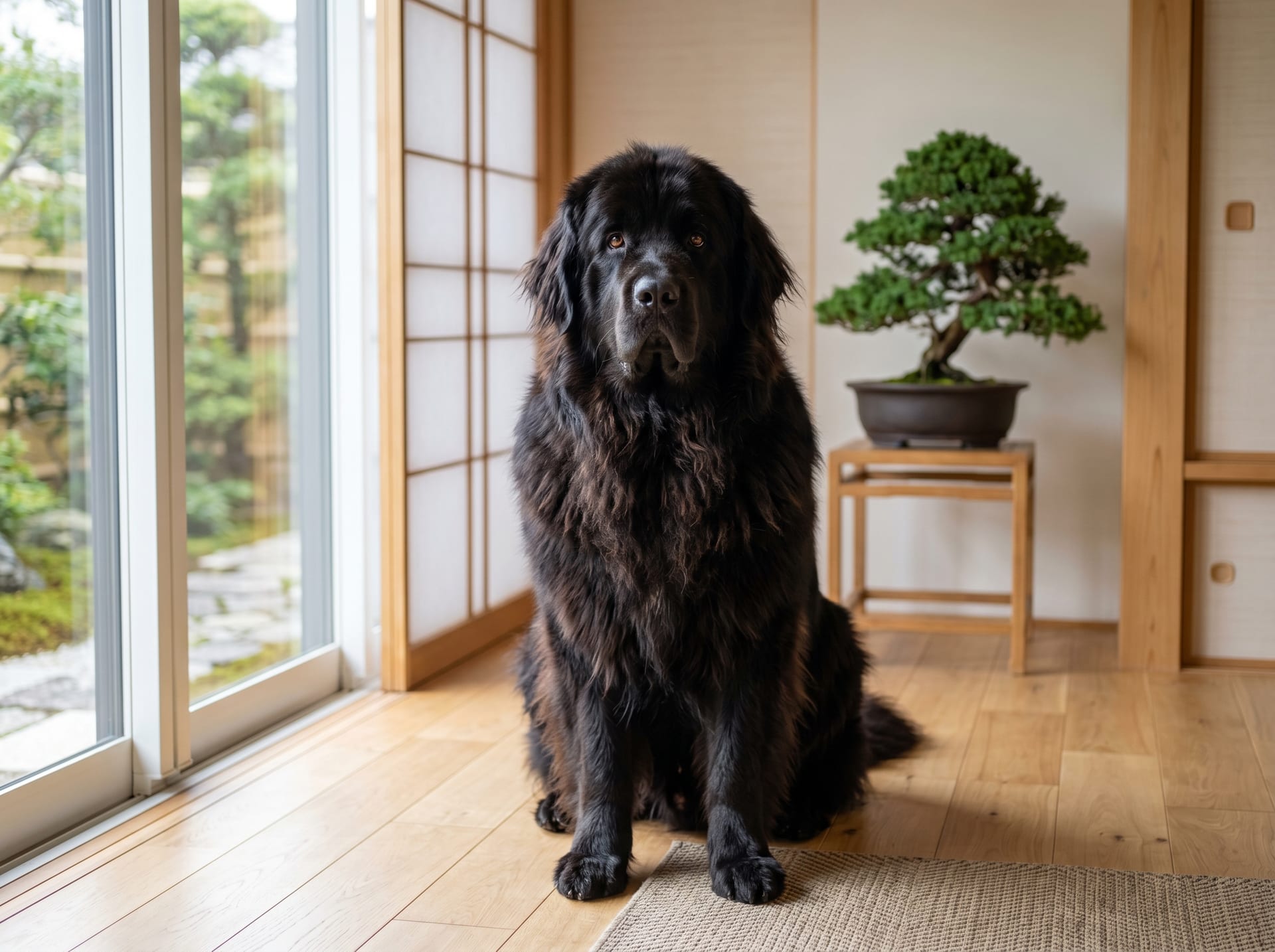
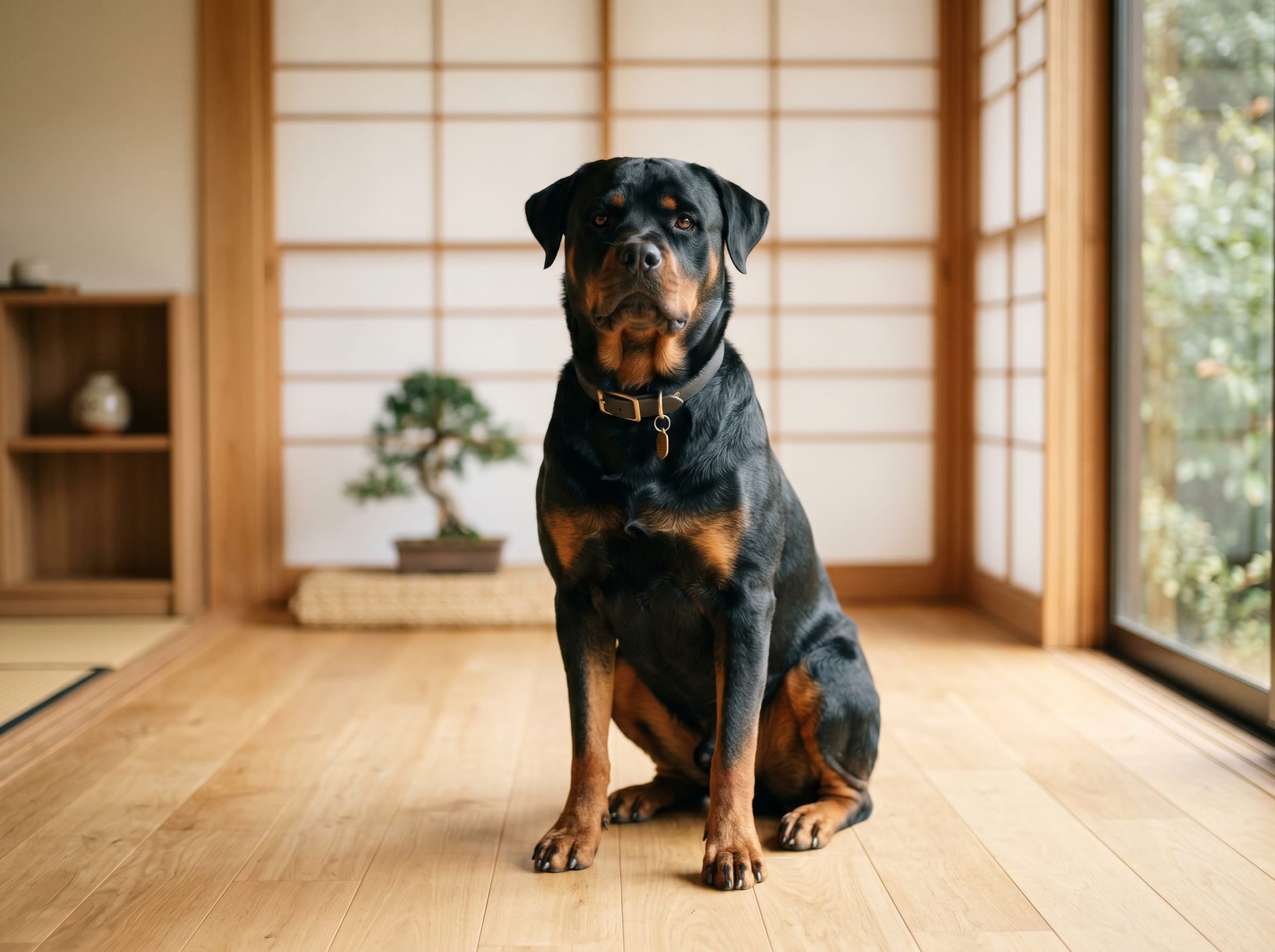
CCL rupture ranks among the most common orthopedic conditions in dogs. While it is more frequently observed in medium to large breed dogs, it can also occur in small breeds. Obesity, body condition, exercise habits, and genetic predisposition are all thought to play a role. Labrador Retrievers, Golden Retrievers, Rottweilers, and Newfoundlands tend to have higher incidence rates. Since it is known that if one knee ruptures, the other knee is likely to experience a similar rupture, monitoring both knees over time is essential.
Main Symptoms and Self-Check Points
The symptoms of CCL rupture vary depending on the degree of rupture (partial or complete).
Acute Phase (Immediately After Complete Rupture)
Sudden hind limb lameness (limping). The affected leg may not touch the ground at all in some cases.
Swelling, heat, and dropped posture of the affected limb
Resistance to touch and signs of pain
Chronic Phase and Partial Rupture
Mild lameness that appears only after exercise
Changes in "sitting position," where the affected limb is extended to the side
Behavioral changes such as hesitation when climbing stairs or reluctance to jump
Over time, bony protrusions may develop on the inside of the knee joint (calcification of the medial ligament and bone spurs)
If you notice these signs, it is important to avoid continuing exercise based on your own judgment and to visit an animal hospital as soon as possible. Neglect can lead to chronic inflammation within the joint and increased risk of progression to arthritis (osteoarthritis of the knee).
Diagnostic Process
Diagnosis is primarily conducted through the following methods.
Physical Examination
The "cranial drawer sign" and "tibial compression test" are representative manual examination techniques. If there is a sensation of forward displacement of the tibia while the knee joint is held fixed, ligament injury is suspected. However, assessment can be difficult in large breed dogs with substantial muscle mass or in chronic cases.
Imaging
X-ray imaging confirms the presence of synovial fluid accumulation and bone spurs. Since the ligament itself does not appear on X-rays, arthroscopy, MRI, or CT imaging may be additionally required.
Treatment Options: Conservative Therapy vs Surgical Therapy
Conservative Therapy
In small dogs weighing 3–5 kg or less, conservative therapy (rest, anti-inflammatory analgesics, and rehabilitation) may yield some improvement; however, joint instability often persists, and progression to osteoarthritis is more likely. Weight management and long-term rehabilitation are essential prerequisites.
Surgical Therapy (TPLO, TTA, etc.)
In medium to large breed dogs, surgery is often recommended, with TPLO (Tibial Plateau Leveling Osteotomy) being the current standard. This surgical technique modifies the skeletal structure by changing the angle of the tibia, allowing the knee joint to remain stable even without the ligament.
TPLO (Tibial Plateau Leveling Osteotomy): Has a high success rate and is considered particularly suitable for large breed dogs and highly active dogs. Post-operative recovery typically takes 4–6 months.
TTA (Tibial Tuberosity Advancement): A technique that advances the tibial tuberosity forward. It is widely performed alongside TPLO.
Lateral Suture Stabilization: A relatively simple technique often used in small dogs. The implant provides ligament replacement.
It is important to decide whether to undergo surgery and which technique to choose by carefully consulting with your veterinarian, taking into account your dog's weight, age, overall health status, and living environment.
Post-operative Rehabilitation and Recovery Tips
Post-operative rehabilitation significantly affects recovery speed and long-term joint function.
Early Post-operative Period (0–4 weeks)
After surgery, graduated weight-bearing exercises begin. Icing, passive range-of-motion (ROM) exercises, and short leash walks are the main components. Jumping, running, and sharp turns are strictly prohibited. Since cage rest is often necessary, be mindful of mental stress management (puzzle toys and scent games).
Mid-term Post-operative Period (1–3 months)
Aquatic treadmill therapy (hydrotherapy) is an effective rehabilitation method that reduces joint load through buoyancy while restoring muscle strength. Available facilities can be identified at animal hospitals or rehabilitation centers.
Long-term Care
Even after full recovery, weight management is the top priority. Obesity increases stress on the opposite knee and raises the risk of re-rupture. Continued low-impact aerobic exercise (swimming and level-ground walks) and periodic joint evaluation are recommended.
Daily Care and Prevention Tips
While CCL rupture cannot be completely prevented, the following measures are thought to help reduce risk.
Maintaining Ideal Weight: A 1 kg increase in weight amplifies the stress on joints many times over. Check your dog's body condition score (BCS) regularly.
Appropriate Exercise for Maintaining Muscle Strength: Avoid repetitive high-impact activities such as sudden accelerations, stops, and hard climbing. Consistent low- to moderate-intensity exercise helps maintain muscle mass and protects the joints.
Flooring Precautions: Slippery flooring can cause sudden overload on the CCL. Carpeting, ramps, and non-slip mats are effective solutions.
Regular Health Checkups: Partial ruptures are easily overlooked due to mild symptoms. Aim for early detection through annual or twice-yearly veterinary exams.
BreederDirect supports connections with puppies from breeders with knowledge of orthopedic conditions and from trustworthy kennels committed to serious health management. Understanding breed-specific health risks before welcoming a partner is the first step toward a long and healthy life together.