The Complete Guide to Canine Hypothyroidism: Symptoms, Diagnosis, Levothyroxine Treatment, and Daily Care
A guide for breeders and dog owners explaining the symptoms of hypothyroidism common in dogs (weight gain, lethargy, skin disease, cold sensitivity), diagnosis through blood tests, levothyroxine (T4 formulation) dosage adjustment, and key points for long-term management.
Key Takeaways
A guide for breeders and dog owners explaining the symptoms of hypothyroidism common in dogs (weight gain, lethargy, skin disease, cold sensitivity), diagnosis through blood tests, levothyroxine (T4 formulation) dosage adjustment, and key points for long-term management.
What is Canine Hypothyroidism
Hypothyroidism is an endocrine disorder in which the thyroid gland fails to produce and secrete sufficient thyroid hormones (primarily thyroxine: T4, and triiodothyronine: T3). It is one of the most common endocrine disorders in dogs, particularly affecting medium to large breed dogs.
✍️
BreederDirect Editorial
The BreederDirect editorial team specializes in care information for animals, covering veterinary care and breeding to deliver beginner-friendly guides.
Find Dogs on BreederDirect
Buy directly from verified breeders
Browse Related Listings
Find Dogs listings related to this article on BreederDirect. Buy directly from verified breeders.
Thyroid hormones regulate metabolism throughout the body, and their deficiency causes effects spanning body temperature maintenance, heart rate, energy production, skin, and nerve function.
Predisposed Breeds
The following breeds have a tendency to develop hypothyroidism:
Golden Retriever
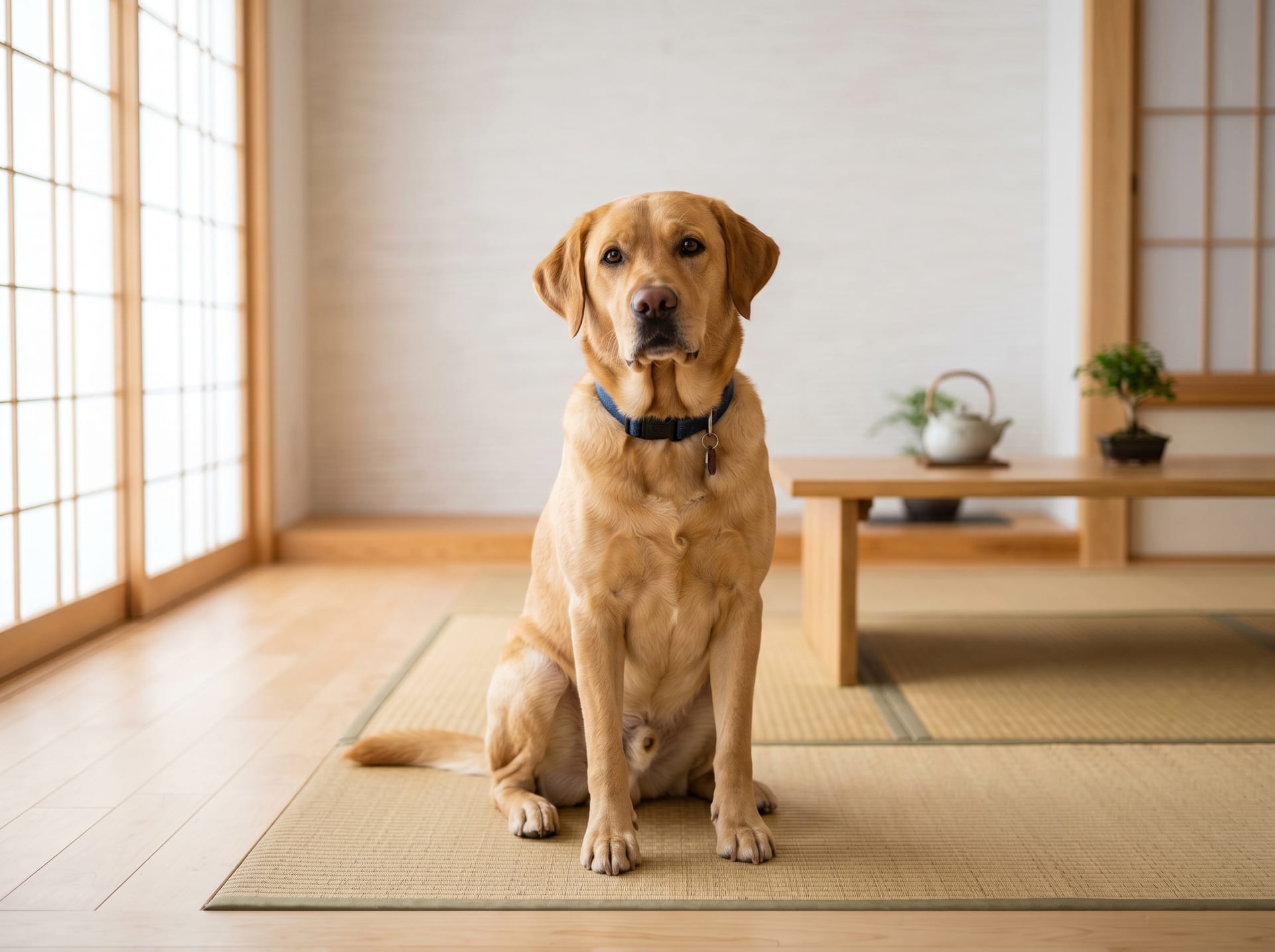
Labrador Retriever
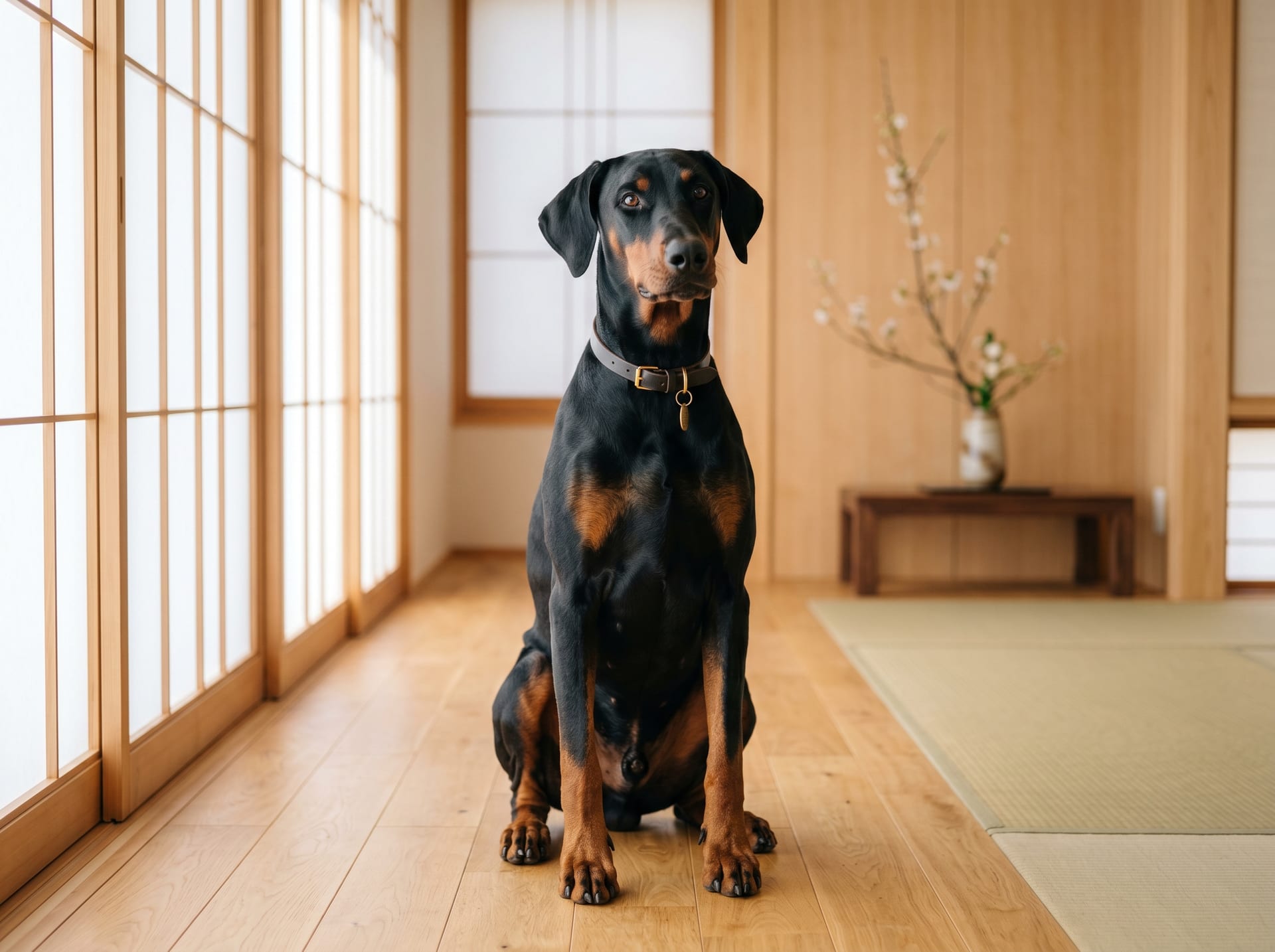
Doberman
Irish Setter
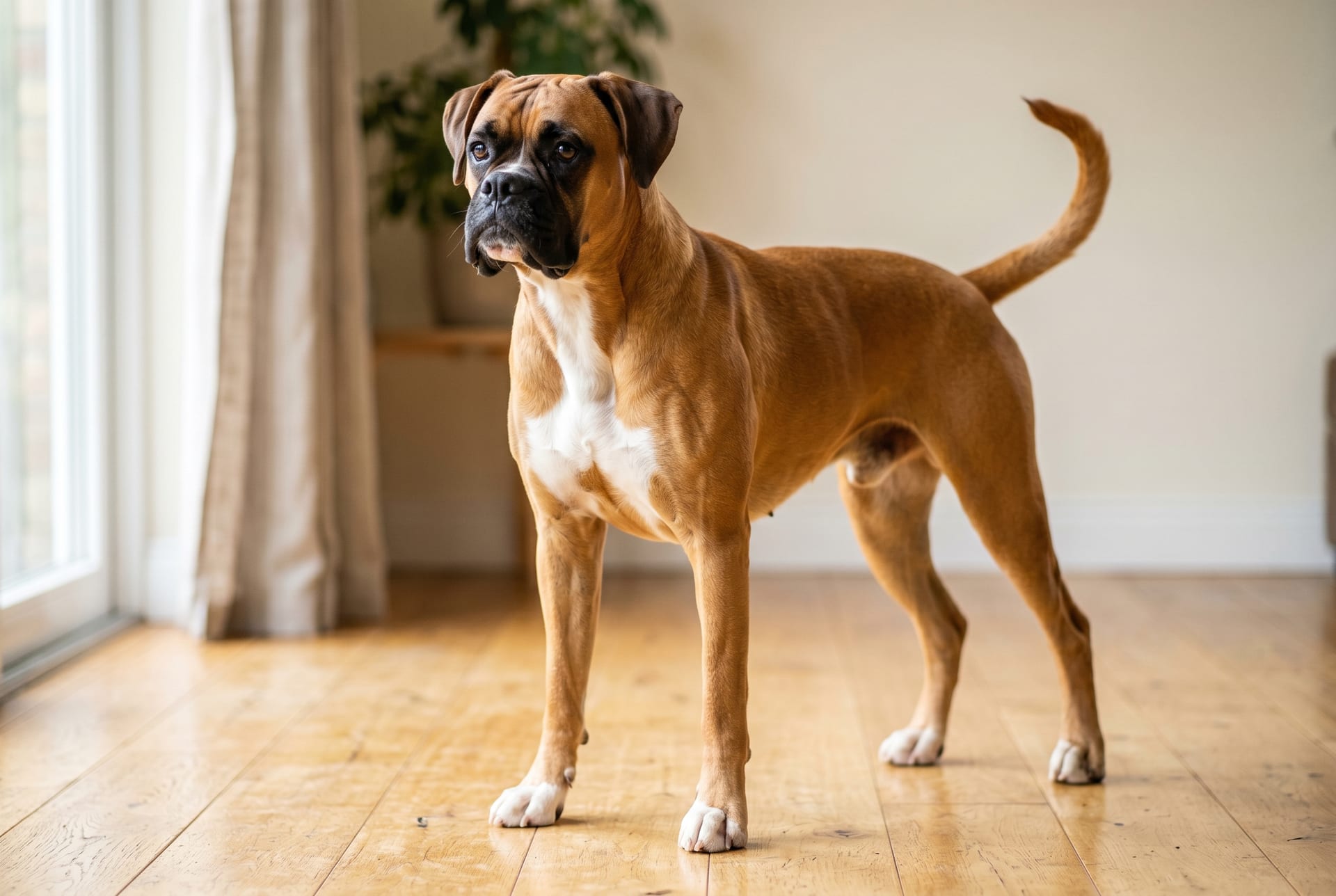
Boxer
Cocker Spaniel
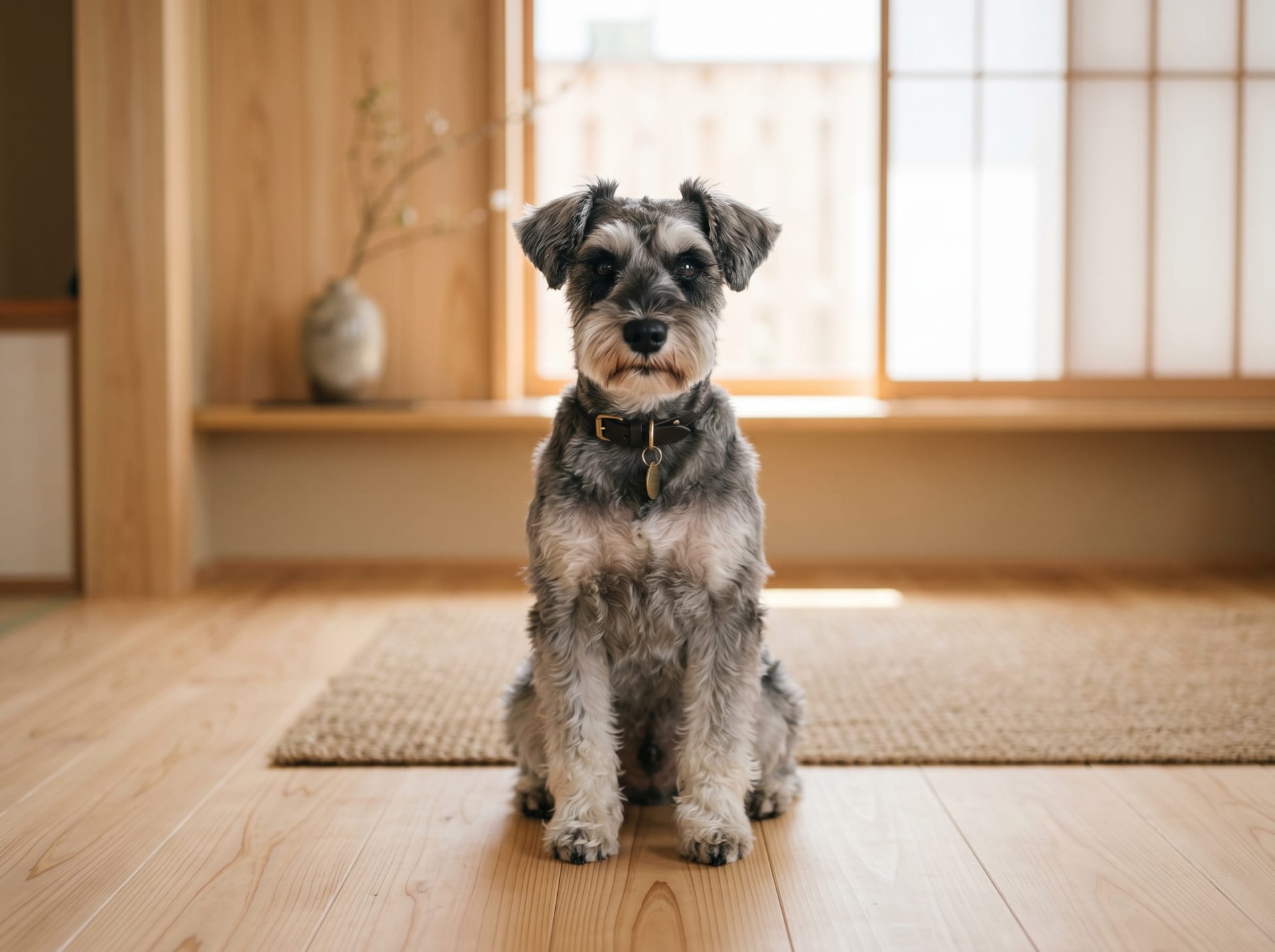
Miniature Schnauzer
Dachshund
Onset typically occurs at ages 4–10 years, and early-onset cases suggest congenital hypothyroidism (rare). Sexual dimorphism (differences in incidence between males and females) is considered relatively small.
Causes
More than 95% of canine hypothyroidism is primary (originating from the thyroid itself), with the main causes being:
Lymphocytic Thyroiditis (Most Common)
Lymphocytes infiltrate the thyroid gland through an autoimmune mechanism, destroying thyroid tissue. Genetic factors are believed to be involved.
Idiopathic Thyroid Atrophy
The thyroid parenchyma is gradually replaced by adipose tissue, with function declining slowly without obvious inflammation.
Other causes include thyroid tumors, surgical removal, and post-radioactive iodine treatment.
Main Symptoms
Because thyroid hormone deficiency affects overall metabolism, symptoms are diverse and progress chronically.
Metabolism and Weight-Related
Symptom
Characteristics
Weight Gain
Increase in weight without dietary changes (fat accumulation, not water retention)
Decreased Activity and Lethargy
Reluctance to walk, sleeping all day, loss of interest in play
Cold Sensitivity
Seeking warm areas, easily chilled even in winter (low body temperature)
Slow Pulse
Decreased resting heart rate
Skin and Coat-Related
Skin symptoms are often the first changes owners notice.
Hair Loss (Symmetrical): Symmetrical thinning of hair on both sides of the body, primarily on the trunk, tail (rat tail appearance), pinnae, and nasal bridge
Coat Changes: Hair becomes finer, sheds easily, and loses luster
Skin Thickening: Skin becomes thick with a leathery texture to the touch (myxedema)
Recurrent Skin Infections: Recurrence of bacterial pyoderma and Malassezia dermatitis
Hyperpigmentation: Darkening of skin in areas of hair loss (hyperpigmentation)
Blood tests are essential for diagnosing hypothyroidism.
Total T4 (TT4)
Used as initial screening. When below reference range, hypothyroidism is suspected, but since other diseases and drug administration can also lower TT4 (non-thyroidal illness syndrome/euthyroid sick syndrome), diagnosis is not confirmed by this value alone.
Free T4 (fT4)
It is not affected by protein binding, so it has higher specificity than TT4. It is evaluated in combination with TT4.
TSH (Thyroid-Stimulating Hormone)
A hormone secreted by the anterior pituitary that stimulates the thyroid. When thyroid function declines, TSH rises through feedback. When fT4 is low and TSH is high, it approaches a definitive diagnosis of primary hypothyroidism.
Diagnostic Criteria for Confirmation:
Low fT4 + High TSH → Diagnosed as primary hypothyroidism
Differential Diagnoses
Disease
Differential Points
Cushing's Syndrome
Polydipsia/polyuria, abdominal distension. Differentiated by ACTH stimulation test and dexamethasone suppression test
Diabetes Mellitus
Polydipsia/polyuria, glycosuria. Differentiated by blood glucose and urine glucose
Skin Disease (Allergies, etc.)
Normal thyroid hormone levels
Heart Disease
Decreased heart rate only (no other symptoms)
Treatment: Levothyroxine (L-T4) Administration
The standard treatment for canine hypothyroidism is oral administration of synthetic thyroid hormone (levothyroxine sodium: L-T4).
Initial Dosing
0.02 mg/kg body weight, administered orally twice daily is the typical starting dose.
Example: 10 kg dog → 0.2 mg per dose, twice daily
Example: 30 kg dog → 0.6 mg per dose, twice daily
Administration on an empty stomach (1–2 hours before meals) improves absorption. However, it is important to maintain a consistent relationship with meals (always before or always after meals).
Monitoring Effectiveness
After starting treatment:
Retest at 4–8 weeks (TT4 or fT4 + TSH)
Blood collection at peak time (4–6 hours after administration) is recommended
Target: TT4 in the mid to upper normal range
Dosage Adjustment
If fT4 is too high (hyperthyroidism-like symptoms: weight loss, tachycardia, hyperactivity) → reduce dose
If symptoms don't improve adequately or fT4 is low → increase dose or change from once to twice daily
Levothyroxine therapy is lifelong. Discontinuing treatment on your own will cause symptoms to recur.
Symptoms That Improve and Those That Don't With Treatment
Symptoms That Improve Readily
Symptoms That Take Time or Don't Improve
Activity and energy level
Neurological symptoms (peripheral neuropathy) may take months
Weight
Some skin changes
Coat quality
May not fully return to normal
Recurrent skin infections
Daily Management and Advice for Breeders
Regular Check-ups
Even after treatment is stabilized, blood tests every 6 months are recommended. Dosage adjustments may be needed as the dog ages.
Weight Management
Since hypothyroidism causes weight gain, dietary control is necessary alongside treatment. Base the diet on high-fiber, low-calorie foods and monitor weight changes with weekly measurements.
Important Considerations for Breeders
Since hypothyroidism has a genetic component, breeders of predisposed breeds should pay attention to the following:
Pre-breeding Thyroid Screening: The OFA has a certification system for thyroid panel testing. It is important to understand the thyroid status of breeding dogs.
Disclosure of Parent Dogs' Medical History: Disclose the health history of parent dogs to buyers and communicate the importance of regular veterinary check-ups.
Genetic Risk of Lymphocytic Thyroiditis: It may be necessary to exclude breeding candidates from bloodlines with confirmed affected dogs.
Summary
Canine hypothyroidism is a condition whose quality of life can be greatly improved through early detection and proper treatment. If your middle-aged or senior dog seems less energetic or gains weight easily, first consider thyroid hormone testing.
While levothyroxine therapy is lifelong, with proper management your dog can live a normal life. Continue with regular blood tests and weight management while working to maintain your dog's quality of life.