Complete Guide to Canine Otitis Externa and Ear Infections | Causes, Symptoms, Treatment, and Preventive Ear Care | ブリちょく
Dogs| ✍️ BreederDirect Editorial
Complete Guide to Canine Otitis Externa and Ear Infections | Causes, Symptoms, Treatment, and Preventive Ear Care
A comprehensive guide explaining the causes, symptoms, and treatment methods for canine otitis externa (external otitis) and ear infections. Learn how to identify otitis externa caused by bacteria, fungi (Malassezia), and ear mites, diagnosis and treatment at veterinary clinics, home ear cleaning, and preventive care to avoid recurrence—everything you need to protect your dog's ear health.
Key Takeaways
A comprehensive guide explaining the causes, symptoms, and treatment methods for canine otitis externa (external otitis) and ear infections. Learn how to identify otitis externa caused by bacteria, fungi (Malassezia), and ear mites, diagnosis and treatment at veterinary clinics, home ear cleaning, and preventive care to avoid recurrence—everything you need to protect your dog's ear health.
✍️
BreederDirect Editorial
The BreederDirect editorial team specializes in care information for animals, covering veterinary care and breeding to deliver beginner-friendly guides.
Find Dogs on BreederDirect
Buy directly from verified breeders
Browse Related Listings
Find Dogs listings related to this article on BreederDirect. Buy directly from verified breeders.
Otitis externa (external otitis) is one of the most common ear diseases in dogs and consistently ranks among the top reasons for veterinary visits. If left untreated, it can progress to otitis media and otitis interna, potentially leading to hearing loss and loss of balance. This article provides a comprehensive overview of otitis externa, covering its causes, treatment, and prevention strategies.
What is Otitis Externa?
Otitis externa is inflammation of the external ear canal (the passage from the ear opening to the eardrum). Dogs' ear canals are L-shaped, consisting of a vertical and horizontal portion, and accumulate dirt and moisture more easily than human ears. This anatomical structure is one of the key reasons why otitis externa is so common in dogs.
Additionally, dog breeds with floppy ears and those with hair densely growing in the ear canal are more prone to poor air circulation within the ear canal, further increasing the risk of otitis externa.
Main Causes and Contributing Factors
Otitis externa has multiple potential causes, and in most cases, several factors combine to trigger the condition.
Primary Causes (Direct Causes of Otitis Externa)
Allergies: Food allergies and environmental allergies (atopic dermatitis) are the most common primary causes of otitis externa. Allergies make the ear canal skin more susceptible to inflammation, promoting the growth of bacteria and fungi.
Infection: Bacterial infections (particularly Staphylococcus and Pseudomonas species) and fungal infections (Malassezia pachydermatis) are direct causes of otitis externa. However, these microorganisms are naturally present in the ear canals of healthy dogs. Inflammation occurs when they overgrow due to underlying factors such as allergies, foreign objects, or excess moisture.
Ear Mites (Otodectes cynotis): Ear mites are tiny parasites that infest the ear canal, particularly common in puppies and dogs exposed to outdoor environments. They cause intense itching and produce characteristic dark brown, coffee ground-like cerumen.
Foreign Objects: Seeds, grass awns, sand, and other debris can enter the ear canal and trigger inflammation.
Predisposing Factors (Conditions That Increase the Risk of Otitis Externa)
Symptoms of otitis externa vary depending on severity, but the following are typical signs:
Behavioral Signs:
Head shaking and frequent ear scratching
Rubbing ears on the ground or walls
Head tilting to one side (head tilt)
Reluctance to have ears touched
Physical Signs:
Redness and swelling of the ear flap and ear canal
Abnormal cerumen discharge from the ear canal (black, brown, yellow, or white)
Discharge or pus from the ear
Foul odor (fermented or putrid smell)
Hair loss and skin lesions around the ear canal
The color and consistency of cerumen often vary depending on the type of infection. Black, coffee ground-like discharge typically suggests ear mites, yellow or purulent discharge suggests bacterial infection, and brown, clay-like discharge often indicates Malassezia (fungal) infection. However, a definitive diagnosis requires examination by a veterinarian.
Diagnosis and Treatment
Veterinary Diagnosis
The most important step in treating otitis externa is accurately identifying the underlying cause. Self-diagnosis and treatment often miss the root cause, leading to recurrent infections.
A veterinarian will directly examine the ear canal and eardrum using an otoscope, perform microscopic examination of cerumen (to identify bacteria, fungi, and ear mites), and conduct bacterial culture and sensitivity testing when necessary.
Ear Cleaning and Medication
The primary treatment at a veterinary clinic involves flushing the ear canal to remove debris and cerumen. Following this, topical and/or systemic medications are prescribed based on the underlying cause.
In chronic or severe cases with advanced ear canal hyperplasia (thickening or calcification of the ear canal wall), surgical intervention such as ear canal ablation (ZEPP procedure) may be necessary.
Home Care and Important Considerations
It is crucial to follow the prescribed frequency and dosage of otic medications and complete the full treatment course. Even if symptoms appear to improve, discontinuing treatment prematurely increases the risk of recurrence.
Home ear cleaning must be done correctly. Pour the prescribed ear cleaning solution into the ear canal, gently massage from the outside, and allow the dog to shake its head. Wipe away visible debris with cotton. Never insert cotton swabs deep into the ear canal, as this can push cerumen deeper and risk damaging the eardrum.
Preventive Care to Avoid Recurrence
With proper daily care, recurrence of otitis externa can be significantly prevented.
Regular Ear Checks: Check your dog's ears weekly for odor, redness, and discharge. Early detection makes treatment easier.
Post-Water Care: After swimming or bathing, thoroughly remove moisture from the ear canal. Wipe the ear flap with cotton and gently flush with ear cleaning solution.
Ear Hair Management: Breeds with dense hair in the ear canal, such as Poodles, benefit from regular hair removal (typically during grooming) to improve air circulation. However, consult with your veterinarian, as some believe inflammation can increase following hair removal.
Allergy Management: If allergies are the underlying cause, dietary management, environmental allergen control, and proper medical management are essential for long-term prevention of otitis externa.
Regular Grooming: Regular professional grooming with ear checks and cleaning is also an effective preventive measure.
Breeds at High Risk
Understanding which breeds are prone to otitis externa allows for enhanced preventive care.
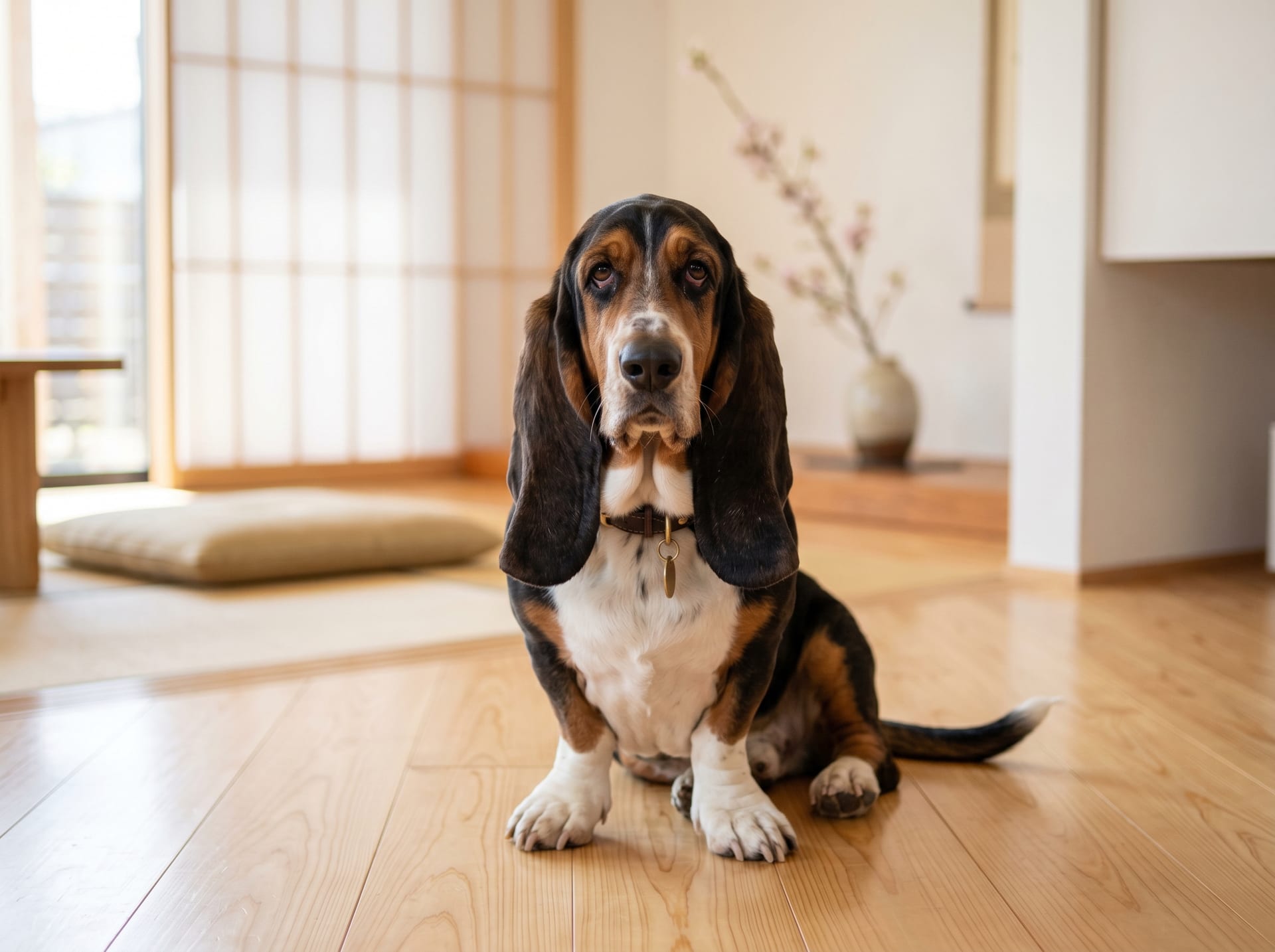
Cocker Spaniels, Basset Hounds (floppy ears and long ear canals)
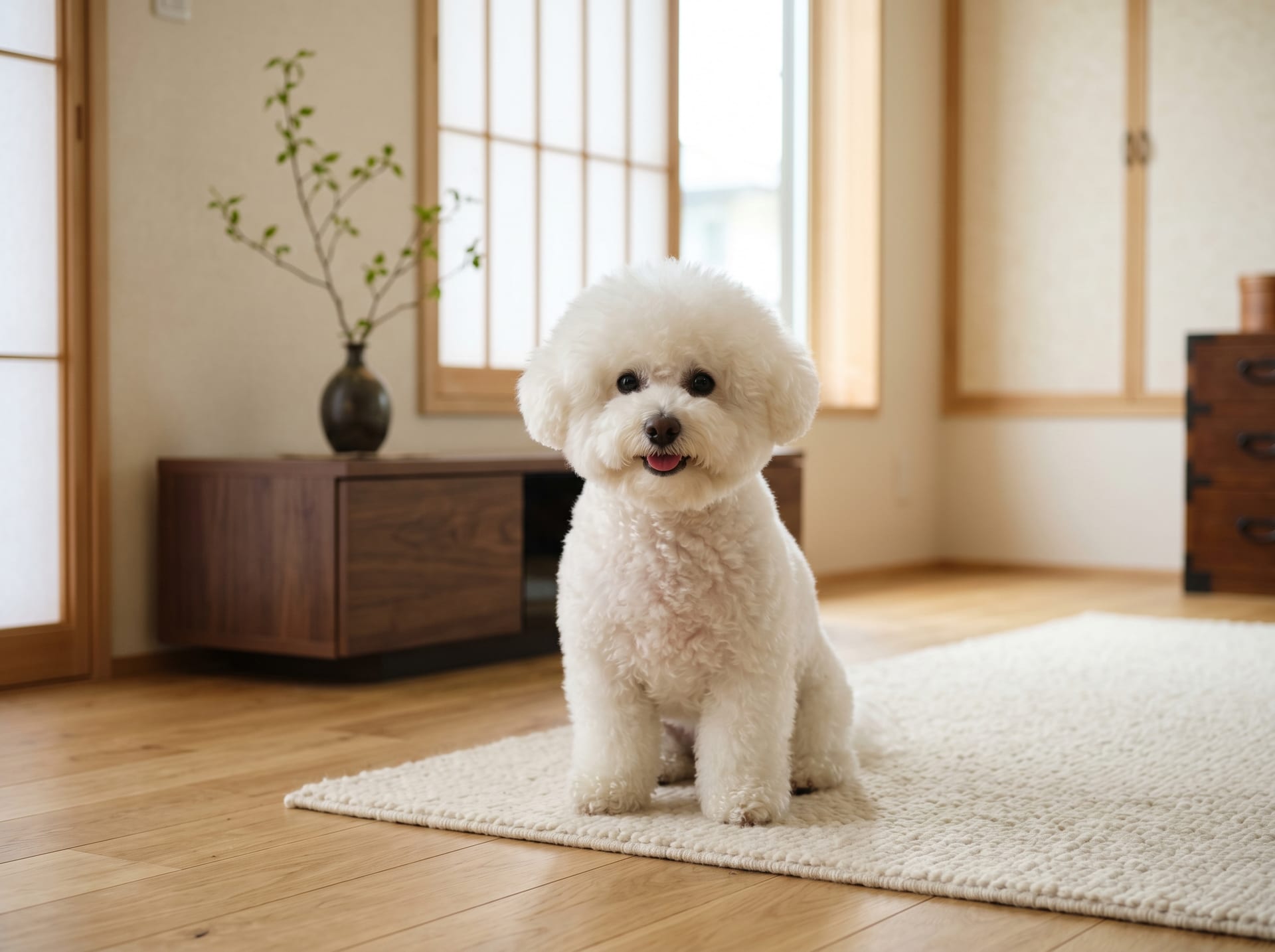
Poodles, Bichon Frises (dense hair in the ear canal)
Golden Retrievers, Labrador Retrievers (love water and swimming)
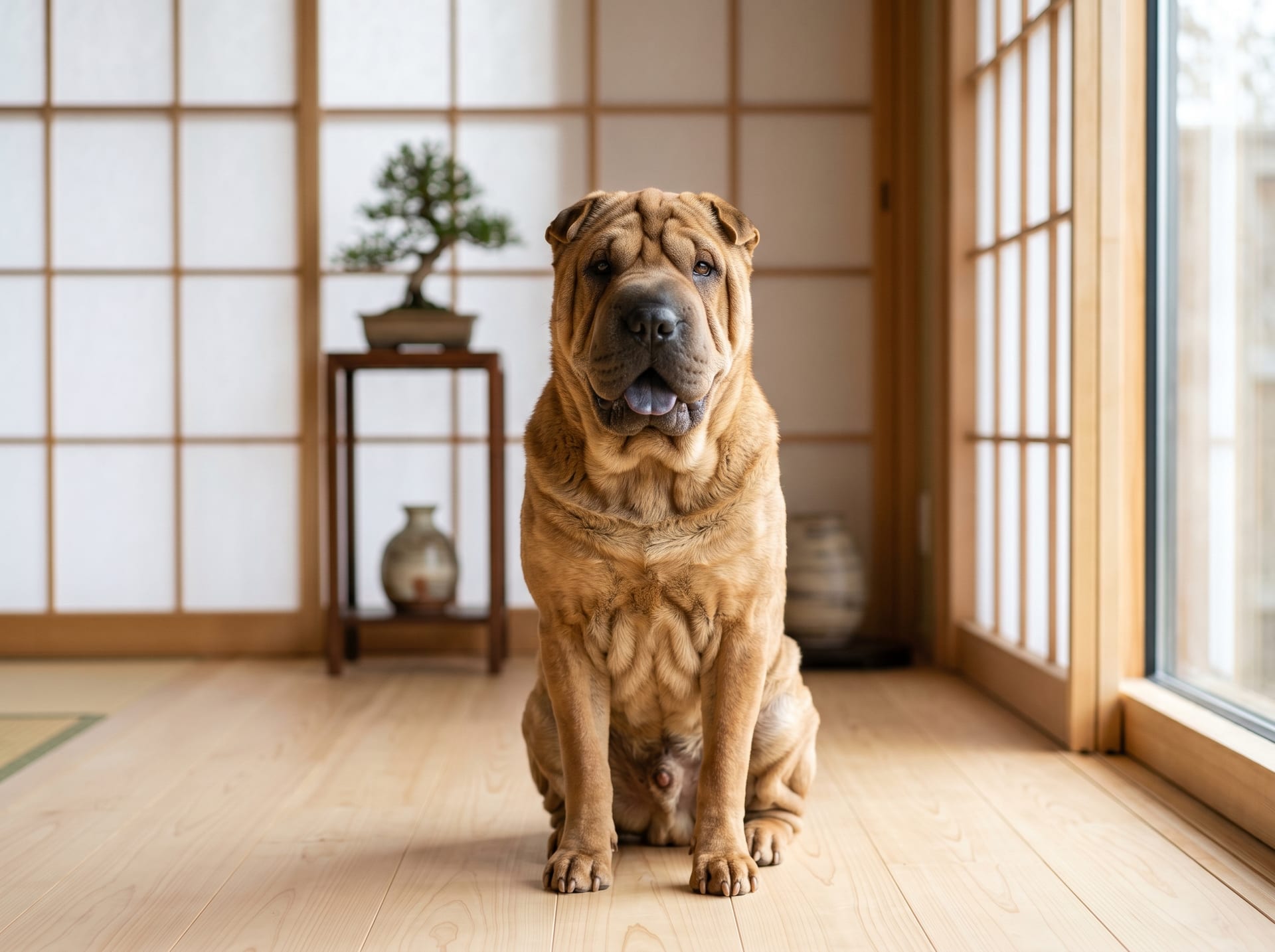
Shar-Peis (skin folds and allergic predisposition)
Corgis (allergic predisposition)
These breeds require especially diligent daily ear checks and careful hygiene maintenance.
Conclusion
Although otitis externa is very common in dogs, it can be effectively managed with proper diagnosis, treatment, and daily preventive care. Don't overlook signs such as frequent ear scratching, head shaking, and foul-smelling ears—seek veterinary attention early. By incorporating regular ear checks and cleaning habits into your routine, you can protect your dog's ear health and ensure their comfort.