Canine Intervertebral Disc Herniation Guide | Risk, Prevention, Treatment, and Care | ブリちょく
Dogs| ✍️ BreederDirect Editorial
Canine Intervertebral Disc Herniation Guide | Risk, Prevention, Treatment, and Care
A comprehensive guide to canine intervertebral disc herniation: causes, symptoms, grade classification, treatment options (surgery vs. conservative treatment), rehabilitation, and daily prevention strategies. Essential reading for owners of predisposed breeds like dachshunds and corgis.
Key Takeaways
A comprehensive guide to canine intervertebral disc herniation: causes, symptoms, grade classification, treatment options (surgery vs. conservative treatment), rehabilitation, and daily prevention strategies. Essential reading for owners of predisposed breeds like dachshunds and corgis.
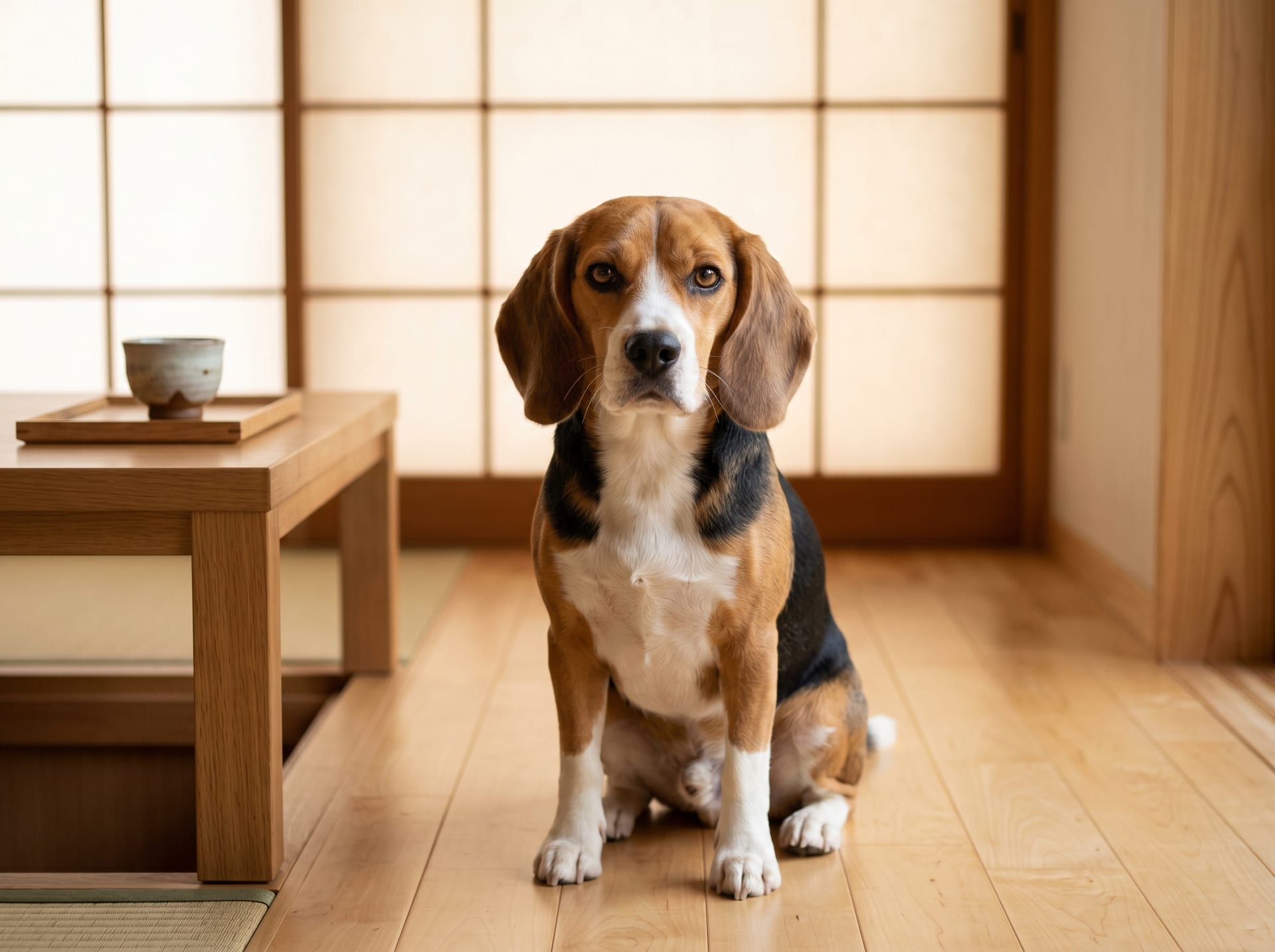
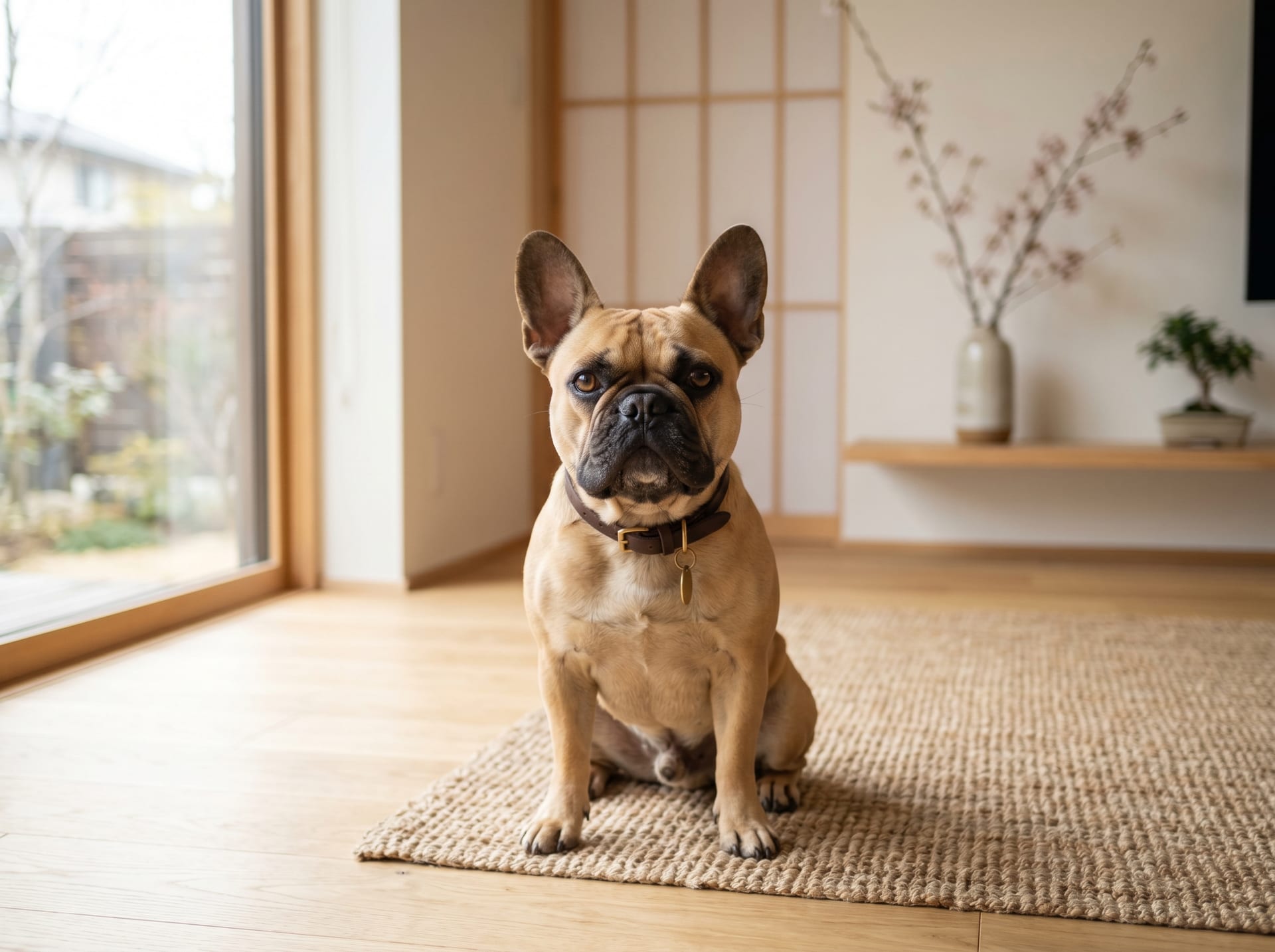
Canine intervertebral disc herniation is a condition in which the "intervertebral disc," a cushioning material between the vertebrae (spine), degenerates and protrudes, compressing the spinal cord. The risk of developing this condition is particularly high in "chondrodystrophic breeds" such as miniature dachshunds, beagles, corgis, and French bulldogs. When severe, it can lead to serious complications including rear limb paralysis and incontinence. This article provides a comprehensive explanation of the fundamentals of intervertebral disc herniation, from prevention and treatment to care and management.
✍️
BreederDirect Editorial
The BreederDirect editorial team specializes in care information for animals, covering veterinary care and breeding to deliver beginner-friendly guides.
Find Dogs on BreederDirect
Buy directly from verified breeders
Browse Related Listings
Find Dogs listings related to this article on BreederDirect. Buy directly from verified breeders.
The spine is composed of numerous vertebrae connected in sequence, and between each vertebra is a fibrocartilaginous cushion called the "intervertebral disc." The intervertebral disc consists of an outer annulus fibrosus and an inner nucleus pulposus (a gel-like tissue) and serves to absorb the weight of the body and impact.
Intervertebral disc herniation occurs when the nucleus pulposus calcifies and degenerates, ruptures through the annulus fibrosus, and compresses the spinal cord (or spinal nerves).
Common Sites of Herniation
Cervical (Neck) Herniation: Ataxia in the front limbs, neck pain, reluctance to be held
Thoracolumbar Herniation: Ataxia in the rear limbs, paralysis, defecation and urination disorders
Thoracolumbar (mid-back to lower back) herniations are the most common, accounting for approximately 85% of canine intervertebral disc herniations.
Predisposed Breeds and Risk of Occurrence
While intervertebral disc herniation can occur in any breed, the risk is significantly higher in certain breeds.
Complete rear limb paralysis + loss of deep pain sensation
Emergency surgical treatment
At Grade 5, the prognosis for neurological recovery worsens significantly, so sudden symptom deterioration requires "emergency veterinary care within a few hours."
Treatment Methods
Conservative Treatment
For mild cases (Grades 1-2), conservative treatment and strict rest form the foundation of therapy.
Complete rest: Crate rest (4-6 weeks with activity restriction within a pen)
Anti-inflammatory painkillers (NSAIDs): To suppress pain and inflammation
Steroid medication: To reduce spinal cord edema during the acute phase (short-term use)
Gastric mucosal protectants: To prevent gastric side effects when used with NSAIDs
The key to conservative treatment is strict rest. Allowing activity too early after pain subsides carries a high risk of recurrence and deterioration.
Surgical Treatment
Surgery is recommended for Grade 3 and above, or when conservative treatment fails to improve the condition. Common surgical techniques include the following.
Hemilaminectomy: The most common surgical procedure to decompress the compressed spinal cord
Ventral slot approach: Surgical technique used for cervical herniation
Earlier surgery offers higher rates of neurological recovery; for Grade 4 cases, surgery within 48 hours is ideal. Costs vary by hospital and region, but typically range from ¥200,000 to ¥600,000.
Rehabilitation
Rehabilitation following surgery or conservative treatment is essential for promoting recovery.
Underwater walking therapy (aquatherapy): Recovers muscle strength while reducing joint stress through buoyancy
Massage and passive range of motion exercises: To prevent muscle atrophy and joint contracture
Electrical stimulation therapy (TENS/NMES): To stimulate nerves in paralyzed muscles
It is beneficial to consult veterinary hospitals with rehabilitation facilities or certified canine rehabilitation therapists.
Daily Prevention Strategies
Restrict Jumping and Height Changes
Reducing impact load on the intervertebral discs is fundamental to prevention. In particular, jumping on and off sofas, beds, and stairs places significant stress on the intervertebral discs.
Install pet ramps or stairs to eliminate the need for jumping
When picking up your dog, support the entire body to avoid putting stress on the spine
Maintain Ideal Body Weight
Obesity increases the load on the intervertebral discs and raises the risk of herniation. Regularly monitor body weight and maintain ideal weight (BCS 3/5).
Moderate Exercise to Strengthen Core Muscles
Weak core muscles increase stress on the spine. Maintaining muscle strength through balance disk exercises and core training (under veterinary supervision) is effective for prevention.
Early Detection through Regular Check-ups
For predisposed breeds such as dachshunds, annual or biannual X-ray examinations (or MRI as needed) to assess intervertebral disc status is recommended. Early detection of calcification before symptoms appear and initiating management can reduce the risk of occurrence in some cases.
Care for Dogs with Paralysis
When rear limb paralysis persists after Grade 5 surgery or when surgery is not chosen, in-home care becomes necessary.
Wheelchair (dog cart): An assistive device that allows dogs with rear limb paralysis to move independently. Custom-fitting is required from a specialized vendor.
Decubitus ulcer (pressure sore) prevention: Changing body position every 2-4 hours and using high-cushioning mats
Elimination care: Perform bladder expression (bladder massage) several times daily. Ask your veterinarian for proper technique instruction.
Summary
Intervertebral disc herniation is a condition from which many dogs can recover with appropriate treatment and rehabilitation. If you own a high-risk breed, do not neglect early prevention measures and regular check-ups. If you notice any changes such as sudden ataxia in the rear limbs or reluctance to go down steps, consult a veterinarian promptly. Early detection and treatment is the key to protecting your dog's quality of life.