Dog Allergies: Hairless & Hypoallergenic Breed Guide | ブリちょく
Dogs| ✍️ BreederDirect Editorial
Dog Allergies: Hairless & Hypoallergenic Breed Guide
From the true causes of dog allergies (proteins like Can f 1) to how to choose hypoallergenic breeds (Toy Poodles, Maltese, Chinese Crested, etc.) and set up your indoor environment—a practical guide for living with dogs even if you have allergies.
Key Takeaways
From the true causes of dog allergies (proteins like Can f 1) to how to choose hypoallergenic breeds (Toy Poodles, Maltese, Chinese Crested, etc.) and set up your indoor environment—a practical guide for living with dogs even if you have allergies.
Related Species
Dog Allergies: Hairless & Hypoallergenic Breed Guide
Many people face the challenge of loving dogs but being unable to own one due to allergies. However, by properly understanding how dog allergies work and choosing the right breed and environment, it is entirely possible for people with allergies to live with dogs. This article provides a detailed expert guide covering everything from the causes of dog allergies to choosing hypoallergenic breeds and setting up your indoor environment.
Understanding the True Causes of Dog Allergies
The cause of dog allergies is not "hair." This is a critically important misconception to correct.
The True Allergen: Protein
The primary allergens in dog allergies are proteins secreted from a dog's sebaceous glands, salivary glands, and anal glands. The most representative ones are:
Can f 1: A major allergen produced in saliva and skin
Can f 2: Found in skin and saliva
Can f 3: Serum albumin
Can f 5: Derived from the prostate (unique to male dogs)
Can f 6: Lipocalin found in saliva
These proteins attach to shed hair (dander) and spread through the air, which is why "dogs with less hair tend to trigger fewer allergic reactions." However, truly "allergen-free" dogs do not exist.
Characteristics and Selection of Hypoallergenic Breeds
Breeds that tend to trigger milder allergic reactions share several common characteristics:
Minimal shedding (single coat or curly coat)
Lower dander production
Smaller body size (producing less allergen overall)
✍️
BreederDirect Editorial
The BreederDirect editorial team specializes in care information for animals, covering veterinary care and breeding to deliver beginner-friendly guides.
Find Dogs on BreederDirect
Buy directly from verified breeders
Browse Related Listings
Find Dogs listings related to this article on BreederDirect. Buy directly from verified breeders.
Toy Poodle
One of the breeds considered to have the lowest allergen levels. Their curly coat traps shed hair, preventing dander from dispersing into the air. Research shows lower Can f 1 production compared to other breeds in IgE allergy tests. Regular grooming (every 6-8 weeks) is necessary.
Bichon Frise
Though having a double coat, this breed sheds minimally and produces little dander. Their calm temperament makes them suitable for allergy-prone families.
Miniature Schnauzer
Despite their double coat with coarse outer hair, they shed minimally and are easy to maintain. They are also known for their intelligence and trainability.
Maltese
A single-coat breed with minimal shedding. However, regular brushing and grooming are essential due to their long coat.
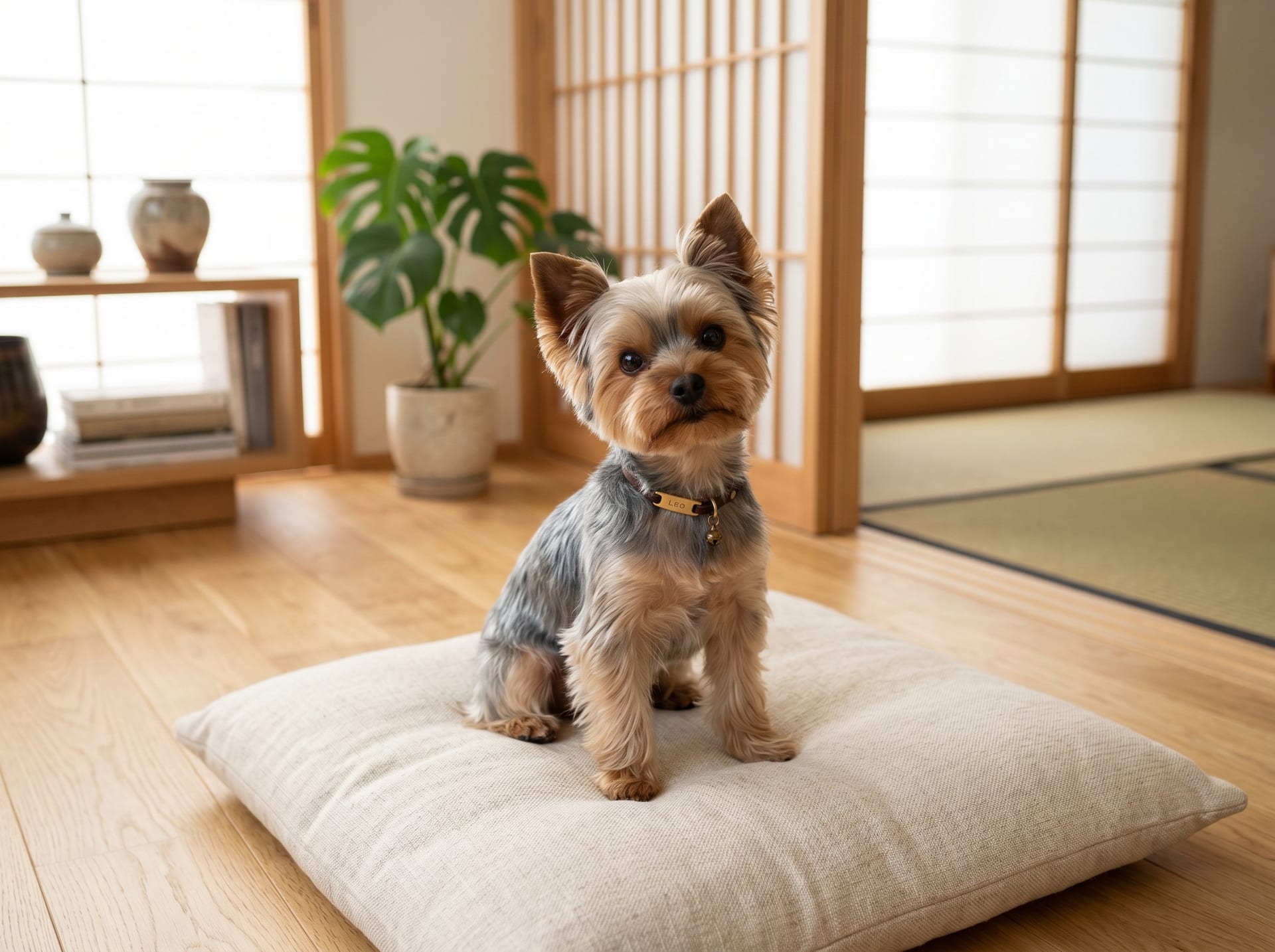
Yorkshire Terrier
A single-coat breed with hair texture similar to human hair. Although they have abundant coat, they shed minimally, reducing allergen dispersal.
Chinese Crested Dog (Hairless)
Two types exist: the "Hairless" type with minimal body hair and the coated "Powderpuff" type. The Hairless type has no shedding, eliminating the primary allergen dispersal route, but direct skin-to-skin contact allergen transfer requires attention.
Cavalier King Charles Spaniel
While not strictly a hypoallergenic breed, they produce less allergen than larger breeds and are valued for their gentle family-friendly temperament.
List of Hairless Dog Breeds
Breeds with little to no body hair (hairless dogs):
Breed
Characteristics
Suitability
Chinese Crested
Hair on head and paws only
Beginner-friendly
Mexican Hairless (Xoloitzcuintli)
Large to medium, ancient breed
Intermediate to advanced
Peruvian Hairless (Inca Orchid Dog)
Rare, delicate
Advanced
American Hairless Terrier
Small, active
Intermediate
While hairless dogs minimize allergen dispersal, they require specialized skincare to protect their skin. Sunscreen protection (dog-safe sunscreen), moisturizing, and regular bathing (1-2 times per week) are essential.
Managing Allergies in Pet-Friendly Rental Properties
For allergy-prone individuals renting pet-friendly properties, selecting an appropriate space and setting up the indoor environment are particularly crucial.
Setting Up Your Indoor Environment
Install Air Purifiers
Air purifiers equipped with HEPA filters efficiently remove airborne dog allergens (particles 0.3μm or larger). Ideally, install one unit in the living room and one in the bedroom.
Switch to Flooring, Eliminate Carpets
Carpets readily accumulate allergens. Where possible, switch to flooring and perform regular damp cleaning.
Restrict Dog Access Areas
Restricting dogs from allergy-prone family members' bedrooms and home offices significantly reduces symptom risk.
Regular Bathing
Bathing your dog more than twice per week physically reduces dander and allergen production. Use a gentle, dog-safe shampoo to avoid skin irritation.
How to Test for Allergies Beforehand
Before bringing a dog into your home, we recommend confirming the severity of your allergies using these methods:
Allergy Testing (Blood Test): Get tested for dog allergen (Can f) specific IgE antibodies at a medical facility
Trial Contact with the Breed: Consult with a breeder or adoption agency to arrange brief contact with the breed you're considering
Use Trial Periods: Some breeders and rescue organizations offer 1-2 week trial periods
Summary: Living with Dogs is Possible Even with Allergies
Just because you have dog allergies doesn't mean you must give up living with dogs. With proper knowledge and preparation, people with allergies can live comfortably with their beloved pets.
Key points to remember:
- Allergens are not "hair" but proteins (especially Can f 1)
- Hypoallergenic breeds (Toy Poodles, Maltese, etc.) help reduce symptoms
- Truly "allergen-free" dogs don't exist, so pre-testing is crucial
- Setting up your indoor environment (air purifiers, flooring, restricted access areas) is essential
- Consulting with breeders and selecting a breed suited to your specific allergies is the key to success
For those wanting to learn more about allergies, we recommend consulting both your allergist and the breeder.