Dog Agility Beginner's Guide | How to Start Obstacle Competitions and Training Methods
A guide to getting started with "dog agility," a sport to enjoy with your dog. We introduce the rules of agility competitions, suitable dog breeds, necessary preparation, basic training steps, and tips for choosing a class—all explained for beginners.
Key Takeaways
A guide to getting started with "dog agility," a sport to enjoy with your dog. We introduce the rules of agility competitions, suitable dog breeds, necessary preparation, basic training steps, and tips for choosing a class—all explained for beginners.
Related Species
What is Dog Agility?
Dog agility is a sport where dogs follow their handler's (owner's) commands and navigate through an obstacle course with speed and accuracy. Dogs clear a variety of obstacles such as hurdle jumps, tunnel passages, seesaws, and slalom (weaving between poles) in a set sequence according to the course.
In Japan too, the JKC (Japan Kennel Club) and independent agility organizations are promoting the sport, with participation ranging from competitive competitions to casual hobbyists. It's gaining popularity as a sport where dogs and owners exercise together and deepen their communication.
Main Agility Obstacles
| Obstacle | Description |
|---|---|
| Hurdle | Jump over a bar—the basic obstacle |
| Tunnel | Pass through a collapsible or fixed tunnel |
| Weave Poles | Weave left and right alternately between poles |
| Seesaw | Cross the center of a plank and lower to the opposite side |
| A-Frame | Climb up and down a high triangular obstacle |
| Dog Walk | Walk across a narrow bridge-like plank |
| Tire | Jump through a tire-shaped obstacle ring |
| Table | Hold a stationary position on a platform (5 seconds) |
Dog Breeds and Conditions Suited for Agility
Many dog breeds can enjoy agility, but some are naturally better suited to it.
Dog Breeds That Excel (Examples)
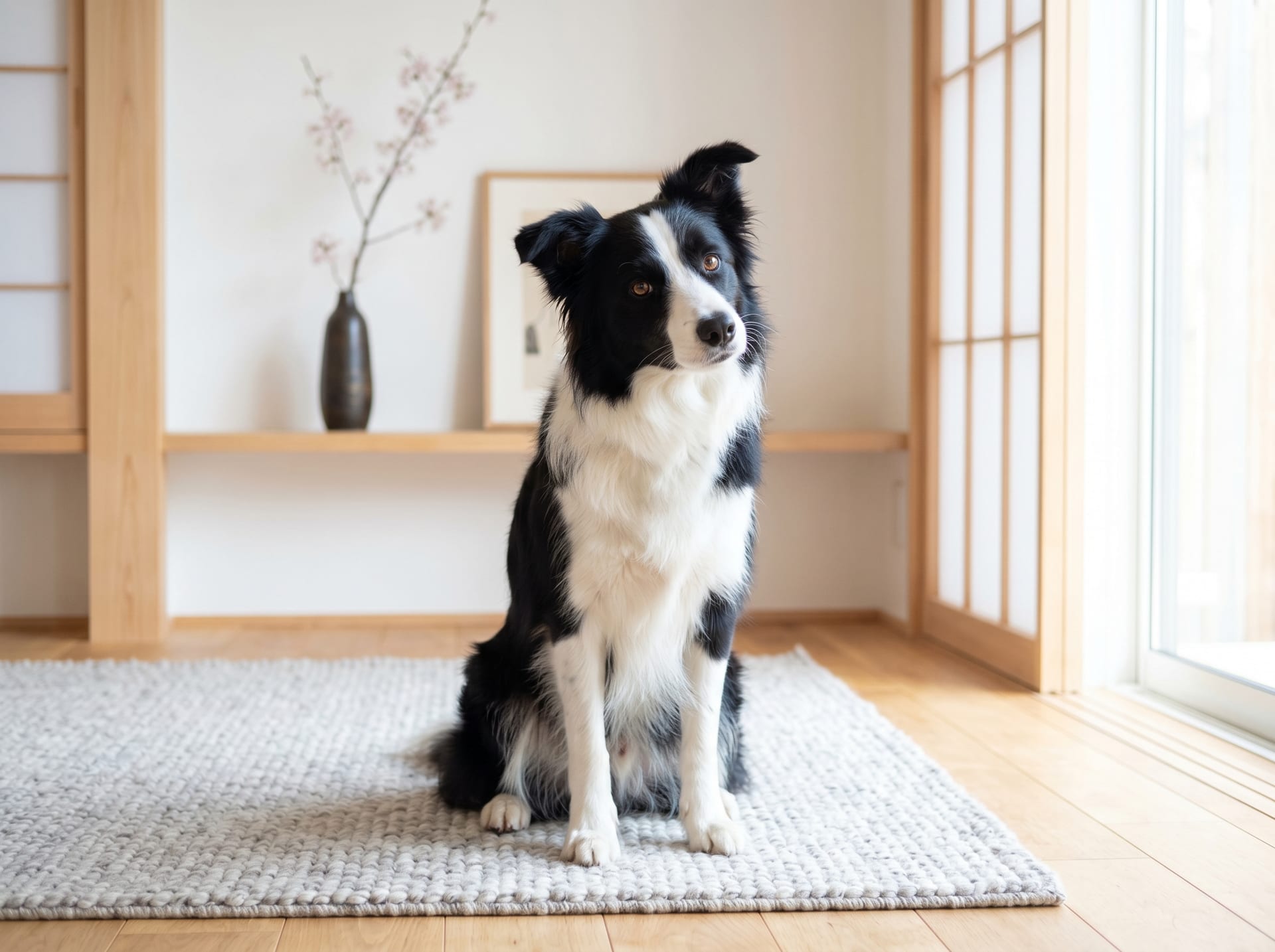
- Border Collie (synonymous with agility excellence)
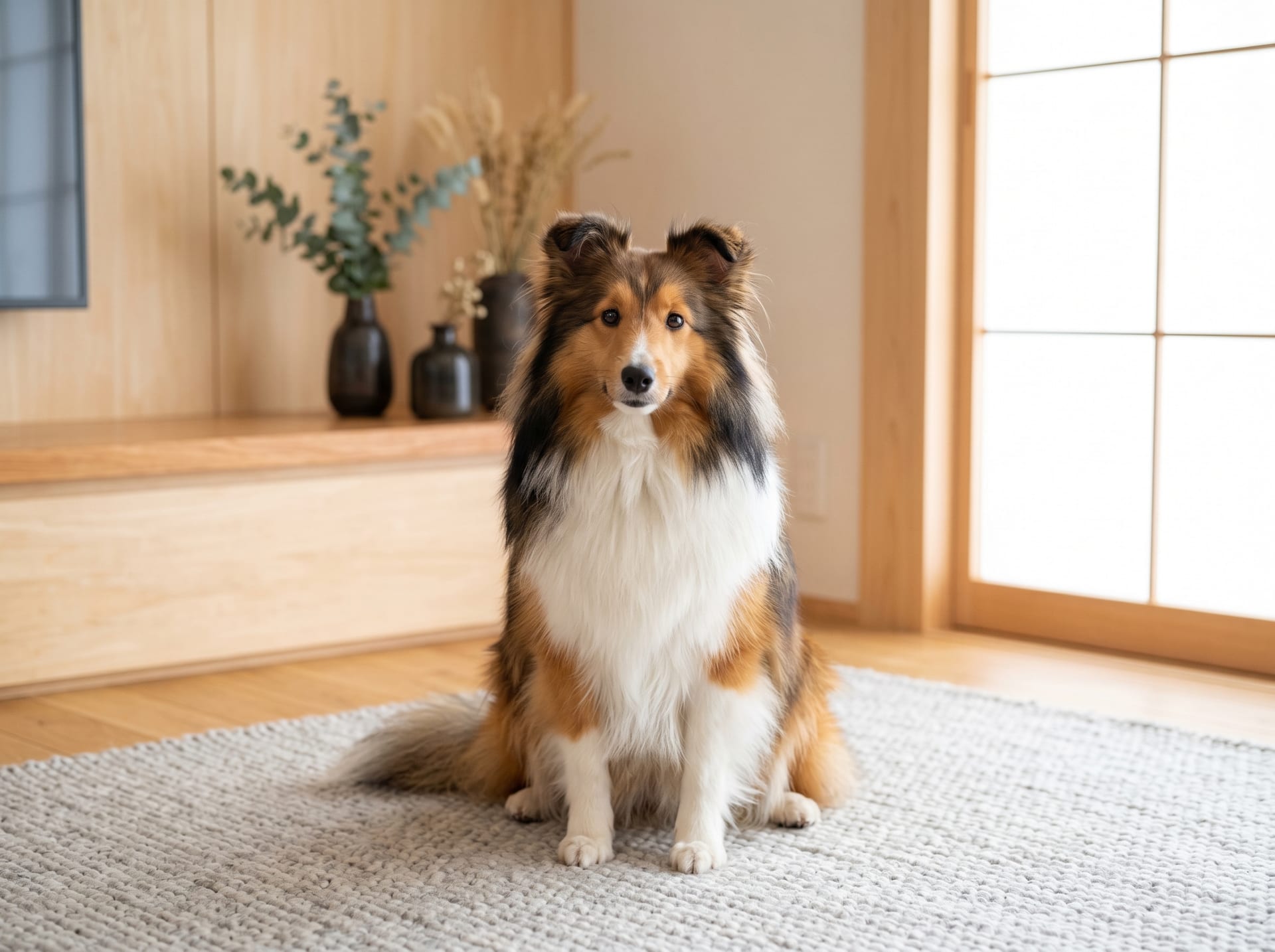
- Shetland Sheepdog (Sheltie)
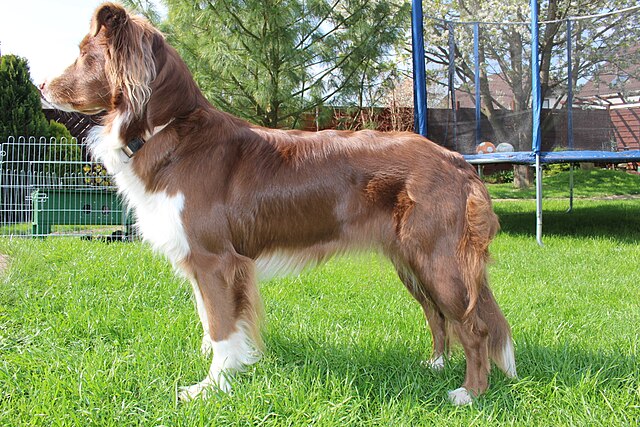
- Australian Shepherd
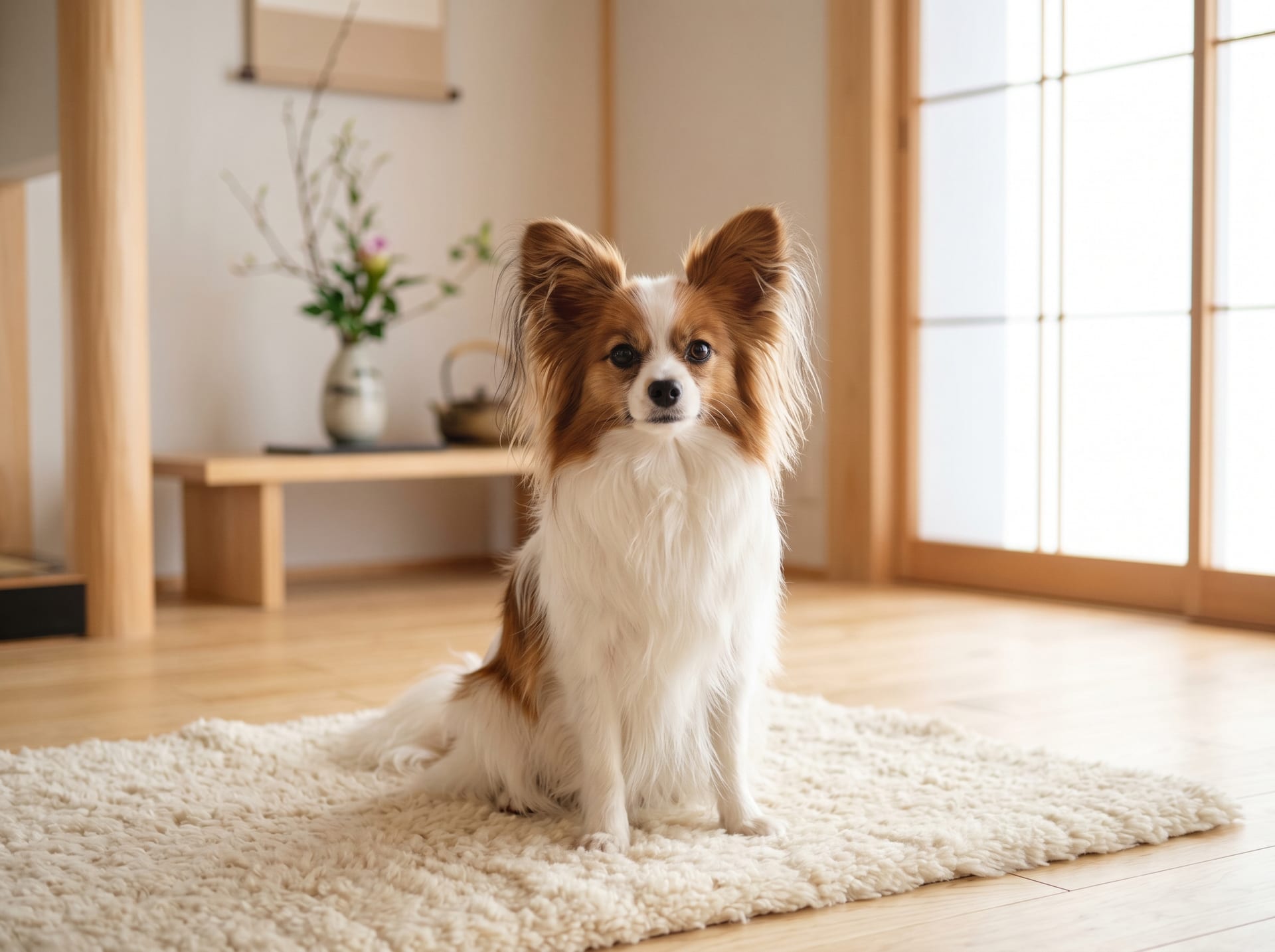
- Papillon
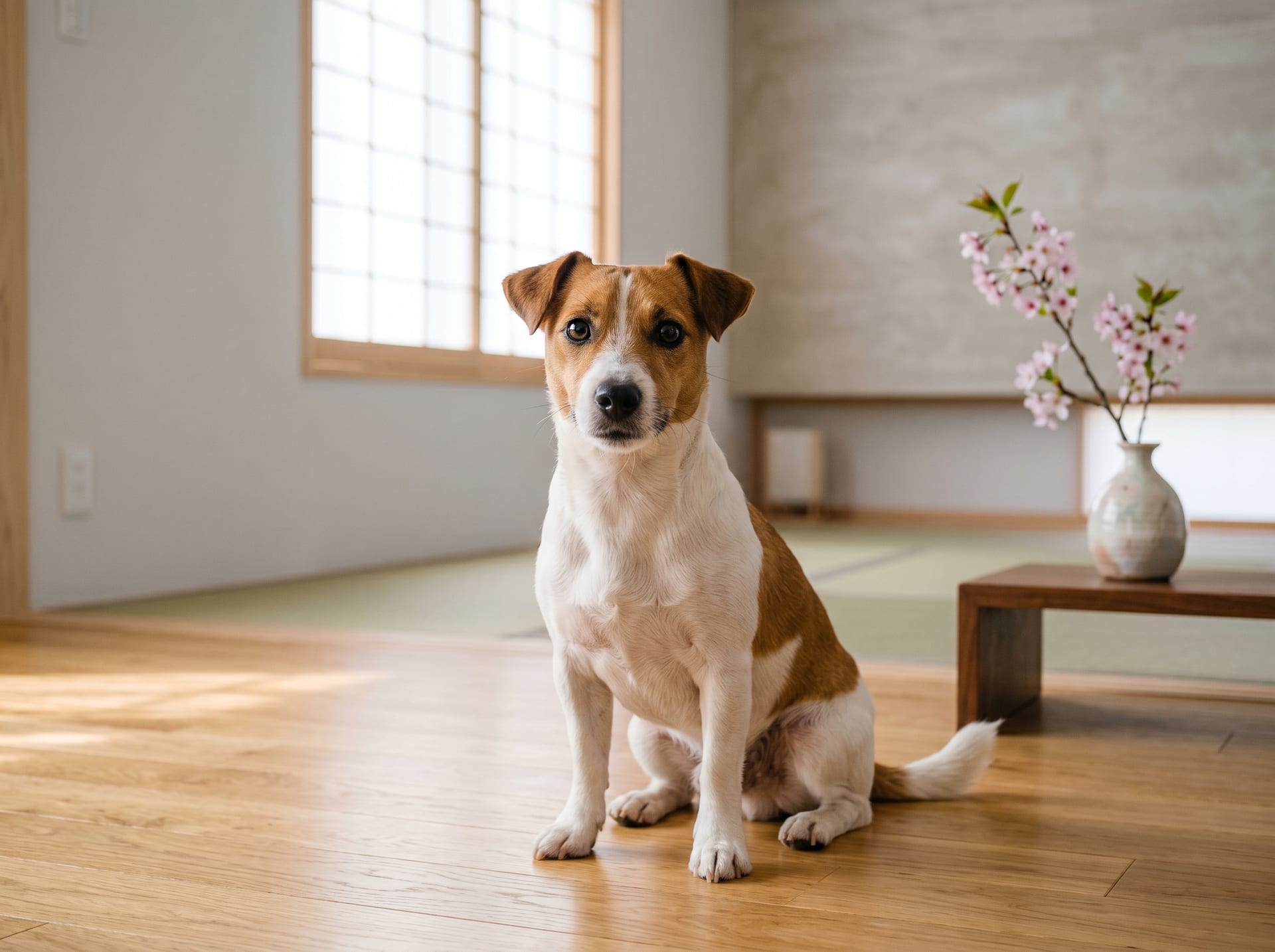
- Jack Russell Terrier
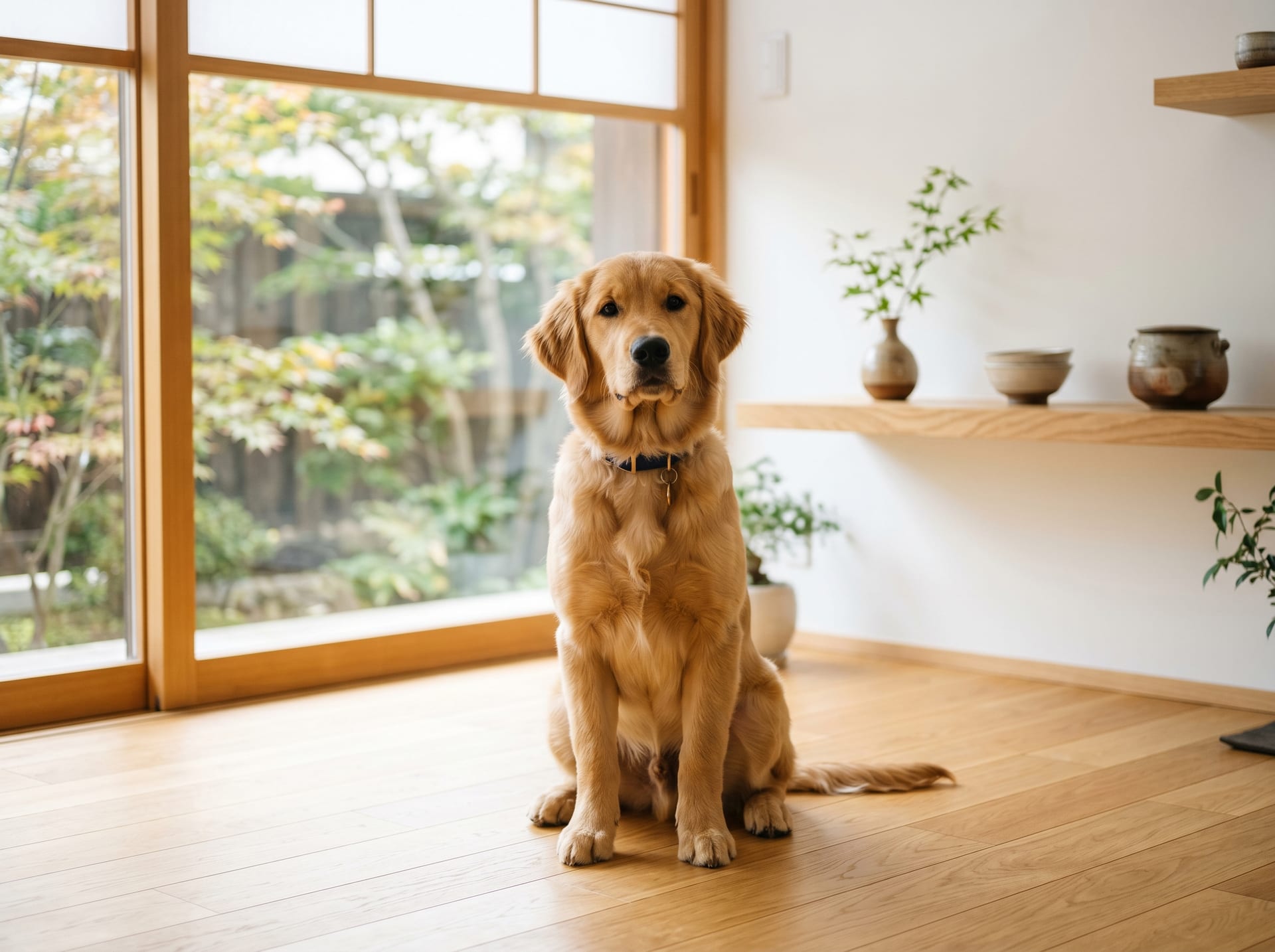
- Golden Retriever
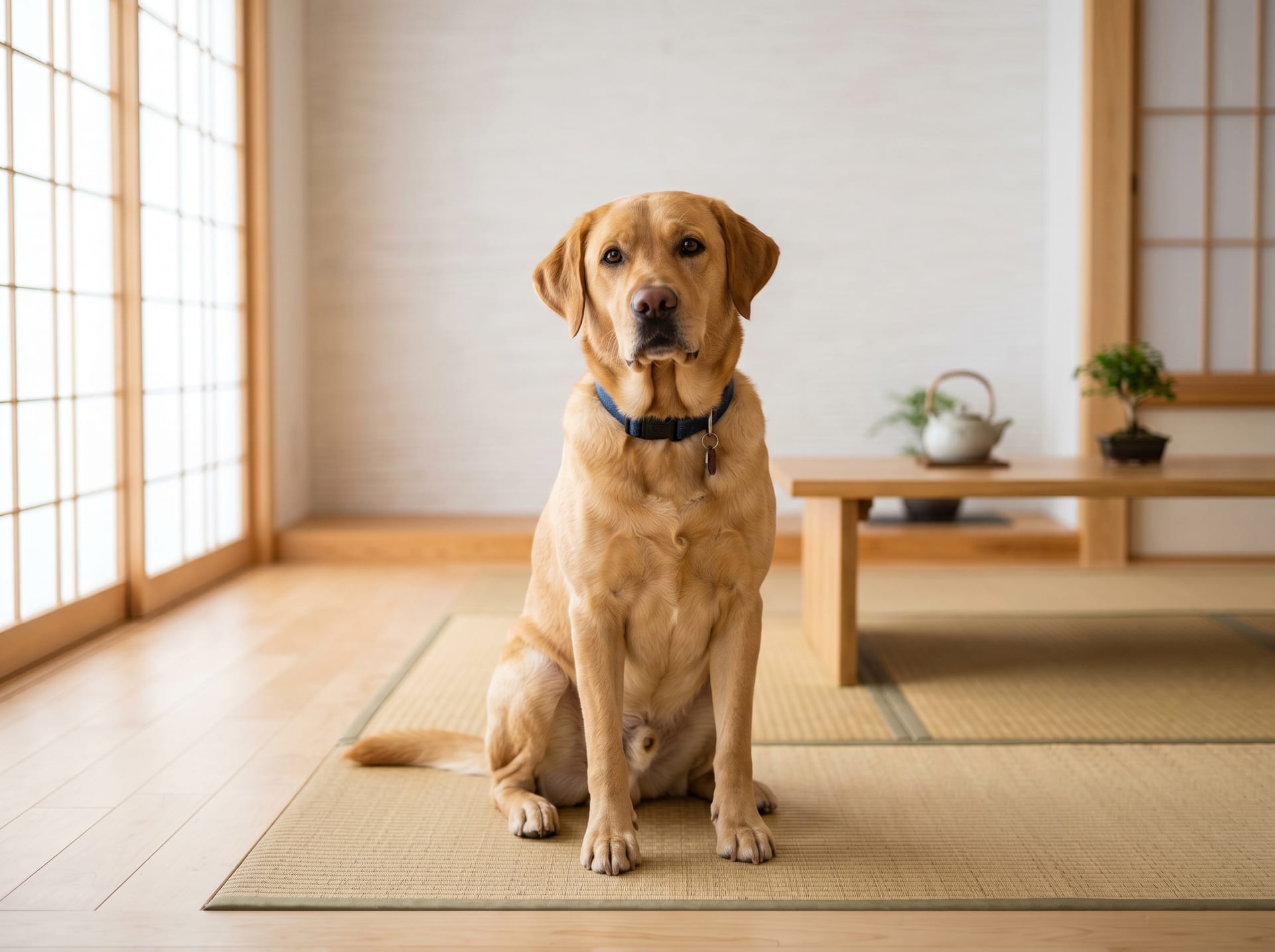
- Labrador Retriever
Requirements to Participate
- Age: At least 1 year old when skeletal development is complete (1.5 years or older for large breeds is recommended)
- Health: No issues with joints, heart, or respiratory system
- Basic training: Basic commands such as "sit," "stay," and "come" should be learned
- Absence of aggression
Preparation for Getting Started with Agility
Essential Equipment
You don't need to acquire everything at first. If you attend a class, obstacles can be shared. To keep costs down for home practice, you can start with the following:
- Jump bar (practice jumping at low heights): Use commercially available products or make one from PVC pipe
- Tunnel: A collapsible type is convenient for storage
- Weave poles (6 or more): Used for initial skill development
Fitness and Health Check
Agility puts significant strain on a dog's joints and heart. We recommend having a veterinary health check (especially X-rays of the joints) before starting. For dogs that are overweight, begin with weight management.
Basic Training Steps
Step 1: Target Training
This is practice for your dog to follow your hand or a target stick. It forms the foundation for luring in agility.
- Immediately click and reward when your dog's nose touches the target (such as the back of your hand)
- Gradually move the target farther away and have your dog follow it
- Associate it with a command like "touch"
Step 2: Jumping Low Hurdles
Start by stepping over a bar placed on the ground, then gradually increase the height.
- Start with heights at or below your dog's elbow height (10-15 cm for small breeds)
- Teach your dog to jump on command with "jump"
- Immediately reward after landing for positive reinforcement
Step 3: Tunnel Passage
Start by practicing with the tunnel folded to a shorter length. Call your dog through from the opposite side.
- Extend the tunnel once your dog is comfortable
- For dogs afraid of dark tunnels, brighten the entrance and exit or place a favorite toy at the entrance
Step 4: Weave Poles
This is the most time-consuming obstacle to master. The key is correct entry from the left shoulder into the poles.
- Start by spacing 2 poles far apart using the "channel method" to teach straight-line running
- Gradually narrow the spacing between poles until they reach regulation width
How to Choose a Class or School
Self-teaching is possible, but we strongly recommend starting with a specialized agility class or certified trainer.
Characteristics of a Good Class
- Uses positive reinforcement training (reward-based, not punishment-based)
- Course design is safe and obstacles are well-maintained
- Offers small class sizes or careful individual instruction
- Offers trial classes (so you can experience the atmosphere before committing)
Cost Estimate Group lessons 3-4 times per month: approximately ¥5,000-¥15,000/month (varies by region and facilities)
Conclusion
Dog agility is a sport that deepens the bond between dog and owner and contributes to your dog's exercise needs and mental well-being. Even if you're not competition-focused, you can enjoy it as a hobby, and watching your dog thrive brings owners great joy. Start with target training and basic hurdles, then progress at your dog's pace.