Discus Care and Color Enhancement Guide | Raising the "King of Tropical Fish" Beautifully | ブリちょく
Tropical Fish| ✍️ BreederDirect Editorial
Discus Care and Color Enhancement Guide | Raising the "King of Tropical Fish" Beautifully
Explains the essentials of discus fish care. Covers high water temperature management, water quality adjustment, color-enhancing foods, and environmental setup.
Key Takeaways
Explains the essentials of discus fish care. Covers high water temperature management, water quality adjustment, color-enhancing foods, and environmental setup.
Related Species
Discus Care and Color Enhancement Guide | Raising the "King of Tropical Fish" Beautifully
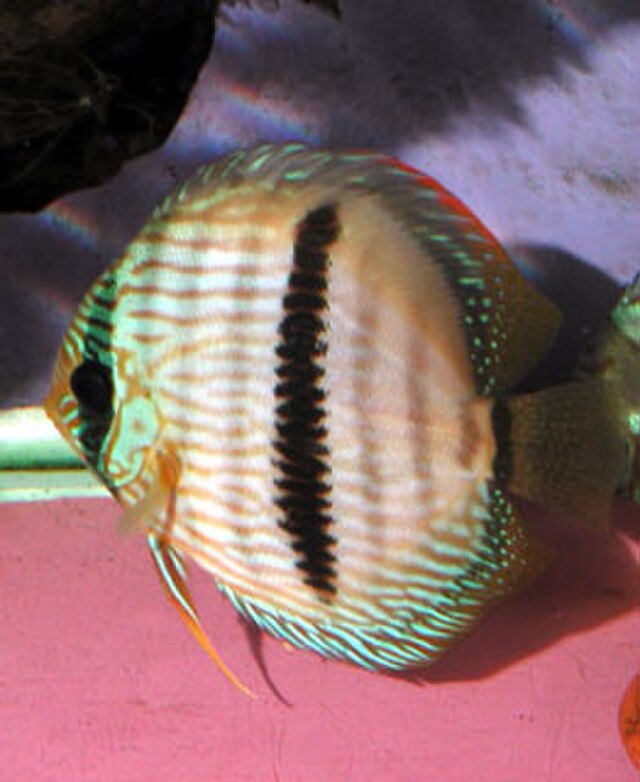
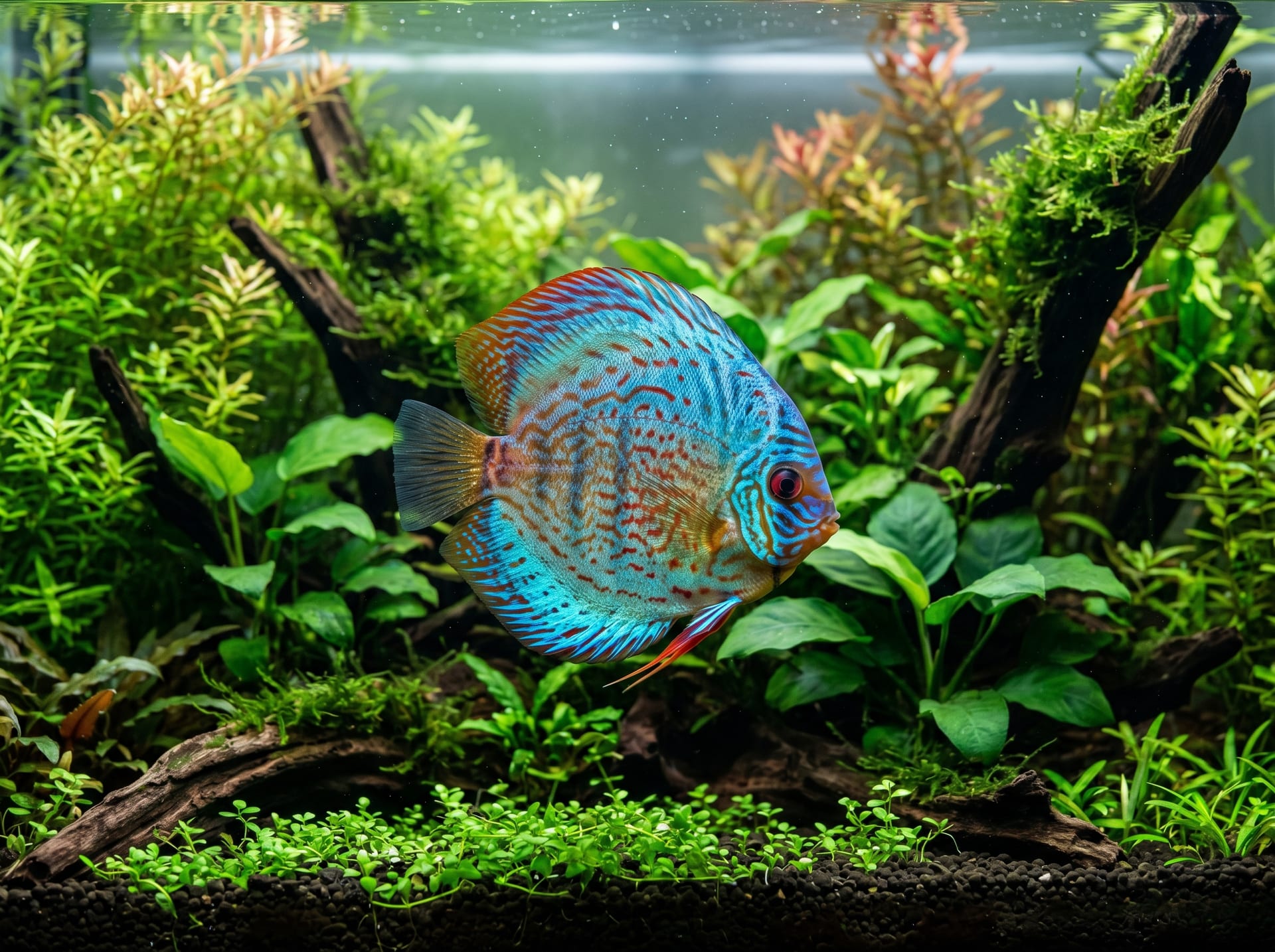
Discus fish are called the "king of tropical fish"—freshwater fish native to the Amazon River basin in South America. With a disc-shaped body that can exceed 20cm in diameter and delicate turquoise or red-spotted patterns unique to each individual, they command unmatched presence in any aquarium. While they require higher husbandry skill than typical tropical fish, once you master water quality management, you can enjoy their beauty over the long term. This is a fish with remarkable depth. This article provides detailed guidance for first-time discus keepers, from basic specifications to practical color enhancement techniques.
---
Basic Discus Data and Tank Selection
First, let's understand the basic specifications that form the foundation of your care environment.
Item
Recommended Value
Ideal Water Temperature
28–30°C
Ideal pH
5.5–6.8
Ideal Hardness
0–5°dH (ultra-soft water)
Minimum Tank Size
60cm (90cm+ is ideal)
Recommended Number
5 or more
Discus prefer water 2–3°C warmer than typical tropical fish. Below 28°C, their immune system weakens and disease becomes more likely. Always adjust your heater to around 29°C. For safety in case of heater failure, use multiple heaters distributed throughout the tank.
✍️
BreederDirect Editorial
The BreederDirect editorial team specializes in care information for animals, covering veterinary care and breeding to deliver beginner-friendly guides.
Find Tropical Fish on BreederDirect
Buy directly from verified breeders
Browse Related Listings
Find Tropical Fish listings related to this article on BreederDirect. Buy directly from verified breeders.
A 60cm tank is workable, but discus are extremely stress-sensitive fish. A confined swimming space reduces color vibrancy and can cause feeding refusal. Ideally, use a 90cm+ tank and provide a spacious environment—this is the first step to color enhancement.
Schooling behavior is also important. Discus are social fish; keeping 5 or more disperses hierarchy conflicts and reduces stress and aggression on individual fish. With only 2–3 fish, weaker individuals become targets of concentrated attacks, causing their body color to blacken—so be careful.
---
Water Quality Management | The Heart of Discus Care
Water quality management is the most critical aspect of discus husbandry. Amazon River water is extremely soft and slightly acidic (called "blackwater") with low hardness. Recreating this environment is the key to discus health and beautiful coloration.
Using RO Water
Japanese tap water hardness varies by region, but discus require soft water with low hardness. In areas with high hardness (especially north of Kanto), we strongly recommend using reverse osmosis (RO) filtered water. RO water is nearly pure water with almost all minerals removed, approximating the water quality of discus' native habitat. Since RO water alone lacks minerals, it's standard practice to adjust it with specialized remineralization products.
Water Change Frequency and Amount
Discus prefer fresh water, and water change frequency directly affects their coloration. The ideal practice is daily to every-other-day water changes at 30–50% of tank volume. You can either make small, frequent changes or larger changes every other day; for beginners, the former method with less water parameter fluctuation is less likely to cause problems.
Always match the water temperature before adding change water. Temperature differences of 5°C or more can trigger white spot disease and other issues.
Bare-Bottom Tanks and Filtration
The bare-bottom (no substrate) style is very common in discus keeping because waste and uneaten food don't accumulate on the bottom, making it easier to maintain cleanliness. Easy maintenance supports stable water quality, which in turn positively affects fish health and coloration.
Use an external filter with circulation at 5–8× the tank volume. However, water flow that's too strong causes stress, so direct the outflow toward a wall or use other methods to soften the current.
---
Color Enhancement Techniques | Maximizing Coloration Through Food and Environment
Discus color enhancement is one of the greatest pleasures for keepers. With proper food and environmental setup, you can bring out dramatically more vibrant coloration than when you purchased them.
Color Enhancement Through Food
Discus hamburger is the most effective color-enhancement food known. Made from beef heart (offal) as a base mixed with shrimp, vegetables, and other ingredients, this homemade live food is highly nutritious with excellent palatability for discus. High-quality commercial frozen hamburgers are also widely available and convenient to use.
For color-specific enhancement strategies, the following foods are effective:
Enhancing reds and oranges: Foods rich in astaxanthin and carotenoids (shrimp-based foods, dedicated color-enhancement pellets) are most effective
Enhancing blues and greens: Water stability and proper lighting are essential. Utilize LED lights with broad spectrum
Overall color improvement: Live food (bloodworms, frozen brine shrimp) has high palatability, promoting appetite and providing nutritional support
Overfeeding causes water quality degradation. Feed amounts that can be consumed within 5–10 minutes, given 2–3 times daily.
Color Enhancement Through Environment
Tank décor significantly affects coloration. Black backgrounds or dark substrates allow you to leverage the fish's habit of darkening their body color to match the background. White or bright-colored substrates tend to lighten body color, so be aware.
Lighting quality is also important. Using LED lights with high color rendering (Ra90 or higher) makes discus' true colors stand out. Lighting duration should be around 8–10 hours per day.
Don't forget to minimize stress. If fish frantically flee when you approach the tank, suspect a stressor. Overstocking, noise, and sudden lighting changes are common culprits.
---
Common Problems and Solutions
Being delicate fish, discus can encounter problems. Early detection and quick response are critical.
Feeding Refusal
Feeding refusal is the most common discus problem. Main causes include water quality degradation, temperature drops, and transport stress. First, perform a 30% water change and check the temperature. If the fish is newly introduced, keeping it in a dimly lit environment for a few days often allows it to settle and start eating. If it still won't eat, try high-palatability options like frozen bloodworms or frozen brine shrimp.
Blackening
Overall body color darkening, called "blackening," signals stress or hierarchy conflict. Especially with few fish, if a weaker individual blackens, either increase the number of fish or use a divider to isolate it. If water quality is the cause, successive water changes often improve the situation.
Hole-in-the-Head Disease and Aeromonas Infection
Hole-in-the-head disease, characterized by body lesions or ulcers, is often triggered by malnutrition or water quality degradation. In early stages, salt baths or medicated baths (such as Green F Gold) can help, but severe cases may involve hexamita protozoans, requiring metronidazole-based treatment. Quickly isolate sick fish and review the main tank's water quality to prevent recurrence.
---
Conclusion | Welcome Your Discus Through br-choku
Discus fish certainly require high husbandry skill, but once you master water quality management and food optimization, few fish are as rewarding to raise. Their beautiful coloration and uniquely graceful swimming transform your aquarium into a living work of art.
Getting discus to thrive depends heavily on information at the time of acquisition. Knowing the water conditions they were raised in, what they've been eating, and their bloodline lets you transition environments smoothly. This information—unavailable from pet shops—is the strength of br-choku, our direct breeder marketplace.
Through br-choku, you can purchase directly from domestic discus breeders and ask about their care conditions and diet before purchasing. Shipments arrive with minimal transport stress, and you can expect ongoing aftercare support. Whether you're trying discus for the first time or an experienced keeper seeking premium specimens, explore br-choku to find your ideal fish.